Does Traction Control Affect the Engine or Just the Tires
Yes, traction control does affect the engine. When your wheels start to slip, the system communicates directly with the engine to reduce power and restore grip. Understanding how traction control interacts with the engine can help you drive safer and avoid costly repairs.
You are driving on a wet road. Your foot presses the gas pedal, but instead of spinning out, your car grips the road and moves forward smoothly. What just happened? Your traction control system kicked in. But here is the question most drivers ask: does traction control affect the engine?
The short answer is yes. Traction control does not just work on your tires. It talks directly to your engine. It tells the engine to back off the power so your wheels can regain grip. Many drivers think traction control is only about the tires. That is not true. The system is deeply connected to how your engine delivers power to the wheels.
In this article, we will break down exactly how traction control affects the engine. We will look at the parts involved, what happens when the system activates, and what it means for your daily driving. Whether you are a new driver or a seasoned car owner, this guide will help you understand your vehicle better.
Key Takeaways
- Traction control directly interacts with the engine to reduce power when wheel slippage is detected.
- Wheel speed sensors tell the traction control module when a drive wheel is spinning too fast.
- Engine power reduction happens through throttle intervention, spark timing adjustments, or fuel cut.
- Traction control works alongside ABS and stability control to keep your vehicle stable.
- Turning traction control off can be useful in certain situations but may reduce safety on slippery roads.
- A traction control light on your dashboard signals a potential issue that needs attention.
- Regular maintenance of the traction control system keeps your engine and drivetrain working properly.
📑 Table of Contents
- What Is Traction Control and How Does It Work?
- Does Traction Control Affect the Engine in All Driving Conditions?
- Can Traction Control Cause Engine Problems?
- Should You Turn Off Traction Control?
- How Traction Control Connects to the Engine Control Unit
- Traction Control vs. Electronic Stability Control: What Is the Difference?
- How to Maintain Your Traction Control System
- Key Takeaways
- Conclusion
What Is Traction Control and How Does It Work?
Before we dive into the engine connection, let us understand what traction control actually does. A traction control system is a safety feature in modern vehicles. It prevents your wheels from spinning when you accelerate on slippery surfaces like ice, rain, or gravel.
The system uses wheel speed sensors to monitor how fast each wheel is turning. When one wheel spins faster than the others, the system knows that wheel has lost traction. It then sends a signal to the engine to reduce power. This happens in milliseconds. You may not even notice it happening.
Here is how the process works step by step:
- Wheel speed sensors detect that a drive wheel is spinning too fast.
- The traction control module receives this data and analyzes it.
- The module sends a command to the engine control unit (ECU).
- The ECU reduces engine power by adjusting the throttle, fuel delivery, or spark timing.
- The wheel slows down and regains grip on the road surface.
That entire process takes less than a second. It is one of the reasons modern cars feel so much safer on tricky road conditions. The system works quietly in the background, but it has a big impact on how your engine performs.
How Does the Engine Respond to Traction Control?
When traction control activates, your engine does not just shut down. It adjusts its output. Think of it like this. You are pushing a heavy box across a slippery floor. If the box starts sliding, you naturally ease off the push. That is exactly what your engine does when traction control kicks in.
The ECU can reduce power in several ways:
- Throttle reduction: The system closes the throttle slightly, which limits how much air enters the engine. Less air means less power.
- Fuel cut: The ECU temporarily reduces fuel delivery to the affected cylinders.
- Spark timing adjustment: The system changes when the spark plugs fire, which reduces engine output.
- Gear shifting: In some vehicles, the transmission shifts to a higher gear to reduce engine torque.
All of these actions happen automatically. You do not need to do anything. The traction control system handles it for you. This is why many drivers do not realize their engine is being affected until they notice the traction control light on the dashboard.
Does Traction Control Affect the Engine in All Driving Conditions?
The short answer is no. Traction control only affects the engine when it detects wheel slippage. On dry, clear roads with good grip, the system stays mostly inactive. Your engine operates normally, and you get full power when you press the gas pedal.
However, certain road conditions trigger the system more often. These include:
- Rainy or wet roads where water reduces tire grip.
- Icy or snowy surfaces where traction is very low.
- Gravel or dirt roads where wheels can spin easily.
- Loose surfaces like sand or mud.
When you drive in these conditions, the traction control system works harder. It interacts with the engine more frequently. Over time, this frequent power adjustment can affect how your engine performs. It does not damage the engine, but it does change the way power is delivered.
What Happens When Traction Control Activates Frequently?
If you drive a lot in slippery conditions, you might notice that your engine feels less responsive. This is normal. The traction control system is constantly intervening to keep your wheels from spinning. It is doing its job.
Some drivers report feeling a slight delay when they press the gas pedal. This delay is the system reducing throttle input to prevent wheel spin. It is not a sign of engine trouble. It is a sign that the traction control system is working as designed.
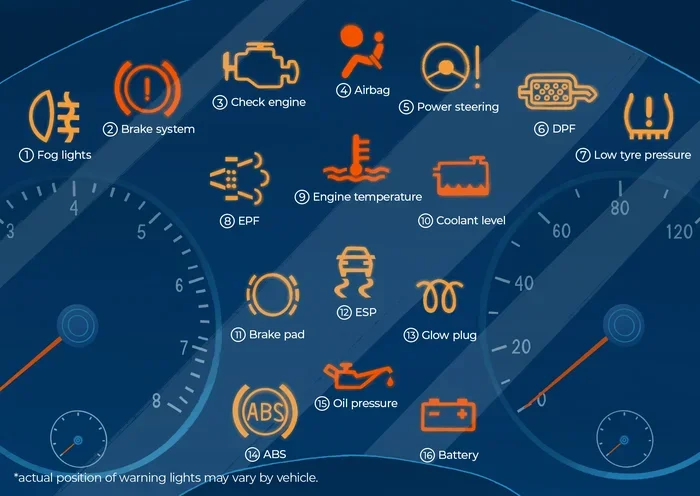
However, if you notice the traction control light staying on, that is different. A constantly lit light usually means there is a problem with the system. It could be a faulty wheel speed sensor, a damaged traction control module, or an issue with the ECU. You should get this checked by a mechanic as soon as possible.
Can Traction Control Cause Engine Problems?
This is one of the most common questions we get. Can traction control actually harm your engine? The answer is no, not directly. The traction control system is designed to work with your engine, not against it. It uses the same electronic controls that manage your engine every day.
But there are some indirect effects you should know about.
Increased Strain on Engine Components
When traction control activates often, it causes the engine to constantly adjust its power output. This means the ECU is working harder. The throttle body, fuel injectors, and spark plugs are all being used more frequently in modified ways. Over a very long period, this could contribute to wear on these components.
That said, modern engines are built to handle this. The wear caused by traction control is minimal. It is nothing compared to the normal wear and tear of everyday driving. You do not need to worry about traction control damaging your engine.
Impact on Fuel Economy
Another thing to consider is fuel economy. When traction control reduces engine power, it also reduces fuel consumption in the moment. However, if the system activates very frequently, it can lead to inconsistent fuel delivery. Some drivers notice a slight drop in miles per gallon when driving in conditions that trigger traction control often.
Here are a few tips to keep your fuel economy in check:
- Drive smoothly on slippery surfaces to avoid triggering traction control too often.
- Use winter tires in snow and ice to improve natural grip.
- Keep your tires properly inflated to reduce unnecessary wheel spin.
- Avoid aggressive acceleration on low-traction surfaces.
These simple steps help your traction control system work less, which means your engine operates more efficiently.
Should You Turn Off Traction Control?
Many drivers wonder if they should turn off the traction control system. There are situations where doing so makes sense. But there are also risks involved.
When It Makes Sense to Turn Traction Control Off
There are a few scenarios where turning off traction control is actually helpful:
- Driving in deep snow or mud: Sometimes your wheels need to spin to dig out of snow or mud. Traction control prevents this by reducing engine power. Turning it off lets the wheels spin freely.
- Rock crawling or off-roading: When you are navigating rocky terrain, you need precise control over wheel spin. Traction control can interfere with this.
- Getting unstuck: If your car is stuck in ice or sand, spinning the wheels can help you gain momentum. Traction control works against this.
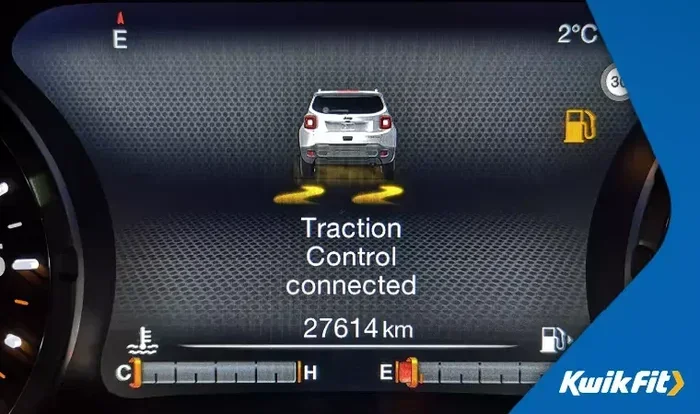
Most vehicles have a button to turn off traction control. It is usually located near the gear shift or on the center console. Look for a button with a car icon and wavy lines behind it.
When You Should Keep Traction Control On
For everyday driving, you should always keep traction control on. It is one of the most important safety systems in your vehicle. Turning it off on wet highways or icy roads increases your risk of accidents.
The traction control system works hand in hand with your anti-lock braking system (ABS) and electronic stability control (ESC). Together, these systems keep your vehicle stable and prevent skidding. Disabling traction control weakens this safety net.
How Traction Control Connects to the Engine Control Unit
The engine control unit is the brain of your vehicle. It manages fuel delivery, spark timing, idle speed, and emissions. The traction control system is deeply integrated with the ECU. They share data constantly.
When the traction control module detects wheel slippage, it sends a message to the ECU. The ECU then decides how to reduce engine power. This communication happens through the vehicle’s CAN bus network. It is a high-speed data network that connects all the electronic systems in your car.
This connection is why traction control can affect throttle response, fuel injection, and even gear selection. It is not just a tire-based system. It is an engine management tool as much as it is a safety feature.
Common Traction Control Issues That Affect the Engine
Sometimes problems with the traction control system can cause engine-related symptoms. Here are some common issues:
- Faulty wheel speed sensors: A bad sensor can send incorrect data to the ECU, causing the engine to reduce power unnecessarily.
- Damaged traction control module: If the module fails, it may send constant signals to the ECU, which can cause the engine to run poorly.
- Wiring issues: Corroded or damaged wiring between the traction control system and the ECU can cause communication errors.
- Low battery voltage: A weak battery can affect both the traction control system and the ECU, leading to erratic engine behavior.
If you notice any of these symptoms, it is important to get a proper diagnosis. A mechanic can use an OBD-II scanner to read error codes and identify the root cause.
Traction Control vs. Electronic Stability Control: What Is the Difference?
People often confuse traction control with electronic stability control (ESC). They are related systems, but they work differently. Both affect the engine, but in different ways.
Traction control focuses on preventing wheel spin during acceleration. It works by reducing engine power or applying brakes to individual wheels. It mainly affects the drive wheels.
Electronic stability control is a broader system. It helps you maintain control of the vehicle when you are turning or swerving. ESC can apply brakes to any wheel and reduce engine power to help you stay on your intended path.
Here is a simple comparison:
- Traction control: Prevents wheel spin during acceleration. Affects engine throttle and fuel delivery. Works on drive wheels.
- Electronic stability control: Prevents skidding and loss of direction. Affects brakes and engine power. Works on all four wheels.
Both systems rely on the engine control unit to reduce power when needed. Both systems use wheel speed sensors to gather data. And both systems are essential for safe driving in modern vehicles.
How to Maintain Your Traction Control System
Like any other vehicle system, the traction control system needs regular maintenance. A well-maintained system works better and keeps your engine running smoothly.
Simple Maintenance Tips
- Check your wheel speed sensors regularly. Clean them to remove dirt and debris that can interfere with their readings.
- Keep your tires in good condition. Worn tires reduce traction and cause the system to activate more often, which affects the engine more frequently.
- Replace worn brake components. The traction control system uses the brakes to slow down spinning wheels. Worn brakes reduce its effectiveness.
- Get regular ECU diagnostics. A professional scan can catch early warning signs of traction control issues before they affect engine performance.
- Address the traction control light immediately. If the light comes on, do not ignore it. Have the system diagnosed and repaired promptly.
Taking care of your traction control system is one of the best things you can do for your engine. It keeps all the systems working together smoothly and helps your car perform at its best.
Key Takeaways
- Traction control directly interacts with the engine to reduce power when wheel slippage is detected.
- Wheel speed sensors tell the traction control module when a drive wheel is spinning too fast.
- Engine power reduction happens through throttle intervention, spark timing adjustments, or fuel cut.
- Traction control works alongside ABS and stability control to keep your vehicle stable.
- Turning traction control off can be useful in certain situations but may reduce safety on slippery roads.
- A traction control light on your dashboard signals a potential issue that needs attention.
- Regular maintenance of the traction control system keeps your engine and drivetrain working properly.
Conclusion
So, does traction control affect the engine? The answer is clear. Yes, it does. The traction control system is deeply connected to your engine through the ECU, wheel speed sensors, and the CAN bus network. When wheel slippage is detected, the system tells the engine to reduce power. This keeps your vehicle stable and safe on slippery roads.
Understanding how traction control affects the engine helps you be a smarter driver. It helps you know when to keep the system on and when it is okay to turn it off. It also helps you recognize warning signs like a lit traction control light or unusual engine behavior.
Take care of your traction control system. Keep your tires maintained, get regular diagnostics, and pay attention to warning lights. Your engine and your safety will thank you. Drive smart, stay safe, and let your traction control system do the hard work for you.
FAQs
Can a bad traction control system damage the engine?
A faulty traction control system will not directly damage your engine. However, it can cause the engine to run poorly if it sends incorrect signals to the ECU. Always address traction control issues promptly to prevent potential engine performance problems.
Does turning off traction control save fuel?
Not really. Turning off traction control does not significantly improve fuel economy. In fact, it can lead to wheel spin and wasted energy on slippery surfaces. Keeping traction control on helps the engine deliver power more efficiently.
Why does my traction control light come on when I accelerate?
The light usually comes on when the system detects wheel slippage during acceleration. This is normal behavior on slippery surfaces. If the light stays on constantly, it could indicate a sensor or module issue that needs professional diagnosis.
Can traction control help in normal driving conditions?
Yes. Even on dry roads, traction control helps maintain smooth acceleration. It prevents wheel spin during sudden throttle inputs, which protects both your tires and your engine from unnecessary strain.
How often should I have my traction control system checked?
It is a good idea to have the system checked during every regular maintenance visit. Most mechanics can scan the traction control system along with the engine diagnostics. This ensures everything is working properly and your engine stays healthy.
Is traction control the same as stability control?
No, they are related but different. Traction control prevents wheel spin during acceleration. Stability control helps you maintain control during turns and swerves. Both systems communicate with the engine but serve different purposes in keeping you safe.