Screamin Eagle 110 Engine Problems and How to Fix Them
Screamin Eagle 110 engine problems can frustrate any Harley owner, from overheating to carburetor issues. Understanding these big twin engine problems early saves you time and money on costly repairs. This guide covers the most frequent Screamin Eagle 110 problems with step-by-step solutions. You will learn how to diagnose, fix, and prevent common failures on your 110 cubic inch engine.
If you own a Harley-Davidson with a Screamin Eagle 110 engine, you know the thrill of that big twin rumble. But let us be honest. These powerful machines come with their own set of challenges. Screamin Eagle 110 engine problems are more common than many riders expect, especially as the miles add up.
Whether you are dealing with overheating, rough idling, or a mysterious loss of power, this guide has you covered. We will walk through every major issue you might face with your 110 cubic inch engine. More importantly, we will show you exactly how to fix each one. No shop manual required. Just clear, practical advice from someone who has been there.
The Screamin Eagle 110 is a big twin engine that produces serious horsepower. But with great power comes great responsibility. Regular motorcycle maintenance keeps this engine running at its best. When you ignore small warning signs, minor issues turn into expensive repairs fast. That is why understanding these common problems matters so much.
By the end of this article, you will know how to spot trouble early. You will understand what causes each problem. And you will have a clear path to fixing it yourself or knowing when to call a pro. Let us dive into the world of Screamin Eagle 110 engine problems and get your ride running right again.
Key Takeaways
- Overheating is the #1 issue: Regular coolant checks and thermostat maintenance prevent most overheating problems on your Screamin Eagle 110.
- Carburetor tuning matters: Dirty or misadjusted carbs cause rough idling, poor fuel economy, and engine misfires.
- Valve adjustments keep engines healthy: Skipping valve checks leads to compression loss and power drops on your big twin engine.
- Oil leaks are common but fixable: Gasket replacements and proper torque routines stop most oil leaks before they worsen.
- Spark plug maintenance is simple: Fresh plugs and correct gaps prevent fouling and keep your ignition system running smoothly.
- Preventive maintenance saves money: Regular servicing of the fuel pump, air filter, and exhaust system extends engine life significantly.
📑 Table of Contents
- Understanding Your Screamin Eagle 110 Engine
- Overheating Problems and Solutions
- Carburetor and Fuel Delivery Issues
- Ignition System Failures
- Valve and Compression Issues
- Oil Leaks and Lubrication Problems
- Exhaust and Performance Problems
- Preventing Screamin Eagle 110 Engine Problems
- When to Seek Professional Help
- Conclusion
Understanding Your Screamin Eagle 110 Engine
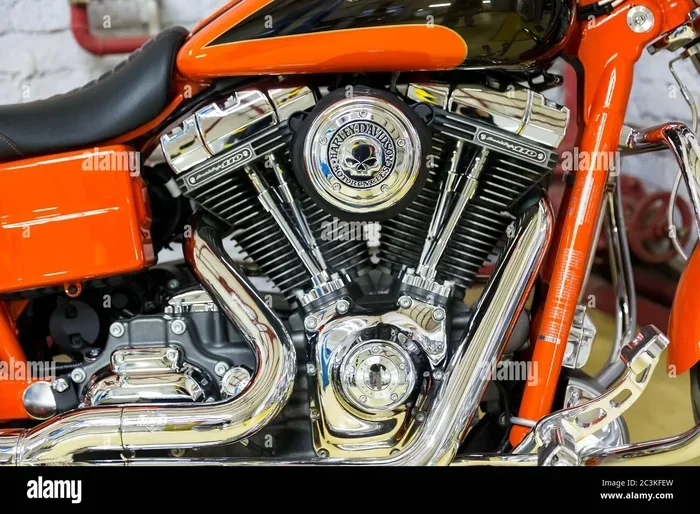
The Screamin Eagle 110 is one of the most popular engines Harley-Davidson offers. It belongs to the Twin Cam family and displaces 110 cubic inches of displacement. This big twin engine delivers serious torque and acceleration that riders love.
But what makes this engine special also makes it demanding. The Screamin Eagle 110 runs hot compared to smaller engines. It needs proper tuning, regular maintenance, and quality parts. When Screamin Eagle 110 engine problems arise, they often trace back to a few root causes we will explore below.
Key Components of the 110 Engine
Understanding the basics helps you troubleshoot faster. Here are the main parts of your 110 cubic inch engine that affect performance:
- Twin Cam Block: The foundation that houses the crankshaft and primary drive.
- Carburetor or Fuel Injection System: Controls the air-fuel mixture for combustion.
- Ignition System: Includes the coil, spark plug wires, and spark plugs.
- Valve Train: Intake and exhaust valves that regulate airflow.
- Cooling System: Radiator, thermostat, and coolant passages that manage heat.
- Exhaust System: Headers and mufflers that handle hot gases.
When any of these components fail, you will notice engine problems quickly. The key is catching them early before they cascade into bigger damage.
Overheating Problems and Solutions
Overheating tops the list of Screamin Eagle 110 engine problems. This engine generates a lot of heat, and when the cooling system cannot keep up, things go wrong fast. An overheating big twin engine can warp heads, blow gaskets, or even crack the block if ignored.
Common Causes of Overheating
Several factors contribute to overheating on the Screamin Eagle 110. Here is what to watch for:
- Clogged coolant passages: Old coolant leaves deposits that block flow.
- Faulty thermostat: A stuck thermostat prevents coolant from circulating properly.
- Low coolant levels: Small leaks or evaporation reduce the coolant supply over time.
- Radiator damage: Bugs, debris, and road hazards can damage the radiator fins.
- Water pump failure: The impeller wears out and cannot push coolant effectively.
How to Fix Overheating Issues
Start by checking your coolant level. If it is low, top it off with the correct coolant system fluid recommended by Harley. Next, inspect the thermostat. Remove it and test it in boiling water. It should open at around 180 degrees Fahrenheit. If it does not, replace it.
Flush the cooling system every two years to prevent buildup. Check the radiator for clogs and clean them gently with a soft brush. If your water pump is making noise or leaking, replace it sooner rather than later. These simple steps solve most overheating problems on the Screamin Eagle 110.
Quick Tip: Always use a 50/50 mix of coolant and distilled water. Pure coolant actually cools less effectively than a proper mixture. This is one of the most overlooked motorcycle maintenance tips.
Carburetor and Fuel Delivery Issues
Fuel delivery problems are another major category of Screamin Eagle 110 engine problems. The carburetor on this engine has multiple circuits that must work in harmony. When one gets dirty or misadjusted, your ride suffers.
Symptoms of Carburetor Trouble
How do you know your carburetor is causing problems? Look for these signs:
- Rough idle: The engine shakes or stalls when stopped.
- Hesitation on acceleration: A brief lag or stumble when you twist the throttle.
- Poor fuel economy: You are filling up more often than usual.
- Black smoke from exhaust: This signals a rich fuel mixture.
- Engine misfire: Uneven power delivery at any speed.
Fixing Carburetor Problems on the 110 Engine
Start by removing the carburetor and disassembling it carefully. Soak all jets and passages in carburetor cleaner. Use compressed air to blow out any remaining debris. Check the float level and adjust it to factory specifications.
If your Screamin Eagle 110 uses fuel injection instead, check the fuel pump pressure. A weak fuel pump delivers inconsistent fuel volume. Replace the fuel filter regularly. Clean the injectors with a quality cleaner additive. For both carb and fuel-injected models, a clean air filter is essential for proper fuel delivery.
After reassembly, take a test ride. Listen for smooth acceleration and steady idle. If problems persist, consider a professional performance tuning session. Sometimes the mixture needs fine-tuning that goes beyond basic cleaning.
Ignition System Failures
Your ignition system is the heartbeat of the engine. When it fails, you get misfires, hard starts, or complete no-start conditions. Screamin Eagle 110 engine problems in the ignition area are often overlooked until they become serious.
Spark Plug Problems
Spark plugs take a beating in the 110 cubic inch engine. The high compression and heat can cause fouling quickly. Here is what to look for:
- Carbon buildup: Black, sooty deposits on the electrode indicate a rich mixture.
- Oil fouling: Shiny, wet deposits suggest oil is entering the combustion chamber.
- Gap erosion: The spark plug gap widens over time, causing weak sparks.
Replace your spark plugs every 10,000 miles or as recommended. Use only the grade specified in your owner manual. Set the gap carefully with a feeler gauge. This small step prevents many engine misfire issues.
Ignition Coil and Wiring
The ignition coil converts battery voltage into the high voltage needed for spark. Over time, coils weaken, especially under the heat stress of a big twin engine. Check for cracked insulation or corroded connectors on the spark plug wires.
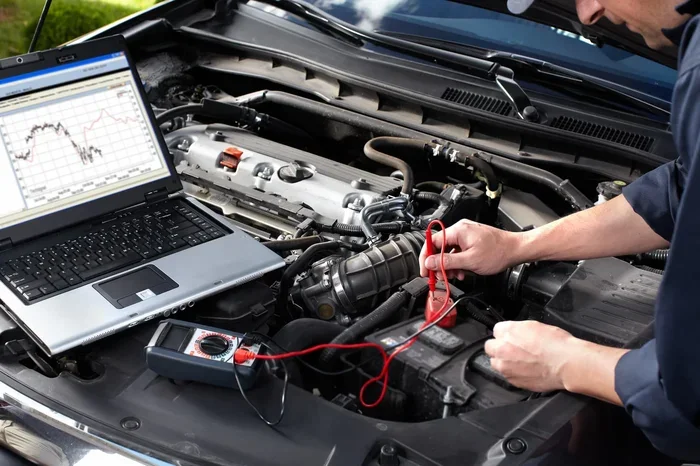
Use a multimeter to test coil resistance. Compare your readings to factory specs. If the resistance is outside the acceptable range, replace the coil. Also inspect the ignition module for heat damage. The Screamin Eagle 110 runs hot, and the ignition module is vulnerable to heat-related failure.
Quick Tip: Apply dielectric grease to spark plug boots after installation. This prevents moisture intrusion and makes future removal easier. It is a tiny step that protects your ignition system from corrosion.
Valve and Compression Issues
Valve problems are among the more serious Screamin Eagle 110 engine problems. The valve train in this engine operates at high speed and under extreme heat. When valves go out of specification, you lose power, efficiency, and reliability.
Valve Adjustment Basics
The Screamin Eagle 110 uses hydraulic lash adjusters in most models. These self-adjusting components can still fail. When they do, you get:
- Valve train noise: Ticking or tapping sounds from the engine.
- Loss of compression: Reduced power and difficulty starting.
- Burned exhaust valve: Hot gases escape past a valve that does not seal properly.
Have your valve clearances checked every 15,000 miles. If you hear unusual noise from the valve train, do not ignore it. Adjusting valves on the 110 cubic inch engine requires precision. Even a small error can cause significant performance issues.
Compression Loss Diagnosis
Low compression is a telltale sign of internal engine wear. Use a compression tester to check each cylinder. The Screamin Eagle 110 should read between 150 and 170 PSI across both cylinders. A difference of more than 10 PSI between cylinders indicates a problem.
Common causes of compression loss include worn piston rings, damaged head gaskets, or valve seat recession. A piston ring that has failed allows combustion gases to leak past the piston. This reduces power and increases oil consumption.
If you suspect a head gasket leak, check for coolant in the oil or white smoke from the exhaust. A blown head gasket on a big twin engine is a serious repair that should not be delayed.
Oil Leaks and Lubrication Problems
Oil leaks are one of the most visible Screamin Eagle 110 engine problems. They can start small and become major headaches if left unaddressed. The 110 cubic inch engine runs at high temperatures that stress gaskets and seals over time.
Common Leak Points
These areas are notorious for leaks on the Screamin Eagle 110:
- Cam cover gaskets: The upper and lower gaskets deteriorate with age and heat cycles.
- Oil pan gasket: Vibration from riding loosens this gasket over time.
- Drain plug: Over-tightening or a worn washer causes seepage.
- Valve cover seals: Rubber seals harden and crack, allowing oil to seep out.
- Primary chain case: The rear seal can wear and leak onto the primary chain.
How to Stop Oil Leaks
First, clean the engine thoroughly. Use a degreaser to remove all old oil and grime. Then run the engine and watch for fresh leaks. This tells you exactly where the problem originates.
Replace worn gaskets with OEM-quality parts. Do not use cheap aftermarket gaskets that may not seal properly. Torque all bolts to factory specifications. Over-tightening is just as bad as under-tightening. It can warp the cover or crack the mating surface.
Check your oil level regularly. The Screamin Eagle 110 consumes more oil than smaller engines due to its high operating temperature. Use high-quality synthetic oil that withstands heat well. Change it every 5,000 miles or more frequently if you ride hard.
Quick Tip: Apply a thin layer of black RTV silicone to gasket mating surfaces before installation. This improves the seal and prevents small leaks from developing. It is a pro trick that saves a lot of frustration with oil leak issues.
Exhaust and Performance Problems
The exhaust system on the Screamin Eagle 110 handles extremely hot gases. Over time, this leads to several engine problems that affect performance and sound quality.
Exhaust Valve Issues
The exhaust valve takes the most abuse in any high-performance big twin engine. It operates at temperatures that can exceed 1,400 degrees Fahrenheit. Common problems include:
- Exhaust valve burning: Excessive heat causes the valve to erode and lose its seal.
- Carbon buildup: Deposits on the valve prevent it from closing fully.
- Warped valve head: Heat distortion creates an uneven seating surface.
Using quality fuel and keeping the air filter clean helps prevent carbon buildup. A rich fuel mixture accelerates valve damage. If you notice a loss of power or a change in exhaust sound, have the valves inspected promptly.
Performance Tuning for Better Results
Many riders install aftermarket exhaust systems on their Screamin Eagle 110. While this boosts sound and sometimes power, it changes the engine’s back pressure. This requires performance tuning to maintain proper fuel mapping.
A professional dyno tune after installing any exhaust upgrade ensures the 110 cubic inch engine runs optimally. Without retuning, you risk running lean. A lean mixture causes overheating, piston damage, and eventually catastrophic engine failure. Always pair performance upgrades with proper calibration.
Preventing Screamin Eagle 110 Engine Problems
The best way to deal with Screamin Eagle 110 engine problems is to prevent them from happening in the first place. A solid maintenance routine keeps your big twin engine healthy and powerful for years.
Essential Maintenance Schedule
Follow this simple schedule to avoid most common issues:
- Every ride: Check coolant level and look for any visible leaks.
- Every 3,000 miles: Change oil and filter. Inspect spark plugs.
- Every 5,000 miles: Replace air filter. Check fuel filter condition.
- Every 10,000 miles: Adjust valves if needed. Inspect ignition system.
- Every 15,000 miles: Flush cooling system. Inspect carburetor or fuel injectors.
- Every 25,000 miles: Perform a comprehensive engine inspection including compression test.
Common Mistakes That Cause Engine Problems
Avoid these habits that shorten the life of your 110 cubic inch engine:
- Skipping oil changes: Dirty oil loses its lubricating ability and accelerates wear.
- Ignoring warning signs: Strange noises, warning lights, or slight performance drops should never be ignored.
- Using low-quality fuel: Cheap fuel contains impurities that cause carbon buildup and injector clogging.
- Overheating repeatedly: Each overheating event causes cumulative damage that adds up quickly.
- Neglecting the cooling system: A poorly maintained cooling system is the leading cause of engine overheating.
Treat your Screamin Eagle 110 with respect and it will reward you with incredible performance and reliability. Prevention is always cheaper and easier than repair.
When to Seek Professional Help
Not every Screamin Eagle 110 engine problem should be tackled in your garage. Some repairs require specialized tools, advanced knowledge, or a professional shop environment.
Consider calling a Harley technician if you experience any of the following:
- Internal engine damage: Sounds like metal knocking or grinding from inside the engine.
- Major compression loss: Especially if both cylinders show low readings.
- Coolant in the oil: This indicates a serious internal leak that needs immediate attention.
- Electrical system failures: Complex wiring issues or recurring ignition problems.
- Engine rebuild needed: If the 110 cubic inch engine has significant wear or damage.
A qualified Harley mechanic has access to factory diagnostics and specialized equipment. They can diagnose problems faster and perform complex repairs correctly the first time. For routine maintenance and simpler fixes, DIY is rewarding and cost-effective. But know your limits and seek help when needed.
Conclusion
Screamin Eagle 110 engine problems are manageable when you understand what causes them and how to fix them. From overheating to carburetor issues, ignition failures to oil leaks, this guide has covered the most common problems riders face with their big twin engine. The key is regular maintenance, early detection, and prompt action.
Keep up with your motorcycle maintenance schedule. Pay attention to warning signs. And never underestimate the power of a simple tune-up. Your 110 cubic inch engine is a remarkable piece of engineering. With proper care, it will deliver thrilling performance for tens of thousands of miles.
Now that you know how to identify and fix the most common Screamin Eagle 110 engine problems, you are ready to take on any issue that comes your way. Ride safe, ride strong, and keep that engine running like a dream.
Frequently Asked Questions
What are the most common Screamin Eagle 110 engine problems?
The most frequent issues include overheating, carburetor or fuel delivery problems, ignition system failures, valve train noise, and oil leaks. Regular motorcycle maintenance helps prevent most of these common Screamin Eagle 110 engine problems before they become serious.
How do I prevent overheating on my Screamin Eagle 110 engine?
Keep your coolant levels topped off and flush the system every two years. Check the thermostat regularly and ensure the radiator is clean and unobstructed. A well-maintained coolant system is your best defense against engine overheating on the 110 engine.
When should I replace the spark plugs on my Screamin Eagle 110?
Replace spark plugs every 10,000 miles or sooner if you notice rough idling or misfires. Fresh plugs with the correct gap prevent engine misfire issues and keep your ignition system performing at its best on the 110 cubic inch engine.
Can I fix carburetor problems myself on the Screamin Eagle 110?
Yes, most carburetor issues can be resolved with cleaning and adjustment. Soak the carburetor in cleaner, blow out all passages with compressed air, and adjust the float level. If you are not comfortable with this, a professional performance tuning session can resolve the issue quickly.
Why is my Screamin Eagle 110 losing oil?
Oil loss on the 110 cubic inch engine is often caused by worn gaskets, especially the cam cover or oil pan gaskets. Check for visible leaks, replace damaged gaskets, and ensure you are using the correct grade of synthetic oil for high-temperature operation.
How often should I do a full engine inspection on the Screamin Eagle 110?
A comprehensive inspection including a compression test should be done every 25,000 miles. More frequent checks are recommended if you ride in extreme heat or under heavy loads. Catching compression loss or valve issues early saves you from costly engine rebuild expenses down the road.
=== META TITLE ===
Screamin Eagle 110 Engine Problems and How to Fix Them
=== URL SLUG ===
screamin-eagle-110-engine-problems-fix
=== SEO TITLE ===
Screamin Eagle 110 Engine Problems and How to Fix Them