Does Car Insurance Cover Paint Damage on Your Vehicle
Does car insurance cover paint damage? The answer depends on what caused the damage and your policy type. Comprehensive coverage typically handles non-collision issues like vandalism and hail. Collision coverage kicks in for accident-related paint damage. However, wear-and-tear and cosmetic issues are usually not covered. Understanding your auto insurance claim process can save you time and money.
Has a bird ever left its mark on your car? Or maybe a shopping cart in a parking lot left a nasty scratch. If you’ve ever wondered does car insurance cover paint damage, you’re not alone. Many drivers face this question after an unexpected blemish ruins their vehicle’s look.
The answer isn’t always straightforward. Whether your auto insurance claim will pay for paint damage depends on several factors. These include your policy type, the cause of the damage, and your specific coverage limits. Let’s break it all down so you know exactly what to expect.
Car insurance is designed to protect you from financial loss. But not every type of damage is covered. Understanding your policy coverage can save you from surprise bills and unnecessary stress. This guide will walk you through everything you need to know about insurance and paint damage.
We’ll cover when claims are approved, when they’re denied, and how to file effectively. By the end, you’ll feel confident about your car insurance options and what they mean for your vehicle’s appearance and value.
Key Takeaways
- Comprehensive coverage pays for paint damage from non-accident causes like vandalism, hail, and falling objects.
- Collision coverage applies when paint damage results from an accident you cause.
- Liability-only policies do not cover paint damage to your own vehicle.
- Filing a claim makes sense only when repair costs exceed your car insurance deductible.
- Paintless dent repair and OEM parts can affect your claim outcome and repair quality.
- Always document damage with photos and get multiple estimates before filing.
- Understanding your policy coverage prevents unexpected out-of-pocket expenses.
📑 Table of Contents
- What Does Car Insurance Cover When It Comes to Paint Damage?
- When Does Insurance Pay for Paint Damage?
- When Does Insurance NOT Cover Paint Damage?
- How to File a Claim for Paint Damage
- How Much Does Paint Repair Cost?
- Tips to Protect Your Car’s Paint and Save Money
- Does Filing a Paint Damage Claim Affect Your Insurance Rates?
- Conclusion
What Does Car Insurance Cover When It Comes to Paint Damage?
Car insurance is not one-size-fits-all. Different policy coverage types handle different situations. Knowing which type applies to your paint damage is the first step.
Liability Coverage
Liability coverage pays for damage you cause to others. It covers their car, their property, and their medical bills. But it does not cover your own vehicle. If you’re wondering whether liability insurance fixes your scratch on car problems, the answer is no. This coverage type is mandatory in most states, but it only protects other people.
Collision Coverage
Collision coverage pays for damage to your car from an accident. This includes crashes with other vehicles or objects like fences and guardrails. If you rear-ended someone and their bumper left paint on your hood, collision coverage would likely pay for repairs. This coverage is optional but often required if you have a car loan or lease.
Comprehensive Coverage
Comprehensive coverage is your best friend for non-accident paint damage. It covers things like:
- Vandalism — keying, graffiti, or intentional damage
- Hail damage — dents and paint chips from storms
- Falling objects like tree branches or debris
- Animal encounters that scratch or chip paint
- Fire damage that scorches or melts paint
- Theft-related damage during a break-in
This is the coverage type most people think of when they ask does car insurance cover paint damage. If the cause isn’t a collision, comprehensive is usually what applies.
When Does Insurance Pay for Paint Damage?
Not all paint damage leads to a payout. Insurers look at the cause, your policy, and the repair cost. Here are the most common scenarios where a claim is likely approved.
Accident-Related Paint Damage
If you were in an at-fault accident and your paint got damaged, collision coverage should cover it. This applies even if you hit a parking meter or a wall. Your insurer pays for repairs after you pay your car insurance deductible. The deductible is the amount you pay out of pocket before insurance kicks in.
For example, if your deductible is $500 and the repair costs $2,000, your insurer pays $1,500. You pay the first $500. This is why it’s important to weigh the repair cost against your deductible before filing.
Weather and Environmental Damage
Hail damage is one of the most common reasons drivers file auto insurance claims for paint issues. Hail stones can chip paint and leave hundreds of tiny dents. Comprehensive coverage handles this type of weather-related damage fully.
Other environmental causes include:
- Tree sap that eats through clear coat
- Bird droppings that corrode paint
- Fallen tree branches during storms
- Flood water that damages paint and body panels
All of these fall under comprehensive coverage. Just make sure your policy includes it before you need it.
Vandalism and Theft
If someone intentionally damages your car’s paint, comprehensive coverage has you covered. This includes keying, smashing windows, or graffiti. Even if the paint damage comes with broken glass or a damaged mirror, the claim usually covers it all.
Quick Tip: Always report vandalism to the police first. Your insurer will likely ask for a police report number before processing your claim.
When Does Insurance NOT Cover Paint Damage?
Understanding what’s not covered is just as important as knowing what is. Many drivers assume their car insurance covers everything. That’s simply not true.
Wear and Tear
Insurance does not cover normal wear and tear. If your paint is fading from sun exposure or chipping from age, that’s not a covered event. Car insurance is for sudden, unexpected damage. Gradual deterioration falls under maintenance, which is your responsibility.
Cosmetic-Only Issues
Minor cosmetic issues like small chips or slight fading usually don’t warrant a claim. If the repair cost is close to or below your deductible, filing a claim doesn’t make financial sense. You’re better off paying out of pocket for small paint repair cost issues.
Missing Coverage Types
If you only carry liability insurance, your own vehicle’s paint damage won’t be covered. Liability-only policies protect others, not you. Similarly, if you don’t have comprehensive coverage, weather-related or vandalism damage won’t be paid for.
Intentional Damage
Insurers do not cover damage you cause intentionally. If you scratch your own car on purpose, that’s not a covered claim. This also applies to damage caused during illegal activities.
Common Mistakes That Lead to Denied Claims
Here are some mistakes that can get your auto insurance claim denied:
- Failing to report damage promptly
- Not having enough documentation or photos
- Waiting too long to file a claim
- Driving without the proper coverage type
- Providing incomplete or inaccurate information
Expert Insight: According to industry professionals, the number one reason claims get denied is delayed reporting. Always contact your insurer as soon as damage occurs, even if you’re not sure you’ll file a claim.
How to File a Claim for Paint Damage
Filing an auto insurance claim for paint damage doesn’t have to be complicated. Follow these steps to make the process smooth.
Step 1: Document the Damage
Before you do anything else, take photos. Capture every angle of the paint damage. Include close-ups of scratches, dents, or chips. Also photograph the surrounding area so the insurer can see the full context.
Write down what happened while it’s fresh in your mind. Note the date, time, location, and any witnesses. This information helps your insurance adjuster process your claim faster.
Step 2: Contact Your Insurance Company
Call your insurer or use their app to start the claim. Have your policy number ready. Describe the damage clearly and honestly. Don’t exaggerate or downplay the issue. Accuracy matters.
Step 3: Get an Estimate
Your insurer may require an official estimate from a licensed repair shop. Some companies have preferred shops. Others let you choose. Get at least two estimates so you know the fair paint repair cost.
Step 4: Choose Your Repair Method
There are different ways to fix paint damage. Understanding your options helps you make informed decisions.
| Repair Method | Best For | Cost Range | Insurance Coverage |
|---|---|---|---|
| Paintless Dent Repair | Small dents without paint damage | $50 – $150 per dent | Comprehensive or Collision |
| Spot Paint Repair | Small chips and scratches | $150 – $400 | Comprehensive or Collision |
| Full Panel Repaint | Large areas of damage | $1,000 – $4,000+ | Comprehensive or Collision |
| OEM Parts Replacement | Severe damage with part replacement | $2,000 – $10,000+ | Comprehensive or Collision |
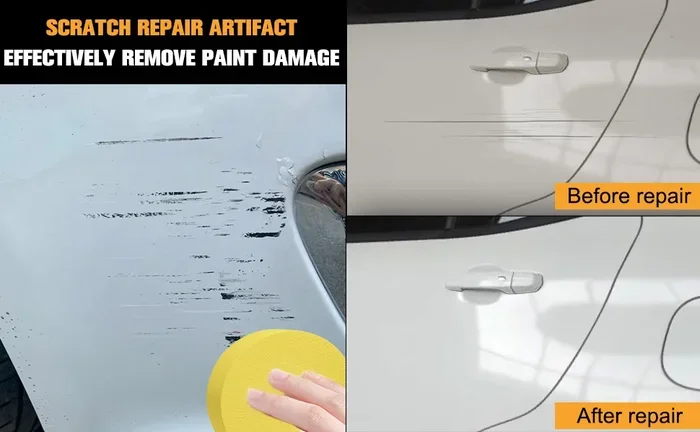
Paintless dent repair is a popular option for minor dents. It preserves the original paint and costs less. For deeper scratches that reach the base coat, a full repaint may be necessary. Ask your repair shop which method they recommend for your specific scratch on car issue.
Step 5: Pay Your Deductible
Once the claim is approved, you’ll pay your car insurance deductible. The insurer covers the rest up to your policy limits. After that, the repair shop bills the insurance company directly in most cases.
Key Takeaways:
- Always document damage with clear photos and written notes.
- Report damage to your insurer as soon as possible.
- Get multiple repair estimates before committing to a shop.
- Understand the difference between OEM parts and aftermarket parts.
- Pay your deductible upfront; the insurer handles the rest.
How Much Does Paint Repair Cost?
The paint repair cost varies widely depending on the severity and type of damage. Here’s a realistic breakdown.
Minor Damage
Small chips and shallow scratches typically cost between $150 and $400 to repair. Spot paint repair or touch-up work falls in this range. These repairs are quick and usually don’t require a full insurance claim.
Moderate Damage
Medium-sized dents or scratches that reach the primer cost between $400 and $1,200. This often involves paintless dent repair combined with spot painting. If you have comprehensive coverage, this is a good scenario for filing a claim.
Severe Damage
Large areas of damaged paint or full panel damage can cost $1,500 to $5,000 or more. Full panel repaints, OEM parts replacement, and color matching all add to the expense. This is where auto insurance claims really make a difference.
Quick Tip: Before filing a claim, compare the repair cost to your deductible plus your potential premium increase. Sometimes paying out of pocket saves you money in the long run.
Tips to Protect Your Car’s Paint and Save Money
Prevention is always better than repair. Here are practical ways to protect your car’s paint and reduce the need for auto insurance claims.
Park Smart
Always park in a garage when possible. If that’s not an option, choose covered parking or spots away from high-traffic areas. Avoid parking under trees where sap and bird droppings can damage paint.
Use a Car Cover
A quality car cover protects against UV rays, bird droppings, and minor scratches. It’s an affordable way to preserve your paint job and avoid costly car body repair bills.
Wash and Wax Regularly
Regular washing removes contaminants that eat away at paint. Waxing adds a protective layer that shields against UV damage and minor scratches. This simple habit extends the life of your paint significantly.
Address Damage Promptly
Small chips and scratches worsen over time. Moisture gets into exposed areas and causes rust. Fixing minor paint damage early prevents expensive repairs later.
Review Your Policy Annually
Make sure your policy coverage matches your current needs. If you live in an area prone to hail or vandalism, comprehensive coverage is essential. Reviewing your insurance premium annually ensures you’re not paying for coverage you don’t need or missing coverage you do.
Expert Insight: Insurance agents recommend keeping your comprehensive deductible between $100 and $500 for optimal protection. A lower deductible means you’re more likely to file claims for smaller repairs, which keeps your vehicle in better shape over time.
Does Filing a Paint Damage Claim Affect Your Insurance Rates?
This is one of the most common concerns drivers have. The short answer is: it depends.
If you file a claim for paint damage under comprehensive coverage, it may or may not raise your rates. Many insurers treat comprehensive claims differently than accident claims. Non-at-fault incidents like vandalism or hail damage are often viewed as unavoidable.
However, if you file multiple claims in a short period, your insurer may flag you as a higher risk. This could lead to higher insurance premiums at renewal time. The key is to be strategic about when you file.
If the repair cost is significantly higher than your deductible, filing makes sense. If it’s close to your deductible amount, paying out of pocket might be the smarter choice.
Conclusion
So, does car insurance cover paint damage? The answer is yes, but only under the right circumstances. Comprehensive coverage handles most non-accident paint damage like vandalism, hail, and weather-related issues. Collision coverage covers paint damage from accidents you cause. Liability-only policies do not cover your own vehicle’s damage.
Understanding your policy coverage is the foundation of making smart insurance decisions. Document your damage, file claims promptly, and weigh the costs before deciding. Knowing when to file and when to pay out of pocket saves you money and stress.
Take time today to review your car insurance policy. Make sure you have the right coverage types for your situation. A few minutes of review now can prevent major headaches later. Your vehicle’s paint job and your wallet will thank you.
Frequently Asked Questions
Does full coverage car insurance cover paint damage?
Full coverage typically includes both collision and comprehensive coverage. This means paint damage from accidents, vandalism, hail, and other non-collision events is usually covered. However, normal wear and tear or cosmetic issues are not included. Always check your specific policy details to confirm your policy coverage limits.
Will my insurance rates go up after filing a paint damage claim?
It depends on the type of claim and your insurer’s policies. Comprehensive claims for non-accident damage like vandalism or hail often don’t raise rates significantly. However, at-fault collision claims may increase your insurance premium. Filing multiple claims in a short time frame is more likely to trigger a rate hike.
What is the best repair method for paint damage covered by insurance?
The best method depends on the severity of the damage. Paintless dent repair works well for small dents without paint breaks. Spot paint repair suits minor chips and scratches. Full panel repaints are needed for extensive damage. Your insurance adjuster and repair shop can recommend the right approach for your situation.
How long does it take for an insurance claim for paint damage to be processed?
Most auto insurance claims for paint damage are processed within one to two weeks. Simple claims with clear documentation move faster. Complex claims requiring multiple estimates or OEM parts sourcing may take longer. Staying organized with photos and paperwork speeds up the insurance claim process.
Should I file a claim for small paint damage?
It depends on the repair cost compared to your car insurance deductible. If the repair is below or close to your deductible, paying out of pocket is usually better. Filing small claims can lead to premium increases that cost more than the repair itself. Save claims for significant damage that exceeds your deductible by a comfortable margin.
Does car insurance cover paint damage from a car wash?
Generally, no. Damage from a car wash is considered maintenance-related or wear and tear, which insurance does not cover. If a car wash machine breaks and causes damage, the car wash’s liability insurance may be responsible. Always check with your insurer, but paint damage from routine car washing is typically not a covered event.