Does Car Insurance Cover Golf Cart Accident Injuries
Many drivers assume their auto policy covers golf cart accidents, but the answer is not always yes. Whether your car insurance covers golf cart accident injuries depends on your policy type, state laws, and how you use the cart. This guide breaks down coverage types, common exclusions, and practical steps to protect yourself and your family from unexpected costs.
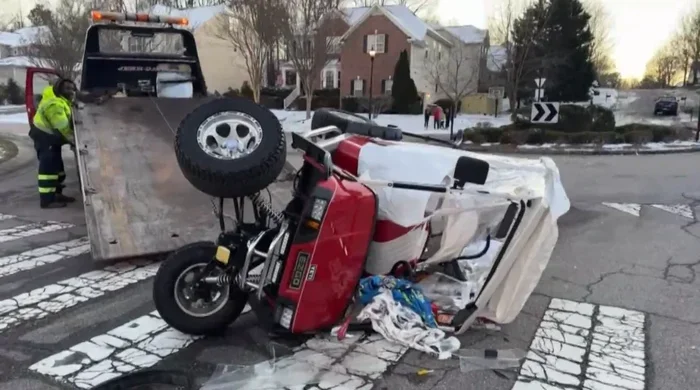
You just got into a golf cart accident. Maybe someone hit your cart at a crosswalk. Maybe you rolled your cart on a steep driveway. Either way, someone is hurt, and the bills are starting to pile up. Your first thought? “Does car insurance cover golf cart accident injuries?”
The answer is not as simple as you might hope. It depends on your policy, your state, and how the accident happened. Many drivers assume their auto policy covers everything, but that is not always true. Golf carts sit in a gray area between regular vehicles and recreational equipment. And that gray area can cost you a lot of money if you are not careful.
This article breaks down everything you need to know. We will cover what standard auto policies do and do not cover. We will look at homeowners insurance, umbrella policies, and state-specific rules. By the end, you will know exactly where you stand and how to protect yourself.
Key Takeaways
- Standard auto policies often exclude golf carts: Most car insurance policies treat golf carts as off-road vehicles and may not cover injuries.
- Coverage depends on how you use the cart: If a golf cart causes an accident on a public road, your auto policy might respond differently than for private property use.
- Homeowners insurance may step in: Some homeowners policies cover golf cart injuries that occur on your property or from your cart.
- Umbrella policies add extra protection: An umbrella policy can fill gaps left by your auto and homeowners coverage.
- State laws matter: Golf cart regulations vary widely, and your legal status affects how insurance applies.
- Adding a golf cart endorsement is smart: Some insurers offer specific add-ons for golf cart and recreational vehicle coverage.
- Always check your policy documents: Reviewing your policy is the best way to know exactly what is covered.
📑 Table of Contents
- Understanding Golf Carts and Insurance Categories
- Does Your Auto Policy Cover Golf Cart Injuries?
- Homeowners Insurance and Golf Cart Injuries
- Umbrella Policies and Extra Protection
- State Laws and Golf Cart Regulations
- How to Get the Right Coverage for Your Golf Cart
- Common Mistakes People Make with Golf Cart Insurance
- Expert Insights on Golf Cart Accident Coverage
- Key Takeaways
- Conclusion
Understanding Golf Carts and Insurance Categories
Before we dive into coverage, let us talk about what a golf cart actually is in the eyes of insurance companies. This matters more than most people realize.
What Counts as a Golf Cart?
A golf cart is a small vehicle designed to carry players and equipment around a golf course. Most golf carts are electric. They usually top out at 15 miles per hour. They do not have the same safety features as cars, like airbags or crumple zones.
But here is where it gets tricky. Some golf carts are modified to go faster. These are often called “street-legal golf carts” or “low-speed vehicles.” Insurance companies treat these differently than standard carts. A modified cart that can hit 35 miles per hour may be classified closer to a regular vehicle.
Your insurance company will look at the make, model, speed, and how you use the cart. This classification directly affects your coverage.
How Insurers Classify Golf Carts
Insurance companies generally fall golf carts into one of three categories:
- Recreational vehicles: Standard carts used only on private property or golf courses.
- Low-speed vehicles (LSVs): Modified carts that can legally drive on public roads in some states.
- Off-road vehicles (ORVs): Carts or utility vehicles used for recreation on unpaved surfaces.
Each category has different insurance implications. A standard recreational cart is the hardest to cover under a regular auto policy. An LSV that is street-legal has a better chance of being covered.
Does Your Auto Policy Cover Golf Cart Injuries?
This is the big question most people want answered. Let us look at how standard auto insurance handles golf cart accidents.
What a Typical Auto Policy Covers
A standard auto policy includes several types of coverage. Each one works differently when it comes to golf carts.
- Bodily injury liability: Covers injuries you cause to others. If your golf cart hits someone, this coverage may pay their medical bills.
- Property damage liability: Covers damage your cart causes to someone else’s property.
- Medical payments coverage: Pays for your own injuries regardless of who caused the accident.
- Uninsured motorist coverage: Protects you if an uninsured driver hits your cart.
Sounds great, right? But here is the catch. Most auto policies have exclusions for vehicles not designed for road use. Golf carts often fall into this exclusion.
The Exclusion Problem
Most standard auto policies include a vehicle exclusion clause. This clause typically excludes coverage for vehicles not registered, insured, or designed for road use. Since most golf carts are not street-legal, they often fall under this exclusion.
However, the exclusion usually applies when the cart is being used as a regular vehicle. If your cart is parked in your driveway and gets hit by a car, your auto policy may still cover the damage. The key difference is how and where the cart was being used at the time of the accident.
For example, if you are driving your golf cart on a public road and get into an accident, your auto insurer may deny the claim entirely. They will argue the cart was not a covered vehicle.
When Auto Insurance Might Cover Golf Cart Accidents
There are some situations where your auto policy may actually respond to a golf cart accident:
- Your cart is classified as an LSV: If your cart meets the legal definition of a low-speed vehicle in your state, it may be covered.
- The accident involves another insured vehicle: If a car hits your golf cart, the driver’s auto policy may cover your injuries.
- You have a specific endorsement: Some insurers offer golf cart or recreational vehicle endorsements that extend your auto coverage.
Always read your policy documents carefully. Call your insurance agent and ask directly whether golf carts are covered. Do not assume.
Homeowners Insurance and Golf Cart Injuries
If your auto policy does not cover golf cart accidents, where does that leave you? Many people are surprised to learn that homeowners insurance may offer some protection.
How Homeowners Coverage Applies
Homeowners insurance typically covers injuries that happen on your property. If someone gets hurt by your golf cart in your driveway or backyard, your homeowners policy may kick in.
Your homeowners policy includes personal liability coverage. This coverage pays for injuries you or your family members cause to others. It also covers property damage. So if your golf cart crashes into your neighbor’s fence, this coverage can help.
But there are limits. Homeowners policies often exclude injuries from vehicles not registered for road use. They may also exclude injuries that occur while operating a vehicle on a public road.
Medical Payments Coverage on Homeowners Policies
Many homeowners policies include medical payments coverage. This is sometimes called “med pay.” It pays for minor medical bills for anyone injured on your property, regardless of fault.
If a guest gets slightly injured by your golf cart in your yard, med pay can cover their emergency room visit. This coverage usually has low limits, like $1,000 to $5,000. But it can be a lifesaver for small claims.
When Homeowners Insurance Will Not Help
Homeowners insurance will not cover everything. Here are common situations where it will not apply:
- The injury happened on a public road or sidewalk.
- The cart was being used for commercial purposes.
- The injury resulted from a racing or reckless use of the cart.
- The policy has a specific vehicle exclusion.
Knowing these limits helps you avoid surprises when you file a claim.
Umbrella Policies and Extra Protection
If you have significant assets, an umbrella insurance policy is one of the best things you can do. An umbrella policy provides extra liability coverage above your auto and homeowners limits.
How Umbrella Coverage Works for Golf Carts
An umbrella policy typically follows the same rules as your underlying policies. If your auto or homeowners policy covers a golf cart injury, your umbrella policy extends that coverage. But if your base policy excludes golf carts, the umbrella policy will usually not cover the claim either.
However, some umbrella policies are more flexible. They may cover injuries from recreational vehicles that your auto policy excludes. This is why it is so important to read the fine print and ask your insurer specific questions.
Who Needs an Umbrella Policy?
Consider an umbrella policy if:
- You own a golf cart and use it frequently.
- You have significant savings or assets to protect.
- You live in a community where golf carts are common.
- You have a pool, trampoline, or other liability risks on your property.
A good umbrella policy costs between $150 and $300 per year for $1 million in coverage. That is a small price for big protection.
State Laws and Golf Cart Regulations
Insurance and law go hand in hand when it comes to golf carts. Your state’s rules about where golf carts can drive directly affect how insurance applies.
States Where Golf Carts Are Street-Legal
Some states allow golf carts on certain public roads. These states often require golf carts to meet specific safety standards. For example, Florida is famous for its golf cart-friendly roads. Many communities in Florida allow carts on designated streets with speed limits of 35 miles per hour or less.
Other states that allow street-legal golf carts include:
- South Carolina
- Georgia
- Texas
- North Carolina
- Colorado
- Alabama
Each state has its own rules about registration, insurance, and licensing. Check your local Department of Motor Vehicles for the latest regulations.
How State Laws Affect Your Insurance
If your state allows golf carts on public roads, your auto insurer is more likely to cover them. Some insurers even offer specific golf cart or LSV policies. These policies are designed for vehicles that do not fit the traditional car or truck model.
In states where golf carts are strictly off-road vehicles, your auto policy is less likely to cover them. You may need a separate recreational vehicle policy or a homeowners policy to fill the gap.
Golf Cart Accidents on Private Property
Most golf cart accidents happen on private property. Golf courses, neighborhoods, and private driveways are the most common locations. If your cart injures someone on your property, your homeowners policy is usually the first line of defense.
But even on private property, things get complicated. If your cart hits a guest while they are walking, your liability coverage applies. If your guest was trespassing, the situation changes. Always know the rules of liability on your property.
How to Get the Right Coverage for Your Golf Cart
If you own a golf cart, you need the right insurance. Here is how to make sure you are protected.
Step 1: Review Your Current Policies
Start by reading your auto and homeowners policies. Look for vehicle exclusions, recreational vehicle clauses, and liability limits. Call your agent if anything is unclear. It is better to ask now than to discover a coverage gap after an accident.
Step 2: Ask About Endorsements
Many insurers offer endorsements or riders for golf carts and recreational vehicles. An endorsement adds specific coverage to your existing policy. These endorsements are usually affordable and can make a big difference.
Ask your agent about:
- Golf cart liability coverage
- Medical payments for cart passengers
- Property damage coverage for cart-related claims
- Uninsured motorist coverage for cart accidents
Step 3: Consider a Standalone Golf Cart Policy
Some insurance companies offer standalone policies for golf carts and other recreational vehicles. These policies are designed for the unique risks of cart ownership. They often include liability, medical payments, and physical damage coverage.
A standalone policy is especially worth it if you use your cart frequently or let family members drive it. The cost is usually reasonable, often between $200 and $500 per year.
Step 4: Follow Safety Best Practices
Insurance companies look at risk when setting premiums and paying claims. You can lower your risk and potentially your rates by following safety best practices:
- Always wear a seatbelt or harness if your cart has one.
- Never drive under the influence of alcohol.
- Follow all local golf cart laws and speed limits.
- Keep your cart well-maintained and in good working order.
- Train all drivers on safe cart operation.
- Install mirrors, lights, and other safety accessories if your cart is street-legal.
These steps not only keep you safe but also show insurers you are a responsible owner. That can help when you file a claim.
Step 5: Document Everything After an Accident
If a golf cart accident does happen, document everything. Take photos of the scene, the vehicles involved, and any injuries. Get contact information from witnesses. File a police report if the accident occurred on a public road.
Good documentation makes the claims process smoother and faster. It also protects you if the other party disputes what happened.
Common Mistakes People Make with Golf Cart Insurance
Avoid these common mistakes to keep your coverage solid and your wallet safe.
- Assuming your auto policy covers everything: Most standard auto policies exclude golf carts. Always verify.
- Not reading the policy exclusions: The fine print matters. Know what is not covered as well as what is.
- Letting friends drive your cart without checking coverage: If a friend crashes your cart, your insurance may or may not respond depending on your policy.
- Ignoring state laws: Using a cart on a road where it is not street-legal can void your coverage.
- Skipping insurance because the cart is slow: Even low-speed carts can cause serious injuries. The cost of a claim can far exceed the cost of coverage.
Expert Insights on Golf Cart Accident Coverage
Insurance experts consistently advise golf cart owners to be proactive about coverage. According to industry professionals, the biggest mistake cart owners make is assuming they are covered under a standard auto policy.
“Most people do not realize that their golf cart falls into a coverage gap,” says a licensed insurance agent based in Florida. “They drive it around the neighborhood and assume their auto policy has them covered. When an accident happens, they are shocked to find out it does not.”
Experts recommend a three-layer approach to golf cart protection:
- A homeowners policy for property-based incidents.
- A golf cart endorsement or standalone policy for on-road and recreational use.
- An umbrella policy for extra liability protection.
This layered approach ensures you have coverage no matter where or how the accident happens.
Key Takeaways
- Standard auto policies often exclude golf carts: Most car insurance policies treat golf carts as off-road vehicles and may not cover injuries.
- Coverage depends on how you use the cart: If a golf cart causes an accident on a public road, your auto policy might respond differently than for private property use.
- Homeowners insurance may step in: Some homeowners policies cover golf cart injuries that occur on your property or from your cart.
- Umbrella policies add extra protection: An umbrella policy can fill gaps left by your auto and homeowners coverage.
- State laws matter: Golf cart regulations vary widely, and your legal status affects how insurance applies.
- Adding a golf cart endorsement is smart: Some insurers offer specific add-ons for golf cart and recreational vehicle coverage.
- Always check your policy documents: Reviewing your policy is the best way to know exactly what is covered.
Conclusion
So, does car insurance cover golf cart accident injuries? The honest answer is: it depends. Your standard auto policy may or may not respond to a golf cart claim. Homeowners insurance may help for property-based incidents. And an umbrella policy can provide an extra safety net.
The best thing you can do is take action now. Review your current policies. Ask your insurance agent about golf cart coverage. Consider an endorsement or standalone policy. And always follow safety guidelines when operating your cart.
Golf carts are fun, convenient, and a great way to get around. But they are not toys. They can cause serious injuries, and those injuries can come with big medical bills. Protect yourself, your family, and your assets by making sure you have the right coverage in place.
Do not wait until after an accident to find out what your policy does and does not cover. Take the time today to understand your insurance and fill any gaps. Your future self will thank you.
Frequently Asked Questions
Will my auto insurance cover a golf cart accident on a golf course?
Most auto policies exclude golf carts used on golf courses. However, if your homeowners policy covers recreational activities on your property, it may provide some coverage. Check both policies and ask your agent for clarification.
Can I add golf cart coverage to my existing auto policy?
Yes, many insurers offer golf cart endorsements or riders. These add-ons extend your auto coverage to include golf carts and other recreational vehicles. Contact your insurance provider to see if this option is available for your policy.
What happens if my golf cart injures someone on a public road?
If your golf cart is street-legal in your state, your auto policy may cover the injury. If it is not street-legal, your auto insurer may deny the claim. In that case, homeowners insurance or a standalone golf cart policy may be your only source of coverage.
Do I need a separate insurance policy for my golf cart?
It depends on how you use your cart and your state laws. If you use your cart on public roads, a standalone policy or endorsement is highly recommended. For casual use on private property, your homeowners policy may be sufficient.
Are golf cart passengers covered under my insurance?
This depends on your policy. Some auto and homeowners policies cover passengers injured in a golf cart accident. Others exclude them. Always review your policy’s passenger and medical payments coverage details.
How much does golf cart insurance cost?
A standalone golf cart policy typically costs between $200 and $500 per year. Endorsements added to an existing auto policy are usually cheaper, often $100 to $250 per year. The cost depends on your cart type, usage, and location.