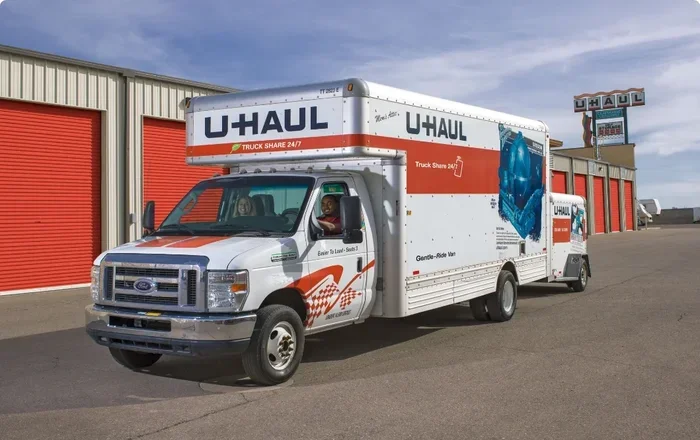
Does Car Insurance Cover U-Haul Rentals and Trucks
Does car insurance cover U-Haul rentals? The answer depends on your policy type and the specific protection you have. Many standard auto policies offer limited U-Haul coverage for liability, but they often fall short on physical damage to the rental truck. Understanding your auto insurance policy before you rent can save you from unexpected out-of-pocket costs. This guide breaks down every coverage type, common gaps, and smart steps to protect yourself during your move.
Planning a move is stressful enough without worrying about insurance. Whether you are renting a small pickup or a massive 26-foot truck, the question does car insurance cover U-Haul rentals is one of the most common concerns. Many people assume their personal auto policy automatically extends to any vehicle they drive. That assumption can lead to costly surprises when something goes wrong.
The truth is that insurance coverage for rental trucks is more complicated than most people think. Your standard auto insurance policy was designed for your personal vehicle, not a large moving truck. Understanding the differences can help you make smarter decisions and avoid financial risk during your next relocation.
In this article, we will walk through every angle of U-Haul coverage. You will learn what your car insurance typically covers, what it usually does not, and how U-Haul’s own insurance products fit into the picture. By the end, you will know exactly what protection you have and what gaps you need to fill.
Key Takeaways
- Standard car insurance may cover liability for U-Haul rentals, but physical damage coverage is often limited or excluded.
- U-Haul offers its own rental insurance options, including liability, collision damage waiver, and cargo coverage.
- Your personal auto policy might not cover large trucks like 15-foot or 26-foot U-Hauls due to vehicle size restrictions.
- Checking your coverage before renting helps you avoid gaps and unexpected expenses during a move.
- Credit card rental benefits sometimes provide secondary protection, but they rarely cover large rental trucks.
- Non-owned vehicle coverage in your policy may extend to rental trucks, but with strict limits.
- Filing an insurance claim after a U-Haul incident requires clear documentation and understanding of your deductible.
📑 Table of Contents
- Understanding How Car Insurance Works for Rental Vehicles
- What U-Haul Offers in Terms of Insurance
- Does Your Personal Auto Policy Cover U-Haul Trucks?
- Common Insurance Gaps When Renting a U-Haul
- How to Protect Yourself Before You Rent
- Expert Insights on Rental Truck Insurance
- Key Takeaways
- Frequently Asked Questions
- Conclusion
Understanding How Car Insurance Works for Rental Vehicles
Most drivers carry a basic auto insurance policy. That policy was built around your specific vehicle. When you rent a U-Haul truck, you are driving a completely different vehicle. This creates what experts call an insurance gap. Understanding how this gap works is the first step toward protecting yourself.
Liability Coverage and U-Haul Rentals
Liability coverage is the part of your policy that pays for damage you cause to other people or their property. In most cases, your liability coverage does follow you when you rent a U-Haul. This means if you accidentally hit another vehicle or damage a fence while driving a rental truck, your personal insurance may step in.
However, there is an important catch. Liability coverage for rental trucks often has lower limits than what you carry for your personal vehicle. Some insurers treat the U-Haul as a non-owned vehicle and reduce their payout. Always call your insurance provider before you rent to confirm your liability limits apply to larger trucks.
Collision and Comprehensive Coverage
Collision coverage pays for damage to your own vehicle after an accident. Comprehensive coverage handles non-accident damage like theft or weather. When it comes to rental truck insurance, these coverages behave differently.
Most standard policies do not automatically extend collision or comprehensive protection to rental trucks. If you crash a U-Haul and your policy lacks this extension, you could be responsible for the full cost of repairs. This is one of the biggest insurance gaps people face during a move.
What U-Haul Offers in Terms of Insurance
U-Haul understands that renters worry about coverage. That is why the company offers several rental truck insurance options at the counter. These products are designed to fill the gaps left by personal auto policies.
U-Haul’s Liability Protection
U-Haul provides its own U-Haul liability coverage. This protects you if you cause damage to other vehicles, property, or injuries during your rental. The coverage typically starts at a basic level and can be upgraded for an additional daily fee.
This is different from your personal auto liability. U-Haul’s liability is specific to the rental period and the truck itself. It does not replace your existing policy but works alongside it. Many renters choose this option for peace of mind, especially during long moves or one-way rentals.
Collision Damage Waiver
The collision damage waiver, or CDW, is one of the most popular add-ons U-Haul offers. If you purchase the CDW, U-Haul waives your financial responsibility for damage to the rental truck. This means that if you dent the trailer or scrape the undercarriage on a curb, U-Haul absorbs the cost.
The CDW is not insurance in the traditional sense. It is more like a protective agreement. It does cost extra, but for many renters, the price is worth the protection. Without it, a single accident could leave you paying thousands of dollars out of pocket.
Cargo and Personal Effects Coverage
U-Haul also offers coverage for the belongings inside the truck. This cargo coverage protects your personal items from damage or theft during the move. It is especially valuable if you are transporting furniture, electronics, or other high-value items.
Keep in mind that your standard auto policy almost never covers cargo inside a rental truck. Homeowner’s insurance may cover some items, but the claims process can be slow and complicated. Cargo coverage from U-Haul provides a faster, simpler path to reimbursement.
Does Your Personal Auto Policy Cover U-Haul Trucks?
This is the million-dollar question. The short answer is: it depends. The longer answer requires looking at several factors that vary from one policy to the next.
Vehicle Size and Weight Restrictions
Most personal auto policies have vehicle size limits. They are designed for cars, SUVs, and light trucks. When you rent a 15-foot or 26-foot U-Haul, you are stepping into a much larger vehicle category. Many insurers classify these trucks as commercial vehicles, which fall outside standard personal coverage.
If your policy excludes vehicles over a certain weight, your auto insurance policy may not apply at all. This is a critical point to verify before you sign any rental agreement. Calling your insurance agent takes five minutes and can save you from a major headache later.
Non-Owned Vehicle Coverage
Some auto policies include what is called non-owned vehicle coverage. This provision extends your protection to vehicles you do not own. It can sometimes apply to rental cars and smaller trucks.
However, non-owned coverage often has strict limits. It may not apply to vehicles over a certain size or weight. It may also exclude vehicles used for business purposes, which some insurers consider a move to be. Always read the fine print and ask your agent directly about non-owned vehicle coverage for rental trucks.
Towing and Trailer Coverage
If you are towing a trailer behind your personal vehicle while renting a U-Haul, the situation gets even more complex. Towing coverage is a separate component of some policies. Without it, damage caused by a trailer may not be covered at all.
U-Haul trucks often come with towing capability for smaller trailers. If you plan to tow, confirm that your towing coverage extends to the rental truck and any attached trailer. This is an area where many renters discover unexpected gaps in their protection.
Common Insurance Gaps When Renting a U-Haul
Even careful drivers can find themselves unprotected. Knowing the common gaps helps you avoid them.
Gap Between Personal Policy and Rental Trucks
The most common gap is the difference between what your personal policy covers and what a U-Haul requires. Your policy covers your car. A U-Haul is not your car. Insurers sometimes deny claims for rental trucks because the vehicle does not match the insured vehicle on the policy.
Deductible Concerns
Even if your coverage technically applies, you still face your deductible. For a large rental truck, the repair costs can be high. Your deductible might be $500 or $1,000, which means you pay that amount before your insurance kicks in. Some renters find that paying U-Haul’s daily fee is cheaper than dealing with a high deductible after an accident.
One-Way Rental Complications
One-way rentals add another layer of complexity. When you pick up a truck in one city and drop it off in another, the rental period and mileage increase. This raises your exposure to risk. Some policies limit coverage for one-way rentals or exclude them entirely. Always confirm your one-way rental coverage with both your insurer and U-Haul.
How to Protect Yourself Before You Rent
Preparation is your best defense against insurance surprises. Taking a few simple steps before you rent can give you complete confidence.
Step 1: Call Your Insurance Provider
Before you book any U-Haul rental, call your insurance company. Ask them directly whether your auto insurance policy covers rental trucks. Get the answer in writing if possible. Note the name of the representative and the date of the call. This documentation can be invaluable if you ever need to file a claim.
Step 2: Review U-Haul’s Insurance Options
Once you know what your personal policy covers, review U-Haul’s offerings. Compare the daily cost of their insurance products against your potential out-of-pocket risk. For a short local move, you might not need extra coverage. For a cross-country relocation, the investment is almost always worth it.
Step 3: Document Everything
When you pick up the truck, take photos of every angle. Note any existing damage on the rental agreement. Document the odometer reading and the fuel level. If an incident occurs later, this documentation strengthens your insurance claim and speeds up the process.
Step 4: Check Your Credit Card Benefits
Some credit cards offer rental car insurance as a perk. However, most credit card benefits are designed for passenger vehicles, not large rental trucks. Do not assume your credit card covers a U-Haul. Call your card issuer and ask specifically about rental car insurance for trucks over a certain size.
Step 5: Consider Short-Term Rental Insurance
If your personal policy does not cover U-Haul rentals, consider purchasing short-term rental insurance. Several companies offer daily or weekly policies specifically for rental vehicles. These policies can provide comprehensive and collision coverage at a reasonable price. It is a smart safety net for any major move.
Expert Insights on Rental Truck Insurance
Insurance professionals consistently advise renters to never assume coverage. According to industry experts, the majority of rental truck claims are denied because the renter believed their personal policy applied. The reality is that most standard policies exclude large commercial vehicles.
Experts also emphasize the importance of understanding the difference between a waiver and insurance. U-Haul’s collision damage waiver is not the same as full coverage insurance. A waiver removes your financial responsibility, but it does not provide the same protections as a traditional policy. Knowing this distinction helps you make informed choices at the rental counter.
Another expert tip is to never rent a truck larger than your policy covers. If your personal auto insurance only extends to vehicles under 10,000 pounds, do not rent a truck that exceeds that weight. Staying within your coverage limits is the simplest way to avoid a claim denial.
Key Takeaways
- Standard car insurance may cover liability for U-Haul rentals, but physical damage coverage is often limited or excluded.
- U-Haul offers its own rental insurance options, including liability, collision damage waiver, and cargo coverage.
- Your personal auto policy might not cover large trucks like 15-foot or 26-foot U-Hauls due to vehicle size restrictions.
- Checking your coverage before renting helps you avoid gaps and unexpected expenses during a move.
- Credit card rental benefits sometimes provide secondary protection, but they rarely cover large rental trucks.
- Non-owned vehicle coverage in your policy may extend to rental trucks, but with strict limits.
- Filing an insurance claim after a U-Haul incident requires clear documentation and understanding of your deductible.
Frequently Asked Questions
Will my personal car insurance cover a U-Haul rental truck?
It depends on your specific policy. Most standard auto policies offer some liability coverage that extends to rental trucks. However, collision and comprehensive coverage often do not apply to larger vehicles like U-Hauls. Always verify with your insurance provider before renting.
What happens if I get into an accident while driving a U-Haul?
If you have liability coverage, your personal insurance may cover damage to other vehicles or property. For damage to the U-Haul itself, you may be responsible unless you purchased U-Haul’s collision damage waiver. Without proper coverage, accident costs can be very high.
Does U-Haul’s insurance cover damage to my personal belongings?
U-Haul offers cargo coverage that protects your belongings inside the truck. This is separate from vehicle damage coverage. However, your homeowner’s insurance may also cover some personal items. It is best to check both policies to understand your full protection.
Can I use my credit card’s rental insurance for a U-Haul truck?
Most credit card rental insurance benefits are designed for passenger cars, not large trucks. They typically exclude vehicles over a certain size or weight. Call your credit card company to confirm whether U-Haul rentals are included in your benefits.
Is U-Haul’s collision damage waiver the same as insurance?
No, it is not traditional insurance. It is a waiver that removes your financial responsibility for damage to the rental truck. It does not provide the full range of protections that a standard insurance policy offers. Think of it as a protective agreement rather than an insurance product.
How much does U-Haul’s rental insurance cost per day?
U-Haul’s insurance options vary by location and coverage level. Liability protection and cargo coverage typically cost a few dollars per day. The collision damage waiver adds another daily fee. While the cost adds up, it is usually much cheaper than paying for damage out of pocket.
Conclusion
The question does car insurance cover U-Haul rentals does not have a simple yes or no answer. Your coverage depends on your specific policy, the size of the truck, and the protections you have in place. The safest approach is to never assume and always verify before you drive off the lot.
Taking the time to understand your auto insurance policy, reviewing U-Haul’s insurance options, and documenting everything at pickup puts you in a much stronger position. You move with confidence knowing that you are protected no matter what happens on the road.
Do not let insurance confusion add stress to your move. Make the calls, ask the questions, and fill any gaps before you start hauling. A little preparation today can save you significant money and headaches tomorrow. Your next move deserves to start with complete peace of mind.