How to Change Transmission Fluid on a 2018 Honda Civic Today
Changing the transmission fluid on your 2018 Honda Civic is one of the easiest maintenance jobs you can do at home. This guide walks you through every step, from picking the right fluid to checking your level afterward. You will save money, learn what your Civic needs, and gain confidence as a DIYer.
Your 2018 Honda Civic is a reliable, fun-to-drive car. But like any vehicle, it needs regular care to keep running its best. One job many car owners overlook is changing the transmission fluid. This simple maintenance task can make a huge difference in how your car shifts, feels, and lasts. In this guide, we will walk you through how to change transmission fluid on a 2018 Honda Civic step by step. Whether you are a first-time DIYer or a seasoned wrench-turner, you will find everything you need right here.
The 2018 Honda Civic uses a CVT, or continuously variable transmission, in most trims. CVTs work differently from traditional automatic transmissions. They use a belt or chain system instead of fixed gears. This means the fluid inside plays a very important role. Fresh fluid keeps the belt or chain running smoothly. It also helps cool the transmission and prevents wear. Over time, fluid breaks down. It gets dark, dirty, and less effective. Changing it on schedule keeps your Honda Civic transmission fluid system healthy for years to come.
Many people put off this job because they think it is too hard. But the truth is, changing transmission fluid on a 2018 Honda Civic is very doable at home. You need a few basic tools, the right fluid, and about 30 to 60 minutes. This guide will show you exactly what to do. We will cover why this job matters, what supplies you need, and how to do it safely. By the end, you will feel confident tackling the job yourself.
Key Takeaways
- Use the correct fluid type: Always use Honda ATF-DW1 or the recommended transmission fluid for your 2018 Civic.
- Change interval matters: Most experts recommend a transmission fluid change every 30,000 to 60,000 miles for best performance.
- DIY saves big money: Doing it yourself can save you $100 to $200 compared to a shop visit.
- Check fluid condition: Dark or burnt-smelling fluid means it is time for a change.
- Avoid common mistakes: Overfilling, using the wrong fluid, and skipping the filter can cause serious problems.
- Know when to call a pro: If you feel unsure, a certified Honda mechanic can handle the job safely.
📑 Table of Contents
- Why Changing Your Transmission Fluid Matters
- What You Need Before You Start
- Step-by-Step Guide to Changing Transmission Fluid
- How to Check Your Transmission Fluid Level and Condition
- Transmission Fluid Change Interval for the 2018 Honda Civic
- Common Mistakes to Avoid
- When to Seek Professional Help
- Transmission Fluid Change Cost: DIY vs. Professional
- Final Thoughts on Maintaining Your 2018 Honda Civic Transmission
Why Changing Your Transmission Fluid Matters
Transmission fluid is the lifeblood of your CVT transmission. It does several important jobs at the same time. It lubricates moving parts, cools the system, and helps transfer power smoothly. When fluid gets old, it loses all of those abilities. Here is why staying on top of this maintenance task is so important.
Protects Your Transmission from Wear
Inside your 2018 Honda Civic transmission, there are many moving parts working together. The belt or chain, pulleys, and clutch packs all rely on clean fluid. Old fluid loses its lubricating power. This causes extra friction and heat. Over time, that friction leads to premature wear. Fresh fluid creates a protective layer between all those parts. It keeps everything running smoothly and reduces the risk of costly repairs.
Keeps Shifting Smooth and Responsive
One of the first signs of dirty fluid is rough or sluggish shifting. You might notice hesitation when the car changes gears. Or you might feel a slight jerk or vibration. Fresh transmission fluid ensures the CVT responds quickly and evenly. This makes your daily commute more comfortable and your car safer to drive.
Prevents Overheating
Your transmission generates a lot of heat during normal driving. The fluid absorbs that heat and carries it away. When fluid breaks down, it cannot do this job well. Overheating is one of the leading causes of transmission failure. A simple fluid change helps keep temperatures in check and extends the life of your Honda Civic drivetrain.
Saves You Money in the Long Run
A transmission fluid change costs very little compared to a full transmission rebuild or replacement. A DIY fluid change might cost you $30 to $50 in supplies. A professional repair job can easily cost $1,500 or more. Staying on top of this simple maintenance task is one of the smartest things you can do for your wallet.
What You Need Before You Start
Before you dive into the job, gather everything you need. Having all your supplies ready will make the process much smoother. Here is a complete checklist.
Required Supplies
- Honda ATF-DW1 transmission fluid or equivalent Honda-recommended fluid (about 3.5 quarts)
- New transmission fluid filter (if applicable to your model)
- Transmission fluid pan gasket
- Socket set and wrenches
- Drain pan (to catch old fluid)
- Funnel
- Jack and jack stands or ramps
- Rag or paper towels
- Torque wrench
- Gloves and safety glasses
Recommended Tools
You do not need fancy equipment for this job. A basic socket set and a torque wrench will get the job done. A fluid extractor or turkey baster can help you suction out old fluid from the fill tube. Some people also like to use a transmission fluid pump for easy filling. These are optional but very helpful. You can find most of these tools at any auto parts store for under $50 total.
Safety First
Always work on a level surface. Use jack stands if you are going under the car. Never rely on a jack alone. Let the engine cool down before you start. Hot fluid can cause burns. Wear gloves and safety glasses to protect your hands and eyes. Keep a fire extinguisher nearby just in case.
Step-by-Step Guide to Changing Transmission Fluid
Now that you have everything ready, let us get into the actual process. Follow these steps carefully and you will have fresh transmission fluid in your 2018 Honda Civic in no time.
Step 1: Lift the Car Safely
Drive your car onto ramps or use a jack to lift the front end. Place jack stands under the frame for support. Never work under a car that is only held up by a jack. Make sure the car is stable before you go underneath it.
Step 2: Locate the Drain Plug
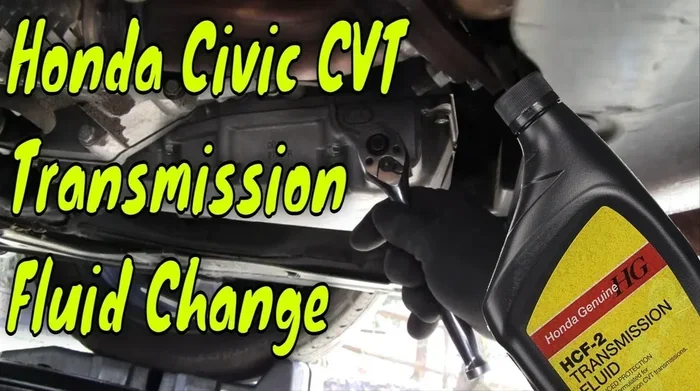
Slide under the car and find the transmission pan. On the 2018 Honda Civic, the drain plug is located on the bottom of the transmission pan. Place your drain pan directly below the plug. Use the correct socket to loosen the plug. Let the old fluid drain out completely. This may take a few minutes. Be patient and let it all flow out.
Step 3: Remove the Transmission Pan
Once the fluid has stopped draining, remove the bolts that hold the transmission pan in place. Lower the pan carefully. You will see the old fluid and possibly some sediment inside. This is normal. The pan also houses the transmission fluid filter on some models. Take note of how everything is positioned so you can reassemble it correctly.
Step 4: Replace the Filter and Gasket
If your model has a replaceable filter, swap it out with a new one. Clean the inside of the transmission pan with a rag. Remove any old gasket material from the pan and the transmission housing. Install the new pan gasket. This ensures a tight seal and prevents leaks.
Step 5: Reinstall the Pan and Drain Plug
Place the pan back onto the transmission and hand-tighten the bolts first. Then use your torque wrench to tighten them to the manufacturer specification. For the 2018 Honda Civic, the drain plug torque is typically around 20 to 25 foot-pounds. Do not overtighten, as this can strip the threads or crack the pan.
Step 6: Add New Transmission Fluid
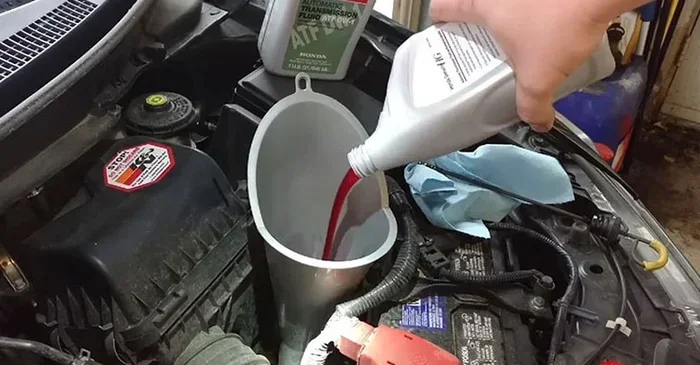
Now it is time to add fresh fluid. Locate the transmission fluid fill plug on the side of the transmission. Remove it and insert a funnel. Pour in the new Honda ATF-DW1 fluid slowly. The 2018 Honda Civic transmission fluid capacity is approximately 3.5 quarts for a drain and fill. Add a little less than the full amount for now. You will check and top off the level later.
Step 7: Check the Fluid Level
Start the engine and let it idle for a few minutes. Shift through all the gears and then back to park. With the engine still running, check the fluid level using the fill hole. Fluid should be at the bottom of the fill hole when the transmission is warm. Add more fluid if needed until it reaches the correct level.
Step 8: Test Drive and Final Check
Take your car for a short test drive. Pay attention to how the shifts feel. They should be smooth and seamless. After the drive, park the car on a level surface and recheck the fluid level. Top off if necessary. Also, look under the car for any leaks around the drain plug or pan.
How to Check Your Transmission Fluid Level and Condition
Checking your fluid regularly is just as important as changing it. This quick habit helps you catch problems early. Here is how to do it on your 2018 Honda Civic.
First, make sure the engine is warm. Drive the car for about 10 minutes, then park it on a level surface. Leave the engine running and shift through all gears before returning to park. Locate the fill plug on the side of the transmission. Remove it and insert your finger or a rag into the hole. Fluid should be at the bottom of the hole. If it is low, add more fluid. If it is overfull, drain some out.
Now look at the color and smell of the fluid. Healthy transmission fluid should be reddish or pinkish and smell slightly sweet. If the fluid looks dark brown or black, it is old and needs changing. If it smells burnt, that is a warning sign. Burnt fluid means the transmission is overheating. In that case, change the fluid right away and consider having a mechanic inspect the transmission.
Transmission Fluid Change Interval for the 2018 Honda Civic
Honda does not list a specific interval for changing transmission fluid in the owner manual for the 2018 Civic. They call it a “lifetime” fluid. However, most transmission experts and Honda enthusiasts disagree with that claim. In real-world driving conditions, fluid breaks down over time. Here is what most professionals recommend.
- Normal driving: Change every 40,000 to 60,000 miles
- Severe driving: Change every 30,000 miles
- Towing or heavy loads: Change every 25,000 miles
Severe driving includes stop-and-go traffic, extreme hot or cold weather, and short trips. If you fall into any of these categories, change your fluid more often. Staying ahead of the schedule keeps your Honda Civic transmission fluid system in great shape and prevents unexpected problems.
Common Mistakes to Avoid
Even simple jobs can go wrong if you are not careful. Here are some common mistakes people make when changing transmission fluid on a 2018 Honda Civic.
Using the Wrong Fluid Type
This is the biggest mistake you can make. The 2018 Honda Civic CVT requires Honda ATF-DW1 fluid. Using a generic or incorrect fluid can damage the transmission. Always check the label and make sure you are using the right product. When in doubt, ask a Honda dealer or trusted parts store.
Overfilling the Transmission
Too much fluid is just as bad as too little. Overfilled fluid can foam and cause pressure buildup. This leads to slipping, overheating, and seal damage. Always add fluid gradually and check the level frequently.
Skipping the Filter and Gasket
If your model has a replaceable filter and gasket, do not skip replacing them. Reusing old parts defeats the purpose of the fluid change. Old filters are clogged with debris and cannot do their job properly.
Not Checking for Leaks
After completing the job, always check for leaks. A loose drain plug or a poorly seated gasket can cause fluid to drip out. Check under the car after a test drive and fix any leaks immediately.
Ignoring Warning Signs
If you notice slipping, rough shifting, or unusual noises after a fluid change, stop and investigate. These symptoms could indicate a deeper problem that a simple fluid change cannot fix.
When to Seek Professional Help
Changing transmission fluid is a great DIY project for most car owners. But there are times when you should call in a professional. If you feel uncomfortable working under the car, that is a perfectly valid reason to visit a shop. If you notice metal shavings or heavy debris in the old fluid, have a mechanic inspect the transmission. These could be signs of internal damage. Also, if you try the fluid change and still experience shifting problems, a professional diagnosis is the best next step. A certified Honda mechanic has the tools and experience to find and fix the real issue.
Transmission Fluid Change Cost: DIY vs. Professional
One of the biggest advantages of doing this job yourself is the cost savings. Here is a quick comparison.
- DIY cost: $30 to $50 for fluid and filter
- Professional cost: $100 to $250 for fluid and labor
- Full transmission rebuild: $2,500 to $5,000 (if neglected)
As you can see, a simple fluid change pays for itself many times over. Even if you pay someone else to do the job, it is still much cheaper than ignoring maintenance. The key takeaway is this: do not skip your transmission fluid change. It is one of the most cost-effective maintenance tasks you can perform on your 2018 Honda Civic.
Final Thoughts on Maintaining Your 2018 Honda Civic Transmission
Your 2018 Honda Civic is a fantastic car. It is efficient, reliable, and fun to drive. Keeping up with transmission fluid changes is one of the best ways to protect that investment. Fresh fluid keeps the transmission cool, shifts smooth, and lasts for hundreds of thousands of miles. Now that you know how to change transmission fluid on a 2018 Honda Civic, you have the power to do this job yourself and save real money.
Make this part of your regular maintenance routine. Check your fluid level every few months. Look at the color and smell. And change it on schedule. Your Civic will thank you with years of reliable, smooth performance. Grab your tools, pick up some Honda ATF-DW1 fluid, and give your car the care it deserves. You will feel great knowing you handled the job right.
Frequently Asked Questions
What type of transmission fluid does a 2018 Honda Civic use?
The 2018 Honda Civic CVT requires Honda ATF-DW1 transmission fluid. Always check your owner manual or consult a Honda dealer to confirm the correct fluid type for your specific trim and model.
How often should I change the transmission fluid on my 2018 Honda Civic?
While Honda labels the fluid as “lifetime,” most experts recommend changing it every 30,000 to 60,000 miles. If you drive in severe conditions like heavy traffic or extreme temperatures, change it closer to the 30,000-mile mark.
Can I change the transmission fluid myself?
Yes, changing the transmission fluid on a 2018 Honda Civic is a very doable DIY job. You need basic tools, the right fluid, and about 30 to 60 minutes. This guide walks you through every step in detail.
What happens if I use the wrong transmission fluid?
Using the wrong fluid can cause slipping, overheating, and serious transmission damage. The CVT in the 2018 Civic is especially sensitive to fluid type. Always use Honda ATF-DW1 or the exact fluid specified by Honda.
How much transmission fluid does a 2018 Honda Civic hold?
The transmission fluid capacity for a 2018 Honda Civic is approximately 3.5 quarts for a drain and fill. Always check the fluid level after adding fluid to make sure you have the correct amount.
Is a transmission fluid change the same as a transmission flush?
No, they are different. A fluid change drains and replaces the old fluid, usually removing about 50 to 70 percent of the total fluid. A flush removes nearly all the fluid using a machine. For most 2018 Honda Civic owners, a simple drain and fill is sufficient and safer for the CVT.