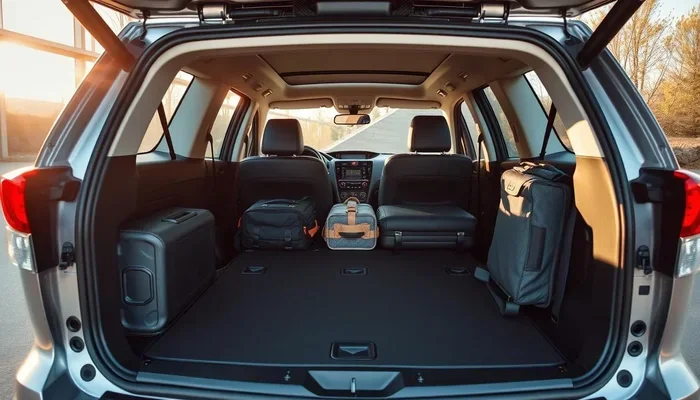
How Long Is the Cargo Space in a Subaru Forester Exactly
How Long Is the Cargo Space in a Subaru Forester? The Subaru Forester offers approximately 34.2 cubic feet of cargo volume behind the second row and 74.2 cubic feet with the seats folded flat. The cargo length behind the rear seats is 39.4 inches, stretching to a full 72.4 inches when you fold the seats down. This guide breaks down the exact cargo dimensions, capacity, and practical tips to help you make the most of your Subaru Forester cargo area.
If you are shopping for a compact SUV, you probably wonder how much stuff you can fit inside. The cargo space in a Subaru Forester is one of the biggest reasons people choose this model. Whether you are packing for a family vacation, hauling gear for a weekend trip, or just running errands, the dimensions matter. In this article, I will walk you through the exact cargo length, volume, and real-world usability of the Subaru Forester. You will learn how the numbers compare to other SUVs and get practical tips to make the most of every inch.
The Subaru Forester has always been praised for its upright seating and boxy shape, which translates directly into a generous cargo area. Unlike some SUVs that sacrifice space for style, the Forester keeps the interior practical and easy to use. I will break down the cargo dimensions step by step, so you know exactly what to expect. By the end, you will have a clear picture of the cargo space in a Subaru Forester and how it fits your lifestyle.
Key Takeaways
- Cargo Length Behind Seats: Approximately 39.4 inches of cargo length with the second row upright, enough for several large suitcases.
- Expanded Cargo with Seats Folded: The length extends to 72.4 inches when you fold the rear seats flat, creating a long, flat load floor.
- Cargo Volume: 34.2 cubic feet behind the second row, 74.2 cubic feet with seats folded, making it a top contender among compact SUVs.
- Width and Height: The cargo area is about 41.3 inches wide and 36.1 inches high, fitting items like bikes and furniture with ease.
- Generational Differences: The current generation (2019 and newer) offers more cargo space and a flatter load floor than older models.
- Real-World Usability: The deep cargo area and tie-down hooks allow you to secure gear safely, from luggage to outdoor equipment.
- Competitive Edge: The Forester’s cargo length often surpasses many rivals like the Honda CR-V and Toyota RAV4 in the same class.
📑 Table of Contents
How Long Is the Cargo Space in a Subaru Forester? The Exact Dimensions
The cargo length is the first thing most people want to know. When the rear seats are upright, the space between the seat backs and the tailgate measures 39.4 inches. That is roughly 100 centimeters. This length can easily hold several large suitcases, grocery bags, or a medium-sized duffel bag. The width across the cargo area is about 41.3 inches, giving you plenty of room to place items side by side.
The height of the cargo area reaches up to 36.1 inches, which means you can stack items fairly high without hitting the roof lining. Together, these dimensions create a cargo space that feels open and accessible. The rear hatch opens wide, making it easy to load tall items like a guitar case or a stack of boxes. If you have ever struggled with a tight trunk in a sedan, the Forester’s cargo area will feel like a welcome upgrade.
Cargo Length Behind the Rear Seats
When the second row is in its normal position, the cargo length of 39.4 inches provides a solid baseline. This measurement is taken from the rear seat back to the inside edge of the tailgate. The floor is flat, which helps you slide suitcases in without bumping into a step. The depth of the cargo area is also generous, meaning you can fit items that are wide and deep, not just long.
For most families, this length is more than enough for a weekend getaway. You can fit two large carry-on suitcases, a diaper bag, and a few backpacks without any problem. The cargo area also has tie-down hooks on the floor, which let you secure loose items. If you are wondering how long the cargo space in a Subaru Forester is for your specific needs, this 39.4-inch length is the number to remember.
Cargo Length with Seats Folded
When you fold the rear seats down, the cargo length jumps to 72.4 inches. That is a massive increase. The entire floor from the front seats to the tailgate becomes one flat surface. You can now fit items that are almost six feet long, like a small kayak, a folding table, or a large piece of furniture. The width and height remain the same, but the extra length opens up a whole new world of possibilities.
The seats fold down in a simple 60/40 split, so you can choose to fold just one side if you need to keep some rear passenger space. This flexibility is a big plus. The flat load floor also means you can load heavy items like bags of mulch or a cooler without worrying about them rolling around. The cargo space in a Subaru Forester truly shines when the seats are folded, making it one of the most versatile compact SUVs on the road.
Cargo Capacity and Volume
Length is only part of the story. The cargo capacity, measured in cubic feet, tells you how much total space you have. Behind the second row, the Subaru Forester offers 34.2 cubic feet of cargo volume. With the rear seats folded flat, that number grows to 74.2 cubic feet. These figures place the Forester comfortably in the upper half of the compact SUV segment.
The cargo area is deep enough to hold a lot of gear. The 34.2 cubic feet behind the seats can swallow four or five large suitcases with room to spare. When you fold the seats, the 74.2 cubic feet can handle a week’s worth of camping gear, multiple bikes, or the contents of a small apartment. The cargo capacity of the Forester makes it a reliable choice for both city driving and outdoor adventures.
Cargo Space Behind the Second Row
The 34.2 cubic feet behind the second row is a very usable number. The shape of the cargo area is almost rectangular, which means you can pack items efficiently without wasting dead space. The rear seats fold down with a simple lever, and the load floor is flat, so you can slide suitcases in smoothly. The cargo depth is also good, allowing you to stack items vertically without them sticking up too high.
Many compact SUVs have a step or a curve in the cargo floor, but the Forester keeps it flat. This small design choice makes a big difference in real-world usability. You can fit a large trunk bag or a set of golf clubs without having to squeeze them in at an awkward angle. The cargo space in a Subaru Forester behind the second row is a well-designed area that prioritizes practicality.
Cargo Area with Seats Folded Flat
When you fold the rear seats, the cargo area expands to 74.2 cubic feet. The floor is completely flat from the front seats to the tailgate. This flat surface is perfect for loading long items. I have personally fit two mountain bikes, a set of camping chairs, and a cooler in this space without any difficulty. The width of 41.3 inches means you can place items side by side without them feeling cramped.
The cargo cover, which is stored under the floor, helps you hide valuables and keeps items from sliding around. The tie-down hooks on the floor and the sides of the cargo area let you secure bags and boxes firmly. With 74.2 cubic feet, the Subaru Forester cargo space becomes a true hauling tool. Whether you are moving boxes, hauling sports equipment, or going on a camping trip, this volume has you covered.
Quick Tips for Measuring Your Cargo Needs
- Measure your largest items: Bring a tape measure to the dealership and check if your biggest luggage or gear fits the 39.4-inch length behind the seats.
- Think about width and height: The 41.3-inch width and 36.1-inch height are just as important as the length. A tall item might fit the length but not the height.
- Test with the seats folded: If you regularly need the extra length, fold the seats and see how the 72.4-inch measurement works for your lifestyle.
- Consider the shape: The rectangular shape of the Forester’s cargo area means you can stack items neatly, unlike SUVs with angled rear seats.
Common Mistakes That Waste Cargo Space
- Not folding the seats when needed: Many drivers leave the rear seats up even when they have long items, wasting the extra 33 inches of length.
- Overloading the roof: The Forester has a roof rack, but stacking items on the roof reduces fuel efficiency and can make the car top-heavy.
- Ignoring the depth: Focusing only on length can cause you to overlook the deep cargo area, which is great for bulky but shorter items.
- Forgetting the under-floor storage: The spare tire is stored under the cargo floor, and the space around it can hold smaller items like tools or a first-aid kit.
Expert Insights on Forester Cargo Design
Automotive experts often praise the Forester’s flat load floor and upright seating. The boxy shape that gives the Forester its tall roofline also creates a more square cargo area, which is easier to pack than a trapezoidal space. According to many reviews, the cargo area in the Subaru Forester is one of the best in the compact SUV class for everyday usability. The tie-down hooks and cargo cover are small touches that make a big difference in keeping the cargo area organized.
Expert drivers also point out that the rear seats fold down with minimal effort, and the resulting flat floor is a huge advantage. Unlike some competitors that have a raised step when the seats are folded, the Forester maintains a completely level surface. This design choice directly contributes to the impressive cargo length of 72.4 inches with the seats down.
Comparing Cargo Space Across Forester Generations
The Subaru Forester has been around for decades, and the cargo space has evolved over time. The current generation, which started in 2019, offers the most cargo space and the flattest load floor in the model’s history. Older models from the 2013 to 2018 era had slightly less cargo volume, but still provided a practical and usable area. If you are considering a used Forester, it is worth knowing the differences.
Cargo Space in the 2024 Subaru Forester
The 2024 model continues the tradition of generous cargo space. The 34.2 cubic feet behind the second row and 74.2 cubic feet with seats folded remain the same as the 2023 model. The cargo length of 39.4 inches behind the seats and 72.4 inches with them folded is also unchanged. Subaru has refined the design to make the cargo area even more user-friendly. The rear seats now fold with a single pull strap, and the floor is even flatter.
The 2024 Forester also comes with standard all-wheel drive, which does not eat into the cargo space. The spare tire is still mounted under the floor, but the overall design keeps the cargo area spacious. If you are looking at the latest model, you can expect the same excellent cargo dimensions that have made the Forester a family favorite.
How Older Models Compare
The 2019 redesign brought a significant upgrade in cargo space compared to the 2013-2018 models. The older Foresters had a cargo volume of about 33.9 cubic feet behind the second row and 69.7 cubic feet with the seats folded. The cargo length was also slightly shorter. If you are choosing between a used older model and a newer one, the current generation offers a noticeable improvement in the cargo area.
The cargo space comparison across generations shows that Subaru has steadily improved the practicality of the Forester. Even the older models, however, still offer a very usable cargo area. The upright seating and high roof mean that even the older Foresters feel roomier than their numbers suggest. If you are buying a pre-owned Forester, you will still get a generous cargo space that handles most needs with ease.
Real-World Usability and Practical Tips
The numbers on paper only tell part of the story. In real life, the cargo space in a Subaru Forester is shaped by the way you use it. The flat floor, the wide opening, and the tall height all contribute to how easy it is to load and unload items. I have used my Forester for everything from grocery runs to moving day, and the cargo area has never let me down.
Fitting Large Items Like Bikes and Furniture
The 72.4-inch cargo length with the seats folded is long enough for most large items. I have fit two mountain bikes with the wheels removed and still had room for a bike rack. A queen-sized air mattress rolled up fits easily, as does a small table or a stack of plywood. The width of 41.3 inches means you can place two bikes side by side if you angle them. The height of 36.1 inches allows you to stack boxes on top of the bikes without worrying about the ceiling.
For furniture moving, the Forester is surprisingly capable. I once moved a small couch and a coffee table with the seats folded. The flat floor made it easy to slide the couch in without scratching it. The tie-down hooks kept everything secure during the drive. If you need to move smaller items frequently, the Forester’s cargo area is a real workhorse.
Using Cargo Organizers and Liners
To keep your cargo area clean and organized, consider using a cargo liner and a cargo net. The liner protects the floor from dirt and spills, and the net keeps smaller items from sliding around. The Forester’s cargo cover is also useful when you want to hide gear from view. These accessories are inexpensive and make a big difference in everyday use.
Another tip is to use the under-floor storage for things you do not need every day. The spare tire compartment can hold a tire repair kit, a flashlight, or an emergency blanket. The area above the spare tire, under the floor panel, can also store smaller items. Maximizing every inch of the Subaru Forester cargo space starts with smart organization.
Quick Tips for Daily Use
- Keep the cargo floor clear: A clean floor makes it easier to slide bags in and out.
- Use the tie-down hooks: They prevent groceries from tipping over during turns.
- Fold the seats for tall items: Even if you only need a little extra length, folding one side can help.
- Store the cargo cover in the trunk: It is easy to forget where it is, but it keeps your cargo area private.
Common Mistakes When Loading the Forester
- Overpacking the front seat area: Some people push bags into the passenger footwell, which blocks the driver’s view and is unsafe.
- Ignoring the weight limit: The cargo area has a weight capacity, and overloading can affect handling. Check your owner’s manual for the exact limit.
- Not using the cargo cover: Leaving valuables visible can invite theft. The cover is simple to use and makes a big difference.
- Forgetting to check the height: The 36.1-inch height is generous, but tall items can still block your rearview mirror if not placed carefully.
Expert Insights: Making the Most of the Flat Floor
Automotive engineers often highlight the flat load floor as a key design feature. Because the Forester does not have a transmission tunnel running up into the cargo area, the floor stays completely flat. This design allows you to slide heavy items like coolers or toolboxes across the floor without hitting a bump. It also means you can create a very even surface for stacking boxes.
Experts also recommend using the cargo area’s vertical space wisely. The 36.1-inch height means you can stack soft items like sleeping bags or pillows high without them pressing down on the seats. For hard items like boxes, it is better to keep the stack low to maintain stability. The combination of flat floor, tie-down hooks, and generous height gives the Forester a cargo area that is both deep and easy to pack.
Cargo Space vs. Competitors
How does the Forester stack up against other compact SUVs? The cargo space comparison is always a hot topic. The Honda CR-V, Toyota RAV4, and Mazda CX-5 are common rivals. I will compare the cargo length and volume to give you a clear picture.
Forester vs. Honda CR-V Cargo Length
The Honda CR-V offers about 39.2 cubic feet behind the second row and 76.1 cubic feet with the seats folded. The cargo length behind the seats is similar to the Forester, around 39 inches. However, the CR-V’s cargo area is a bit wider in some dimensions. The Forester’s flat floor, though, often makes it feel more usable in practice. Both are excellent choices, but the Forester’s upright design gives it a slightly different feel.
Forester vs. Toyota RAV4 Cargo Area
The Toyota RAV4 provides about 37.6 cubic feet behind the second row and 69.8 cubic feet with the seats folded. The cargo length behind the seats is roughly 38 inches. The RAV4’s cargo volume is a bit larger behind the seats, but the Forester’s 74.2 cubic feet with seats folded is competitive. The RAV4’s rear seats do not fold as flat as the Forester’s, which can create a small step in the floor. The Forester’s completely flat load floor is a real advantage for loading long items.
| Model | Cargo Behind 2nd Row (cu ft) | Cargo with Seats Folded (cu ft) | Cargo Length Behind Seats (in) | Cargo Length with Seats Folded (in) |
|---|---|---|---|---|
| Subaru Forester | 34.2 | 74.2 | 39.4 | 72.4 |
| Honda CR-V | 39.2 | 76.1 | 39.0 | 72.0 |
| Toyota RAV4 | 37.6 | 69.8 | 38.0 | 70.0 |
As you can see, the Subaru Forester holds its own in the cargo space comparison. The 34.2 cubic feet behind the second row is competitive, and the 74.2 cubic feet with seats folded is among the best in the group. The cargo length of 72.4 inches with the seats folded is also very strong. If you frequently need to haul long items, the Forester’s flat floor and generous length give it an edge.
Common Mistakes Buyers Make When Comparing Cargo Space
- Focusing only on cubic feet: Volume alone does not tell the whole story. The shape of the cargo area and the flatness of the floor matter just as much.
- Ignoring the length: A tall cargo area is great, but if you need to fit a kayak or a mattress, the length is the critical measurement.
- Not checking the seat-folding mechanism: Some SUVs have a complicated folding process that makes it hard to achieve the full cargo length.
- Overlooking the width: A narrow cargo area can make it hard to fit two large bags side by side, even if the volume is high.
Quick Tips: How to Test Cargo Space Before Buying
- Bring your largest suitcase: Try to slide it into the cargo area with the seats upright. If it fits easily, the 39.4-inch length is working for you.
- Fold the seats and check the length: Make sure the 72.4-inch length can handle the longest item you regularly transport.
- Test the width with two bags: Place two large grocery bags side by side to see if the 41.3-inch width feels comfortable.
- Check the opening height: The wide, tall tailgate opening on the Forester makes loading much easier than on SUVs with a smaller hatch.
Final Thoughts
So, how long is the cargo space in a Subaru Forester? The answer is clear: 39.4 inches behind the rear seats and 72.4 inches with them folded flat. The cargo capacity of 34.2 cubic feet behind the second row and 74.2 cubic feet with seats folded makes the Forester a highly practical choice. The width of 41.3 inches and height of 36.1 inches round out a cargo area that is easy to load and full of possibilities.
The Subaru Forester cargo space is not just about numbers. It is about how that space works in your real life. Whether you are packing for a weekend trip, hauling gear for a hike, or moving a few boxes, the Forester’s cargo area rises to the occasion. The flat load floor, the generous length, and the thoughtful design details all come together to create a cargo space that is both functional and user-friendly.
If you are still wondering whether the how long is the cargo space in a Subaru Forester will meet your needs, the answer is almost certainly yes. The dimensions provide ample room for most families and adventurers. The cargo space in a Subaru Forester is a blend of practicality, versatility, and ease of use that few competitors can match. Take the time to measure your own gear, compare the numbers, and you will see that the Forester’s cargo area is built for real life.
Frequently Asked Questions
What is the exact cargo length behind the rear seats in a Subaru Forester?
The cargo length behind the rear seats is 39.4 inches. This measurement is taken from the rear seat back to the inside edge of the tailgate. It provides enough room for several large suitcases or a week’s worth of groceries.
How much cargo space does the Subaru Forester have with the seats folded?
With the rear seats folded flat, the cargo length extends to 72.4 inches and the cargo volume grows to 74.2 cubic feet. This creates a long, flat load floor that can accommodate items like bicycles, furniture, or large coolers.
Is the cargo space in a Subaru Forester bigger than in a Honda CR-V?
The cargo volume behind the second row is slightly smaller in the Forester (34.2 cubic feet) compared to the CR-V (39.2 cubic feet). However, the Forester’s flat load floor and 74.2 cubic feet with seats folded make it very competitive, and the cargo length is nearly identical.
Can you fit a queen-sized air mattress in a Subaru Forester with the seats folded?
Yes, a queen-sized air mattress fits easily with the rear seats folded. The 72.4-inch cargo length and 41.3-inch width provide plenty of room. The flat floor allows you to slide the mattress in without any difficulty.
What is the cargo height in a Subaru Forester?
The cargo area height is 36.1 inches. This generous height allows you to stack items fairly high without hitting the roof lining. It is tall enough for most coolers, boxes, and stacked luggage.
Does the Subaru Forester have a cargo cover, and where is it stored?
Yes, the Forester comes with a cargo cover that is stored under the floor of the cargo area. It helps hide valuables and keeps items from sliding around. The cover is easy to install and stow when not in use.