How to Open a Honda Civic Hood Without Any Trouble
Opening a Honda Civic hood is simple once you know the right steps. This guide walks you through the full process for every Honda Civic generation. You will learn how to locate the hood release lever, handle the secondary latch, and avoid common mistakes that leave people stranded.
Have you ever stood in front of your car, staring at the front end, wondering how to open a Honda Civic hood? It happens more often than you might think. Whether you need to check your engine oil, add washer fluid, or inspect the engine bay, knowing the hood release process is a basic car skill everyone should have.
The good news is that opening a Honda Civic hood is straightforward once you understand the two-step mechanism. Every Honda Civic model follows the same general process, though small details vary by year. In this guide, we walk you through the entire procedure step by step. We also cover common problems, maintenance tips, and safety advice so you never get stuck with a hood that will not open.
By the time you finish reading, you will feel confident popping the hood on any Honda Civic. Let us get started.
Key Takeaways
- Know Your Release Location: The hood release lever is always inside the cabin, usually below the steering column on the left side.
- Two-Step Process Is Universal: Every Honda Civic requires pulling the interior release lever and then lifting the hood to disengage the safety latch.
- Common Problems Have Simple Fixes: A stuck hood latch, broken release cable, or frozen latch are the most frequent issues and all have practical solutions.
- Regular Maintenance Prevents Problems: Lubricating the hood latch and checking the release cable annually keeps everything working smoothly.
- Safety Matters Every Time: Always use the hood prop rod or hydraulic support to keep the hood securely open while working.
- Model Years Matter: Different Honda Civic generations have slight variations in hood latch design, so knowing your specific model helps.
📑 Table of Contents
- Understanding Your Honda Civic Hood System
- Step-by-Step: How to Open a Honda Civic Hood
- Common Problems When the Honda Civic Hood Won’t Open
- Maintaining Your Honda Civic Hood Latch and Release System
- Safety Tips for Hood Opening and Engine Bay Inspection
- Honda Civic Hood Differences Across Model Years
- When to Seek Professional Help
- Key Takeaways
Understanding Your Honda Civic Hood System
Before you try to pop the hood, it helps to understand how the system works. The Honda Civic hood latch system has two main parts. The first part is the interior release lever. The second part is the safety latch located under the front edge of the hood.
How the Hood Release Lever Works
The hood release lever sits inside the driver’s cabin. On most Honda Civic models, you will find it on the lower left side of the dashboard. It is usually near the steering column, below the instrument panel. The lever connects to the hood latch through a cable system.
When you pull the lever, it releases the primary latch. This allows the hood to pop up slightly. However, the hood does not fully open yet. That is where the second step comes in. The safety latch keeps the hood securely closed while you are driving. You must manually disengage this latch from outside the car.
Why the Two-Step Design Exists
Honda uses a two-step hood release system for safety. If the hood suddenly flew open while you were driving, it could block your view and cause a serious accident. The safety latch prevents this from happening. It holds the hood firmly in place even if the primary latch releases.
This design is standard across all Honda Civic generations. Whether you drive a 2006 Honda Civic or a 2023 model, the same two-step process applies. Understanding this simple mechanism makes the entire process much easier to remember.
Step-by-Step: How to Open a Honda Civic Hood
Now let us walk through the actual process. Follow these steps carefully, and you will have the hood open in under a minute.
Step 1: Park on a Flat Surface
First, park your Honda Civic on a flat, level surface. Turn off the engine and engage the parking brake. This ensures the car stays still while you work. Never attempt to open the hood on a slope or uneven ground.
Wait a few minutes after turning off the engine. The hood and engine components can be hot right after driving. Letting the car cool down prevents burns and makes the process safer.
Step 2: Locate the Interior Hood Release Lever
Sit in the driver’s seat. Look down on the lower left side of the dashboard. You are searching for a lever or handle. On most Honda Civic models, this lever is near the bottom of the instrument panel, close to the driver’s door.
The lever usually has a small icon of a hood or an arrow pointing upward. Some models use a pull handle, while others have a sliding release. Once you find it, pull the lever toward you with a firm, steady motion.
You should hear a clicking sound. This means the primary latch has released. Walk to the front of the car and you will notice the hood has lifted slightly. There will be a small gap between the hood and the fender.
Step 3: Lift the Hood and Disengage the Safety Latch
Go to the front of the car. Place your hand under the front edge of the hood. You will feel the hood is still held by the safety latch. Push the hood upward slightly to relieve pressure on the latch.
Now locate the safety latch mechanism. On most Honda Civic models, this is a small lever or button near the center of the front edge of the hood. It is usually on the driver’s side. Push, slide, or pull this latch to the side to release it.
Once the safety latch disengages, lift the hood fully. It should open smoothly and stay in place. If it does not stay open, you may need to secure it with the hood prop rod or hydraulic support arm.
Step 4: Secure the Hood with the Prop Rod or Support Arm
Older Honda Civic models use a manual prop rod. This is a metal rod attached to the underside of the hood. Pull the rod out and insert it into the designated hole on the hood or the front grille area. This keeps the hood elevated while you work.
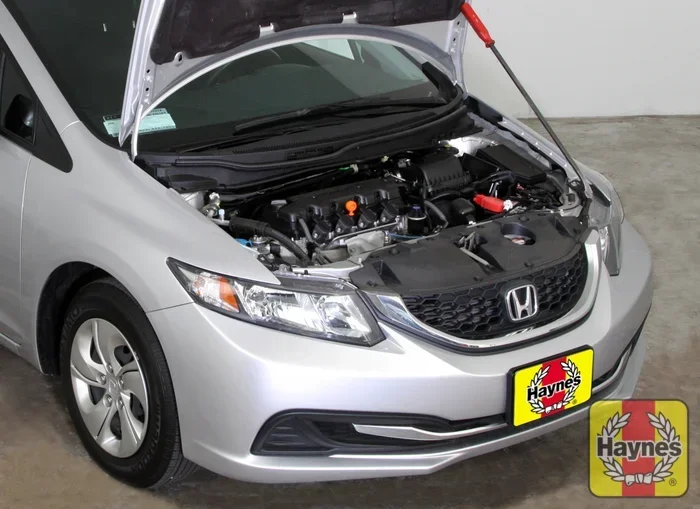
Newer Honda Civic models use a hydraulic strut or support arm. These are spring-loaded arms built into the hood. They automatically hold the hood open at the correct height. Simply lift the hood past the halfway point and the strut will hold it in place.
Never work under an unsecured hood. The hood can fall and cause serious injury. Always double-check that the hood is fully supported before reaching into the engine bay.
Step 5: Close the Hood Properly
When you are done, remove the prop rod or let the hydraulic strut do its job. Lower the hood from about waist height. Do not push the hood down from the front edge. This can damage the hood seal and latch mechanism.
Let the hood drop from a moderate height. It should latch securely with a firm click. Give the hood a gentle tug to confirm it is fully closed and locked. A properly closed hood is essential for safety and aerodynamics.
Common Problems When the Honda Civic Hood Won’t Open
Sometimes things do not go as planned. A stuck hood or a broken release mechanism can be frustrating. Let us look at the most common issues and how to fix them.
Hood Release Lever Feels Loose or Does Nothing
If you pull the interior release lever and nothing happens, the cable may be loose or broken. The hood release cable connects the interior lever to the hood latch. Over time, this cable can stretch, fray, or disconnect.
To fix this, you may need to adjust the cable tension. The adjustment point is usually near the latch mechanism under the hood. Use a wrench or pliers to tighten the cable. If the cable is broken, it will need to be replaced. This is a relatively affordable repair that a mechanic can handle quickly.
Hood Pops Up but Won’t Fully Open
This usually means the safety latch is stuck or seized. Rust, dirt, or corrosion can build up around the latch over time. Cold weather can also freeze the latch in place.
Try spraying a penetrating lubricant like WD-40 on the latch mechanism. Wait a few minutes and then try to release the latch again. Gently wiggle the hood while applying pressure to the latch. Do not force the hood upward, as this can damage the hinges or latch.
Hood Will Not Pop Up at All
If pulling the interior release lever does nothing and the hood stays completely closed, the problem could be a broken cable or a seized latch. In cold climates, ice can lock the latch mechanism in place.
Try warming the front edge of the hood with a hair dryer or warm water. This can melt any ice blocking the latch. If the cable is broken, you may need to access the latch from under the car or through the grille area. A mechanic can help with this if you are not comfortable doing it yourself.
Hood Closes on Its Own After Opening
This is a dangerous situation. If the hood closes unexpectedly while you are working, it can cause serious injury. The most common cause is a worn or broken hydraulic strut or a missing prop rod.
Replace damaged hydraulic struts immediately. These are relatively inexpensive parts. For older models with a prop rod, make sure the rod is fully inserted and secure before leaning into the engine bay.
Maintaining Your Honda Civic Hood Latch and Release System
Regular maintenance keeps your hood release system working reliably. A few simple habits can prevent most problems before they start.
Lubricate the Latch Mechanism Regularly
Apply a silicone-based lubricant or white lithium grease to the hood latch and safety latch at least twice a year. This prevents rust and keeps the mechanism operating smoothly. Spray the lubricant directly onto the latch and moving parts, then open and close the hood several times to work it in.
Check the Release Cable
Inspect the hood release cable during routine maintenance. Look for fraying, kinking, or signs of wear. A cable that is starting to fray can break unexpectedly. Replacing a worn cable early prevents being stranded with a hood that will not open.
Clean the Hood Seal and Edges
Keep the hood seal and edges clean. Dirt and debris can accumulate along the front edge of the hood and interfere with the latch. Wipe down the hood edges and seal with a damp cloth regularly. This also helps maintain a proper seal that keeps water out of the engine bay.
Listen for Unusual Sounds
Pay attention to any unusual sounds when opening or closing the hood. A grinding or clicking noise could indicate a problem with the latch or cable. Addressing these sounds early can prevent a more serious issue later.
Safety Tips for Hood Opening and Engine Bay Inspection
Opening the hood is generally safe, but following a few precautions goes a long way. These tips protect you and your car.
- Always let the engine cool down before opening the hood. Hot engine components can cause burns.
- Never work under a hood that is not fully secured. Use the prop rod or hydraulic support every single time.
- Wear gloves when reaching into the engine bay. This protects your hands from sharp edges, hot surfaces, and dirt.
- Keep hands away from moving belts and fans. Even with the engine off, the cooling fan can activate unexpectedly.
- Do not leave the hood open in windy conditions. Wind can catch the hood and cause it to fall or swing.
- Keep the area around the hood clear of tools and debris. This prevents damage to the hood, paint, and components.
Honda Civic Hood Differences Across Model Years
While the basic hood release process is the same, there are small differences across Honda Civic generations. Knowing these variations helps you handle any model with confidence.
| Model Year Range | Hood Release Type | Hood Support |
|---|---|---|
| 2001-2005 | Interior lever under dash | Manual prop rod |
| 2006-2011 | Interior lever under dash | Manual prop rod |
| 2012-2015 | Interior lever under dash | Hydraulic strut (some models) |
| 2016-2021 | Interior lever under dash | Hydraulic strut |
| 2022-Present | Interior lever under dash | Hydraulic strut |
Older models from the 2000s use a manual prop rod. You will find this rod stored near the front of the engine bay, usually attached to the inner fender or the underside of the hood. Newer models from 2012 onward use hydraulic struts that do the work for you. These struts are self-contained and require no manual placement.
If you own a newer Honda Civic and the hood does not stay open, the hydraulic strut may be worn or failed. Replacement struts are widely available and easy to install. For older models, replacing a missing or bent prop rod is a quick fix at any auto parts store.
When to Seek Professional Help
Most hood opening issues are simple to resolve. However, some situations call for a professional mechanic. If the hood release cable has snapped inside the housing, accessing it can be tricky. Similarly, if the latch mechanism is severely rusted or damaged, a mechanic has the right tools to handle the repair safely.
Do not try to force the hood open with tools like screwdrivers or pliers. This can damage the hood, the latch, or the fender. Forcing the hood also voids warranties and can lead to expensive body repair. A professional will open the hood safely without causing collateral damage.
Key Takeaways
- Two-Step Process: Pull the interior release lever, then disengage the safety latch from outside the car. This two-step process is the same for every Honda Civic.
- Know Your Model Year: Older models use a manual prop rod, while newer models use hydraulic struts. Knowing which your car has helps you secure the hood properly.
- Maintenance Matters: Regular lubrication and cable inspection prevent most hood problems. A few minutes of care saves hours of frustration.
- Common Problems Have Simple Fixes: Stuck latches, broken cables, and frozen mechanisms all have practical solutions you can handle at home.
- Safety Always Comes First: Never work under an unsecured hood. Always use the prop rod or hydraulic support and let the engine cool before opening.
- When in Doubt, Call a Pro: For complex issues like broken cables or seized latches, a professional mechanic can help without risking damage to your car.
Opening a Honda Civic hood does not have to be a stressful experience. Once you understand the simple two-step mechanism, it becomes second nature. Whether you are a new car owner or have been driving for years, knowing how to pop the hood is an essential skill. Keep this guide bookmarked for reference, and you will always be prepared when you need to check the engine, add fluids, or inspect the engine bay.
Take a moment to locate the hood release lever in your Honda Civic today. Familiarize yourself with the process now so you are ready if you ever need it on the side of the road. A little knowledge goes a long way in keeping you safe and your car running at its best.
Frequently Asked Questions
Where is the hood release lever on a Honda Civic?
The hood release lever is located inside the driver’s cabin, on the lower left side of the dashboard near the steering column. Look for a lever or handle with a hood icon. Pull it toward you to release the primary latch.
Why won’t my Honda Civic hood open even after pulling the release lever?
This usually happens when the safety latch is stuck or the release cable is broken. Try lubricating the latch with WD-40 and wiggling the hood gently while pulling the release. If the cable is broken, you will need a mechanic to inspect and replace it.
Do all Honda Civic models use a prop rod to hold the hood open?
No. Older Honda Civic models from 2001 to around 2011 use a manual prop rod. Newer models from 2012 onward use hydraulic struts that automatically hold the hood open. Check your owner’s manual to confirm which system your car uses.
Can I open a Honda Civic hood from the outside?
Not directly. The hood release system requires pulling the interior lever first, which releases the primary latch. From outside, you then lift the hood slightly and disengage the safety latch. There is no external override mechanism on standard Honda Civic models.
How do I prevent my Honda Civic hood latch from freezing in winter?
Apply a silicone-based lubricant to the latch mechanism before winter arrives. You can also use a lock de-icer spray if ice forms around the latch. Parking in a garage or using a car cover helps prevent ice buildup on the front end of the car.
What should I do if the hood latch is broken and the hood will not close?
Do not drive with the hood open or unsecured. Tow the car to a mechanic or auto parts store. A broken latch needs immediate repair for safety reasons. In the meantime, you can temporarily secure the hood with a bungee cord or rope, but this is only a short-term solution.
=== CONCLUSION ===
Knowing how to open a Honda Civic hood is a fundamental skill every car owner should have. The process is simple, safe, and takes less than a minute once you know where everything is. From locating the interior release lever to disengaging the safety latch, each step is easy to master with a little practice.
Remember to maintain your hood release system regularly. Lubricate the latch, check the cable, and always use the proper hood support when working under the hood. These small habits prevent big problems down the road. Whether you drive a classic 2003 Honda Civic or the latest 2024 model, the process remains the same. Keep this guide handy, and you will never struggle with a stuck hood again.