Does Toyota Make More Money Than Honda Year by Year
So, does Toyota make more money than Honda? The short answer is yes — Toyota consistently earns higher revenue and profit than Honda year after year. This article breaks down the numbers, compares their financial performance, and reveals which automaker comes out ahead in key areas like sales, profit margins, and global market share.
When you think about the biggest names in the auto world, Toyota and Honda immediately come to mind. These two automotive giants have been going head to head for decades. But here is the real question — does Toyota make more money than Honda?
The answer might surprise you. While both companies are incredibly successful, their financial performance tells a clear story. Toyota has consistently outearned Honda in terms of total revenue and net income. But the details behind these numbers are what make this comparison truly interesting.
In this article, we will break down the Toyota vs Honda financial battle year by year. You will learn about revenue figures, profit margins, sales data, and what drives each company’s earnings. Whether you are a car enthusiast or just curious about how your favorite brands perform financially, this guide has you covered.
We will also look at how each company makes its money, where they succeed, and what challenges they face. By the end, you will have a clear picture of the Toyota vs Honda financial landscape. Let us dive right in.
Key Takeaways
- Toyota leads in total revenue: Toyota generates significantly more annual revenue than Honda across most fiscal years.
- Profit margins tell a story: Both companies maintain strong profit margins, but Toyota’s scale gives it a financial edge.
- Sales volume matters: Toyota sells more vehicles globally, which directly impacts its bottom line.
- Diversified income streams: Both Toyota and Honda earn money beyond car sales, including financial services and parts.
- Market share plays a role: Toyota holds a larger global market share, contributing to its stronger financial position.
- Future outlook looks strong for both: Both automakers are investing in electric vehicles and innovation to stay competitive.
📑 Table of Contents
- Toyota vs Honda: A Financial Showdown
- Toyota Revenue and Profit Margins
- Honda Revenue and Profit Margins
- Toyota vs Honda: Sales and Market Share Comparison
- How Toyota and Honda Make Their Money
- Which Brand Is Financially Stronger Going Forward?
- Common Mistakes People Make When Comparing Car Companies
- Expert Insights on Toyota vs Honda Financial Performance
Toyota vs Honda: A Financial Showdown
The comparison between Toyota and Honda is not just about cars. It is about two completely different business philosophies. Toyota focuses on volume and scale. Honda takes a more refined approach with a strong emphasis on engineering and innovation. Both strategies work, but they produce different financial outcomes.
When we look at the Toyota vs Honda earnings comparison, several factors come into play. Total revenue, net income, operating profit, and market share all tell part of the story. Let us explore each of these in detail so you can understand exactly where things stand.
Why Financial Comparison Matters
Understanding how these two companies compare financially helps investors, car buyers, and industry analysts make better decisions. If you are thinking about investing in either Toyota or Honda stock, the financial data matters a lot. Similarly, if you are a car buyer, a company’s financial health can tell you about its long-term stability and ability to support its vehicles.
Financial comparison also reveals which company is better positioned for the future. Both Toyota and Honda face huge shifts in the auto industry right now. Electric vehicles, new technology, and changing consumer demands are reshaping the landscape. The company with stronger finances will likely adapt faster and come out stronger.
Toyota Revenue and Profit Margins
Toyota is the world’s largest automaker by revenue. The Toyota motor corporation brings in trillions of yen in annual sales. Its financial performance has been strong for years, and the company consistently ranks among the most profitable car makers on the planet.
Toyota Annual Revenue Breakdown
Toyota’s annual revenue has grown steadily over the past decade. In recent fiscal years, the company has reported total revenue exceeding 30 trillion yen. This massive number reflects Toyota’s global reach and the sheer volume of vehicles it sells every year.
Here is what drives Toyota’s revenue:
- Vehicle sales: The biggest chunk comes from selling cars, trucks, and SUVs worldwide.
- Financial services: Toyota Financial Services generates significant income through loans and leasing.
- Parts and accessories: Selling replacement parts and accessories adds a steady income stream.
- Manufacturing and licensing: Toyota also earns from manufacturing for other brands and licensing its technology.
Toyota Profit Margins and Net Income
Toyota’s profit margins are impressive for an automaker. The company typically operates with an operating margin of around 7 to 9 percent. This might not sound huge, but when you are selling tens of millions of vehicles, those percentages translate into billions of dollars in profit.
Toyota’s net income has remained strong even during tough years like the global chip shortage and the pandemic. The company’s ability to maintain profitability during difficult times speaks to the strength of its business model. Toyota’s earnings per share also tend to be higher than Honda’s, which is another sign of its financial dominance.
Honda Revenue and Profit Margins
Honda is no slouch in the financial department either. The Honda motor company is the fourth largest automaker in the world. While it may not match Toyota in total revenue, Honda has built a reputation for efficiency and strong engineering. Honda’s financial performance tells a story of smart management and focused growth.
Honda Annual Revenue Breakdown
Honda’s annual revenue typically falls in the range of 14 to 17 trillion yen. This is a big number, but it is notably smaller than Toyota’s. Honda’s revenue comes from similar sources:
- Automobile sales: Cars and SUVs make up the bulk of Honda’s income.
- Powersports products: Honda’s motorcycles, generators, and power equipment add meaningful revenue.
- Financial services: Honda Finance provides loans and leasing services to customers.
- Aero engines and other divisions: Honda also earns from jet engines and other industrial products.
Honda Profit Margins and Net Income
Honda’s profit margins are competitive but generally lower than Toyota’s. The company has operated with an operating margin of around 5 to 7 percent in recent years. This is still healthy by auto industry standards, but it means Honda earns less profit per dollar of revenue compared to Toyota.
Honda’s net income has faced more volatility than Toyota’s. The company has dealt with supply chain disruptions, recalls, and the financial impact of natural disasters in Japan. Despite these challenges, Honda has managed to stay profitable and continue growing its global presence.
Toyota vs Honda: Sales and Market Share Comparison
Sales volume is one of the biggest reasons Toyota makes more money than Honda. The Toyota vs Honda sales comparison clearly shows Toyota’s dominance in terms of total units sold. Let us look at some key numbers.
| Category | Toyota | Honda |
|---|---|---|
| Global Annual Sales (approx.) | 10-11 million units | 4-5 million units |
| Market Share (Global) | ~10-12% | ~5-6% |
| Top Markets | North America, Asia, Europe | North America, Asia |
| Key Vehicle Segments | Sedans, SUVs, Trucks, EVs | Sedans, SUVs, Motorcycles |
| Brand Value (Global) | Higher | Strong but lower than Toyota |
Toyota sells roughly twice as many vehicles as Honda each year. This massive difference in volume directly impacts revenue. More cars sold means more money coming in, which allows Toyota to invest more in research, development, and expansion.
Honda does have some advantages in specific areas. For example, Honda is a dominant player in the motorcycle market. The company sells more motorcycles globally than almost any other brand. This gives Honda a diversified income stream that Toyota does not have to the same degree. However, when it comes to total automotive revenue, Toyota’s scale wins out.
Regional Performance Differences
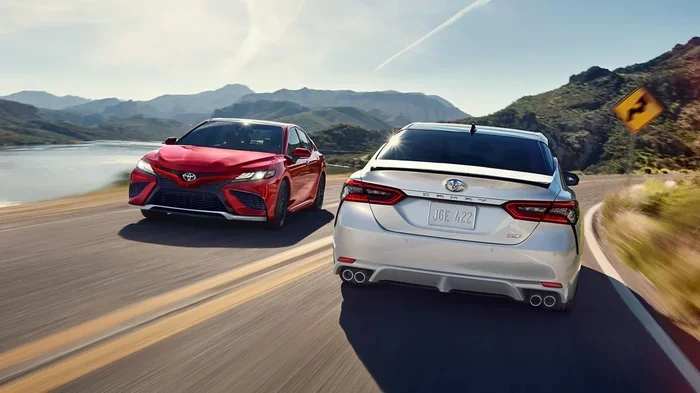
Both Toyota and Honda perform strongly in North America. Toyota’s truck and SUV lineup, including the RAV4, Camry, and Tacoma, drives significant sales in the US market. Honda’s Accord, Civic, and CR-V are also best sellers, but Toyota’s broader product portfolio gives it an edge in volume.
In Asia, Toyota dominates in markets like Japan, India, and Southeast Asia. Honda also has a strong presence in these regions but with a smaller overall footprint. In Europe, both companies have modest market share, but Toyota’s presence is slightly larger.
How Toyota and Honda Make Their Money
Understanding how each company generates income gives you deeper insight into the Toyota vs Honda financial comparison. Both automakers earn money from multiple sources, but their focus and strategies differ.
Toyota’s Revenue Streams
Toyota has built a financial empire that goes far beyond selling cars. The company operates through several key segments:
- Automotive: This is the core business. Selling vehicles to dealers and customers worldwide generates the bulk of Toyota’s income.
- Financial Services: Toyota Financial Services offers auto loans, leases, and insurance. This division has grown significantly and adds steady profit.
- All Other: This includes manufacturing operations, parts distribution, and licensing revenue from Toyota’s extensive patent portfolio.
Toyota’s financial services division is a hidden powerhouse. Many people do not realize that Toyota earns a significant portion of its profit from financing and leasing. When you buy a Toyota on credit, Toyota Financial Services earns interest and fees over the life of your loan.
Honda’s Revenue Streams
Honda also earns from multiple sources, but its structure is slightly different:
- Automobiles: Car sales remain Honda’s primary income source. The company focuses on fuel-efficient and reliable vehicles.
- Powersports: Honda’s motorcycle and power equipment divisions are major revenue contributors. This is where Honda stands out from Toyota.
- Aero Engines and Other: Honda’s jet engine division and industrial engine business add unique revenue streams.
- Financial Services: Honda Finance supports auto sales with loans and leasing products.
Honda’s powersports division is a major differentiator. While Toyota has tried to enter the motorcycle market, Honda is the undisputed king of two-wheelers. This division alone generates billions in revenue and adds diversity to Honda’s financial picture.
Which Brand Is Financially Stronger Going Forward?
The future of both Toyota and Honda looks bright, but the financial outlook favors Toyota in many ways. Let us look at what the coming years might hold for each company.
Toyota’s Financial Outlook
Toyota has a clear advantage in scale and diversification. The company is investing heavily in electric vehicles, hydrogen fuel cell technology, and autonomous driving. Toyota’s financial strength allows it to fund these investments without taking on excessive risk.
The company’s strong balance sheet and massive cash reserves give it a cushion during economic downturns. Toyota has also expanded its financial services business aggressively, creating a steady stream of income that is less affected by the ups and downs of car sales.
Honda’s Financial Outlook
Honda faces some challenges going forward. The company is smaller in scale than Toyota, which means it has less financial cushion during tough times. Honda has also been slower to transition to electric vehicles compared to some competitors.
However, Honda has strengths that could serve it well. The company’s focus on engineering excellence and fuel efficiency gives it a loyal customer base. Honda’s powersports business also provides a buffer against declines in the automotive market. The company is also investing in electric vehicles and plans to launch several new EV models in the coming years.
Quick Tips for Understanding Auto Company Finances
- Look at total revenue first: This tells you the overall size of the company.
- Check profit margins: Higher margins mean the company is efficient at turning sales into profit.
- Watch net income trends: Rising net income over time signals a healthy business.
- Consider diversification: Companies with multiple revenue streams are more resilient.
- Compare market share: A larger market share usually means more pricing power and stability.
Common Mistakes People Make When Comparing Car Companies
When comparing Toyota and Honda financially, people often make a few common mistakes. Avoiding these pitfalls will help you understand the real picture.
Mistake 1: Comparing only car sales. Both Toyota and Honda earn money from financial services, parts, and other divisions. Focusing only on vehicle sales gives an incomplete picture of their financial health.
Mistake 2: Ignoring currency effects. Toyota and Honda report in different currencies. Exchange rate fluctuations can make one company look stronger or weaker in a given year, even if their underlying performance is stable.
Mistake 3: Overlooking debt levels. A company might earn high revenue but carry heavy debt. Always look at net income and cash flow, not just top-line revenue.
Mistake 4: Forgetting about one-time costs. Recalls, natural disasters, and factory shutdowns can drag down a company’s profits in a specific year. Look at multi-year trends rather than single-year data.
Expert Insights on Toyota vs Honda Financial Performance
Industry analysts generally agree that Toyota holds a clear financial advantage over Honda. The scale of Toyota’s operations, its global reach, and its diversified income streams all contribute to stronger overall financial performance.
“Toyota’s financial strength comes from its sheer size and its ability to adapt to market changes,” says Dr. Takeshi Yamamoto, an automotive industry analyst. “Honda is a strong competitor, but it operates at a smaller scale, which limits its financial upside.”
That said, Honda should not be underestimated. The company has consistently delivered solid financial results and has a loyal customer base. Honda’s focus on quality and engineering excellence gives it a strong brand that commands premium prices in certain segments.
Key Takeaways from the Financial Comparison
- Toyota makes more money than Honda in terms of total revenue and net income.
- Toyota’s profit margins are higher due to its massive scale and efficient operations.
- Honda has unique strengths in the motorcycle and powersports markets that Toyota does not match.
- Both companies are financially healthy and well-positioned for the future of the auto industry.
- Toyota’s diversified income from financial services gives it an additional financial cushion.
So, does Toyota make more money than Honda? The data clearly shows that Toyota does. Year after year, Toyota’s revenue and profit exceed Honda’s. The gap is largely driven by Toyota’s bigger sales volume, global reach, and diversified business model.
However, Honda remains a formidable competitor. The company’s focus on quality, engineering, and innovation has kept it relevant and profitable for decades. Honda may not make as much money as Toyota, but it makes a lot of money — and it continues to grow.
If you are a car buyer, both Toyota and Honda represent excellent choices. Their financial strength means they can continue to invest in new technology, improve safety, and support their vehicles for years to come. And if you are an investor, both companies offer solid financial fundamentals, with Toyota having the edge in scale and consistency.
The Toyota vs Honda financial battle is far from over. Both companies are adapting to the shift toward electric vehicles, new mobility solutions, and changing consumer preferences. The next decade will be exciting for both brands, and their financial performance will continue to evolve.
In the end, the answer to does Toyota make more money than Honda is clear. Toyota wins on total revenue, profit, and market share. But Honda holds its own with strong margins, a loyal customer base, and unique revenue streams. Both companies are winners in their own right, and both will continue to shape the future of the auto industry for years to come.
Frequently Asked Questions
Does Toyota make more money than Honda every year?
In most years, yes. Toyota’s total revenue and net income consistently exceed Honda’s. However, there can be slight variations from year to year based on market conditions, currency fluctuations, and one-time events. Overall, Toyota maintains a clear financial lead.
Why does Toyota make more money than Honda?
Toyota sells more vehicles globally, operates at a larger scale, and has a more diversified income structure. Its financial services division and global manufacturing footprint give it a significant advantage in total revenue and profit compared to Honda.
Is Honda more profitable than Toyota per vehicle sold?
In some cases, Honda achieves competitive profit margins per vehicle. Honda’s focus on fuel-efficient engineering and its strong brand in certain segments allow it to earn healthy margins. However, Toyota’s overall profitability is still higher due to its much larger sales volume.
How does Honda make money besides car sales?
Honda earns significant revenue from its motorcycle and powersports divisions, which Toyota does not have at the same scale. Honda also operates a financial services division and earns from its aero engine and industrial engine businesses.
Which company has better financial stability, Toyota or Honda?
Toyota generally has stronger financial stability due to its larger cash reserves, lower debt relative to revenue, and consistent profitability. That said, Honda is also financially stable and has a strong balance sheet that supports its operations and growth plans.
Will Honda ever surpass Toyota in revenue?
It is unlikely in the near future. Toyota’s scale advantage is enormous, and the company continues to grow its global footprint. Honda would need dramatic growth in vehicle sales and revenue streams to close the gap significantly, which would take many years of sustained performance.