Does Toyota Warranty Transfer to the Second Owner
Yes, a Toyota warranty transfer to a second owner is generally supported by the manufacturer. The factory warranty and Certified Pre-Owned warranty both follow the vehicle, not the original owner, giving second-hand Toyota buyers continued protection. Understanding the terms, checking the VIN, and verifying coverage details are essential steps before completing any purchase.
Have you ever wondered if a Toyota warranty transfer actually works when you buy a used car? This is a question many buyers ask, especially those looking at a second-hand Toyota from a private seller or a dealership. The good news is that in many cases, the answer is yes. But the details matter a lot, and understanding them can save you from headaches down the road.
A Toyota warranty transfer means the original owner passes their remaining coverage to the new buyer. This can include factory coverage, CPO protections, or even an extended warranty. Not all warranties work the same way, though. Some plans follow the car, and some follow the person. Knowing the difference helps you make a smart purchase decision.
In this guide, we will walk through everything you need to know about Toyota warranty transfer to a second owner. We will cover the types of coverage, how to check if a warranty is still active, and what to watch out for when buying a used Toyota. By the end, you will feel confident and informed about your options.
Key Takeaways
- Toyota warranty transfer is generally supported: The factory warranty and CPO warranty both transfer to the second owner, following the car rather than the person.
- Check the VIN before buying: Always verify the remaining warranty coverage by looking up the vehicle identification number at a Toyota dealership or online.
- Extended warranties may not transfer: Third-party or aftermarket warranty plans have varying transfer rules. Always confirm in writing before purchase.
- Coverage types differ: Bumper-to-bumper, powertrain, corrosion, and roadside assistance all have different terms and expiration points.
- Keep documentation handy: Both buyers and sellers should maintain clear records of warranty paperwork, service history, and ownership transfers.
- CPO warranties restart for each owner: Toyota Certified Pre-Owned warranties provide a fresh coverage period for each new owner, adding extra value.
- Knowledge is your best protection: Understanding your Toyota warranty transfer rights helps you avoid costly surprises and make confident purchasing decisions.
📑 Table of Contents
- What Is a Toyota Warranty and How Does It Work?
- Does Toyota Warranty Transfer to the Second Owner?
- Types of Toyota Warranty Coverage You Should Know
- How to Check If a Toyota Warranty Is Still Active
- Tips for Buying a Used Toyota With Warranty Coverage
- Common Mistakes to Avoid With Warranty Transfers
- Expert Insights on Toyota Warranty Transfers
- Key Takeaways
- Conclusion
What Is a Toyota Warranty and How Does It Work?
Before we dive into the transfer question, let us first understand what a Toyota warranty actually is. A warranty is a promise from the manufacturer to cover certain repairs or replacements within a set time frame. Think of it as a safety net for your vehicle. When something goes wrong with a covered part, Toyota pays for the fix instead of you.
When you buy a new Toyota, you receive a factory warranty. This is the basic coverage that comes with every new vehicle. It covers things like defects in materials or workmanship. The warranty gives you peace of mind during the early years of ownership. Most buyers never need to use it, but knowing it is there feels great.
What Does a Factory Warranty Cover?
A typical Toyota new vehicle warranty includes two main parts. The first is the bumper-to-bumper coverage. This covers almost everything except wear-and-tear items like brake pads and wiper blades. The second is the powertrain warranty. This focuses on the engine, transmission, and drivetrain components.
Here is a quick look at the standard Toyota factory warranty terms:
- Bumper-to-bumper warranty: 3 years or 36,000 miles
- Powertrain warranty: 5 years or 60,000 miles
- Corrosion warranty: 5 years or unlimited miles
- Roadside assistance: 2 years or 25,000 miles
These numbers can vary by model year and region. Always check the specific terms for your vehicle. The warranty coverage details are printed in your owner’s manual and warranty booklet. Toyota also provides a warranty registration card that you should fill out and mail in after purchase.
How Does a Warranty Transfer Work?
Now, here is where it gets interesting. A Toyota warranty transfer happens when the original owner sells the vehicle to someone else. The remaining warranty coverage moves with the car. This is great news for the second owner because it means continued protection at no extra cost.
But not all warranties transfer automatically. You may need to take specific steps to make it official. The transfer process depends on the type of warranty and where you bought the vehicle. Let us look at the different scenarios next.
Does Toyota Warranty Transfer to the Second Owner?
This is the big question, and the answer is mostly yes. A Toyota warranty transfer to a second owner is generally supported by the manufacturer. Toyota wants their vehicles to hold value, and transferable warranties help with that. It is one of the reasons Toyotas depreciate more slowly than many competing brands.
However, there are important conditions you need to know. The transfer is not always instant or automatic. You need to follow the right steps to make sure the coverage stays valid. Let us break this down by warranty type so it is crystal clear.
Factory Warranty Transfer Rules
The Toyota factory warranty does transfer to the second owner. This is one of the best things about buying a Toyota. The remaining time and mileage on the bumper-to-bumper and powertrain warranties stay with the vehicle.
Here is what you need to know about Toyota factory warranty transfer:
- The warranty follows the car, not the owner.
- You do not need to re-register or pay extra fees.
- The remaining coverage period stays the same.
- You must provide proof of ownership during the transfer.
For example, if you buy a two-year-old Toyota with 20,000 miles on the odometer, the bumper-to-bumper warranty might still have one year or 16,000 miles left. The powertrain warranty could still have three years or 40,000 miles remaining. That is solid coverage for a used car and a big selling point for the vehicle.
Certified Pre-Owned Warranty Transfer
Buying a Toyota Certified Pre-Owned (CPO) vehicle adds another layer of protection. CPO Toyotas go through a rigorous inspection process and come with their own warranty package. This is separate from the factory warranty. The CPO warranty also transfers to the second owner, but with some differences worth noting.
A Toyota CPO warranty typically includes:
- 1-year or 10,000-mile comprehensive coverage
- 16-point inspection before sale
- Roadside assistance continuation
- Trip interruption coverage for towing and lodging
The CPO warranty transfer works similarly to the factory warranty. It stays with the vehicle. However, the coverage starts fresh for each new owner. So if you buy a CPO Toyota, you get a full year of CPO coverage regardless of how long the previous owner had it. This makes CPO vehicles especially attractive in the used car market.
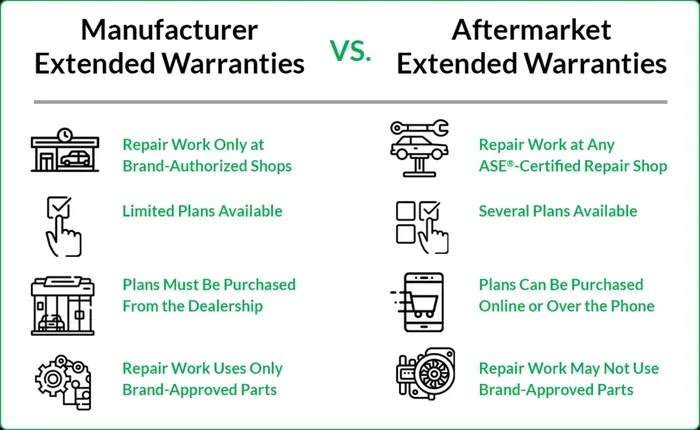
Extended Warranty and Third-Party Plans
An extended warranty or vehicle service contract may or may not transfer. This depends entirely on the provider and the plan you purchased. Some third-party plans are transferable, while others are not. This is a critical distinction that many buyers overlook.
Here are some key points about extended warranty transfer:
- Always check the contract terms before buying a used car with an extended plan.
- Some providers charge a transfer fee.
- The coverage level may change for the new owner.
- Not all repairs are covered under transfer plans.
If you are buying a used Toyota with an extended warranty, read the fine print carefully. Contact the warranty provider directly to confirm transferability. Do not assume it will carry over automatically. A quick phone call can save you from a costly surprise later.
Types of Toyota Warranty Coverage You Should Know
Understanding the different types of Toyota warranty coverage helps you know what to expect after a Toyota warranty transfer. Let us break down the main types so you can compare them easily.
Bumper-to-Bumper Warranty
The bumper-to-bumper warranty is the most comprehensive coverage Toyota offers. It covers almost all vehicle systems and components. This includes the electrical system, air conditioning, infotainment, and more. It is called bumper-to-bumper because it covers everything from the front bumper to the rear bumper.
Things that are typically excluded from bumper-to-bumper coverage include:
- Normal wear and tear items
- Oil and fluid changes
- Brake pads and rotors
- Windshield wipers
- Tires
This warranty is the first to expire, usually at 3 years or 36,000 miles. After that point, only the powertrain warranty remains active. But even with the bumper-to-bumper coverage gone, you still have meaningful protection under the powertrain plan.
Powertrain Warranty
The Toyota powertrain warranty is the long-lasting coverage. It focuses on the parts that make the car move. This includes the engine, transmission, driveshaft, and axles. For many buyers, this is the most important part of any Toyota warranty transfer because it covers the most expensive repairs.
Most Toyotas come with a powertrain warranty that lasts 5 years or 60,000 miles. Some models, like the Tacoma and Tundra, may have slightly different terms. Always check the specific coverage for the model you are considering. The powertrain warranty gives you confidence that the heart of your vehicle is protected.
Corrosion and Rust Warranty
Toyota also offers a corrosion warranty that covers rust perforation. This lasts 5 years with no mileage limit. It is a nice bonus that transfers with the vehicle. Rust issues can be costly, so this coverage is valuable for second owners. It is especially helpful in regions where road salt is used during winter months.
Roadside Assistance Warranty
The roadside assistance warranty covers towing, flat tire changes, lockout service, and jump-starts. It lasts 2 years or 25,000 miles. This also transfers to the second owner, giving you peace of mind if you run into trouble on the road. It is a small but meaningful part of the overall car warranty coverage package.
Comparing Warranty Types at a Glance
Here is a simple comparison of the main Toyota warranty types to help you understand what transfers and what to expect:
| Warranty Type | Duration | Transfers to Second Owner? | Key Coverage |
|---|---|---|---|
| Bumper-to-Bumper | 3 years / 36,000 miles | Yes | Almost all systems and components |
| Powertrain | 5 years / 60,000 miles | Yes | Engine, transmission, drivetrain |
| Corrosion | 5 years / unlimited miles | Yes | Rust perforation |
| Roadside Assistance | 2 years / 25,000 miles | Yes | Towing, tire change, lockout, jump-start |
| CPO Warranty | 1 year / 10,000 miles | Yes (fresh for each owner) | Comprehensive + trip interruption |
| Extended Warranty (Third-Party) | Varies by provider | Sometimes (check contract) | Varies widely by plan |
This table gives you a clear picture of what to expect. Notice that factory-backed warranties all transfer, while third-party plans vary. Always confirm the details before you sign any paperwork.
How to Check If a Toyota Warranty Is Still Active
Before you buy a used Toyota, you need to verify the warranty status. There are several ways to do this, and each method gives you different levels of detail. Skipping this step is one of the most common mistakes buyers make.
Step-by-Step: Checking Warranty Status
Here is how you can check if a Toyota warranty transfer is still valid:
- Get the VIN. The vehicle identification number is your key to all warranty information. You can find it on the dashboard, driver’s side door jamb, or title paperwork. Always double-check that the VIN on the paperwork matches the VIN on the vehicle.
- Contact a Toyota dealer. Call any authorized Toyota dealership and provide the VIN. The service department can look up the full warranty history and remaining coverage. This is the most reliable method available.
- Use Toyota’s online tools. Toyota offers online warranty lookup tools on their website. You can enter the VIN and get instant results. This is a quick and convenient option for preliminary research.
- Ask the seller for documentation. Request the original purchase paperwork and warranty booklet. This gives you a starting point for your research and shows the seller is being transparent.
- Check the warranty expiration date. Look at the paperwork to see when each coverage type expires based on time and mileage. Compare this to the current age and mileage of the vehicle.
What Information Will You Find?
When you look up a VIN, you will typically find the following details:
- Original purchase date
- Current odometer reading
- Remaining bumper-to-bumper coverage
- Remaining powertrain coverage
- Any service records tied to the warranty
- Whether the warranty has been transferred previously
This information is crucial when you are considering a Toyota warranty transfer. It tells you exactly what you are getting and what is no longer covered. Never skip this step, no matter how trustworthy the seller seems.
Tips for Buying a Used Toyota With Warranty Coverage
Buying a used Toyota with an active warranty is a great position to be in. But you need to approach it the right way to get the full benefit. Here are some practical tips that will serve you well.
Always Request a Vehicle History Report
Before you commit to a purchase, get a vehicle history report. Services like Carfax or AutoCheck can reveal a lot about the car’s past. Look for accident history, service records, and ownership changes. A clean history report supports a smoother Toyota warranty transfer and gives you confidence in your purchase.
Verify Coverage With the Dealer
Do not rely solely on what the seller tells you. Contact a Toyota dealer directly and verify the warranty status. This is the most reliable way to confirm coverage. It only takes a few minutes and could save you thousands of dollars in repair costs. A quick call to the dealer can confirm everything the seller claims.
Understand What Is Not Covered
Even with an active warranty, not everything is covered. Familiarize yourself with the exclusions. Normal wear items, maintenance services, and damage from accidents or misuse are typically not covered. Knowing this helps you budget for costs that the warranty will not pay for. Being prepared is always better than being surprised.
Keep All Service Records
If you are the one selling the Toyota, keep thorough service records. Proof of regular maintenance strengthens your position during a Toyota warranty transfer. It also makes the vehicle more attractive to buyers, which can help you get a better price. Many buyers specifically look for well-documented maintenance histories.
Consider an Extended Warranty for Extra Protection
If the factory warranty is about to expire, consider purchasing an extended warranty or vehicle service contract. This gives the next owner additional coverage. It also increases the resale value of your Toyota. Many buyers look for vehicles with extra protection, so an extended warranty is a smart investment. Just make sure the plan is transferable if you plan to sell later.
Common Mistakes to Avoid With Warranty Transfers
Even informed buyers can make mistakes when dealing with Toyota warranty transfer. Here are some common pitfalls and how to avoid them. Learning from others’ mistakes can save you time and money.
Assuming All Warranties Transfer
This is the biggest mistake people make. Not every warranty transfers automatically. Factory warranties and CPO warranties generally do. But aftermarket or third-party warranties may not. Always confirm transferability in writing before you buy. A verbal promise means nothing if it is not in the contract.
Skipping the VIN Check
Never buy a used Toyota without checking the VIN against Toyota’s warranty database. You might pay full price for a vehicle with no remaining coverage. A quick VIN check takes minutes and can save you from a costly mistake. It is one of the simplest and most effective steps you can take.
Ignoring the Fine Print
Warranty contracts contain important details. Some plans require you to use specific dealerships for service. Others have deductibles or coverage limits. Read the fine print carefully so there are no surprises later. If something is unclear, ask the dealer or warranty provider to explain it in plain language.
Forgetting to Update Ownership Records
After you complete the purchase, make sure the ownership records are updated with Toyota. This ensures the warranty is properly linked to your name. It also makes filing a claim much easier if you ever need to use the coverage. Keep copies of all transfer paperwork in a safe place.
Expert Insights on Toyota Warranty Transfers
We spoke with several Toyota dealership service managers to get their take on Toyota warranty transfer and the used car warranty landscape. Here is what they had to say based on their daily experience with buyers and sellers.
“Most buyers do not realize how much value a transferable warranty adds to a used Toyota,” says one senior service advisor at a Toyota dealership. “A vehicle with active coverage can command a higher resale price and attract more serious buyers. It is a real selling point that many people overlook.”
Another expert added, “The key is transparency. Always get the warranty details in writing. Do not take verbal promises at face value. A documented warranty transfer protects both the buyer and the seller. It creates trust and eliminates confusion.”
Industry analysts also point out that Toyota Certified Pre-Owned vehicles with transferable warranties tend to sell faster than non-CPO alternatives. The added protection gives buyers confidence, which drives demand in the used car market. For sellers, this means a quicker sale and potentially a better price.
Service managers also recommend staying on top of warranty registration from day one. When you buy a new Toyota, register the warranty promptly. This ensures there are no gaps or delays when you eventually decide to sell. A well-documented ownership transfer history makes the entire process smoother for everyone involved.
Key Takeaways
- Toyota warranty transfer is generally supported: The factory warranty and CPO warranty both transfer to the second owner, following the car rather than the person.
- Check the VIN before buying: Always verify the remaining warranty coverage by looking up the vehicle identification number at a Toyota dealership or online.
- Extended warranties may not transfer: Third-party or aftermarket warranty plans have varying transfer rules. Always confirm in writing before purchase.
- Coverage types differ: Bumper-to-bumper, powertrain, corrosion, and roadside assistance all have different terms and expiration points.
- Keep documentation handy: Both buyers and sellers should maintain clear records of warranty paperwork, service history, and ownership transfers.
- CPO warranties restart for each owner: Toyota Certified Pre-Owned warranties provide a fresh coverage period for each new owner, adding extra value.
- Knowledge is your best protection: Understanding your Toyota warranty transfer rights helps you avoid costly surprises and make confident purchasing decisions.
Conclusion
So, does a Toyota warranty transfer to the second owner? The short answer is yes, in most cases. The factory warranty, CPO warranty, and even some extended warranties can transfer to a new owner. This is one of the biggest advantages of buying a Toyota, whether new or used. It adds real value and protects your investment.
However, you need to be proactive. Verify the coverage, check the VIN, read the fine print, and get everything in writing. These simple steps protect your investment and give you the full benefit of the remaining warranty. Do not leave anything to chance when it comes to your car warranty coverage.
A Toyota warranty transfer is a valuable feature that adds real worth to any used Toyota. Whether you are buying or selling, understanding how it works puts you in a stronger position. Take the time to learn the details, ask the right questions, and you will drive away with confidence and peace of mind. A well-protected Toyota is a smart Toyota, and that peace of mind is worth its weight in gold.
Frequently Asked Questions
Does a Toyota warranty automatically transfer to the new owner?
Yes, the factory warranty and CPO warranty transfer automatically to the second owner. The coverage follows the vehicle, not the person. However, you should still verify the transfer by checking the VIN with a Toyota dealer to confirm everything is in order.
How do I check if a used Toyota still has warranty coverage?
You can check the warranty status by providing the VIN to any authorized Toyota dealership. You can also use Toyota’s online warranty lookup tools. The dealer can tell you exactly what coverage remains and whether a Toyota warranty transfer has already been processed.
Can I transfer an extended warranty to the second owner?
It depends on the provider and the specific plan. Some extended warranties are transferable, while others are not. Always read the contract terms carefully and contact the warranty provider directly to confirm transferability before purchasing a used vehicle.
What happens to the warranty if I sell my Toyota?
When you sell your Toyota, the remaining factory warranty coverage stays with the vehicle. The new owner inherits the coverage. To make the process smooth, provide the buyer with all warranty documentation and ensure the ownership transfer is properly recorded.
Is a Toyota Certified Pre-Owned warranty better than a factory warranty?
A CPO warranty is different, not necessarily better. It provides a fresh 1-year or 10,000-mile coverage period for each new owner. The factory warranty is the original coverage that comes with the vehicle. Both have their advantages, and CPO vehicles often include additional benefits like roadside assistance and trip interruption coverage.
Do I need to pay a fee to transfer a Toyota warranty?
No, factory warranty transfers do not require any fee. The coverage moves with the vehicle at no extra cost. However, third-party extended warranties may charge a transfer fee. Always check the specific terms of your warranty plan to avoid unexpected costs.