Does the 2017 Toyota Highlander Really Have Remote Start
The 2017 Toyota Highlander remote start feature is available on select trims, not all models. Factory remote start works with the smart key fob and integrates with climate control for pre-warming the cabin. If your Highlander lacks it, an aftermarket kit can add this convenience with professional installation.
Nothing beats stepping into a warm 2017 Toyota Highlander on a freezing morning. The 2017 Toyota Highlander remote start feature makes that possible. But not every Highlander trim comes with this convenience. Many buyers ask the same question: does the 2017 Toyota Highlander have remote start? The answer is not a simple yes or no. It depends on the trim level, factory packages, and whether the vehicle was optioned correctly.
The 2017 Highlander offered remote start on select trims and as part of convenience packages. If you own one or are shopping for a used model, knowing the details matters. This guide covers factory availability, how the system works, and your options if your Highlander lacks it. We will walk through the trims, the key fob functions, and the benefits of having this feature. By the end, you will know exactly what your 2017 Toyota Highlander can do. You will also learn how to add remote start if you want it.
Let us dive into the details.
Key Takeaways
- Factory Availability: Only the Limited and Platinum trims came with remote start standard on the 2017 Highlander. The XLE might have it as part of a convenience package.
- Key Fob Function: The remote start button on the smart key fob sends a coded signal to lock the doors and start the engine.
- Climate Control Link: The system automatically sets the HVAC to your last temperature, warming or cooling the cabin before you get in.
- Aftermarket Options: A professional aftermarket remote start kit can be added to any 2017 Highlander that lacks factory equipment.
- Safety Features: Factory remote start includes automatic engine shutoff, door lock engagement, and fob-range verification to prevent theft.
- Check Your VIN: The fastest way to confirm remote start is to decode your 17-character VIN or check the Monroney sticker for factory options.
- Cold Weather Benefit: Remote start is most valuable in freezing climates, where it clears frost and warms seats and the steering wheel.
📑 Table of Contents
The Short Answer: Does the 2017 Toyota Highlander Have Remote Start?
The short answer is that some 2017 Toyota Highlander models do come with remote start. The feature was available as a factory option or standard on higher trims. The base L and SE trims typically did not include it. The XLE trim sometimes offered it as part of a convenience package. The Limited and Platinum trims almost always had it standard. If you are checking a used 2017 Highlander, the trim level is the first thing to look at.
Factory remote start was a popular option for buyers in colder climates. It allowed them to warm up the engine and cabin before driving. The system uses the key fob to send a signal to the vehicle. You press a button on the fob, and the engine starts. This is different from aftermarket kits that require extra hardware. Factory systems integrate seamlessly with the push button start ignition. They also tie into the vehicle’s climate control system. This means you can set the temperature before you get in. The 2017 Highlander remote start is a genuine Toyota feature, not a bolt-on addition. It works with the Toyota Smart Key system. So, if your Highlander has the smart key, it may have remote start too. Always confirm with the vehicle identification number or the owner’s manual.
Factory Remote Start by Trim
The 2017 Toyota Highlander came in several trim levels. The availability of remote start varied by trim and package. Here is a quick look at the factory setup.
- L Trim: The base L trim did not offer factory remote start. It focused on essential features.
- SE Trim: The SE trim also lacked remote start as a standard feature. It was a sportier appearance package.
- XLE Trim: The XLE trim sometimes included remote start as part of the convenience package. It was not always standard, so check the build sheet.
- Limited Trim: The Limited trim almost always included remote start as standard equipment. It was part of the luxury package.
- Platinum Trim: The top-tier Platinum trim came with remote start standard. It was a key convenience feature for this premium model.
How to Tell if Your Highlander Has It
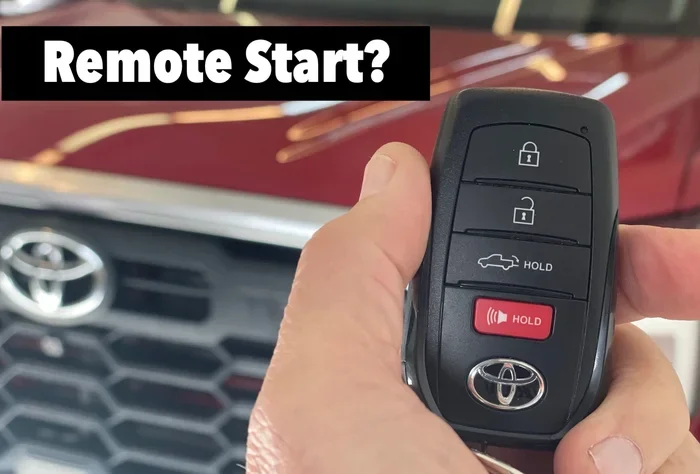
Checking whether your specific 2017 Highlander has remote start is straightforward. First, look at the key fob. The remote start button is usually marked with a curved arrow. It sits near the lock and unlock buttons. If your fob has this button, the vehicle likely supports the feature.
Next, check the instrument cluster. When you press the remote start button, the engine should turn over. The dash lights will illuminate, and the climate control will activate. You can also look at the window sticker if you are buying used. The Monroney sticker lists factory options. Search for “remote start” or “convenience package.” Another way is to use the Toyota Owners app. Some 2017 models support Toyota Remote Connect. This app allows you to start the vehicle from your phone. If the app shows remote start as a feature, your Highlander has it.
You can also consult the owner’s manual. The manual will have a section on remote engine start. It explains the range, conditions, and safety features. If you are still unsure, a Toyota dealer can look up your VIN. They will confirm the factory options installed. This is the most reliable method. Do not guess based on appearance alone, as different packages can be confusing.
How the 2017 Highlander Remote Start System Works
Understanding how the 2017 Toyota Highlander remote start system works helps you use it safely. The system is designed for convenience and efficiency. It relies on the vehicle’s immobilizer and ignition system. When you press the remote start button, the system checks several conditions. The doors must be locked. The transmission must be in park. The brake pedal does not need to be pressed for remote start. The engine will crank and idle. It will run for a preset time, usually 10 or 20 minutes.
The climate control system will turn on automatically. It will set the temperature to whatever you last had the HVAC set to. This is a huge comfort in winter. The seats and steering wheel can warm up too, if equipped. The system uses the smart key fob to communicate with the car. The fob must be within a certain range, typically around 50 feet. The vehicle will not start if the fob is too far away. This is a security measure. After the set time expires, the engine will shut off automatically. You can extend the idle time by pressing the button again. Most systems allow two cycles of 10 minutes.
The remote start system also engages the doors locks automatically. This keeps the vehicle secure while idling. The hazard lights may flash once to confirm the start. All these features work together to provide a seamless experience. The 2017 Highlander remote start is not just a remote; it is an integrated convenience feature.
Key Fob and Push-Button Start Integration
The key fob is the heart of the remote start process. The 2017 Highlander uses a smart key system. This means the fob communicates wirelessly with the car. The remote start button sends a coded signal. The vehicle’s computer verifies the code. If valid, it enables the starter motor. The engine starts without you turning a key. The push-button start ignition remains in standby. You do not need to touch the brake or the start button inside. This is what makes remote start so convenient. You can start the car from inside your house.
The key fob has a range of about 50 to 100 feet. Cold weather can reduce this range slightly. The fob battery must have enough charge to send the signal. If the fob battery is dead, remote start will not work. You can still start the car by walking up and pressing the start button. The integration with the push button start system is seamless. Toyota designed it to feel like a single, unified system. The remote start does not bypass any safety checks. The car still requires the correct fob authentication. This prevents theft. The system also checks that the doors are locked. If any door is unlocked, the remote start will not engage. This is a common safety feature across Toyota models. It ensures the vehicle is secure before you walk away.
Climate Control Pre-Conditioning
One of the best features of the 2017 Toyota Highlander remote start is the climate control link. When the engine starts remotely, the HVAC system comes on too. It uses the last temperature setting you used. If you had the heat at 72 degrees, it will set the heat to 72. The blower fan will run at a low or medium speed. This warms the cabin before you arrive. In summer, you can set the air conditioning to cool the seats. The 2017 Highlander may have heated seats as an option. The remote start can turn on the seat warmers. This is a luxury feature that makes winter driving much nicer. The steering wheel heater, if equipped, also activates.
The climate control system draws power from the engine. The engine idles at a lower RPM to save fuel. It will increase RPM if the cabin needs more heat. This is all automatic. You do not need to fiddle with controls. The climate control pre-conditioning is a major selling point for the Highlander. It shows how Toyota integrated comfort into the remote start system. You can cancel the climate settings by turning the system off before you leave the vehicle. The next remote start will use the new settings.
Quick Tips for Using Remote Start
- Always lock the doors before pressing the remote start button. The system will not engage if any door is unlocked.
- Replace the key fob battery once a year, or when you notice reduced range.
- Do not leave the vehicle running in an enclosed garage for more than a few minutes.
- Use the remote start 10 minutes before you plan to drive for optimal cabin warmth.
- Check the owner’s manual for your specific model year’s exact remote start range and conditions.
Which Trims Offered Remote Start in 2017?
The 2017 Toyota Highlander came in several trim levels. Not all of them included remote start as standard. The availability depended on the trim and the optional packages. Here is a detailed breakdown of the trims and their remote start status.
If you are shopping for a used 2017 Highlander, the Limited and Platinum trims are your best bet for factory remote start. The XLE might have it if it was optioned. The SE and L trims will not have it unless retrofitted. Always ask the seller for the window sticker or the build sheet. These documents list all factory options. You can also use online tools to decode the VIN. Many websites offer free Toyota build sheet lookups. Enter the 17-character VIN, and the tool will show the installed options. This is the most accurate way to confirm remote start availability.
Remember, the 2017 Highlander remote start feature is tied to the trim and package. It is not a standalone option you could add to any trim at the factory. The convenience package on the XLE sometimes bundled remote start with other features like a power liftgate or upgraded audio. If you see a 2017 Highlander with remote start on a lower trim, it was likely added by a previous owner with an aftermarket system. Always verify the original factory options.
Adding Remote Start Aftermarket
If your 2017 Highlander does not have factory remote start, you are not out of luck. Aftermarket remote start systems are widely available. Many Toyota owners choose to add this feature themselves. The aftermarket route offers flexibility. You can get a system that matches your needs and budget. Here is what you need to know about aftermarket remote start.
Aftermarket Remote Start Kits
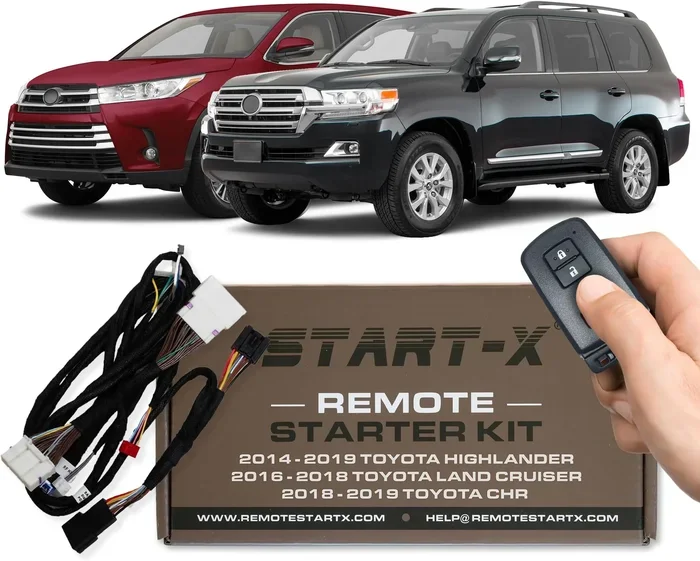
Aftermarket remote start kits are devices that you install in your vehicle. They interface with the existing ignition and wiring. The kit includes a control module, a bypass module, and a remote transmitter. The control module connects to the ignition switch. The bypass module allows the engine to start without the smart key inside. This is necessary because the factory system requires the key fob to be inside for push-button start. The aftermarket kit tricks the car into thinking the key is present. You can buy a basic two-button remote kit for around $50 to $150. More advanced kits include two-way remotes with range up to a mile. Some kits also include smartphone integration. You can start your Highlander from an app.
The installation requires splicing into the vehicle’s wiring harness. It also involves connecting to the ignition wires and the starter relay. The kit must be programmed to your specific vehicle. A professional installer will ensure everything is wired correctly. They will also configure the remote start to work with the factory keyless entry system. This is important for maintaining the vehicle’s security features. A quality aftermarket system can feel nearly identical to the factory setup. The key fob may look different, but the function is the same.
Professional Installation vs. DIY
Deciding between professional installation and a DIY project depends on your skills. Professional installation is recommended for most people. A qualified installer will have the right tools and knowledge. They will wire the kit without damaging the factory harness. They will also program the remote to work with the vehicle’s immobilizer. This ensures the remote start does not void the warranty. A DIY installation can save money, but it carries risks. If you wire something incorrectly, you could damage the electrical system. You might also trigger the security alarm, which can be hard to reset.
If you are experienced with automotive wiring, you might attempt it. Always disconnect the battery before starting any work. Follow the kit instructions carefully. Use a wiring diagram specific to the 2017 Highlander. Many online forums and videos guide you through the process. However, for most owners, paying a professional is the safest route. The cost for professional installation typically ranges from $150 to $300, depending on the kit. This is a worthwhile investment for the convenience gained.
Expert Insight: Choosing the Right Kit
When selecting an aftermarket remote start kit, look for one that supports the Toyota smart key system. The bypass module must be compatible with the 2017 Highlander’s immobilizer. Two-way remotes are a nice upgrade because they confirm the start with a signal back to the fob. Brands like Compustar, Viper, and DroneMobile are popular choices. Ask the installer about warranty coverage on both the kit and the labor. A good installation will not affect your factory keyless entry or push-button start functions.
Benefits of Having Remote Start on Your Highlander
The 2017 Toyota Highlander remote start offers several real-world benefits. It is more than just a luxury feature. It provides comfort, safety, and even engine health advantages. Here are the main benefits you get when your Highlander has this system.
Cold Weather Comfort
The biggest advantage of remote start is the comfort it provides in cold weather. Imagine waking up in the dark, frosty morning. Instead of scraping ice off the windshield, you press a button. The engine starts, and the heater begins to blow warm air. Within 10 minutes, the cabin is comfortable. The windshield defroster clears the frost. You can step into a warm Highlander. This is especially valuable in northern states or cold climates. The heated seats, if equipped, warm up your back and legs. The steering wheel becomes gripable instead of frozen. You do not have to wait for the engine to warm up while driving. The remote start does that work for you.
It also reduces wear on the engine. A cold engine is under more stress. Letting it idle for a few minutes allows the oil to circulate. This can extend the engine’s life over time. The cold weather comfort alone is worth the feature for many Highlander owners. It transforms the morning routine from a chore into a pleasant experience.
Safety and Security Features
Remote start also enhances safety and security. When you start the Highlander remotely, the doors remain locked. The vehicle is secured while the engine idles. No one can enter the cabin without the smart key. This is a theft deterrent. The system also includes an automatic engine shutoff. If the car is left running for too long, it will turn off. This prevents fuel waste and reduces the risk of carbon monoxide buildup. If you park in a garage, you should never leave the car running unattended. But the automatic shutoff adds a layer of protection.
The remote start also allows you to control the climate from a distance. In summer, you can cool the cabin before getting in. This prevents the dashboard from becoming dangerously hot. For families with children, the ability to cool the car is a safety benefit. The 2017 Toyota Highlander remote start integrates with the vehicle’s overall security architecture. It is not a separate, vulnerable system. It uses the same encrypted signals as the factory keyless entry. This ensures reliability and peace of mind.
Resale Value and Convenience
Having remote start can also boost the resale value of your Highlander. Many buyers look for this feature, especially in colder regions. It signals a higher trim level and added comfort. The convenience of starting the car from a distance is something you get used to quickly. You will not want to go back to a vehicle without it. Whether you use it to warm up on a winter morning or cool down in summer, remote start adds real value to the ownership experience.
Common Misconceptions and Troubleshooting
There are many myths surrounding remote start systems. Some people believe they are bad for the engine. Others think they are only for luxury cars. Let us clear up some common misconceptions. We will also cover troubleshooting tips for the 2017 Highlander remote start.
Myths About Factory Remote Start
One common myth is that remote start wastes a lot of fuel. In reality, idling for 10 minutes uses very little fuel. The engine is under no load during idle. The fuel injection system adjusts to maintain efficiency. Another myth is that remote start damages the starter motor. Factory systems are designed for repeated use. The starter engages for only a few seconds. It is built to handle this. Some people think remote start is only for winter. In fact, it is equally useful in summer for cooling the cabin. The 2017 Toyota Highlander remote start is a well-engineered feature. It is not a gimmick. It is a genuine convenience that Toyota has refined over years. Do not let these myths stop you from using the feature if you have it.
Common Mistakes to Avoid
- Forgetting to lock the doors before pressing the remote start button.
- Leaving the vehicle running unattended in an enclosed space.
- Ignoring the key fob battery warning, which can leave you stranded.
- Assuming all trims have remote start without checking the build sheet.
- Over-relying on remote start and skipping the normal warm-up drive.
What to Do If Remote Start Isn’t Working
If your remote start stops working, check a few things first. The most common cause is a weak key fob battery. Replace the battery in the fob and try again. Ensure the doors are fully locked. The system will not start if any door is unlocked. Check that the transmission is in park. The Highlander will not remote start in any other gear. Also, verify that the vehicle has enough fuel. Some systems disable remote start if the fuel level is below a quarter tank. This is a safety feature.
If the problem persists, the control module may need reprogramming. A Toyota dealer can diagnose the issue with a scan tool. They can also check for any fault codes. In rare cases, the bypass module in an aftermarket kit can fail. If you have an aftermarket system, the installer can troubleshoot it. Factory remote start issues are rare. They usually stem from a simple fix like a dead fob battery. Keep spare batteries on hand, especially in cold weather when the fob works harder.
Conclusion
The 2017 Toyota Highlander remote start feature is a convenient and desirable option. Not every trim comes with it, but the Limited and Platinum models do. The XLE may have it as part of a package. If your Highlander lacks factory remote start, an aftermarket kit is a great solution. The system works with your smart key fob to start the engine and climate control remotely. It provides comfort in cold weather and enhances security. Always check your trim and options to confirm availability. If you are adding it, choose a professional installer for the best results.
The 2017 Highlander is a versatile SUV that can be equipped with this useful feature. Whether you use it to warm up on a winter morning or cool down in summer, remote start adds real value. Consider it a worthwhile upgrade for any Highlander owner. Now you know everything you need to make an informed decision about your 2017 Toyota Highlander’s remote start capability.
Frequently Asked Questions
Can I add remote start to a 2017 Highlander that didn’t come with it?
Yes, you can add aftermarket remote start to any 2017 Highlander. A professional installer can fit a kit that interfaces with the factory ignition and keyless entry system. The cost typically ranges from $150 to $300 for parts and labor. It is a reliable way to get the convenience if your Highlander lacks the factory feature.
How much does a factory remote start cost on a 2017 Highlander?
Factory remote start was not a standalone option on the 2017 Highlander. It came bundled in the convenience package on the XLE or was standard on the Limited and Platinum trims. If you are buying a used model, the feature is already included in the vehicle’s price. There is no separate cost to activate it.
Does the 2017 Highlander remote start work with the key fob?
Yes, the factory remote start works directly with the smart key fob. You press the curved arrow button on the fob to start the engine. The fob must be within range, typically about 50 feet, and the doors must be locked. The system verifies the fob’s coded signal before engaging the starter.
Is remote start safe for the engine?
Factory remote start is completely safe for the engine. Toyota designed the system to allow a few minutes of idle time. The engine oil circulates, and the automatic shutoff prevents excessive idling. It is a well-engineered feature that does not cause additional wear. In fact, letting the engine warm up before driving can be beneficial.
Can I use the Toyota app for remote start on a 2017 Highlander?
Some 2017 Highlander models support Toyota Remote Connect through the Toyota Owners app. This app-based remote start requires a compatible smart key fob and a subscription service. Check your vehicle’s features or ask a dealer if your specific VIN supports the app. Not all 2017 models have this capability.
What is the difference between factory and aftermarket remote start?
Factory remote start is integrated into the vehicle’s systems from the assembly line. It uses the original smart key fob and blends seamlessly with the dashboard and climate controls. Aftermarket remote start is added later by a third party. It requires a separate control module and bypass device. While aftermarket systems work well, they may not look or feel exactly like the factory system. Professional installation ensures the best results.