How Do You Reset the Hybrid Light on a Toyota Prius
The hybrid warning light on a Toyota Prius can be confusing and stressful, but resetting it is often simpler than you think. This guide walks you through every method to reset the hybrid light on a Toyota Prius, from simple dashboard tricks to using an OBD scanner. You will learn what triggers the light, how to diagnose the real problem, and when to seek professional help. Whether your Prius is older or newer, these tips apply across most model years. By the end, you will feel confident tackling the hybrid light reset yourself.
The hybrid warning light on a Toyota Prius can catch anyone off guard. One moment you are driving along, and the next, a strange symbol lights up on your dashboard. It is natural to feel a little worried. But here is the good news. Resetting the hybrid light on a Toyota Prius is something most owners can do at home. You do not need to be a mechanic or spend hundreds of dollars at a shop. This guide will show you exactly how to do it, step by step. We will also cover what causes the light to come on in the first place, so you can fix the real problem and not just the warning.
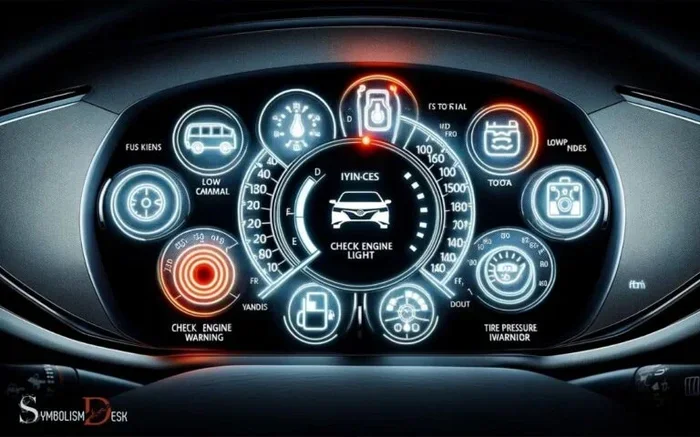
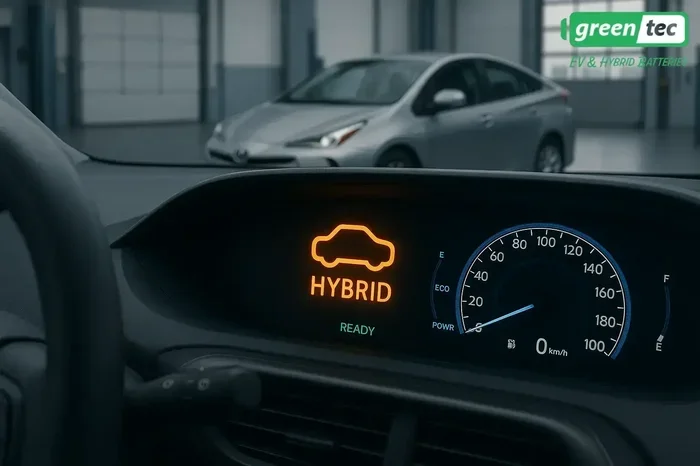
Before we dive into the reset process, let us talk about what this light actually means. The hybrid warning indicator on a Prius is designed to alert you to potential issues with the hybrid battery system, the electric motor, or related components. Sometimes it appears as a red or yellow triangle with an exclamation mark. Other times, it shows a specific hybrid system icon. The color and symbol matter because they tell you how urgent the situation is. A red light usually signals something that needs immediate attention. A yellow light often points to a less urgent issue, but you should still address it soon.
Knowing what the light looks like and what it means gives you a big advantage. It helps you decide whether you can safely drive to a repair shop or if you need to pull over right away. Understanding your Prius dashboard lights is the first step toward staying safe and keeping your car in top shape.
Now let us get into the heart of this guide. The Toyota Prius hybrid light reset can be done in several different ways depending on your model year and the specific issue. We will cover the most common and effective methods so you can pick the one that works best for your situation.
Key Takeaways
- Multiple reset methods exist: You can reset the hybrid light through the dashboard, by disconnecting the battery, or with an OBD scanner tool.
- Understanding the cause is key: Simply resetting the light without fixing the underlying issue will not solve the problem long-term.
- Common triggers include: Low hybrid battery voltage, faulty sensors, and overdue maintenance intervals.
- Safety first: Always turn off the engine and let the car cool down before attempting any reset or diagnostic work.
- Professional help may be needed: If the light keeps coming back, a deeper hybrid system inspection is likely required.
- Regular maintenance prevents issues: Staying on top of Toyota Prius service schedules reduces the chance of hybrid warnings appearing.
📑 Table of Contents
- Method 1: Reset the Hybrid Light Using the Dashboard
- Method 2: Disconnect the 12-Volt Battery
- Method 3: Use an OBD-II Scanner
- What Triggers the Hybrid Warning Light?
- Quick Tips for a Successful Reset
- Common Mistakes to Avoid
- When to See a Professional Mechanic
- Preventing Future Hybrid Light Issues
- Final Thoughts on Resetting the Hybrid Light
Method 1: Reset the Hybrid Light Using the Dashboard
The simplest way to reset the hybrid warning light is directly through the dashboard controls. This method works on most Toyota Prius models from 2004 onward. It does not require any special tools or technical knowledge.
Step-by-Step Dashboard Reset
- Turn the ignition to the “ON” position without starting the engine. Press the power button once without pressing the brake pedal.
- Locate the trip meter reset button on the dashboard or steering wheel controls. On most Prius models, this is a small button near the speedometer cluster.
- Press and hold the reset button for about 10 to 15 seconds while the ignition is in the ON position.
- Release the button and then start the engine normally by pressing the power button with your foot on the brake.
- Check the dashboard to see if the hybrid warning light has turned off.
This method works well when the light was triggered by a temporary sensor glitch or a minor electrical hiccup. Think of it like restarting your computer when it starts acting up. Sometimes the system just needs a fresh start. If the light stays off after this reset, you are likely in good shape. But if it comes back after a few drives, there is a deeper issue you need to investigate.
Method 2: Disconnect the 12-Volt Battery
If the dashboard reset did not work, the next step is to disconnect the 12-volt auxiliary battery. This method essentially clears all stored error codes and resets the entire electrical system. It is a bit more involved than the dashboard method, but it is still something most Prius owners can handle at home.
How to Safely Disconnect the Battery
- Turn off the engine and make sure the car is parked on a flat surface with the parking brake engaged.
- Open the hood and locate the 12-volt battery. On most Toyota Prius models, it is located in the trunk area, usually on the driver’s side.
- Use a wrench to loosen the negative terminal bolt first. Always disconnect the negative cable first to avoid short circuits.
- Wait at least 15 minutes after disconnecting the battery. This gives the car’s computer time to fully reset.
- Reconnect the negative terminal and tighten the bolt securely.
- Start the engine and check whether the hybrid warning light has cleared.
This method is very effective for clearing stubborn warning lights. However, keep in mind that disconnecting the battery may also reset your radio presets, clock, and other personalized settings. Have those details handy before you begin. Also, some Prius models may require a relearn procedure for the idle air control after a battery disconnect, so drive gently for the first few miles.
Method 3: Use an OBD-II Scanner
An OBD-II scanner is the most thorough way to reset the hybrid light and diagnose the root cause at the same time. This tool plugs directly into your Prius’s diagnostic port and reads error codes stored in the car’s computer system.
Why an OBD Scanner Is Worth It
OBD scanners are relatively inexpensive and widely available. You can pick one up at any auto parts store or online for under $50. Some advanced models even send data to your smartphone through a Bluetooth connection. Using a scanner gives you two major benefits:
- You can read the specific error codes that triggered the hybrid light, so you know exactly what is wrong.
- You can clear the codes and reset the light directly from the device after addressing the issue.
How to Use an OBD Scanner on a Prius
- Locate the OBD-II port under the dashboard on the driver’s side. It is usually near the steering column.
- Plug the scanner into the port and turn the ignition to the ON position.
- Follow the scanner’s instructions to read the stored diagnostic trouble codes.
- Look up the codes in the scanner’s database or online. Common hybrid-related codes include P0A80 (replace hybrid battery pack) and P0AA6 (hybrid system malfunction).
- Fix the underlying issue based on the code reading.
- Use the scanner to clear the codes and reset the hybrid warning light.
Pro tip: Write down the error codes before clearing them. Even if the light goes away, having those codes helps a mechanic diagnose the problem faster if it returns. This is one of the best habits for Toyota Prius maintenance and long-term reliability.
What Triggers the Hybrid Warning Light?
Understanding what causes the hybrid light to come on helps you prevent future issues and know when a reset is appropriate versus when you need actual repairs.
Low Hybrid Battery Voltage
The most common reason for the hybrid warning light is low voltage in the hybrid battery pack. The Prius uses a high-voltage nickel-metal hydride or lithium-ion battery pack depending on the model year. Over time, individual cells can degrade and lose their charge capacity. When the battery voltage drops below a certain threshold, the car’s computer triggers the warning light. This is especially common in older Prius models with higher mileage.
Faulty Hybrid Sensors
The Prius relies on a network of sensors to monitor the hybrid system. These include voltage sensors, temperature sensors, and current sensors. When any of these sensors malfunction or send incorrect readings, the hybrid light comes on. Sensor issues are often fixable with a simple replacement part and a quick reset.
Overdue Maintenance
Sometimes the hybrid light is simply a maintenance reminder. The Prius tracks service intervals and will display a warning when it is time for an oil change, brake inspection, or other routine service. Resetting the maintenance light is a straightforward process separate from the hybrid system reset.
Wiring and Electrical Issues
Corroded connectors, damaged wiring harnesses, or loose electrical connections can all trigger the hybrid warning light. The high-voltage system in a Prius uses specialized wiring that can degrade over time, especially in extreme climates. Regular visual inspections of the battery pack area and wiring connections can help catch these issues early.
Hybrid Battery Failure
In more serious cases, the hybrid warning light signals an actual battery pack failure. This typically happens in vehicles with very high mileage or those that have experienced extreme temperatures. A failed hybrid battery pack will need professional replacement, and a simple reset will not solve the problem permanently.
Quick Tips for a Successful Reset
Resetting the hybrid light is straightforward, but a few tips can make the process smoother and more effective:
- Always start with the simplest method before moving on to battery disconnects or scanners.
- Make sure your car is fully warmed up before attempting a reset. Drive it for at least 10 minutes.
- Check the hybrid battery health with a scanner before resetting. If the battery is failing, a reset is only a temporary fix.
- Keep your owner’s manual handy for model-specific instructions and fuse box diagrams.
- Do not ignore the light if it returns immediately after a reset. Persistent warnings indicate a real problem that needs attention.
- Use genuine Toyota parts when replacing any hybrid system components to maintain reliability and warranty coverage.
Common Mistakes to Avoid
Even experienced car owners make mistakes when dealing with hybrid warning lights. Here are some common errors to watch out for:
- Resetting the light without diagnosing the cause. This is the biggest mistake. If you clear the light and the problem persists, you could be driving with a serious issue that gets worse over time.
- Disconnecting the wrong battery. The Prius has both a 12-volt auxiliary battery and a high-voltage hybrid battery pack. Never attempt to disconnect the high-voltage pack yourself. It carries dangerous voltage levels and should only be handled by trained professionals.
- Ignoring error codes. If you use an OBD scanner and see codes, do not just clear them without understanding what they mean. The codes are clues that point you toward the real fix.
- Delaying repairs. Some owners reset the light and hope the problem goes away on its own. In most cases, it does not. Early intervention saves money and prevents more serious damage to the hybrid system.
- Attempting DIY repairs on high-voltage components. The hybrid system operates at several hundred volts. Unless you are a trained technician, leave high-voltage repairs to the professionals.
When to See a Professional Mechanic
There is a clear line between resets you can handle yourself and situations that require a professional. You should take your Prius to a qualified mechanic or Toyota dealer if:
- The hybrid warning light keeps coming back after multiple resets.
- You notice a significant drop in fuel economy alongside the warning light.
- The car enters limp mode or limits your speed.
- You hear unusual sounds from the hybrid system area, such as buzzing or clicking.
- The dashboard displays a red warning light instead of a yellow one.
- You see error codes related to the high-voltage battery or inverter on your OBD scanner.
A professional mechanic has access to specialized Toyota diagnostic tools and the training to safely work on hybrid systems. Many independent shops now specialize in Toyota hybrid repair and can often help at a lower cost than a dealership. Do not hesitate to seek help when the situation calls for it.
Preventing Future Hybrid Light Issues
The best way to deal with the hybrid warning light is to prevent it from coming on in the first place. A few simple habits go a long way in keeping your Prius’s hybrid system healthy:
- Follow the recommended maintenance schedule in your owner’s manual. Regular oil changes, brake inspections, and fluid checks keep everything running smoothly.
- Monitor your hybrid battery health periodically using an OBD scanner. Catching degradation early gives you time to plan for a replacement before a complete failure.
- Avoid extreme temperatures when possible. Both very hot and very cold climates can accelerate battery degradation.
- Drive gently when the car is cold. Allow the hybrid system to warm up gradually rather than pushing it hard from a cold start.
- Keep electrical connections clean and inspect them periodically for corrosion or wear.
Taking a proactive approach to hybrid system care not only prevents warning lights but also extends the overall lifespan of your Prius. These cars are known for incredible longevity, and a little prevention goes a long way toward keeping yours on the road for many more miles.
Final Thoughts on Resetting the Hybrid Light
Resetting the hybrid light on a Toyota Prius is a task that most owners can handle with basic tools and a little patience. Whether you use the dashboard reset method, disconnect the auxiliary battery, or plug in an OBD scanner, the process is straightforward and well within reach. The key is to understand why the light came on in the first place and address the root cause, not just the symptom.
Remember that the hybrid warning light is your car’s way of communicating with you. It is trying to tell you something important about the health of your hybrid system. Respecting that warning and taking action promptly keeps both you and your Prius safe on the road. Stay proactive with maintenance, keep diagnostic tools handy, and do not ignore warning lights. Your Prius will reward you with years of reliable, efficient driving.
If you found this guide helpful, share it with other Prius owners in your life. The more people know about proper hybrid vehicle maintenance, the better off all hybrid cars on the road will be. Happy driving, and here is to keeping that hybrid light off for good.
Frequently Asked Questions
Can I drive my Prius with the hybrid warning light on?
In most cases, you can still drive the car, but it depends on the severity of the issue. A yellow light usually means you can drive cautiously to a repair shop. A red light or a light accompanied by reduced power means you should pull over safely and seek assistance. Always use your judgment and prioritize safety.
How much does it cost to reset the hybrid light on a Toyota Prius?
Resetting the light itself costs nothing if you use the dashboard method or disconnect the battery. An OBD scanner costs between $20 and $100 for a basic model. If you visit a mechanic for a professional diagnosis and reset, expect to pay between $100 and $300 depending on your location and the underlying issue.
Will resetting the hybrid light fix my battery problem?
No. Resetting the light only clears the warning indicator. It does not repair any actual problems with the hybrid battery or other components. If the battery is degraded or failing, you will need to address that issue directly. A reset without a fix will only provide temporary relief before the light returns.
How do I know if my Prius hybrid battery needs replacement?
Signs that your hybrid battery may need replacement include a persistent warning light, significant drops in fuel economy, reduced power during acceleration, and the car entering limp mode. An OBD scanner can also reveal specific codes that point to battery degradation. A professional load test can confirm the battery’s health.
What is the difference between the hybrid light and the check engine light on a Prius?
The hybrid light specifically warns about issues in the hybrid powertrain system, including the battery pack, electric motor, and inverter. The check engine light is a broader warning that can indicate problems with the engine, emissions system, or other components. Both lights can appear on the dashboard at the same time if the issue affects multiple systems.
How often should I scan my Prius for error codes?
It is a good practice to scan for error codes at least once every few months, especially if you notice any unusual behavior from the car. If the hybrid light comes on, scan immediately. Many auto parts stores offer free OBD scanning, making it easy to stay on top of your Prius’s health without any cost.
=== CONCLUSION ===
Knowing how to reset the hybrid light on a Toyota Prius is an essential skill for any Prius owner. The process is simpler than most people think, and it can save you time and money. Start with the dashboard reset, move to a battery disconnect if needed, and use an OBD scanner for the most thorough approach. Always remember to investigate the root cause behind the warning light before clearing it. Regular maintenance, careful driving, and periodic diagnostics keep your Prius running strong for years to come. Take charge of your car’s health today and enjoy the confidence that comes with understanding your hybrid vehicle.