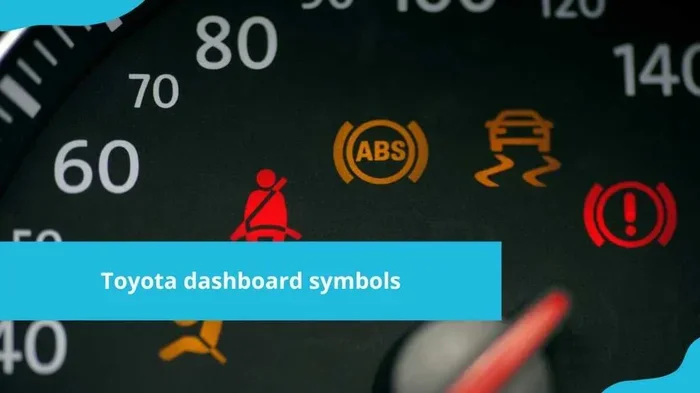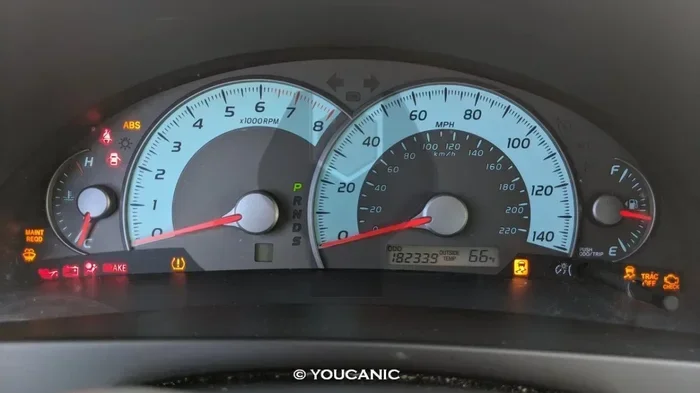
How Do You Turn Off the TPMS Light on a 2010 Toyota Camry
Knowing how to turn off the TPMS light on a 2010 Toyota Camry can save you time and stress. This guide covers every method from simple resets to sensor fixes. You will learn why the light comes on, how to check your tire pressure, and the exact steps to reset the system.
That little yellow light on your dashboard can really get to you. One moment you are driving along, and then there it is — the TPMS light on a 2010 Toyota Camry. It glows like a tiny alarm, and suddenly your mind races with questions. Is something wrong with your tires? Is it safe to keep driving? What do you even do now?
If you have been searching for how to turn off the TPMS light on a 2010 Toyota Camry, you are in the right place. This guide walks you through every step in plain, simple language. You do not need to be a mechanic. You just need a little patience and the right information. By the end of this article, you will know exactly what to do and why the light came on in the first place.
The tire pressure monitoring system, or TPMS, is a safety feature. It watches the air pressure inside your tires and alerts you when something is off. On the 2010 Toyota Camry, this system is reliable, but it is not perfect. Sometimes the light stays on even after you fix the problem. Other times, it comes on for reasons you would not expect. Either way, understanding the system helps you respond quickly and correctly.
Key Takeaways
- Simple Reset: You can often turn off the TPMS light on a 2010 Toyota Camry with a straightforward reset procedure.
- Check Tire Pressure First: Always verify your tire pressure before attempting any reset, as low air is the most common cause.
- Sensor Issues Matter: A faulty TPMS sensor can trigger the light even when tire pressure is fine.
- Multiple Methods Work: There are several ways to reset the system, including the steering wheel controls and the fuse method.
- Safety First: Never ignore the TPMS light for long, as it warns you about potential tire dangers.
- Professional Help Helps: When DIY methods fail, a mechanic or Toyota dealer can diagnose deeper problems.
📑 Table of Contents
- Why Does the TPMS Light Come On?
- How to Check Your Tire Pressure
- How to Turn Off the TPMS Light on a 2010 Toyota Camry
- Common Mistakes People Make When Trying to Reset the TPMS Light
- When to See a Mechanic
- Preventing the TPMS Light from Coming Back
- Expert Insights on TPMS Systems
- Key Takeaways
- Conclusion
Why Does the TPMS Light Come On?
Before you learn how to reset the light, it helps to understand what triggered it. The TPMS light on a 2010 Toyota Camry can turn on for several reasons. Some are simple fixes. Others need a bit more attention. Let us look at the most common causes.
Low Tire Pressure
This is the number one reason the light comes on. When one or more tires lose air, the TPMS sensor detects the drop. It then sends a signal to your car’s computer, which lights up the dashboard. Even a small leak can cause this. A nail in the tire, a loose valve stem, or just natural air loss over time can all trigger the warning.
Cold weather is another sneaky culprit. When temperatures drop, the air inside your tires contracts. This can lower the pressure enough to activate the TPMS light. If you notice the light comes on more in winter, this is likely why.
Faulty TPMS Sensor
Sometimes the problem is not the tire at all. The TPMS sensor itself can fail. These small devices sit inside the tire or on the valve stem. They have batteries that last several years. When the battery dies, the sensor cannot send data. Your car then assumes something is wrong and turns on the light.
On a 2010 Toyota Camry, the TPMS sensors are located near the valve stems. Over time, they can also get damaged from road debris, corrosion, or normal wear. A dead sensor battery is one of the most common reasons the light stays on after you inflate your tires.
Temperature Changes and Altitude Shifts
Rapid changes in temperature or altitude can temporarily confuse the TPMS system. If you drive from a warm area into cold mountains, the air pressure in your tires can shift quickly. The system may flag this as a problem. Usually, the light goes away once conditions stabilize.
TPMS System Malfunction
In rare cases, the entire TPMS system can malfunction. A wiring issue, a blown fuse, or a problem with the car’s computer can keep the light on. This is less common but still worth considering if none of the other causes fit.
How to Check Your Tire Pressure
Before you try to reset anything, check your tire pressure. This is the most important step. You cannot properly address the TPMS light if you do not know what the actual pressure is.
Finding the Recommended Pressure
Open your driver’s side door and look at the sticker on the door frame. The 2010 Toyota Camry typically recommends a tire pressure of 32 PSI for all four tires. However, always check the sticker in your own vehicle, as the number can vary slightly depending on the trim level.
Using a Tire Pressure Gauge
You need a simple tire pressure gauge to check each tire. You can buy one at any auto parts store for just a few dollars. Here is how to use it:
- Remove the valve cap from the tire.
- Press the gauge firmly onto the valve stem.
- Read the number on the gauge.
- Compare it to the recommended PSI.
- Repeat for all four tires, including the spare.
If any tire is below the recommended pressure, add air until it reaches the correct level. Most gas stations have free or low-cost air pumps. Once you have inflated all tires to the proper pressure, the TPMS light on a 2010 Toyota Camry may turn off on its own. If it does not, you will need to reset the system manually.
Quick Tip
Check your tire pressure when the tires are cold. This means checking them before you have driven for more than a mile or two. Driving heats up the air inside the tires and can give you a falsely high reading.
How to Turn Off the TPMS Light on a 2010 Toyota Camry
Now we get to the main question. How do you actually turn off the TPMS light on a 2010 Toyota Camry? There are several methods you can try. Start with the simplest one and work your way down if needed.
Method 1: The Steering Wheel Reset Button
This is the easiest and most common way to reset the TPMS light on a 2010 Toyota Camry. Follow these steps carefully:
- Make sure all your tires are at the correct pressure.
- Sit in the driver’s seat and start the engine.
- Locate the TPMS reset button. On the 2010 Camry, it is usually under the steering column on the left side of the dashboard.
- Press and hold the reset button until the TPMS light on the dashboard blinks three times.
- Release the button.
- Start the engine and let the car idle for about 20 minutes.
- The light should turn off after the system recalibrates.
If the light does not go off after 20 minutes, try driving the car at a steady speed of 50 miles per hour for about 10 minutes. This can help the system recognize the correct tire pressure and turn off the warning.
Method 2: The Fuse Reset
If the steering wheel reset method does not work, you can try the fuse method. This involves removing and reinserting a specific fuse to reboot the TPMS system. Here is how to do it:
- Turn off the engine and remove the key from the ignition.
- Open the fuse box cover, which is located under the dashboard on the driver’s side.
- Look for the TPMS fuse. It is usually labeled “TPMS” or “ABS” in the fuse box diagram printed on the cover.
- Use a fuse puller or a pair of needle-nose pliers to remove the fuse.
- Wait about 30 seconds.
- Reinsert the fuse firmly.
- Start the engine and check if the TPMS light on a 2010 Toyota Camry has turned off.
Be careful when working inside the fuse box. Do not pull any other fuses. Only remove the one labeled for TPMS or ABS. If you are unsure, consult your owner’s manual for the exact fuse location.
Method 3: Disconnect the Battery
This method works when the TPMS system needs a full reboot. It is a bit more involved but very effective. Here is what to do:
- Turn off the engine and all electronics.
- Open the hood and locate the battery.
- Using a wrench, loosen the negative battery cable (the black one).
- Disconnect the cable and let it hang away from the battery terminal.
- Wait for about 10 to 15 minutes.
- Reconnect the negative cable and tighten it securely.
- Start the engine and check the dashboard.
When you reconnect the battery, the car’s computer resets. The TPMS light should turn off if the underlying tire pressure issue has been resolved. This method also resets other settings like your radio presets, so be prepared to reprogram those if needed.
Method 4: Use a TPMS Tool or Scanner
If you have access to an OBD-II scanner or a dedicated TPMS tool, you can use it to reset the system. Plug the scanner into the diagnostic port under the dashboard. Follow the on-screen instructions to clear the TPMS error code. This method is especially helpful if the light is caused by a sensor communication issue rather than actual low pressure.
Many auto parts stores, like AutoZone or O’Reilly, will let you borrow a scanner for free. This is a great option if you do not own one yourself.
Common Mistakes People Make When Trying to Reset the TPMS Light
Resetting the TPMS light on a 2010 Toyota Camry seems simple, but people make mistakes that cause frustration. Here are the most common ones to avoid.
Resetting Without Fixing the Real Problem
The biggest mistake is trying to reset the light without first checking your tire pressure. If you have a slow leak, the light will come right back on. Always confirm that your tires are properly inflated before you attempt any reset.
Ignoring the Spare Tire
Many people forget about the spare tire. If your spare is low on pressure, the TPMS system may still flag a problem. Check all five tires, including the spare, before resetting.
Using the Wrong Reset Method
Not every reset method works for every situation. If the steering wheel reset does not work, do not keep pressing the button over and over. Move on to the fuse or battery disconnect method instead.
Driving on a Flat Tire
Never drive on a flat tire to get to a reset point. This can damage the tire and the rim. If a tire is completely flat, get it repaired or replaced first.
Skipping the Sensor Check
If you have inflated all tires correctly and the light still does not go off, the TPMS sensor itself may be the problem. Do not keep resetting the system without checking the sensors. A dead sensor needs replacement, not a reset.
When to See a Mechanic
Most of the time, you can handle the TPMS light yourself. But there are situations where professional help is the right call. If you have tried all the reset methods and the light keeps coming back, it is time to see a mechanic.
A certified Toyota technician has the tools and training to diagnose deeper issues. They can test each TPMS sensor individually and check for wiring problems. If a sensor needs replacement, they can install a new one and program it to your 2010 Toyota Camry’s system.
You should also visit a mechanic if you notice any of the following:
- The TPMS light flashes instead of staying solid.
- More than one warning light is on the dashboard.
- You feel vibration or pulling to one side while driving.
- You hear a hissing sound near the tires.
- The tire pressure keeps dropping even after you inflate the tires.
These signs point to more serious problems that a simple reset cannot fix. A mechanic can check for punctures, damaged valve stems, or issues with the tire pressure sensor itself.
Preventing the TPMS Light from Coming Back
Once you have successfully turned off the TPMS light, you want to keep it off. Regular maintenance is the key. Here are some simple habits that help.
- Check your tire pressure monthly. A quick check with a gauge takes only a few minutes and catches problems early.
- Keep a tire pressure gauge in your glove box. This makes it easy to check your tires anywhere, anytime.
- Rotate your tires regularly. Following the Toyota maintenance schedule helps ensure even tire wear and consistent pressure.
- Replace TPMS sensor batteries when needed. Most sensor batteries last about 5 to 7 years. On a 2010 Toyota Camry, the original sensors may be nearing the end of their lifespan.
- Avoid temperature shocks. If possible, park your car in a garage during extreme cold to reduce pressure fluctuations.
Taking care of your tires is one of the best things you can do for your Camry. Proper tire pressure improves fuel economy, extends tire life, and keeps you safe on the road.
Expert Insights on TPMS Systems
According to automotive experts, the TPMS light on a 2010 Toyota Camry is designed to protect drivers. It is not just an annoying dashboard symbol. It is a warning system that can prevent blowouts, poor handling, and uneven tire wear. Many drivers ignore the light for weeks, which can lead to more expensive repairs down the road.
Toyota engineers designed the 2010 Camry’s TPMS to be reliable and accurate. However, like any electronic system, it can experience glitches. The reset procedures outlined in this guide work because they give the system a fresh start. Once the tires are at the correct pressure and the system is recalibrated, the light should stay off.
If you are unsure about any step, do not hesitate to consult your owner’s manual. The 2010 Toyota Camry manual includes detailed instructions for the TPMS system. It also lists the recommended tire pressure, fuse locations, and reset procedures specific to your model.
Key Takeaways
- Always check tire pressure first: Before resetting the TPMS light on a 2010 Toyota Camry, confirm all tires are at the correct PSI.
- Use the steering wheel reset button: This is the simplest method and works in most cases.
- Try the fuse or battery disconnect if needed: These methods reboot the system when the button reset does not work.
- Do not ignore a flashing light: A flashing TPMS light often signals a sensor problem that needs professional attention.
- Maintain your tires regularly: Monthly pressure checks and routine tire rotations prevent the light from coming back.
- Replace old sensors when necessary: TPMS sensor batteries die over time and need replacement to keep the system working.
Conclusion
Turning off the TPMS light on a 2010 Toyota Camry is a task most car owners can handle themselves. The key is to start by checking your tire pressure and making sure everything is at the right level. From there, a simple reset using the steering wheel button often does the trick. If that does not work, the fuse method or battery disconnect can reboot the system and clear the warning.
Remember that the TPMS light exists for a reason. It keeps you informed about your tire health and helps you stay safe on the road. Do not ignore it or just reset it without understanding why it came on in the first place. Take a few minutes to check your tires, reset the system, and drive with confidence knowing your Camry is in good shape.
If you ever feel stuck or unsure, reach out to a trusted mechanic or Toyota dealer. They have the expertise to handle even the trickiest TPMS issues. With the knowledge you have gained from this guide, you are well equipped to tackle the TPMS light and keep your 2010 Toyota Camry running smoothly for miles to come.
Frequently Asked Questions
Can I drive my 2010 Toyota Camry with the TPMS light on?
You can drive short distances, but it is not recommended. The TPMS light means your tire pressure may be too low or too high, which affects handling and safety. Check your tire pressure as soon as possible and address the issue before driving long distances.
Why does the TPMS light stay on after I inflate my tires?
The TPMS system on a 2010 Toyota Camry needs to be reset after you fix the pressure issue. The system stores the error code until you manually clear it using the reset button, fuse method, or battery disconnect.
How much does it cost to replace a TPMS sensor on a 2010 Toyota Camry?
A single TPMS sensor typically costs between 50 and 100 dollars for parts. Labor adds another 20 to 50 dollars per sensor. Replacing all four sensors can range from 200 to 600 dollars total depending on your location and the type of sensor.
Does cold weather cause the TPMS light to come on?
Yes, cold weather can cause the TPMS light to come on temporarily. When temperatures drop, the air inside your tires contracts and pressure decreases. This can trigger the warning. Inflating the tires to the recommended PSI and resetting the system usually fixes this.
How do I know if my TPMS sensor battery needs replacing?
TPMS sensor batteries typically last 5 to 7 years. If the light comes on frequently and all your tires are properly inflated, the sensor battery may be dying. A mechanic can test each sensor and confirm if replacement is needed.
Is it safe to use the fuse method to reset the TPMS light?
Yes, the fuse method is safe when done correctly. Make sure you only remove the TPMS or ABS fuse and not any other fuses. Wait at least 30 seconds before reinserting it. If you are unsure about which fuse to remove, consult your owner’s manual or ask a mechanic for help.