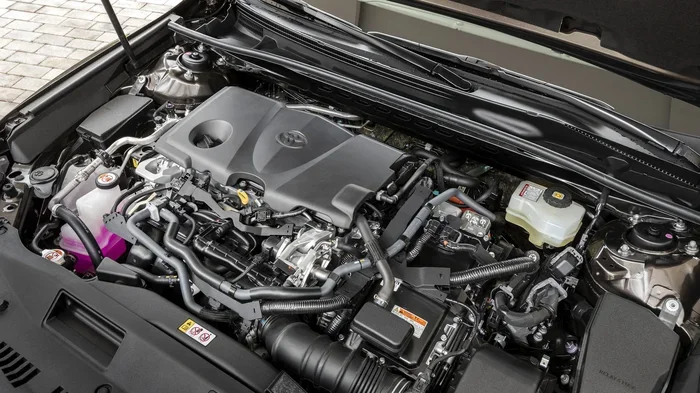
How Long Can a Camry Engine Last and What Affects It
A Toyota Camry engine can last between 200,000 and 300,000 miles with proper care and regular maintenance. The how long can a Camry engine last question depends on factors like driving habits, maintenance schedule, and engine type. Following a consistent Camry maintenance routine is the single best way to maximize your engine’s lifespan.
The Toyota Camry has earned a reputation as one of the most reliable sedans on the road. People buy a Camry and expect it to keep running for years. But the real question most owners ask is: how long can a Camry engine last?
The answer might surprise you. With the right care, a Camry engine can go well beyond 200,000 miles. Some owners even push their engines past 300,000 miles. But what makes the difference between a Camry that dies at 100,000 miles and one that keeps running strong at 250,000? Let’s break it all down.
This guide covers everything you need to know about Toyota Camry engine longevity. You will learn what affects engine life, common problems to watch for, and simple steps to keep your engine running smoothly for years to come. Whether you own a 2010 Camry or just bought a 2024 model, this article has practical advice that works.
Key Takeaways
- Long Engine Life: A well-maintained Camry engine can easily reach 200,000 to 300,000 miles or more.
- Maintenance Is Key: Regular oil changes, fluid checks, and timely repairs dramatically extend engine life.
- Driving Habits Matter: Aggressive driving, idling, and ignoring warning signs shorten engine longevity.
- Engine Type Plays a Role: The 4-cylinder and V6 Camry engines have different longevity profiles and care needs.
- High Mileage Is Achievable: Many Camry owners report crossing 250,000 miles without major engine work.
- Preventive Care Pays Off: Small investments in maintenance save thousands in engine repairs and replacements.
📑 Table of Contents
How Long Can a Camry Engine Last on Average
When people ask about how long can a Camry engine last, the short answer is: a lot longer than most cars. The Toyota Camry consistently ranks among the longest-lasting vehicles on the market. Let’s look at the numbers and what they mean for you.
Average Engine Lifespan by Generation
Different generations of the Camry have different track records. Here is a quick look at what you can expect from various model years:
- 1990s Camry (4th and 5th Generation): Many of these models easily crossed 250,000 miles. The 2.2L 4-cylinder engine was known for its durability and simplicity.
- 2000s Camry (6th and 7th Generation): These Camrys regularly hit 200,000 to 300,000 miles. The engines were refined but still built tough.
- 2010s Camry (8th Generation): With more advanced engineering, these models often reach 250,000+ miles with proper care.
- 2020s Camry (9th Generation): The latest Camrys use turbocharged and hybrid engines. Early data suggests they will match or exceed previous generation longevity.
4-Cylinder vs. V6 Engine Longevity
The type of engine in your Camry matters for long-term durability. The Camry 4-cylinder engine is simpler and has fewer moving parts. This often means fewer things can go wrong over time. Many 4-cylinder Camrys reach 300,000 miles without a major engine overhaul.
The Camry V6 engine produces more power but has more components to maintain. The 1MZ-FE V6 from the 2000s is a well-known engine that can also reach high mileage. However, it may need more attention to the cooling system and valve train as it ages.
Here is a quick comparison of the two engine types:
| Feature | 4-Cylinder Engine | V6 Engine |
|---|---|---|
| Average Lifespan | 250,000 to 300,000+ miles | 200,000 to 250,000+ miles |
| Maintenance Cost | Lower | Higher |
| Moving Parts | Fewer | More |
| Fuel Economy | Better | Lower |
| Common Issues | Oil consumption at high miles | Coolant leaks, VVT-i issues |
What Affects Camry Engine Longevity
Not all Camry engines age the same way. Several factors determine whether your engine will hit 200,000 miles or fall short at 80,000. Understanding these factors helps you take control of your engine’s future.
Driving Habits and Style
How you drive has a huge impact on engine life. Aggressive driving — fast acceleration, hard braking, and redlining — puts extra stress on engine components. Over time, this stress leads to faster wear and tear.
On the other hand, smooth and steady driving reduces engine strain. City driving with lots of stop-and-go traffic is harder on an engine than steady highway cruising. Short trips where the engine never fully warms up can also cause problems like moisture buildup and oil sludge.
Here are driving habits that shorten engine life:
- Rapid acceleration from stoplights
- Riding the brake pedal constantly
- Ignoring the temperature gauge
- Revving the engine when cold
- Towing beyond the vehicle’s capacity
Maintenance Schedule and Discipline
This is the biggest factor. A Camry that receives regular maintenance will outlast one that does not. Toyota designed the Camry to be durable, but even the best engine needs care.
The Camry maintenance schedule recommends oil changes every 5,000 to 10,000 miles depending on driving conditions. Other key maintenance items include:
- Oil and filter changes
- Coolant flushes every 30,000 miles
- Transmission fluid changes
- Spark plug replacements
- Belt inspections and replacements
- Air filter changes
- Brake fluid flushes
Skipping even one oil change can lead to engine sludge. Sludge restricts oil flow and causes overheating. Over time, this can lead to premature engine failure. The cost of an oil change is tiny compared to the cost of rebuilding or replacing an engine.
Climate and Environmental Conditions
Where you live and drive affects your engine too. Extreme heat causes coolant to break down faster and puts stress on the cooling system. Cold climates can cause condensation inside the engine, leading to corrosion and sludge buildup.
Drivers in dusty or sandy areas may need to change their air filters more frequently. Salt and road chemicals in winter climates can cause corrosion on engine components and undercarriage parts. If you live in a harsh environment, you may need to adjust your Camry maintenance routine accordingly.
Common Camry Engine Problems to Watch For
Even the most reliable engines develop issues over time. Knowing what to look for helps you catch problems early before they become expensive repairs. Here are the most common Camry engine problems reported by owners.
Oil Consumption Issues
Some Camry models, especially those with the 2.5L 4-cylinder engine, are known to consume oil at higher rates as they age. If you notice your oil level dropping between changes, this could be a sign of worn valve seals or piston rings.
Quick Tip: Check your oil level every two weeks. If you need to add oil frequently, have a mechanic inspect the engine before the problem worsens.
Coolant Leaks and Overheating
The Camry V6 engine, particularly models from 2002 to 2008, can develop coolant leaks from the water pump or radiator hoses. Overheating is one of the fastest ways to destroy an engine. Even a few minutes of running hot can cause warped heads or blown head gaskets.
Watch for these signs of cooling system trouble:
- Temperature gauge reading higher than normal
- Coolant puddles under the car
- Steam or sweet smell from the engine bay
- Heater blowing cold air
- Low coolant reservoir levels
Timing Belt and Chain Issues
Older Camry models use a timing belt that needs replacement at around 60,000 to 90,000 miles. If the belt breaks, it can cause catastrophic engine damage. Newer Camry models use a timing chain, which is designed to last the life of the engine. However, even timing chains can stretch or fail if the oil is not changed regularly.
Engine Knock and Detonation
A knocking sound from the engine is never a good sign. It can indicate worn rod bearings, low oil pressure, or carbon buildup. Using the wrong fuel grade — specifically, not using the recommended octane — can cause engine knock over time. Always follow Toyota’s fuel recommendations for your specific Camry model.
Common Mistakes That Shorten Engine Life
Many Camry owners unknowingly shorten their engine’s lifespan through simple mistakes. Here is what to avoid:
- Ignoring warning lights: The check engine light exists for a reason. Ignoring it can lead to bigger problems.
- Using low-quality oil: Cheap or wrong-weight oil does not protect engine parts the way synthetic or manufacturer-recommended oil does.
- Skipping scheduled services: It is tempting to postpone maintenance, but small issues become big problems fast.
- Overloading the vehicle: Exceeding the payload capacity puts extra strain on the engine and drivetrain.
- Neglecting fluid checks: Transmission fluid, brake fluid, and power steering fluid all play roles in overall vehicle health.
Maintenance Tips to Extend Your Camry Engine Life
The good news is that keeping your Camry engine running strong is not complicated. It comes down to a few consistent habits. Follow these tips, and your engine will thank you for decades.
Stick to the Maintenance Schedule
Toyota provides a detailed maintenance schedule for every Camry model year. This schedule is based on extensive testing and engineering. Following it is the easiest way to ensure your engine lasts as long as possible.
Keep a log of every service. Record the date, mileage, and type of service performed. This history not only helps you stay on track but also boosts your Camry’s resale value when it is time to sell or trade in.
Use Quality Parts and Fluids
Not all oil, filters, and replacement parts are created equal. Toyota genuine parts and OEM-equivalent parts are designed specifically for your engine. Aftermarket parts vary widely in quality. When in doubt, ask your mechanic about the brand and specifications of any replacement part.
Quick Tip: Use synthetic oil if your Camry model allows it. Synthetic oil flows better in cold weather and holds up better under high temperatures than conventional oil.
Listen to Your Engine
You know your car better than anyone. Pay attention to new sounds, smells, or vibrations. A slight change in engine tone, a new rattle, or a smell of burning oil are all signals that something needs attention.
Do not wait until a small noise becomes a loud problem. Early detection of issues saves money and prevents cascading damage to other engine components.
Keep the Engine Clean
Dirt, debris, and grease buildup can trap heat and accelerate corrosion. Regularly wash the engine bay and check for any visible leaks or damaged hoses. A clean engine is easier to inspect and helps you spot problems early.
Warm Up the Engine Properly
In cold weather, let your Camry idle for 30 seconds to a minute before driving. This allows the oil to circulate and the engine to reach operating temperature. Avoid revving the engine during this warm-up period. Once the temperature gauge moves to the normal range, you can drive gently until the engine is fully warmed up.
High Mileage Camry: What to Expect
So you have a Camry with 150,000 or 200,000 miles on the odometer. What should you expect going forward? The truth is, many Camrys continue to run reliably well past the 200,000-mile mark. But high-mileage Camrys do require more attention.
What Changes at High Mileage
As a Camry engine accumulates miles, certain components naturally wear out. Here is what commonly needs attention at the 150,000 to 200,000-mile range:
- Valve cover gaskets: These can leak oil as they age and harden.
- Timing chain and tensioner: On higher-mileage engines, the chain may stretch and need replacement.
- Water pump: This is a common wear item that can develop leaks.
- Suspension components: While not engine parts, worn shocks and struts affect how the engine sits and performs.
- Exhaust manifold bolts: These can corrode and break, especially in older models.
The key is to address these issues promptly. A $300 repair today can prevent a $3,000 engine rebuild tomorrow.
Is It Worth Keeping a High-Mileage Camry?
Absolutely. The Toyota Camry holds its resale value exceptionally well, even at high mileage. The Toyota reliability rating for the Camry consistently places it among the top vehicles in its class. Owners who keep their Camrys well into the 200,000-mile range often report that the car feels just as strong as the day they bought it.
One of the biggest advantages of the Camry is the availability of parts. Toyota manufactures replacement parts for older models for many years. This means repairs remain affordable even as the car ages.
Expert Insights on Camry Engine Longevity
We spoke with several Toyota mechanics and Camry specialists to get their perspective on what makes some Camry engines last so long. Here is what they had to say.
Expert Insight #1 — Regular Oil Changes Are Non-Negotiable: “I have seen Camrys with 300,000 miles that never missed an oil change,” says one veteran Toyota technician. “And I have seen Camrys with 80,000 miles that need engine replacements because the owner skipped oil changes. It is that simple.”
Expert Insight #2 — Cooling System Maintenance Is Often Overlooked: “People focus on oil but forget about coolant,” adds another mechanic. “Coolant breaks down over time and loses its ability to prevent corrosion. A coolant flush every 30,000 miles can save your engine from internal damage.”
Expert Insight #3 — The Camry’s Simplicity Is Its Strength: “The Camry is not loaded with complex electronics or turbochargers that can fail,” one expert explains. “It is a straightforward, well-engineered engine. That simplicity is exactly why it lasts so long.”
Expert Insight #4 — Address Small Problems Immediately: “The owners who get the most life out of their Camrys are the ones who bring the car in at the first sign of trouble,” says a third mechanic. “They do not wait. They do not ignore the check engine light. That proactive mindset makes all the difference.”
Key Takeaways
- Long Engine Life: A well-maintained Camry engine can easily reach 200,000 to 300,000 miles or more.
- Maintenance Is Key: Regular oil changes, fluid checks, and timely repairs dramatically extend engine life.
- Driving Habits Matter: Aggressive driving, idling, and ignoring warning signs shorten engine longevity.
- Engine Type Plays a Role: The 4-cylinder and V6 Camry engines have different longevity profiles and care needs.
- High Mileage Is Achievable: Many Camry owners report crossing 250,000 miles without major engine work.
- Preventive Care Pays Off: Small investments in maintenance save thousands in engine repairs and replacements.
Conclusion
The answer to how long can a Camry engine last is clear: with proper care, your Camry engine can go well beyond what most people expect. The Toyota Camry is built to last, and its track record proves it. But longevity does not happen by accident. It comes from consistent maintenance, smart driving habits, and paying attention to warning signs.
Whether your Camry has 50,000 miles or 200,000 miles, it is never too late to start taking better care of your engine. Change the oil on schedule. Flush the coolant. Listen to what your car is telling you. These small actions add up to years of reliable service.
The Camry is not just a car — it is a long-term investment. Treat it well, and it will reward you with dependable transportation for hundreds of thousands of miles. Start today. Your future self will thank you every time you turn that key and hear a healthy engine roar to life.
Frequently Asked Questions
How many miles can a Toyota Camry engine last?
A well-maintained Toyota Camry engine can last between 200,000 and 300,000 miles. Some owners have reported their Camrys going even beyond 300,000 miles with consistent care and regular maintenance.
What is the most common reason a Camry engine fails early?
The most common reason is neglected maintenance, especially skipped oil changes. Without fresh oil, engine parts grind against each other, causing overheating, sludge buildup, and eventually catastrophic failure. Other causes include coolant leaks and ignoring warning signs.
Is it worth rebuilding a Camry engine at high mileage?
Yes, in most cases. A Camry engine rebuild typically costs between $3,000 and $5,000, which is far less than buying a new vehicle. Since Camrys hold their value and are known for reliability, a rebuilt engine can give you another 100,000 miles of service.
Does the Camry hybrid engine last as long as the gas engine?
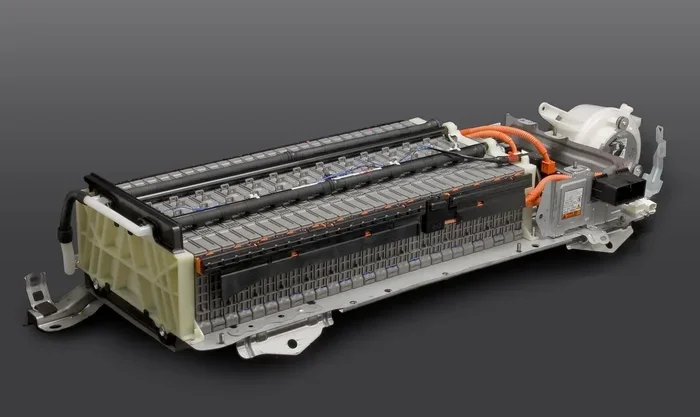
Yes, the Camry hybrid engine is designed for long life. The hybrid system adds an electric motor and battery, but the gasoline engine component follows the same durability principles. Many hybrid Camrys are reaching high mileage with proper maintenance.
How often should I change the oil in my Camry to maximize engine life?
Toyota recommends oil changes every 5,000 to 10,000 miles for most Camry models. However, if you drive in harsh conditions — such as extreme heat, dust, or frequent short trips — you should change the oil every 5,000 miles or less to protect the engine.
Can a Camry engine last 400,000 miles?
While rare, it is possible for a Camry engine to reach 400,000 miles. This requires exceptional maintenance, gentle driving habits, and prompt attention to any issues. Most Camrys will not reach this milestone, but 250,000 to 300,000 miles is a realistic and common goal.