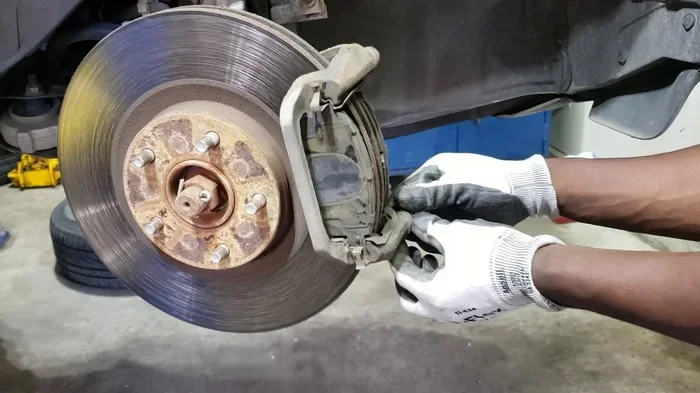
Should I Replace All 4 Brake Pads at Once or Just Wait
Should I Replace All 4 Brake Pads at Once? The short answer is yes, in most cases. Replacing all four brake pads together ensures even braking, better safety, and long-term savings. Skipping a set can lead to uneven wear, poor braking performance, and potential damage to your braking system. Let us walk you through every reason why this simple decision matters.
Key Takeaways
- Replace All Four: Swapping all four brake pads at once gives you balanced stopping power and safer driving.
- Save Money Long-Term: Replacing all pads together prevents extra labor costs and avoids repeating the job soon.
- Front Pads Wear Faster: The front brake pads typically wear out quicker, but rear pads still need attention.
- Watch for Warning Signs: Squealing, grinding, or pulling to one side means your brake pad life is over.
- Match Pad Types: Mixing ceramic brake pads with semi-metallic pads can cause noise and uneven performance.
- Check Rotors Too: Worn brake pads can damage brake rotors, so always inspect both parts.
- DIY or Pro: You can do this job at home if you have basic tools, but a professional ensures proper installation.
📑 Table of Contents
- Should I Replace All 4 Brake Pads at Once?
- How Brake Pads Work and Why They Wear Out
- Why Replacing All Four Brake Pads Makes Sense
- Replacing All Four vs. Just the Front Pads
- Signs Your Brake Pads Need Replacement
- Brake Pad Replacement Cost Breakdown
- Expert Tips for Brake Pad Maintenance
- Common Mistakes People Make With Brake Pad Replacement
- Conclusion
Should I Replace All 4 Brake Pads at Once?
You are driving down the road, and you hear a loud squeal every time you hit the brakes. Your mind starts racing. Do I need new brake pads? And should I replace all four at once, or just the ones that are bad?
This is one of the most common questions car owners ask. The truth is, brake pad replacement is not just about fixing a noise. It is about keeping your car safe and your braking system working the way it should. In this guide, we will break down everything you need to know. We will cover why all four pads matter, what happens if you only replace two, and how to save money without cutting corners.
Let us start with the basics. Your car has brake pads on all four wheels. Each pad presses against a brake rotor when you step on the pedal. This creates friction, which slows your car down. Over time, that friction wears the pads thin. When they get too thin, they stop working properly. That is when you need a replacement.
Now, should you replace all four at the same time? In most cases, the answer is a clear yes. But there are exceptions. Let us explore why.
How Brake Pads Work and Why They Wear Out
Before we dive into the replacement question, it helps to understand how your braking system works. Every wheel has a brake caliper that squeezes two brake pads against a spinning rotor. This friction is what stops your car.
The Role of Each Brake Pad
Each brake pad plays a specific role. The front pads do most of the heavy lifting. When you brake, your car’s weight shifts forward. This puts more pressure on the front wheels. That means the front brake pads wear out faster than the rear ones.
The rear pads still do important work, though. They help stabilize the car during stops. They also support the brake system overall. If the rear pads wear out too, your stopping distance increases. Your car might feel unstable when you brake hard.
What Causes Brake Pad Wear?
Several factors affect how fast your brake pad wear happens:
- Driving habits: Hard braking wears pads out much faster than gentle stops.
- Driving environment: City driving with lots of stops wears pads quicker than highway driving.
- Vehicle weight: Heavier vehicles put more stress on brake pads.
- Pad material: Ceramic brake pads last longer than organic pads. Semi-metallic brake pads offer strong performance but wear faster.
- Rotor condition: Warped or worn brake rotors can damage pads unevenly.
Understanding these factors helps you make better decisions about when and how to replace your pads.
Why Replacing All Four Brake Pads Makes Sense
Now let us get to the heart of the question. Why should you replace all four brake pads at once?
Even Braking Performance
When all four pads are new, your car stops evenly. Each wheel brakes with the same force. This gives you confident, predictable stopping power. If you only replace the front pads, the old rear pads may not grip as well. This creates an imbalance. Your car might pull to one side when you brake. It might feel shaky or unresponsive.
Safety First
This is the biggest reason to replace all four. Your brake system is a team effort. All four pads work together to stop your car safely. If one set is worn and the other is new, you are running an uneven braking system. This is a safety risk, especially in wet or icy conditions.
Think of it this way. You would not put new tires on just the front of your car and leave bald tires on the back. The same logic applies to brake pads. Balanced brakes mean a safer ride.
Long-Term Cost Savings
Some people skip replacing all four pads to save money upfront. But this often backfires. Here is why:
- Labor costs add up: If you only replace two pads now, you will pay labor again when the other two wear out. Doing all four at once saves you a second round of labor charges.
- Protect your rotors: Worn brake pads can grind into brake rotors. This damages the rotors and makes them warp or crack. Replacing rotors is much more expensive than replacing pads.
- Avoid caliper damage: Bad pads can cause brake calipers to seize or leak. Fixing a caliper costs a lot more than a full set of pads.
So yes, replacing all four brake pads at once might cost more upfront. But it saves you money over time.
Replacing All Four vs. Just the Front Pads
Let us compare the two approaches side by side. This will help you decide what makes sense for your situation.
Option 1: Replace All Four Brake Pads
This is the recommended approach for most drivers. Here are the pros and cons:
- Pros: Balanced braking, better safety, longer brake pad life for the whole system, fewer trips to the shop, and protection for brake rotors and calipers.
- Cons: Higher upfront cost. You pay for four sets of pads and potentially more labor.
Option 2: Replace Only the Front Pads
Some drivers choose this route. The front pads wear out faster, so it makes sense to replace them first, right? Not always. Here is what to consider:
- Pros: Lower upfront cost. You only pay for two sets of pads.
- Cons: Uneven braking performance, potential safety risks, old rear pads can damage new front pads, and you will likely need to replace the rears soon anyway.
When Is It Okay to Replace Just Two Pads?
There are rare cases where replacing only the front or rear pads makes sense. For example, if your rear pads still have plenty of brake pad thickness left, you might only need to swap the fronts. But this should only happen after a professional inspection. A mechanic can measure your pad thickness and tell you if the rears still have life in them.
As a general rule, if your pads are worn down to less than 3 millimeters, it is time to replace all four. Do not wait until you hear metal grinding against metal. That means the pads are completely gone, and you are damaging your brake rotors with every stop.
Signs Your Brake Pads Need Replacement
How do you know it is time for new brake pads? Your car usually gives you clear warning signs. Here are the most common ones:
Squealing or Squeaking Noises
A high-pitched squeal when you brake is often the first sign. Most brake pads have a small metal indicator built in. When the pad wears down, this indicator touches the rotor and makes a squealing sound. It is your car telling you, “Hey, check me out.”
Grinding or Growling Sounds
If you hear a grinding noise, take action immediately. This means the pad material is completely gone. The metal backing of the pad is now grinding against the brake rotor. This can ruin your rotors quickly and make repairs much more expensive.
Longer Stopping Distances
Have you noticed it takes longer for your car to stop? Worn brake pads reduce friction. This means your car needs more distance to come to a full stop. This is a serious safety concern, especially in emergencies.
Brake Warning Light
Many modern cars have a brake warning light on the dashboard. If this light comes on, do not ignore it. It could mean your pads are thin, your brake fluid is low, or there is a bigger problem with your braking system.
Vibration When Braking
If your brake pedal shakes or vibrates when you press it, your brake rotors might be warped. This often happens when worn pads have been grinding on the rotors for too long. Replacing the pads and resurfacing or replacing the rotors usually fixes this issue.
Your Car Pulls to One Side
If your car pulls left or right when you brake, one side might have worn pads more than the other. This is a sign of uneven brake pad wear. It could also point to a stuck brake caliper. Either way, get it checked out right away.
Brake Pad Replacement Cost Breakdown
Cost is always a factor when it comes to car maintenance. Let us talk numbers.
Average Cost for All Four Brake Pads
On average, replacing all four brake pads costs between $150 and $400 for parts and labor. The exact price depends on several factors:
- Pad material: Ceramic brake pads cost more than organic or semi-metallic pads. But they last longer and are gentler on rotors.
- Vehicle type: Luxury cars and trucks often have more expensive pads.
- Labor rates: Independent shops charge less than dealerships, but both can do quality work.
- Rotor condition: If your brake rotors need replacing too, the total cost goes up significantly.
Cost Comparison Table
| Replacement Option | Parts Cost | Labor Cost | Total Estimated Cost |
|---|---|---|---|
| All 4 Brake Pads | $80-$250 | $80-$150 | $160-$400 |
| Front Pads Only | $40-$130 | $60-$100 | $100-$230 |
| Rear Pads Only | $40-$130 | $60-$100 | $100-$230 |
| All 4 Pads + Rotors | $200-$500 | $150-$300 | $350-$800 |
As you can see, replacing all four pads at once costs more upfront. But it is still cheaper than doing two separate jobs. Plus, you avoid the risk of damaging your brake rotors by delaying the rear replacement.
How to Save Money on Brake Pad Replacement
Want to lower the cost without sacrificing quality? Here are some practical tips:
- Buy pads in bulk: Some auto parts stores offer discounts when you buy a full set.
- Choose the right material: Semi-metallic brake pads offer a good balance of price and performance for most drivers.
- Do it yourself: If you have basic mechanical skills, replacing brake pads is one of the easier DIY jobs. You will save on labor costs entirely.
- Compare shops: Get quotes from at least two or three shops before committing.
Expert Tips for Brake Pad Maintenance
Replacing your pads is only half the battle. Proper maintenance keeps your braking system in top shape between replacements.
Check Your Brake Pad Thickness Regularly
Get into the habit of checking your brake pad thickness every few months. You can often see the pads through the wheel spokes. If the pad material looks thin, less than 4 millimeters, it is time to plan a replacement. Catching wear early saves you money and keeps you safe.
Listen to Your Car
Your car talks to you. Pay attention to new sounds. A slight squeal that goes away after a few brakes is usually normal. A persistent grinding or squealing noise is not. Address unusual sounds quickly before they turn into big problems.
Flush Your Brake Fluid
Old brake fluid absorbs moisture over time. This reduces braking performance. Most manufacturers recommend flushing and replacing brake fluid every two years. This simple step keeps your entire braking system working at its best.
Break In New Brake Pads Properly
After installing new brake pads, take it easy for the first 200 to 300 miles. Avoid hard braking during this break-in period. This allows the pads to seat properly against the rotors. It also maximizes brake pad life and prevents early wear.
Rotate Your Tires
Tire rotation affects brake pad wear more than most people realize. Uneven tire wear leads to uneven braking force on each wheel. This can cause some pads to wear out faster than others. Regular tire rotation helps your brake pads wear evenly and last longer.
Common Mistakes People Make With Brake Pad Replacement
Avoid these common mistakes to get the most out of your new brake pads:
- Ignoring the rear pads: Just because the front pads wear faster does not mean the rears can be ignored. Both sets are essential for safe stopping.
- Mixing pad types: Do not put ceramic pads on the front and semi-metallic on the rear. Different materials create different friction levels. This causes uneven braking and noise.
- Skipping the hardware: Always replace the brake pad hardware too. This includes clips, shims, and pins. Old hardware causes squealing and uneven pad wear.
- Not checking the rotors: If your brake rotors are warped or worn, new pads will not fix the problem. Always inspect rotors during a pad replacement.
- Delaying replacement: Waiting too long to replace worn pads leads to rotor damage and higher repair bills. Do not wait for the grinding noise. Replace pads early.
Conclusion
So, should I replace all 4 brake pads at once? The answer is almost always yes. Replacing all four brake pads together gives you balanced braking, better safety, and long-term savings. While it costs a bit more upfront, it prevents uneven wear, protects your brake rotors, and saves you from repeat trips to the shop.
Your car’s braking system is one of the most important safety features you have. Treat it with care. Check your brake pad life regularly. Listen for warning signs. And when replacement time comes, do it right. Replace all four pads, inspect your rotors, and use quality brake pad material that fits your driving style.
Do not wait until it is too late. A few hundred dollars now can save you thousands later. More importantly, it can save your life or someone else’s on the road. Take care of your brakes, and your brakes will take care of you.
Frequently Asked Questions
Is it okay to replace only two brake pads at a time?
It is generally not recommended. Replacing only the front or rear pads creates an imbalance in your braking system. The old pads on the other axle may not grip as well, which can lead to uneven stopping and safety risks. Always replace all four pads when possible for the best performance and safety.
How often should I replace my brake pads?
Most brake pads last between 25,000 and 70,000 miles, depending on your driving habits and pad material. Ceramic brake pads tend to last longer than organic or semi-metallic pads. Check your brake pad thickness regularly, and replace them when they reach 3 millimeters or less.
Can I drive with worn brake pads?
You should not. Worn brake pads reduce your stopping power and increase your stopping distance. They also damage your brake rotors, which are much more expensive to replace. If your pads are worn, replace them as soon as possible to stay safe on the road.
What is the difference between ceramic and semi-metallic brake pads?
Ceramic brake pads are quieter, produce less dust, and last longer. They are ideal for daily driving. Semi-metallic brake pads offer stronger braking performance and handle high temperatures better, but they wear out faster and can be noisier. Choose based on your driving style and budget.
How do I know if my brake rotors need replacing too?
If you feel vibration or shaking in the brake pedal, your brake rotors might be warped. Deep grooves or scoring on the rotor surface also mean they need attention. A mechanic can measure rotor thickness and tell you if resurfacing or replacement is needed during your brake pad replacement.
Can I replace brake pads myself?
Yes, replacing brake pads is one of the more manageable DIY car maintenance jobs. You will need basic tools like a jack, lug wrench, and a C-clamp for the caliper. However, if you are not confident, it is always best to have a professional handle the job to ensure proper installation and safety.