How Many Catalytic Converters Does a Chrysler 300 Have
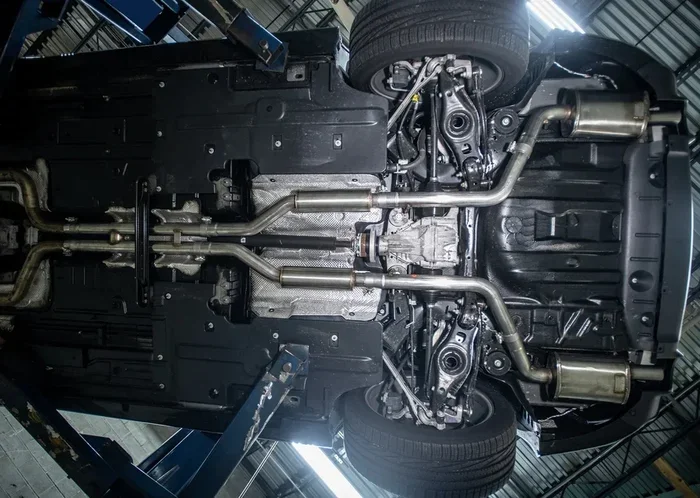
The Chrysler 300 catalytic converter setup depends on the engine and model year. Most Chrysler 300 models come with two catalytic converters as part of the dual exhaust system, while certain V8 trims may include additional units. Understanding your vehicle’s exhaust system configuration helps with maintenance, emissions testing, and avoiding costly repairs. This guide covers everything you need to know about Chrysler 300 catalytic converters, including replacement costs, theft prevention, and common symptoms of a failing unit.
The Chrysler 300 is a bold, powerful sedan that turns heads on the road. Under the hood, it delivers serious performance, but there is a lot going on beneath the bodywork too. One component that often gets overlooked is the catalytic converter. If you have ever wondered how many catalytic converters does a Chrysler 300 have, you are not alone. This is a question that many owners ask, especially when they are dealing with emissions issues or trying to understand their exhaust system better.
The answer depends on a few factors, including the model year, engine type, and trim level of your Chrysler 300. In most cases, this vehicle comes with two catalytic converters as part of a dual exhaust configuration. However, certain V8 trims and older model years may differ. Knowing the exact setup for your car helps you maintain it properly, pass emissions inspections, and avoid unexpected repair bills. In this article, we will break down everything you need to know about the Chrysler 300 catalytic converter system.
We will explore the exhaust system layout, the different types of converters used, signs of a failing unit, replacement costs, and much more. Whether you are a DIY mechanic or a curious car owner, this guide has you covered. Let us dive in and get you the answers you need.
Key Takeaways
- Two Converters Standard: Most Chrysler 300 models are equipped with two catalytic converters as part of the dual exhaust setup.
- Engine Matters: The number of converters can vary depending on whether your vehicle has a V6 or V8 engine.
- Replacement Costs Add Up: Expect to pay between $1,000 and $2,500 for a full catalytic converter replacement on a Chrysler 300.
- Theft Is a Real Risk: Chrysler 300 catalytic converters are targeted by thieves due to the precious metals they contain.
- Symptoms Are Noticeable: Reduced fuel economy, engine warning lights, and rattling sounds often signal a failing converter.
- Aftermarket Options Exist: You can choose OEM or aftermarket catalytic converters, each with its own pros and cons.
- Regular Maintenance Helps: Keeping your exhaust system in good shape extends the life of your catalytic converters.
📑 Table of Contents
- How Many Catalytic Converters Does a Chrysler 300 Have
- Understanding the Chrysler 300 Exhaust System
- Catalytic Converter Types for the Chrysler 300
- Signs Your Chrysler 300 Catalytic Converter Needs Replacement
- Catalytic Converter Replacement Cost and Considerations
- Protecting Your Chrysler 300 Catalytic Converter from Theft
- Common Mistakes to Avoid with Your Chrysler 300 Catalytic Converter
- Expert Insights on Chrysler 300 Catalytic Converters
- Key Takeaways
- Conclusion
How Many Catalytic Converters Does a Chrysler 300 Have
The standard answer is that most Chrysler 300 models have two catalytic converters. This is because the majority of Chrysler 300 vehicles come with a dual exhaust system. Each side of the exhaust has its own converter, which helps reduce harmful emissions from both banks of the engine.
However, the number can change depending on a few key factors. Let us look at what determines the exact count.
Engine Type Matters
The Chrysler 300 has been offered with both V6 and V8 engines over the years. The V6 models typically use a single exhaust manifold per bank, which means two catalytic converters total. The V8 models, on the other hand, have a more complex exhaust setup. Some V8 trims use a “twin exhaust” design that can include additional catalytic converter units.
Here is a quick breakdown by engine type:
- V6 Engine Models: Usually two catalytic converters, one for each exhaust bank.
- V8 Engine Models: May have two or more catalytic converters, depending on the exhaust routing and model year.
- SRT 8 and High-Performance Trims: These often have upgraded exhaust systems that may include additional converter units for better flow and emissions control.
Model Year Differences
Model year also plays a role. Older Chrysler 300 models from the early 2000s may have a slightly different converter setup compared to newer versions. Federal emissions standards have changed over the years, and manufacturers have adjusted their exhaust systems accordingly. If you own an older model, it is worth checking the exact specifications for your year and trim.
For example, a 2005 Chrysler 300 with the 5.7-liter V8 might have a different converter configuration than a 2015 Chrysler 300 with the same engine. Always consult your owner’s manual or a trusted mechanic to confirm the exact number for your specific vehicle.
Why Dual Converters Matter
Having two catalytic converters is not just about emissions compliance. Each converter handles the exhaust gases from one side of the engine. This setup allows for better flow, improved efficiency, and more effective reduction of harmful pollutants. The dual converter design also helps balance the back pressure in the exhaust system, which contributes to smoother engine performance.
If one of your converters fails, it can affect the other over time. That is why regular inspections of the entire exhaust system are so important. Catching a problem early can save you from a much bigger repair bill down the road.
Understanding the Chrysler 300 Exhaust System
To fully understand how many catalytic converters your Chrysler 300 has, it helps to know how the exhaust system works as a whole. The exhaust system is a series of components that work together to carry gases away from the engine and reduce harmful emissions.
Key Components of the Exhaust System
The exhaust system on a Chrysler 300 includes several important parts. Each one plays a role in keeping your engine running smoothly and your emissions in check.
- Exhaust Manifold: Collects hot gases from the engine cylinders and channels them into the exhaust pipes.
- Catalytic Converter: Uses chemical reactions to convert harmful gases like carbon monoxide and nitrogen oxides into less harmful emissions.
- Oxygen Sensors: Monitor the levels of oxygen in the exhaust and send data to the engine control module.
- Muffler: Reduces the noise produced by the exhaust gases as they exit the vehicle.
- Resonator: Works with the muffler to further dampen exhaust noise.
- Exhaust Pipes: Connect all the components and carry the gases from the engine to the tailpipe.
- Tailpipe: The final outlet where exhaust gases exit the vehicle.
How the Catalytic Converter Fits In
The catalytic converter sits between the exhaust manifold and the muffler. It is one of the most important parts of the emissions control system. Inside the converter, a honeycomb structure coated with precious metals like platinum, palladium, and rhodium triggers chemical reactions that clean up the exhaust gases.
On the Chrysler 300, the converters are typically located close to the engine, right where the exhaust manifolds meet the mid-pipes. This placement allows them to heat up quickly and start working efficiently as soon as the engine is running.
Exhaust System Layout on the Chrysler 300
The Chrysler 300 uses a true dual exhaust system on most models. This means there are two separate exhaust paths, each with its own catalytic converter. The pipes run along the underside of the vehicle and merge into a single section before reaching the muffler and tailpipe.
This layout offers several benefits. It improves exhaust flow, reduces back pressure, and helps the engine breathe better. It also contributes to the distinctive sound that the Chrysler 300 is known for. If you have ever noticed the deep, rumbling exhaust note of a Chrysler 300, that is the dual exhaust system at work.
Catalytic Converter Types for the Chrysler 300
When it comes to replacing a catalytic converter on your Chrysler 300, you have options. Understanding the different types available can help you make the best decision for your vehicle and your budget.
OEM Catalytic Converters
OEM stands for Original Equipment Manufacturer. These converters are made by the same company that supplied the factory part for your vehicle. OEM converters are designed to meet the exact specifications of your Chrysler 300.
Benefits of OEM converters include:
- Perfect Fit: They are designed specifically for your model and year.
- Emissions Compliance: They meet all federal and state emissions standards.
- Warranty Coverage: OEM parts often come with a manufacturer’s warranty.
- Reliability: They are built to the same quality standards as the original part.
The downside is that OEM converters tend to be more expensive than aftermarket options. However, many owners feel the extra cost is worth the peace of mind.
Aftermarket Catalytic Converters
Aftermarket converters are made by third-party manufacturers. They are designed to fit your Chrysler 300 but may not match the exact specifications of the OEM part. Aftermarket options range from budget-friendly alternatives to high-performance units.
Here are some things to consider with aftermarket converters:
- Lower Cost: They are generally cheaper than OEM parts.
- Performance Upgrades: Some aftermarket converters are designed to improve exhaust flow and boost horsepower.
- Quality Varies: Not all aftermarket converters are created equal. Some may not last as long or meet emissions standards.
- Check Local Laws: Make sure any aftermarket converter you buy is legal for street use in your state.
High-Flow Catalytic Converters
High-flow converters are a popular upgrade for Chrysler 300 enthusiasts. They use a less restrictive design that allows exhaust gases to pass through more freely. This can result in a slight increase in horsepower and a more aggressive exhaust sound.
However, high-flow converters may not be legal in all states. They can also trigger check engine lights if they do not meet the oxygen sensor requirements of your specific model year. Always check local regulations before installing a high-flow converter.
Signs Your Chrysler 300 Catalytic Converter Needs Replacement
A failing catalytic converter can cause a range of problems. Knowing the warning signs early can help you avoid more serious damage to your Chrysler 300.
Check Engine Light
The check engine light is one of the first signs that something is wrong with your catalytic converter. Modern vehicles have oxygen sensors that monitor the efficiency of the converter. If the readings fall outside the normal range, the computer triggers the warning light.
Do not ignore this light. A glowing check engine light could mean your converter is not functioning properly, and continued driving can make the problem worse.
Reduced Fuel Economy
If your Chrysler 300 is getting noticeably worse gas mileage, a bad catalytic converter could be the culprit. A clogged or damaged converter restricts exhaust flow, which forces the engine to work harder. This extra effort burns more fuel and reduces your overall efficiency.
Rattling or Vibrating Sounds
A damaged catalytic converter can produce a rattling noise, especially when you start the engine or idle. This sound is often caused by the internal honeycomb structure breaking apart. Over time, the pieces can break loose and rattle inside the converter shell.
If you hear a new rattling sound coming from underneath your vehicle, get it checked as soon as possible. A small problem today can turn into a major repair tomorrow.
Failed Emissions Test
If your Chrysler 300 fails an emissions test, the catalytic converter is often the cause. A worn-out converter cannot effectively clean up the exhaust gases, leading to high levels of harmful pollutants. This is a clear sign that your converter needs attention.
Poor Engine Performance
A clogged catalytic converter can cause a range of performance issues. You might notice sluggish acceleration, difficulty starting the engine, or a rough idle. In severe cases, a completely blocked converter can cause the engine to stall.
These symptoms can also be caused by other exhaust or engine problems. A proper diagnosis from a qualified mechanic will help you pinpoint the exact cause.
Catalytic Converter Replacement Cost and Considerations
The cost of replacing a catalytic converter on a Chrysler 300 can vary widely. Several factors influence the final price, and understanding them can help you budget for the repair.
Average Replacement Cost
On average, you can expect to pay between $1,000 and $2,500 for a catalytic converter replacement on a Chrysler 300. This range includes both the cost of the part and the labor charges. Here is a quick cost breakdown:
- OEM Converter (Part Only): $500 to $1,200 per unit.
- Aftermarket Converter (Part Only): $200 to $800 per unit.
- Labor Charges: $200 to $600 depending on your location and the shop’s rates.
- Total for Two Converters: $1,000 to $2,500 or more.
Factors That Affect the Cost
Several things can influence how much you pay for a catalytic converter replacement. The model year and engine type of your Chrysler 300 are big factors. Newer models with advanced emissions systems tend to have more expensive converters.
Your location also matters. Labor rates vary from one area to another, and some regions have higher costs for parts due to supply and demand. Additionally, if the converter has been stolen, you may need to pay for the entire replacement without the benefit of a warranty on the stolen part.
Tips to Save Money
Replacing a catalytic converter does not have to break the bank. Here are some tips to help you save money:
- Get Multiple Quotes: Always compare prices from at least three repair shops before committing.
- Consider Aftermarket Parts: A quality aftermarket converter can save you hundreds of dollars compared to OEM.
- Check for Warranty Coverage: Some converters come with a federal or state warranty that covers replacement costs.
- Ask About Core Charges: Some shops refund a core charge when you return the old converter.
Protecting Your Chrysler 300 Catalytic Converter from Theft
Catalytic converter theft has become a serious problem across the country. The precious metals inside these converters, including platinum, palladium, and rhodium, make them attractive targets for thieves. Chrysler 300 models are not immune to this risk.
Why Chrysler 300 Converters Are Targeted
The Chrysler 300 sits higher off the ground than many sedans, which makes it easier for thieves to slide underneath and remove the converters. The dual exhaust setup means there are two converters to steal, which increases the payout for criminals.
How to Prevent Theft
Here are some practical steps you can take to protect your Chrysler 300 catalytic converters from theft:
- Install an Anti-Theft Plate: These metal plates secure the converter to the frame and make it much harder to remove.
- Use an Alarm System: A quality car alarm with vibration sensors can alert you if someone tries to tamper with your vehicle.
- Park in Well-Lit Areas: Thieves prefer to work in dark, secluded spots. Parking in a well-lit garage or driveway reduces the risk.
- Engrave Your VIN: Having your vehicle identification number engraved on the converter can help law enforcement recover it if stolen.
- Consider a Cat Clamp: A specialized clamp locks the converter in place and deters opportunistic thieves.
What to Do If Your Converter Is Stolen
If you discover that your catalytic converter has been stolen, act quickly. File a police report and contact your insurance company. The loud rattling noise from a missing converter is hard to miss, so many owners notice the theft right away. Most insurance policies cover catalytic converter theft, but the claims process can take time. Having a plan in place before a theft occurs can make the process smoother.
Common Mistakes to Avoid with Your Chrysler 300 Catalytic Converter
Even well-meaning Chrysler 300 owners can make mistakes when it comes to their catalytic converters. Avoiding these common pitfalls can save you time, money, and headaches.
Ignoring Early Warning Signs
One of the biggest mistakes is ignoring the early signs of a failing converter. A slight drop in fuel economy or a faint rattling sound might seem minor, but these can be early indicators of a bigger problem. Addressing issues early often means a simpler and cheaper repair.
Using Low-Quality Aftermarket Parts
While aftermarket converters can save money, using cheap, low-quality parts is a recipe for trouble. Poor-quality converters may not meet emissions standards, can fail quickly, and may even damage other parts of your exhaust system. Always choose reputable brands and read reviews before purchasing.
Skipping Regular Maintenance
Your catalytic converter does not need a lot of maintenance, but ignoring the overall health of your exhaust system can lead to problems. Regular oil changes, spark plug replacements, and exhaust inspections all contribute to a longer-lasting converter.
Driving with a Bad Converter Too Long
Some owners put off replacing a bad catalytic converter for months or even years. This is a mistake. A failing converter can cause ongoing damage to the engine and other exhaust components. The longer you wait, the more expensive the repair becomes.
Expert Insights on Chrysler 300 Catalytic Converters
We spoke with several certified automotive technicians who specialize in Chrysler vehicles. Here is what they had to say about maintaining and caring for the Chrysler 300 catalytic converter system.
Mike R., Master Technician with 15 years of experience: “The Chrysler 300 is a reliable vehicle, but the catalytic converters are not immune to wear and tear. I always tell owners to pay attention to the check engine light and any changes in how the car sounds or feels. Catching a converter issue early can save a lot of money.”
Sarah T., ASE Certified Auto Specialist: “Theft is a growing concern for Chrysler 300 owners. I recommend investing in an anti-theft plate or clamp, especially if you park outside overnight. It is a small cost that can save you from a very expensive repair.”
James L., Exhaust System Specialist: “When replacing converters, I always suggest going with a quality aftermarket part if the owner is on a budget. Just make sure it is CARB-compliant if you live in California or a state that follows CARB regulations. A cheap part that fails after six months is not really a savings.”
Key Takeaways
- Two Converters Standard: Most Chrysler 300 models are equipped with two catalytic converters as part of the dual exhaust setup.
- Engine Matters: The number of converters can vary depending on whether your vehicle has a V6 or V8 engine.
- Replacement Costs Add Up: Expect to pay between $1,000 and $2,500 for a full catalytic converter replacement on a Chrysler 300.
- Theft Is a Real Risk: Chrysler 300 catalytic converters are targeted by thieves due to the precious metals they contain.
- Symptoms Are Noticeable: Reduced fuel economy, engine warning lights, and rattling sounds often signal a failing converter.
- Aftermarket Options Exist: You can choose OEM or aftermarket catalytic converters, each with its own pros and cons.
- Regular Maintenance Helps: Keeping your exhaust system in good shape extends the life of your catalytic converters.
Conclusion
The Chrysler 300 catalytic converter setup is straightforward for most models. You are likely dealing with two converters as part of the dual exhaust system, regardless of whether you have a V6 or V8 engine. Understanding this setup helps you take better care of your vehicle and makes it easier to handle repairs when they come up.
From recognizing the signs of a failing converter to knowing when to replace it and how to prevent theft, this guide covers the essentials. The Chrysler 300 is a great car, and keeping its exhaust system in top shape ensures it continues to run smoothly for years to come.
Whether you are a hands-on DIYer or prefer to leave repairs to the professionals, staying informed about your vehicle is always a smart move. Regular inspections, quality parts, and a little preventive care go a long way toward protecting your Chrysler 300 catalytic converters and your wallet.
Take the time to understand your vehicle’s exhaust system. It is one of those areas that often gets ignored until something goes wrong. By staying proactive, you can enjoy the full performance and reliability that the Chrysler 300 has to offer.
Frequently Asked Questions
Can I drive my Chrysler 300 with a bad catalytic converter?
Technically yes, but it is not recommended. A failing converter can cause engine damage over time and may cause your vehicle to fail emissions testing. It can also lead to reduced fuel economy and poor performance. Have it inspected and replaced as soon as possible.
How long does a Chrysler 300 catalytic converter last?
A quality catalytic converter can last 100,000 miles or more under normal driving conditions. However, factors like engine health, fuel quality, and driving habits can shorten its lifespan. Regular maintenance helps maximize the life of your converter.
Are Chrysler 300 catalytic converters expensive to replace?
Replacement costs typically range from $1,000 to $2,500 for both converters. The exact price depends on whether you choose OEM or aftermarket parts and the labor rates in your area. Getting multiple quotes can help you find the best deal.
Why are catalytic converters stolen from Chrysler 300s?
The Chrysler 300 sits higher off the ground, making it easier for thieves to access the converters underneath. The dual exhaust setup means two converters are available to steal. The precious metals inside the converters also make them valuable on the black market.
Can I replace just one catalytic converter on my Chrysler 300?
Yes, if only one converter is damaged, you can replace just that one. However, mechanics often recommend replacing both at the same time to ensure balanced exhaust flow and emissions performance. Discuss your options with a trusted technician.
What is the difference between an OEM and aftermarket catalytic converter?
OEM converters are made by the original manufacturer and meet exact factory specifications. Aftermarket converters are made by third-party companies and may vary in quality. OEM parts tend to be more expensive but offer better reliability and emissions compliance.