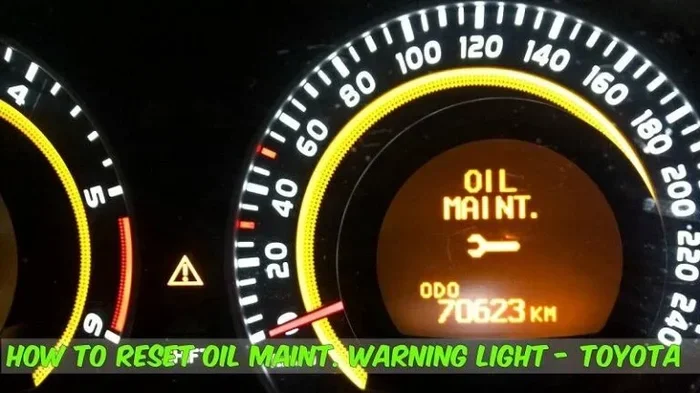
Does Toyota Have a Low Oil Light on Your Dashboard
Yes, Toyota vehicles do have a low oil light on the dashboard. This warning indicator helps drivers monitor oil pressure and oil level to protect the engine. Understanding what each symbol means can save you from costly repairs and keep your Toyota running smoothly. In this guide, we break down every Toyota dashboard warning light related to oil, explain what triggers them, and show you exactly what to do when one comes on.
You are driving your Toyota down the road. Everything feels fine. Then you glance at the dashboard and see a small red or yellow symbol that looks like an oil can. Your heart skips a beat. What does it mean? Does your Toyota actually have a low oil light?
The short answer is yes. Every Toyota vehicle comes equipped with dashboard warning lights designed to alert you about oil pressure and oil level issues. These lights are not just decorative. They serve a very important purpose. They protect your engine from damage caused by insufficient lubrication.
Understanding these warning symbols can make a huge difference. It can save you from expensive repairs. It can keep you safe on the road. And it can give you peace of mind every time you turn the key. In this article, we will walk you through everything you need to know about Toyota oil lights. We will cover what they look like, what causes them, and exactly what you should do when one appears.
Key Takeaways
- Toyota does have a low oil light: Every Toyota model includes dashboard indicators for oil pressure and oil level.
- Two different oil warnings exist: The oil pressure light and the oil level indicator serve separate purposes.
- Immediate action matters: Ignoring the oil light can lead to severe engine damage.
- Common causes include low oil levels, worn sensors, and oil leaks.
- Resetting the oil change light is different from the low oil warning.
- Regular maintenance prevents oil warnings: Stick to Toyota’s recommended service schedule.
- Consult a professional if the light stays on: DIY fixes work for simple causes, but some issues need a mechanic.
📑 Table of Contents
- Does Toyota Have a Low Oil Light on the Dashboard?
- Why Does the Low Oil Light Come On?
- What to Do When the Toyota Oil Light Comes On
- How to Reset the Toyota Oil Change Light
- Preventing Oil Light Issues in Your Toyota
- Common Toyota Models and Their Oil Light Behavior
- Expert Insights on Toyota Oil Warning Lights
- Key Takeaways
- Conclusion
Does Toyota Have a Low Oil Light on the Dashboard?
Yes, Toyota vehicles include a dedicated low oil warning system. This system uses one or more indicators on the dashboard to communicate oil-related issues. The two most common oil-related warnings are the oil pressure warning light and the oil level indicator. Both play a critical role in keeping your engine healthy.
Toyota has been including oil warning lights in their vehicles for decades. Whether you drive a Toyota Corolla, Toyota Camry, Toyota RAV4, or any other model, you will find these indicators. They are part of the onboard diagnostics system. This system monitors various engine functions and alerts you when something is off.
The oil warning system in Toyota vehicles is connected to sensors. These sensors measure oil pressure and sometimes oil level. When the readings fall below safe thresholds, the light activates. This gives you a clear signal that something needs your attention.
What Does the Toyota Oil Light Look Like?
The oil pressure warning light typically looks like an old-fashioned oil can with a drop coming from it. It is usually red in color. A red light means you should stop and address the issue immediately. The oil level indicator may look similar but sometimes appears as a yellow or orange symbol. It often includes the word “OIL” or an oil can icon with additional markings.
Some newer Toyota models use a more digital approach. They may display a text-based warning on the instrument cluster. For example, you might see a message that says “Check Oil Level” or “Low Oil Pressure.” Regardless of the format, the message is clear. Your Toyota is telling you to check the oil.
Oil Pressure Light vs. Oil Level Light
Many people confuse these two lights. They are different, and understanding the distinction matters. The oil pressure light indicates that the oil is not circulating properly through the engine. This is a serious issue. The oil level light tells you that there is not enough oil in the reservoir. Both require attention, but the pressure light is more urgent.
Here is a simple way to remember the difference. Oil pressure is about flow. Oil level is about quantity. Low pressure means the oil is not moving the way it should. Low level means there is simply not enough oil in the system.
Why Does the Low Oil Light Come On?
When the Toyota low oil light illuminates, it is trying to tell you something. There are several reasons this can happen. Some are simple fixes. Others require professional attention. Let us explore the most common causes.
Low Oil Level
The most common reason is simply that the oil level is too low. Over time, engine oil naturally decreases. Small amounts of oil burn off during normal operation. Oil can also leak from gaskets and seals. If it has been a while since your last oil change, the level may have dropped below the minimum threshold.
Toyota vehicles have an oil level sensor. This sensor detects when the oil drops too low. When it does, it triggers the dashboard warning. Checking the dipstick is the first step. Most Toyota models have a dipstick located under the hood. Pull it out, wipe it clean, reinsert it, and pull it out again. The markings on the dipstick will tell you if the oil level is adequate.
Oil Pressure Problems
Oil pressure issues are more serious. Oil needs to flow at a certain pressure to lubricate all the engine components. If the pressure drops, metal parts can grind against each other. This causes wear and eventually engine failure. Common causes of low oil pressure include a failing oil pump, clogged oil passages, or worn engine bearings.
If the oil pressure light comes on while you are driving, pull over safely. Turn off the engine. Do not continue driving. Check the oil level first. If the level looks fine, the problem may be with the oil pump or the pressure relief valve. In this case, you need a mechanic.
Faulty Oil Level Sensor
Sometimes the light comes on even when the oil level is fine. This can happen when the oil level sensor malfunctions. Sensors can wear out over time. They can also get dirty or corroded. A faulty sensor sends incorrect readings to the dashboard computer. This triggers the warning light even though there is no real problem.
If you check your oil and it looks fine, but the light stays on, a bad sensor might be the culprit. A mechanic can test the sensor and replace it if needed. This is a relatively inexpensive fix compared to ignoring the issue.
Oil Leaks
Oil leaks are another common cause. Toyota engines have several seals and gaskets that can degrade over time. Common leak points include the oil pan gasket, valve cover gasket, and oil filter seal. Even a small leak can cause the oil level to drop gradually until the warning light appears.
Look for oil spots under your parked car. Check around the oil filter and oil pan for visible leaks. If you notice a leak, address it quickly. Even a minor leak can lead to low oil levels and trigger the dashboard warning.
Old or Degraded Oil
Engine oil breaks down over time. It loses its viscosity and lubricating properties. Old oil does not flow as well, which can affect oil pressure. Toyota recommends changing the oil at regular intervals. For most Toyota models, this is every 5,000 to 10,000 miles depending on the type of oil used and driving conditions.
If you have not changed your oil in a while, the low oil light might be telling you it is time. Fresh oil keeps the engine running smoothly. It maintains proper pressure and lubrication. Sticking to Toyota’s recommended oil change schedule is one of the best things you can do for your vehicle.
What to Do When the Toyota Oil Light Comes On
Seeing the oil light come on can be stressful. But knowing what to do can make all the difference. Follow these steps to handle the situation safely and effectively.
Step 1: Pull Over Safely
If the oil pressure light is red and flashing, find a safe place to pull over immediately. Turn off the engine. Continuing to drive with low oil pressure can destroy your engine within minutes. Do not take chances. Pulling over is always the right move.
Step 2: Check the Oil Level
Once the engine has cooled down, open the hood and locate the dipstick. Pull it out and check the oil level. If the oil is below the minimum mark, you have found the problem. Add the correct type of oil for your Toyota model. You can find the recommended oil type in your owner’s manual.
Be careful not to overfill. Adding too much oil can also cause problems. Pour oil in small amounts and recheck the level with the dipstick between additions.
Step 3: Check for Leaks
While the hood is open, look for any signs of oil leaks. Check the area around the oil filter, oil pan, and valve cover. If you see fresh oil dripping or pooling, you have a leak. This needs professional attention. Driving with a leak will only make the problem worse.
Step 4: Restart the Engine
After checking the oil and adding more if needed, restart the engine. Watch the dashboard to see if the oil light goes off. If the light turns off, the problem was likely low oil level. If the light stays on, there may be a deeper issue. Do not keep driving in that case.
Step 5: Visit a Mechanic
If the light persists after adding oil, it is time to see a professional. A certified Toyota mechanic can run diagnostic tests. They can check the oil pressure, inspect the sensors, and look for internal engine issues. Getting a proper diagnosis early can prevent major repairs down the road.
How to Reset the Toyota Oil Change Light
After you have addressed the oil issue, you may want to reset the oil change reminder. This is different from the low oil warning light. The oil change light is part of Toyota’s maintenance reminder system. It tracks your mileage and alerts you when it is time for an oil change.
The reset process varies slightly depending on your Toyota model. Here are general steps that work for most Toyota vehicles:
- Turn the ignition to the “ON” position without starting the engine.
- Press the trip meter reset button until the maintenance light appears.
- Hold the reset button for several seconds until the light flashes.
- Turn the ignition off and then back on to confirm the reset.
Always refer to your Toyota owner’s manual for model-specific instructions. Some newer Toyota models use a touchscreen display for the reset process. The manual will walk you through the exact steps.
Resetting the oil change light does not fix the low oil warning. It only clears the maintenance reminder. If your oil was actually low, you still need to address that first.
Preventing Oil Light Issues in Your Toyota
Prevention is always better than cure. Here are some practical tips to keep your Toyota’s oil system working properly and prevent warning lights from appearing unexpectedly.
- Check your oil regularly: Make it a habit to check the oil level once a month. It only takes a few minutes and can catch problems early.
- Follow the Toyota maintenance schedule: Stick to the oil change intervals recommended by Toyota. This keeps your engine properly lubricated.
- Use the right oil: Always use the oil grade recommended in your owner’s manual. Using the wrong oil can affect pressure and performance.
- Watch for leaks: Regularly inspect under your car for oil spots. Catching leaks early prevents low oil levels.
- Pay attention to dashboard warnings: Do not ignore any dashboard lights. Even a yellow warning can become a red problem if left unaddressed.
- Keep a spare bottle of oil in your trunk: This is a simple precaution. If you notice the light on the road, you can add oil temporarily until you reach a service center.
Common Toyota Models and Their Oil Light Behavior
While all Toyota vehicles have oil warning systems, the specific behavior can vary slightly by model. Here is a quick look at how some popular Toyota models handle oil warnings.
| Toyota Model | Oil Pressure Light | Oil Level Indicator | Reset Method |
|---|---|---|---|
| Toyota Corolla | Red oil can icon | Yellow text alert | Trip meter button |
| Toyota Camry | Red oil can icon | Instrument cluster message | Trip meter or touchscreen |
| Toyota RAV4 | Red oil can icon | Yellow warning message | Trip meter button |
| Toyota Tacoma | Red oil can icon | Oil level gauge on cluster | Trip meter button |
| Toyota Highlander | Red oil can icon | Yellow text alert | Trip meter or touchscreen |
As you can see, the oil pressure light is consistent across models. It is always a red oil can icon. The oil level indicator and reset method may differ. Your owner’s manual will have the specific details for your model.
Expert Insights on Toyota Oil Warning Lights
Automotive experts agree that dashboard warning lights should never be ignored. According to certified Toyota technicians, the oil pressure light is one of the most critical warnings in any vehicle. Ignoring it even briefly can result in catastrophic engine failure.
Many Toyota owners make the mistake of assuming the oil light is a false alarm. They think it will go away on its own. This is a dangerous assumption. Even if the light turns off after adding oil, the underlying cause should be investigated. A professional inspection can rule out serious problems like a failing oil pump or internal leaks.
Experienced mechanics also recommend keeping a log of oil changes and oil level checks. This simple habit helps you track your vehicle’s health over time. You will notice patterns and catch potential issues before they trigger a warning light.
Key Takeaways
- Toyota vehicles do have a low oil light: Every model includes dashboard indicators for oil pressure and oil level.
- The oil pressure light is red and urgent: It means the oil is not circulating properly. Stop driving and check immediately.
- The oil level light can be yellow or orange: It means the oil reservoir needs to be topped up.
- Common causes include low oil, leaks, old oil, and faulty sensors: Each requires a different approach to fix.
- Immediate action prevents engine damage: Pull over, check the oil, and add oil if needed.
- Regular maintenance is the best prevention: Stick to Toyota’s recommended oil change schedule and use the correct oil type.
- When in doubt, see a mechanic: Professional diagnostics can identify hidden issues that are not visible to the naked eye.
Conclusion
So, does Toyota have a low oil light? Absolutely. Every Toyota vehicle is equipped with a reliable oil warning system designed to protect your engine. The low oil light is not something to take lightly. It is a direct communication from your vehicle telling you that the oil system needs attention.
Whether it is a simple low oil level or a more serious oil pressure problem, responding quickly makes all the difference. A few minutes of attention can prevent thousands of dollars in engine repairs. It can also extend the life of your Toyota by many years.
Make it a habit to understand your dashboard. Learn what each light means. Keep your oil fresh and at the proper level. And when that oil can icon lights up, do not ignore it. Your Toyota is looking out for you. Return the favor by giving it the care it deserves.
A well-maintained Toyota is a reliable Toyota. The low oil light is just one of the many ways your vehicle communicates with you. Listen to it. Respond to it. And enjoy the confidence that comes with knowing your car is running at its best.
Frequently Asked Questions
What does the Toyota low oil light look like?
The Toyota low oil pressure light looks like a red oil can with a drop of oil coming from it. Some newer models may display a text-based warning on the instrument cluster. The oil level indicator is often yellow or orange and may include the word “OIL” or a similar icon.
Can I keep driving if the oil light comes on?
No, you should not keep driving if the oil pressure light is on. Pull over safely and turn off the engine. Continuing to drive with low oil pressure can cause severe engine damage. Check the oil level and add oil if needed, but see a mechanic if the light persists.
How do I reset the oil change light on my Toyota?
To reset the oil change light, turn the ignition to “ON” without starting the engine. Press and hold the trip meter reset button until the maintenance light flashes. Then turn the ignition off and back on. Refer to your owner’s manual for model-specific instructions.
Why is my oil light on even though I have enough oil?
If the oil level is fine but the light is still on, the issue may be a faulty oil level sensor, low oil pressure from a failing oil pump, or a clogged oil passage. These problems require professional diagnosis. Take your Toyota to a certified mechanic for a thorough inspection.
How often should I check my Toyota’s oil level?
You should check your Toyota’s oil level at least once a month. It is also a good idea to check before long trips. Most Toyota models have a simple dipstick under the hood that makes this quick and easy.
What type of oil does my Toyota need?
The type of oil your Toyota needs depends on the model and engine. Most Toyota vehicles use synthetic or synthetic blend oil. Check your owner’s manual for the specific oil grade and viscosity recommended by Toyota for your model.