How Many Gallons Of Gas Does It Take To Fill Up A Toyota Camry?
The Toyota Camry typically holds about 15.8 gallons of gas in its fuel tank, though hybrid models carry a smaller 11.3-gallon tank. Understanding your Camry’s fuel tank capacity helps you plan trips, budget for gas, and avoid unexpected stops. Whether you drive a base LE or a powerful V6, knowing your Camry gas tank size makes every drive more confident and cost-effective.
Have you ever pulled into a gas station, turned off the engine, and wondered exactly how much fuel your car can hold? If you drive a Toyota Camry, you are not alone. Many Camry owners want to know their fuel tank capacity so they can plan road trips, manage their budget, and avoid running low on fuel at the worst possible moment.
The answer depends on your specific Camry model, year, and trim level. A standard Toyota Camry gas tank holds roughly 15.8 gallons. However, hybrid versions use a smaller tank of about 11.3 gallons. These differences matter more than you might think when you are calculating your driving range and planning long journeys.
In this guide, we will walk you through everything you need to know about filling up a Toyota Camry. We will cover tank sizes across different model years, explain fuel economy numbers, estimate the cost to fill your tank, and share practical tips to help you get the most out of every gallon.
Key Takeaways
- Standard Camry tank size: Most non-hybrid Toyota Camry models hold 15.8 gallons of fuel.
- Hybrid Camry tank size: The Camry Hybrid uses a smaller 11.3-gallon tank to save weight and space.
- Cost to fill up: At average gas prices, a full tank costs between $50 and $75 depending on fuel type.
- Driving range: A full tank can take you 450 to 600 miles, depending on your MPG and driving habits.
- Model year matters: Older Camry models may have slightly different tank sizes than newer ones.
- Fuel economy tips: Proper tire pressure, smooth driving, and regular maintenance boost your Camry’s MPG.
- Check your owner’s manual: Always confirm your specific Camry’s tank capacity for the most accurate information.
📑 Table of Contents
- Toyota Camry Gas Tank Size by Model Year
- How Many Gallons Does It Actually Take to Fill Up?
- Cost to Fill Up a Toyota Camry
- Driving Range: How Far Can You Go on a Full Tank?
- Camry Fuel Tank Design and Engineering
- Comparing Camry Tank Size to Other Sedans
- Common Mistakes Camry Owners Make at the Pump
- Quick Tips for Filling Up Your Camry
- Expert Insights on Camry Fuel Economy
- Frequently Asked Questions
- Final Thoughts
Toyota Camry Gas Tank Size by Model Year
The Camry fuel tank capacity has stayed relatively consistent over the years. Toyota engineers have designed the Camry to balance range, weight, and interior space. Here is a breakdown of what you can expect from different generations and model years.
Current Generation Camry (2018 and Newer)
The modern Toyota Camry features a 15.8-gallon fuel tank across most trim levels. This includes the LE, SE, XLE, XSE, and TRD trims. Whether you choose the four-cylinder engine or the V6 variant, the tank size remains the same. This consistency makes it easy to compare fuel costs and plan your trips without worrying about variations between trims.
For the Camry Hybrid, Toyota reduced the tank size to 11.3 gallons. The hybrid system compensates for the smaller tank by delivering excellent fuel economy. The Camry Hybrid regularly achieves over 50 miles per gallon in combined driving, which means you still get a solid driving range even with less fuel on board.
Previous Generation Camry (2012 to 2017)
Camry models from 2012 to 2017 also used a 15.8-gallon tank for most trim levels. The base L and SE trims shared this capacity, as did the higher-end XLE and XSE versions. The V6 models during this period also carried 15.8 gallons, giving drivers a comfortable range for highway cruising and daily commuting.
The hybrid versions of this generation, such as the Camry Hybrid and Camry Hybrid LE, featured an 11.3-gallon tank. Toyota made this choice to accommodate the hybrid battery pack, which takes up space where a larger fuel tank would normally sit.
Older Camry Models (2007 and Earlier)
Older Camry models from the mid-2000s and earlier sometimes had slightly different tank sizes. The 2007 Camry, for example, came with a 17.0-gallon tank on some trim levels. This larger capacity gave drivers even more range between fill-ups. As Toyota refined the Camry’s design over the years, they optimized the tank size to improve weight distribution and cabin space.
How Many Gallons Does It Actually Take to Fill Up?
Now let us get to the heart of the question. When you drive your Camry to the gas station and squeeze the trigger on the pump, how many gallons does it really take to go from empty to full?
For most Toyota Camry models, a full tank means adding approximately 15.8 gallons. But here is the thing: most people do not drive their cars completely dry. If your fuel gauge shows a quarter of a tank, you are probably adding around 12 gallons to reach a full tank. And if you wait until the low fuel warning light comes on, you might only need 3 to 4 gallons to top off.
The Camry gas tank capacity is designed to give you a comfortable driving range without making the car unnecessarily heavy. Toyota has struck a careful balance between fuel capacity and overall vehicle efficiency.
Why the Tank Is Not Completely Empty at the Low Fuel Light
Here is something many Camry owners do not realize. When your low fuel warning light turns on, you still have about 2 to 3 gallons of fuel remaining in the tank. Toyota engineers intentionally design the fuel system this way to protect the fuel pump. Running a tank completely dry can damage the pump over time and lead to expensive repairs.
So when you see that warning light, you do not need to panic. You still have enough fuel to drive another 40 to 70 miles, depending on your driving style and Camry MPG. Use this as a signal to find a gas station soon, but rest assured you are not about to strand yourself on the side of the road.
Cost to Fill Up a Toyota Camry
Knowing how many gallons your Camry holds is only half the equation. The other half is understanding what it costs to fill that tank. Gas prices change constantly, and they vary significantly from state to state and station to station.
Let us look at some real-world examples. If regular unleaded gasoline costs $3.50 per gallon, filling a 15.8-gallon Camry tank would cost approximately $55.30. At $4.00 per gallon, that number rises to about $63.20. For the Camry Hybrid with its 11.3-gallon tank, the cost ranges from $39.55 to $45.20 at those same price points.
Annual Fuel Cost Estimates
If you drive about 12,000 miles per year and your Camry gets 32 miles per gallon combined, you will use roughly 375 gallons of fuel annually. At $3.50 per gallon, that works out to about $1,312 per year. At $4.00 per gallon, your annual fuel cost climbs to around $1,500.
The Camry Hybrid changes this equation significantly. With an average of 52 miles per gallon, you would use only about 231 gallons per year. At $3.50 per gallon, your annual fuel cost drops to approximately $809. That is a savings of over $500 per year compared to the gas-only version.
Tips to Reduce Your Fuel Costs
Saving money on fuel does not require a hybrid powertrain. Here are some simple habits that can improve your Camry fuel economy and lower your spending at the pump:
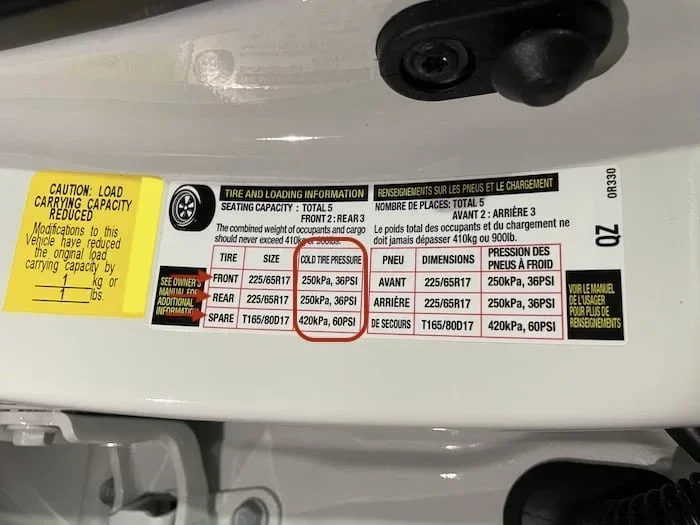
- Keep your tires properly inflated: Underinflated tires create rolling resistance and waste fuel. Check your tire pressure at least once a month.
- Drive smoothly: Avoid hard acceleration and sudden braking. Smooth driving can improve your MPG by 10 to 15 percent.
- Use cruise control on highways: Maintaining a steady speed helps your Camry run more efficiently.
- Remove excess weight: Extra items in your trunk add weight and reduce fuel economy. Keep only what you need.
- Use the recommended octane: The Camry runs well on regular unleaded gasoline. Premium fuel offers no benefit and costs more.
- Keep up with maintenance: Fresh oil, clean air filters, and properly functioning spark plugs all contribute to better fuel economy.
Driving Range: How Far Can You Go on a Full Tank?
One of the most practical questions Camry owners ask is how far they can drive on a full tank of gas. The answer depends on your Camry MPG, driving conditions, and tank size.
With a 15.8-gallon tank and an average fuel economy of 32 miles per gallon, a standard Camry can travel approximately 505 miles on a full tank. The Camry Hybrid, with its 11.3-gallon tank and 52 MPG, can cover about 588 miles. These numbers make the Camry one of the best sedans for long-distance driving without frequent fuel stops.
Real-World Driving Range Factors
Your actual driving range will vary based on several factors. Highway driving at steady speeds typically delivers the best fuel economy. City driving with frequent stops and starts reduces your range. Extreme temperatures, whether hot or cold, can also impact your Camry gas mileage.
Here are some factors that influence how far you can go on a full tank:
- Driving speed: Highway speeds above 70 mph reduce fuel efficiency significantly.
- Traffic conditions: Stop-and-go city traffic uses more fuel than open-road driving.
- Climate control: Using air conditioning in summer or heat in winter increases fuel consumption.
- Terrain: Hilly or mountainous roads require more energy than flat highways.
- Driving style: Aggressive driving with rapid acceleration burns fuel much faster than gentle, steady driving.
The good news is that the Camry’s large tank and efficient engines give you plenty of flexibility. You can comfortably drive from New York City to Chicago on a single tank, or from Los Angeles to San Francisco without worrying about finding a gas station.
Camry Fuel Tank Design and Engineering
Toyota put a lot of thought into the Camry’s fuel tank design. The tank is made from durable materials that resist corrosion and withstand years of daily use. Its placement in the rear of the vehicle helps with weight distribution, which contributes to the Camry’s smooth and stable ride.
Why Toyota Chose 15.8 Gallons
The 15.8-gallon capacity is not a random number. Toyota engineers selected this size after considering many factors. They wanted enough fuel to give drivers a long range without adding unnecessary weight to the car. Extra fuel weighs about 6 pounds per gallon, so a full 15.8-gallon tank adds roughly 95 pounds to the vehicle.
They also needed to balance the tank size with the available space under the car. The Camry’s underbody houses the exhaust system, fuel tank, and in hybrid models, the battery pack. Every inch of space is carefully allocated to maximize both performance and passenger comfort.
Safety Features of the Camry Fuel Tank
Toyota designed the Camry’s fuel tank with safety as a top priority. The tank includes anti-slosh baffles that prevent fuel from sloshing around during sudden maneuvers or collisions. A rollover valve helps prevent fuel leaks in the event of a tip-over accident. These safety features give Camry owners peace of mind every time they fill up and hit the road.
The Camry fuel system also includes a charcoal canister that captures fuel vapors and prevents them from escaping into the atmosphere. This is part of Toyota’s broader commitment to reducing emissions and protecting the environment.
Comparing Camry Tank Size to Other Sedans
How does the Camry’s fuel tank size compare to other popular sedans on the market? Let us take a look at some direct competitors.
| Vehicle | Fuel Tank Capacity | Combined MPG | Estimated Range |
|---|---|---|---|
| Toyota Camry (Gas) | 15.8 gallons | 32 MPG | ~505 miles |
| Toyota Camry Hybrid | 11.3 gallons | 52 MPG | ~588 miles |
| Honda Accord | 14.8 gallons | 32 MPG | ~474 miles |
| Nissan Altima | 16.2 gallons | 32 MPG | ~518 miles |
| Hyundai Sonata | 14.9 gallons | 31 MPG | ~462 miles |
| Mazda 6 | 15.6 gallons | 30 MPG | ~468 miles |
As you can see, the Camry holds a competitive amount of fuel compared to its rivals. The Camry Hybrid stands out with the longest estimated range despite having the smallest tank. This is a testament to how effective Toyota’s hybrid technology is at maximizing fuel efficiency.
Common Mistakes Camry Owners Make at the Pump
Even experienced drivers make mistakes when filling up their cars. Here are some common errors Camry owners should avoid.
Topping Off the Tank
Some people like to keep squeezing the pump handle after the tank is full. This practice can actually cause problems. It can lead to fuel entering the charcoal canister, which is designed to handle vapors, not liquid fuel. Over time, this can cause check engine lights and costly repairs.
Using the Wrong Fuel Type
The Camry is designed to run on regular unleaded gasoline with an octane rating of 87. Using premium fuel will not improve performance or fuel economy. It will only cost you more money at the pump. Save your premium fuel for vehicles that actually require it.
Waiting Until the Tank Is Nearly Empty
Running your Camry on fumes repeatedly can damage the fuel pump. The pump relies on fuel flowing through it to stay cool. When the tank is very low, the pump can overheat and wear out prematurely. Try to keep your tank at least a quarter full at all times.
Quick Tips for Filling Up Your Camry
Here are some quick and easy tips to make filling up your Camry simpler and more efficient:
- Fill up in the early morning: Gas is denser when it is cool, so you get slightly more fuel for your money.
- Use the correct octane: Stick with 87 octane regular unleaded for the best value.
- Know your tank size: Remember that your Camry holds 15.8 gallons (or 11.3 gallons for the hybrid) so you can estimate costs quickly.
- Check for leaks: Inspect your fuel cap and surrounding area regularly for signs of leaks or damage.
- Keep your receipt: Tracking your fuel purchases helps you monitor your spending and identify any unusual changes in fuel economy.
Expert Insights on Camry Fuel Economy
Automotive experts consistently praise the Camry for its balanced approach to fuel economy and performance. According to the U.S. Department of Energy, the Camry ranks among the most fuel-efficient mid-size sedans available. Its combination of a large fuel tank and efficient engines gives it one of the best driving ranges in its class.
Hybrid Camry models have earned particular praise for their exceptional fuel economy. The Camry Hybrid delivers over 50 MPG in combined driving, which is remarkable for a midsize sedan. This means you can go longer between fill-ups and spend less money on fuel over the life of the vehicle.
Engineers at Toyota have also focused on reducing friction throughout the engine and transmission. These small improvements add up over thousands of miles, giving Camry owners a noticeable advantage at the pump compared to older vehicles or less refined competitors.
Frequently Asked Questions
How many gallons does a 2024 Toyota Camry gas tank hold?
The 2024 Toyota Camry holds 15.8 gallons of fuel in its gas tank across all non-hybrid trim levels. The Camry Hybrid version has an 11.3-gallon tank. Both sizes are designed to give you an excellent driving range for daily commuting and road trips alike.
How much does it cost to fill up a Toyota Camry?
At an average gas price of $3.50 per gallon, filling a 15.8-gallon Camry tank costs about $55. At $4.00 per gallon, the cost rises to approximately $63. The Camry Hybrid costs less to fill because its tank is smaller at 11.3 gallons, and you also save money because it uses significantly less fuel overall.
How far can a Toyota Camry go on a full tank?
A gas-powered Camry with a 15.8-gallon tank and 32 MPG can travel about 505 miles on a full tank. The Camry Hybrid with 11.3 gallons and 52 MPG can go approximately 588 miles. Your actual range will vary based on driving conditions, speed, and personal driving habits.
Does the Camry V6 have a different gas tank size?
No, the V6 Camry uses the same 15.8-gallon fuel tank as the four-cylinder models. Toyota kept the tank capacity consistent across all engine options in the current Camry lineup to simplify ownership and maintenance for drivers.
Is it bad to run a Camry on low fuel?
Yes, frequently running your Camry on very low fuel can damage the fuel pump. The pump needs fuel flowing through it to stay cool. When the tank is nearly empty, the pump can overheat. Keep your tank at least a quarter full to protect your fuel system and avoid costly repairs.
Can I use premium gas in my Toyota Camry?
You can use premium gas in a Camry, but it is not necessary. The Camry is engineered to run on regular unleaded gasoline with 87 octane. Using premium fuel will not improve performance, fuel economy, or engine longevity. Stick with regular unleaded to save money at every fill-up.
Final Thoughts
Knowing how many gallons of gas it takes to fill up a Toyota Camry is more than just a fun fact. It is practical knowledge that helps you budget, plan trips, and take better care of your vehicle. Whether your Camry holds 15.8 gallons or 11.3 gallons in its hybrid form, understanding your fuel tank capacity puts you in control.
The Toyota Camry remains one of the best-selling sedans in America, and for good reason. It offers a perfect blend of fuel efficiency, reliability, comfort, and range. With a full tank, you can confidently tackle long highway drives, daily commutes, and everything in between without constantly worrying about your next stop at the gas station.
Take a moment to check your owner’s manual or look at the fuel door sticker on your Camry. Confirm your specific tank size and make a mental note of what it costs you to fill up. This small habit can save you time, money, and stress for years to come. Your Toyota Camry is built to go the distance, and now you know exactly how far a full tank can take you.