Why 3d Printed Car Parts Are the Future of Automotive Repair
3d printed car parts are changing how we fix vehicles. This technology uses additive manufacturing to create custom replacement parts quickly and affordably. Learn why shops and car owners are embracing this innovative approach to automotive repair.
The automotive world is changing fast. 3d printed car parts are no longer just a cool idea from a science fiction movie. Today, repair shops and car enthusiasts use this technology to make custom parts in hours, not weeks. This method saves money, cuts down on wait times, and opens up new possibilities for vehicle maintenance. If you own a car, understanding how this works can save you time and money the next time something breaks.
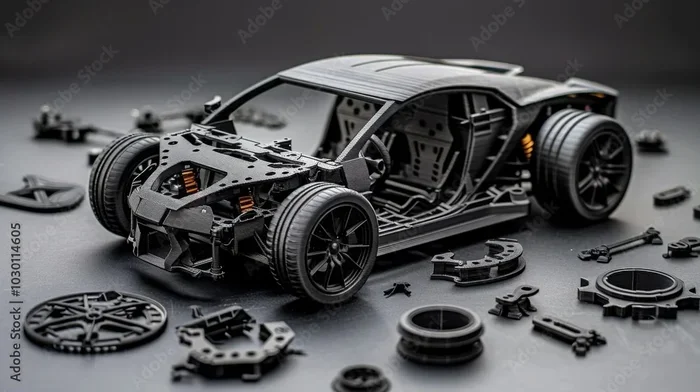
For decades, replacing a broken car part meant waiting for a shipment or paying a premium for a rare component. Now, 3d printed car parts are turning that old process upside down. Additive manufacturing lets you build parts layer by layer, directly from a digital file. This shift is not just about convenience. It is about giving car owners and mechanics more control over repairs. 3d printed car parts are making it possible to fix vehicles that were once considered too damaged or too old to save.
Key Takeaways
- 3d printed car parts offer significant cost savings compared to traditional parts sourcing methods.
- The technology enables faster turnaround times, often getting parts ready in hours instead of weeks.
- Customization is a major advantage, allowing parts to fit unique or classic vehicle configurations perfectly.
- Material choice is critical. Match the filament to the part’s intended use and environmental conditions.
- Safety-critical parts should always be evaluated by a professional before installation.
- The industry is evolving rapidly, with stronger materials and better printers entering the market every year.
- Whether you own a printer or use a service, 3d printing is making automotive repair more accessible and affordable.
📑 Table of Contents
What Are 3d Printed Car Parts?
How Does 3d Printing Work for Car Parts?
3d printed car parts are created through a process called additive manufacturing. The printer builds an object one thin layer at a time, following a digital design. A 3d model file guides the printer head to deposit material precisely where it is needed. For car parts, this means creating complex shapes that traditional manufacturing cannot easily produce. The result is a functional part that fits your vehicle exactly.
The process starts with a digital file. You can design a part yourself using 3d modeling software or download an existing file from online repositories. The printer then reads the file and begins building the part from the bottom up. Each layer bonds to the one below it, creating a solid structure. This approach is very different from traditional car parts manufacturing, which often involves molds, casting, or machining.
Common Materials Used in 3d Printed Car Parts
Not all 3d printed car parts use the same material. The choice depends on the part’s job and the heat or stress it will face. Here are the most common options:
- PLA (Polylactic Acid): Great for prototypes and non-load-bearing parts. It is easy to print and very affordable.
- ABS (Acrylonitrile Butadiene Styrene): Stronger than PLA. Often used for interior panels and functional components.
- Polycarbonate: Very tough and heat-resistant. Ideal for engine bay components and under-hood parts.
- Nylon and Carbon-Fiber Filaments: Used for high-stress parts like brackets, mounts, and structural supports.
Each material has different properties. PLA is beginner-friendly but will warp under heat. Polycarbonate handles high temperatures well but requires a printer with a heated bed. Choose your 3d printer filament based on where the part will live and what forces it will face.
Benefits of 3d Printed Car Parts
Cost Savings for Car Owners and Shops
One of the biggest draws of 3d printed car parts is the cost savings. Traditional manufacturing requires expensive molds and tooling. With a 3d printer, you skip all of that. You print the part directly from a digital file. For rare or classic cars, this is a game changer. A custom 3d printed car part can cost a fraction of what a vintage replacement would run.
You also save on shipping. Instead of waiting for a part to arrive from a distant supplier, you can print it locally or even in your own garage. Cost savings add up quickly, especially for owners of older vehicles where original parts are scarce and expensive. Many car owners report saving 50 to 80 percent compared to ordering OEM components.
Speed and Convenience
Waiting weeks for a shipped part is frustrating. 3d printed car parts can be ready in hours or days. This speed is a huge advantage for daily drivers that need to get back on the road fast. Many repair shops now keep 3d printers on site. This means they can design and print a part while you wait. The turnaround time drops from weeks to just a few hours in many cases.
Rapid prototyping also plays a big role here. Before committing to a final print, you can create a quick prototype to test the fit. This iterative approach means fewer mistakes and less wasted material. 3d printed components can be redesigned and reprinted in a single afternoon, something that would take days with traditional methods.
Customization and Design Freedom
Traditional parts come in standard sizes. 3d printed car parts let you customize every detail. Need a bracket that fits a unique engine setup? A 3d printer can make it exactly to your specs. This level of customization is perfect for car restoration projects and custom builds. You can reproduce parts that are no longer in production or design something entirely new.
Custom car parts open up creative possibilities that were never available before. Want a racing-style air intake cover with your own design? You can create it. Need a spacer that fills an odd gap in your engine bay? Print one. The design freedom is limited only by your imagination and the size of your printer’s build area.
Quick Tips for Getting Started with 3d Printed Car Parts
- Start with simple, non-structural parts like trim pieces or cable holders.
- Use free design files from online communities before creating your own.
- Always check the material specifications for your intended use.
- Test fit the part before final installation.
- Consider post-processing like sanding and painting for a finished look.
Types of Car Parts You Can 3d Print
Exterior and Body Panels
Car body panels are among the most popular 3d printed car parts today. Plastic trim pieces, side mirror housings, and even full body panels can be printed with the right material and printer size. For classic car owners, this is especially valuable. Finding original body panels for older models can be nearly impossible. 3d printed car parts offer a practical workaround that looks great and fits perfectly.
Many enthusiasts have successfully printed and installed front bumper covers, grille surrounds, and side skirts. The key is choosing a durable material and taking the time to prep and paint the part properly. With the right finish, a printed body panel can be virtually indistinguishable from the original.
Engine Bay and Functional Components
Engine components like covers, brackets, and heat shields can be 3d printed successfully. Polycarbonate and nylon-based filaments handle the heat and vibration of the engine bay well. These engine components can replace broken covers, create custom mounting brackets, or even house aftermarket sensors.
However, safety is critical here. Never print safety-critical engine parts without consulting a professional. 3d printed car parts for the engine bay should be tested thoroughly before permanent installation. Heat resistance, vibration tolerance, and material strength all need to be verified for each specific application.
Interior Components and Trim
Dashboard pieces, console covers, and door handles are excellent candidates for 3d printing. ABS and PLA work well for these interior applications. Car restoration projects benefit greatly from this capability. You can recreate faded or broken interior pieces with precision. The result looks factory fresh when painted and finished properly.
Even small items like cup holder inserts, phone mounts, and cable organizers are popular printing projects. These vehicle components are easy to make and can save you from buying expensive aftermarket accessories. The variety of parts you can create for your interior is truly vast.
Comparison: 3d Printed Parts vs. Traditional Replacement Parts
| Part Type | Best Material | Difficulty Level | Cost Savings vs. OEM |
|---|---|---|---|
| Body Trim Panels | ABS or PLA | Easy | 60-80% |
| Engine Covers | Polycarbonate | Medium | 40-60% |
| Interior Trim | ABS | Easy | 50-70% |
| Custom Brackets | Nylon/Carbon Fiber | Medium | 70-90% |
| Body Panels | Polycarbonate | Hard | 50-75% |
How 3d Printing Is Changing Automotive Repair Shops
From Waiting Weeks to Printing in Hours
The traditional supply chain for auto parts is slow. A shop orders a part, the supplier ships it, and the customer waits. 3d printed car parts collapse that timeline dramatically. Many independent shops are investing in their own 3d printers. This gives them the power to produce parts on demand. Customers get faster service, and shops can take on jobs they could not handle before.
The impact on automotive repair is significant. Shops no longer need to turn away jobs because a part is backordered. They can simply design and print what is needed. This flexibility is especially valuable for older or foreign vehicles where OEM parts are hard to find. Spare parts that once required weeks of waiting can now be produced in a single day.
Reducing Inventory Costs
Traditional parts inventory takes up space and money. Shops must stock parts for hundreds of different models. With 3d printing, the inventory becomes a digital library of design files. Instead of storing physical parts, a shop stores digital files. When a part is needed, they print it on the spot. This on-demand parts approach saves significant storage space and reduces waste.
Shops also benefit from not being stuck with obsolete inventory. If a model year changes or a part is discontinued, the digital file is still useful. You simply print the part when a customer needs it. This model is a major shift from the traditional car parts manufacturing approach and represents a more sustainable way to run a repair business.
What Industry Experts Say
“3d printing is not replacing traditional manufacturing overnight,” says automotive engineer Mark Stevens. “But for custom parts, rare vehicles, and rapid prototyping, it is already the best tool available.”
Experts agree that 3d printed car parts will continue to grow in capability. Material science is improving every year. Stronger filaments and better printers are making it possible to print more demanding components. The automotive industry is watching closely, and many major manufacturers are already investing in additive manufacturing for their production lines.
Challenges and Limitations of 3d Printed Car Parts
Material Strength and Durability Concerns
Not every 3d printed material is strong enough for safety-critical parts. A plastic trim piece is one thing. A suspension component is another. 3d printed car parts for structural or load-bearing applications need careful material selection. Always check the tensile strength and heat resistance of your chosen filament. When in doubt, consult with an experienced mechanic or engineer before installing a printed part in a critical location.
The material strength of 3d printed parts also depends on print settings. Layer height, infill percentage, and print orientation all affect the final durability. A part printed with 100% infill and fine layers will be much stronger than one printed quickly with low infill. Understanding these variables is essential for producing reliable 3d printed components for real-world use.
Size Limitations of Current Printers
Most consumer and even professional 3d printers have build volume limits. This means you cannot print a full car door on a standard machine. Large parts often need to be printed in sections and bonded together. Industrial-grade printers are solving this problem, but they come with a high price tag. For now, 3d printed car parts work best for smaller components or modular designs that can be assembled after printing.
Some creative solutions have emerged from the community. Car owners have printed large body panels in sections and joined them with solvent bonding or mechanical fasteners. The results can be surprisingly strong and seamless with the right technique. However, these approaches require more skill and patience than printing a single small part.
Quality Control and Consistency
Every 3d print is slightly different. Temperature changes, filament quality, and printer calibration all affect the final result. This variability can be a challenge for parts that need tight tolerances. 3d printed components for precision applications require careful calibration and testing before they go into a vehicle.
Common Mistakes to Avoid
- Using the wrong material for the job. PLA is great for display pieces but will warp under a hot hood.
- Skipping structural testing. Never install a printed part in a safety-critical location without proper testing.
- Ignoring layer adhesion. Poor layer bonding can cause parts to crack under stress. Adjust print settings for stronger bonds.
- Not accounting for shrinkage. Many filaments shrink as they cool. Design your model with this in mind to ensure a proper fit.
- Rushing the post-processing. Sanding, priming, and painting take time but are essential for a professional finish on visible parts.
The Future of 3d Printed Car Parts in the Industry
Where the Technology Is Heading
The future of 3d printed car parts looks incredibly bright. Printer speeds are increasing, materials are getting stronger, and costs are dropping. What was once a niche hobby is becoming a mainstream tool for the automotive industry. Major car manufacturers are already using additive manufacturing for prototyping and low-volume production.
As the technology matures, we can expect to see more OEMs offering 3d printed parts directly to consumers. The concept of on-demand parts could reshape the entire supply chain. Instead of warehousing thousands of parts, manufacturers could store digital files and print parts as needed. This would reduce waste, cut costs, and speed up delivery for everyone involved in vehicle maintenance and repair.
Sustainability and Environmental Benefits
3d printing reduces waste compared to traditional manufacturing. Subtractive methods cut away material, creating scrap. Additive manufacturing uses only the material needed for the part. This efficiency matters for the environment. Less waste means a smaller carbon footprint. Plus, printing parts locally eliminates the emissions from shipping components around the world.
The 3d printing services ecosystem is also growing. Many local makerspaces and shops now offer printing services. This makes 3d printed car parts accessible even if you do not own a printer yourself. The growing network of service providers means anyone can benefit from this technology, regardless of their budget or technical expertise.
Key Takeaways
- 3d printed car parts offer significant cost savings compared to traditional parts sourcing methods.
- The technology enables faster turnaround times, often getting parts ready in hours instead of weeks.
- Customization is a major advantage, allowing parts to fit unique or classic vehicle configurations perfectly.
- Material choice is critical. Match the filament to the part’s intended use and environmental conditions.
- Safety-critical parts should always be evaluated by a professional before installation.
- The industry is evolving rapidly, with stronger materials and better printers entering the market every year.
- Whether you own a printer or use a service, 3d printing is making automotive repair more accessible and affordable.
The rise of 3d printed car parts is reshaping the automotive repair landscape. From cost savings to customization, the benefits are clear and compelling. Whether you are a professional mechanic or a weekend car enthusiast, this technology opens doors that were closed just a few years ago.
Traditional manufacturing will always have its place. But for custom parts, rare vehicles, and urgent repairs, 3d printed car parts are the way forward. The technology is accessible, affordable, and getting better every single day. Start small. Try printing a simple trim piece or a cable organizer. See how the process works and what quality you can achieve. As you grow more confident, you can tackle more complex projects. The future of automotive repair is here, and it is being built one layer at a time.
Frequently Asked Questions
Can 3d printed car parts handle real driving conditions?
It depends on the material and the part’s location. Non-structural parts like trim and covers work great with standard filaments. For engine bay or undercarriage parts, use heat-resistant materials like polycarbonate or nylon. Always test fit and function before relying on a printed part daily.
How much does it cost to print a car part at home?
The cost varies based on part size and material. A small trim piece might cost just a few dollars in filament. Larger parts or those requiring specialty materials can run higher. Overall, 3d printed car parts are significantly cheaper than ordering OEM replacements, especially for rare or classic vehicles.
Do I need a professional 3d printer to make car parts?
Not necessarily. Consumer-grade printers can handle many automotive parts successfully. However, larger or more demanding parts benefit from professional-grade machines. Many local shops and makerspaces also offer printing services if you do not own a printer yourself.
Are 3d printed car parts as strong as factory-made parts?
For most non-structural applications, modern filaments like ABS and polycarbonate come very close to factory part strength. However, safety-critical components like suspension parts or structural elements should be approached with caution. Always consult a professional for load-bearing or safety-related applications.
Can I find existing 3d print files for my car model?
Yes, many online communities and repositories offer free or paid design files for popular car models. Sites like Thingiverse and MyMiniFactory have growing libraries of automotive parts. You can also commission custom designs from 3d modeling professionals if your part is not available.
How long does it take to print a typical car part?
Print time varies widely based on part size, complexity, and printer speed. A small interior trim piece might take 2 to 4 hours. A larger body panel could take 12 to 24 hours or more. Factor in post-processing time like sanding and painting for a complete timeline.