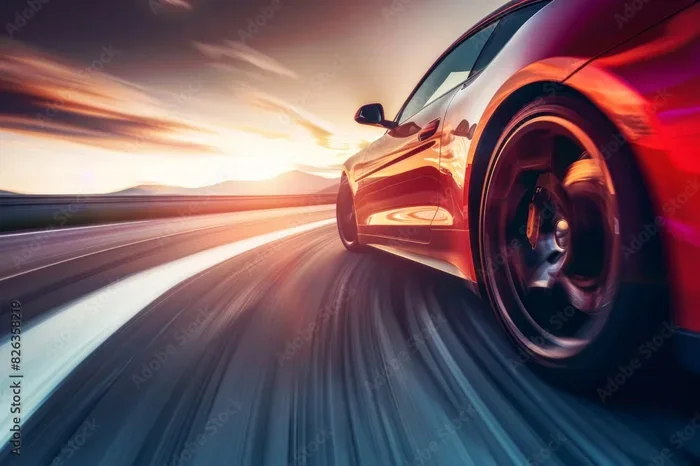
Understanding How a Car Is Accelerated on a Levelled Road
When a car is accelerated on a levelled road, multiple forces work together to increase speed. The engine generates torque, the drivetrain transfers power to the wheels, and friction between tires and road propels the vehicle forward. Understanding these forces helps drivers make smarter choices about maintenance, driving habits, and vehicle upgrades. This guide breaks down the entire acceleration process in simple, easy-to-understand terms.
Have you ever wondered what actually happens under the hood when a car is accelerated on a levelled road? It is easy to just press the gas pedal and watch the speedometer climb. But behind that simple action is a fascinating dance of physics, engineering, and mechanical power. Every time you step on the accelerator, forces are pushing, pulling, and balancing to get your vehicle moving faster.
Whether you are a new driver or someone who has been behind the wheel for years, understanding how acceleration works on a flat road gives you a deeper appreciation for your vehicle. It also helps you make better decisions about maintenance, driving style, and even car shopping. When a car is accelerated on a levelled road, several key factors determine how quickly and smoothly you speed up.
This guide walks you through every important aspect of car acceleration. We will cover the science, the mechanics, the forces involved, and practical tips you can use today. The goal is to make this topic clear, useful, and genuinely interesting. No jargon overload. No confusing diagrams. Just straightforward information that anyone can digest.
Key Takeaways
- Engine torque is the starting point: The engine creates rotational force that drives the wheels forward when a car is accelerated on a levelled road.
- Friction is your friend: Without proper traction between tires and the road surface, acceleration simply would not happen.
- Multiple forces are always at play: Net force, air resistance, and rolling resistance all shape how quickly a vehicle speeds up.
- Drivetrain design matters a lot: Front-wheel drive, rear-wheel drive, and all-wheel drive systems each handle power delivery differently.
- Small habits improve acceleration: Tire pressure, engine maintenance, and reducing excess weight all boost performance.
- Physics makes it simple: Newton’s second law explains acceleration in a way anyone can understand.
- Acceleration is not just about speed: It affects safety, fuel economy, and overall driving experience.
📑 Table of Contents
- What Happens When a Car Is Accelerated on a Levelled Road
- The Science Behind Car Acceleration on a Flat Road
- Key Forces That Affect Acceleration on a Levelled Road
- How the Engine and Drivetrain Work Together
- Common Factors That Influence Acceleration Performance
- Tips to Improve Your Car’s Acceleration on a Levelled Road
- Key Takeaways
- Conclusion
What Happens When a Car Is Accelerated on a Levelled Road
The moment you press the accelerator pedal, a chain reaction begins. Your foot sends a signal to the engine. The engine responds by burning fuel and creating energy. That energy travels through the drivetrain and reaches the wheels. The wheels then push against the road surface, and the road pushes back. This push-back is what moves the car forward.
On a levelled road, gravity does not pull the car downhill or uphill. This means the full force of acceleration goes toward increasing speed. There is no hill to fight against. That is why understanding acceleration on flat ground is the best starting point for any driver who wants to learn about vehicle dynamics.
The Role of the Accelerator Pedal
The accelerator pedal is your direct connection to the engine. When you press it down, you are telling the engine to burn more fuel per second. More fuel means more energy. More energy means more power delivered to the wheels. The harder you press, the faster the car is accelerated on a levelled road. It is a direct cause-and-effect relationship that every driver controls every single day.
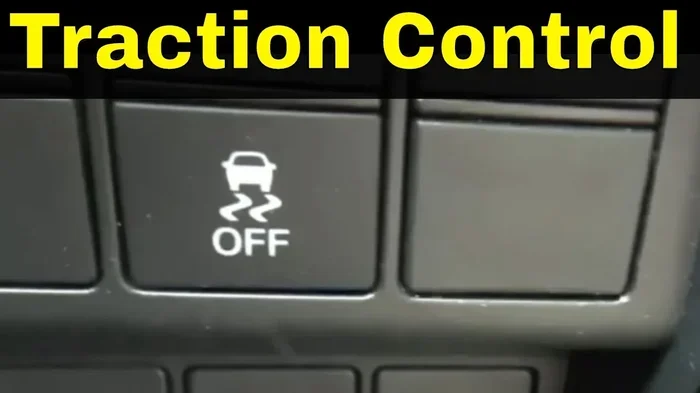
Modern cars use electronic throttle systems. These systems adjust the amount of air and fuel that enters the engine. Older cars used a mechanical cable connected directly to the throttle body. Both systems achieve the same goal, but electronic throttles offer more precision. They also allow for features like cruise control and traction control, which adjust acceleration automatically.
From Idle to Motion: The Initial Push
When a car is sitting still, the engine is idling. The wheels are not turning. The moment you press the pedal, the engine RPMs increase. Torque builds up in the crankshaft. The transmission translates that torque into rotational force at the wheels. The tires grip the road, and the car lurches forward. That initial push is the most critical moment in the acceleration process.
If the road is wet or icy, the tires might slip instead of gripping. This is why traction control systems exist. They detect wheel slip and adjust power delivery to keep the car moving forward smoothly. Without proper traction, all the engine power in the world would just spin the wheels uselessly.
The Science Behind Car Acceleration on a Flat Road
Acceleration is not just a mechanical process. It is a physics process. Sir Isaac Newton gave us the laws that explain exactly why and how a car speeds up on a flat surface. You do not need to be a scientist to understand these principles. They are simple and logical.
Newton’s Second Law and Vehicle Acceleration
Newton’s second law states that force equals mass times acceleration, or F equals M times A. In plain English, the heavier the car, the more force is needed to speed it up. A lightweight hatchback accelerates faster than a heavy SUV when both engines produce the same power. This is why a car is accelerated on a levelled road at different rates depending on its weight.
The formula is straightforward:
- Acceleration equals net force divided by mass.
- More force means faster acceleration.
- More mass means slower acceleration.
This is why sports cars are built light and powerful. They pack a lot of force into a small frame. Family sedans prioritize comfort and space, which adds weight and slightly reduces acceleration. Both approaches serve different needs, but the physics remain the same.
Net Force and Balanced Forces on a Flat Surface
On a levelled road, the forces acting on a car are relatively balanced in the vertical direction. Gravity pulls the car down, and the road pushes it back up with an equal force called the normal force. These two forces cancel each other out. This means all the engine’s force goes directly into moving the car forward.
The net force is what actually causes acceleration. If the engine produces 300 pounds of force forward, and air resistance plus rolling resistance create 100 pounds of force backward, the net force is 200 pounds forward. That 200 pounds is what speeds the car up. As the car gains speed, air resistance grows. Eventually, the forces balance out and the car stops accelerating. This is called reaching terminal velocity in a straight line.
Kinetic Energy and Speed Increase
As a car speeds up, it gains kinetic energy. Kinetic energy depends on both mass and the square of velocity. This means doubling your speed requires four times the energy. That is why high-speed acceleration feels so much harder on the engine. The car is accelerated on a levelled road from 0 to 30 miles per hour much more easily than from 60 to 90 miles per hour.
Understanding kinetic energy also explains why braking distances increase at higher speeds. The same energy that was built up during acceleration must be absorbed by the brakes when you slow down. This is a key concept for safe driving and one that many new drivers overlook.
Key Forces That Affect Acceleration on a Levelled Road
Several forces work together, and sometimes against each other, when your vehicle speeds up on a flat surface. Let us break them down one by one so you can see the full picture.
Engine Torque and Horsepower
Torque is the twisting force the engine creates. It is what turns the crankshaft, which turns the wheels. Horsepower is how quickly that work gets done. A car with high torque feels strong and responsive from a stop. A car with high horsepower feels fast at higher speeds. The best acceleration comes from a balance of both.
When a car is accelerated on a levelled road, torque is the hero of the initial launch. It gets the heavy vehicle moving from a standstill. Horsepower takes over as speeds increase and the car needs to keep climbing in velocity. Both metrics are important, but they shine at different parts of the acceleration curve.
Friction and Traction
Friction gets a bad reputation, but it is absolutely essential for acceleration. Without friction between the tires and the road, the wheels would just spin in place. Static friction is what grips the tire to the road surface and propels the car forward.
Tire quality matters a lot here. All-season tires, performance tires, and summer tires all offer different levels of grip. Underinflated tires reduce the contact patch with the road, which lowers traction. Overinflated tires do the same by reducing the area touching the pavement. Keeping your tires properly inflated is one of the simplest ways to improve acceleration and safety.
Air Resistance and Drag
As your car moves faster, air pushes back against it. This force is called drag or air resistance. At low speeds, drag is minimal. At highway speeds, it becomes the biggest enemy of acceleration. That is why cars are designed with aerodynamic shapes. The smoother and more streamlined the body, the less air resistance it faces.
Roof racks, open windows, and cargo boxes all increase drag. If you want better acceleration and fuel efficiency, remove unnecessary items from the roof when you are not using them. Small changes like this can make a noticeable difference in how your vehicle performs.
Rolling Resistance
Every time a tire rolls on a surface, it deforms slightly. This deformation creates a resistance force called rolling resistance. It is always present, even on a perfectly smooth road. The type of tire, tire pressure, and road surface all influence how much rolling resistance you experience.
Low rolling resistance tires are designed to minimize this deformation. They are common on hybrid and electric vehicles because they help extend range and improve efficiency. However, they sometimes offer slightly less grip than performance-oriented tires. Finding the right balance depends on your driving needs and local conditions.
How the Engine and Drivetrain Work Together
The engine is the heart of the acceleration process, but the drivetrain is the system that delivers that power to the wheels. Understanding how these two systems work together gives you a clearer picture of what happens when a car is accelerated on a levelled road.
Transmission and Gear Ratios
The transmission plays a crucial role in acceleration. It uses gears to adjust the ratio between engine speed and wheel speed. Lower gears provide more torque at the wheels, which is perfect for launching from a stop. Higher gears reduce torque but allow the car to reach higher speeds efficiently.
Manual transmissions give the driver direct control over gear selection. Automatic transmissions handle the shifting automatically. Modern Continuously Variable Transmissions (CVTs) adjust seamlessly through an infinite number of ratios. Each type has its advantages, but all of them serve the same purpose: delivering the right amount of power to the wheels at the right time.
Front-Wheel Drive vs Rear-Wheel Drive vs All-Wheel Drive
The drivetrain layout determines which wheels receive the engine’s power. Each layout affects acceleration differently.
- Front-Wheel Drive (FWD): The front wheels handle both steering and acceleration. FWD cars are generally lighter and more fuel-efficient. However, they can experience understeer during hard acceleration because weight shifts away from the front wheels.
- Rear-Wheel Drive (RWD): Power goes to the rear wheels. This layout offers better weight distribution during acceleration. Sports cars and performance vehicles often use RWD for this reason.
- All-Wheel Drive (AWD): Power is distributed to all four wheels. AWD provides excellent traction and stability, especially in low-grip conditions. However, AWD systems add weight, which can slightly reduce acceleration compared to FWD or RWD equivalents.
When a car is accelerated on a levelled road, AWD systems can deliver power more evenly. This reduces wheel slip and provides smoother, more confident acceleration. FWD and RWD systems each have their strengths depending on driving conditions and vehicle design.
The Differential: Why Inside Wheels Spin Differently
The differential is a gear system that allows the wheels on the same axle to rotate at different speeds. This is essential when turning corners. Without a differential, the tires would scrub against the road, causing wear and handling problems. During acceleration on a straight levelled road, both wheels spin at the same speed. The differential ensures smooth power delivery in all driving situations.
Common Factors That Influence Acceleration Performance
Not all cars accelerate the same way. Several factors determine how quickly a vehicle can speed up on a flat road. Understanding these factors helps you diagnose performance issues and make informed decisions about your car.
Vehicle Weight and Mass
Heavier vehicles need more force to accelerate. This is a direct consequence of Newton’s second law. A fully loaded SUV takes longer to reach highway speed than an empty compact car with the same engine. Adding passengers, cargo, or aftermarket accessories increases the mass and reduces acceleration.
If you want better acceleration, reducing unnecessary weight is one of the most effective steps you can take. Remove heavy items from the trunk, consider lighter wheels, and avoid modifying the vehicle with heavy add-ons unless they are truly necessary.
Engine Condition and Maintenance
A well-maintained engine accelerates better than a neglected one. Over time, carbon buildup, worn spark plugs, dirty air filters, and low-quality fuel can all reduce engine performance. Regular maintenance keeps the engine running at peak efficiency.
Here are simple maintenance steps that support better acceleration:
- Replace spark plugs on schedule.
- Change the air filter regularly.
- Use the recommended grade of fuel.
- Keep the fuel system clean with periodic additives.
- Check and replace the oxygen sensor if needed.
These small habits add up to a noticeable difference in how your car responds when you press the pedal.
Road Surface and Conditions
Even on a levelled road, the surface matters. Smooth asphalt provides the best grip. Gravel, wet pavement, and patched roads create more resistance and reduce traction. Temperature also plays a role. Cold tires have less grip than warm tires, which is why performance drivers warm up their tires before pushing the car hard.
The road surface condition directly affects the friction available for acceleration. On a perfectly smooth, dry levelled road, a car can accelerate more efficiently than on a rough or wet surface. This is an often-overlooked factor that impacts everyday driving more than most people realize.
Tips to Improve Your Car’s Acceleration on a Levelled Road
Want your car to accelerate faster and feel more responsive? There are several practical steps you can take. Some are free, and some require a small investment. All of them make a real difference.
Keep Your Tires in Great Shape
Tires are the only part of your car that touches the road. Their condition directly affects traction and acceleration. Check tire pressure at least once a month. Replace tires when the tread wears down below the legal limit. Choose tires that match your driving style and local weather conditions.
Properly inflated tires with good tread provide maximum grip. This means the engine’s power translates into forward motion more efficiently. You get better acceleration, shorter stopping distances, and improved fuel economy. It is a win-win-win.
Reduce Excess Weight
Every kilogram you remove from the car improves the acceleration-to-weight ratio. Clear out items you do not need. Consider lightweight aftermarket parts like aluminum wheels or carbon fiber trim pieces. While the gains from any single change might be small, they add up over time.
Upgrade the Air Intake and Exhaust
Aftermarket cold air intakes and performance exhaust systems can improve engine breathing. Better airflow means the engine can burn fuel more efficiently. This often results in a modest increase in horsepower and torque. The gains are usually small but noticeable, especially during everyday driving when a car is accelerated on a levelled road.
Practice Smooth Driving Habits
How you drive matters as much as what car you drive. Smooth, progressive throttle inputs allow the tires to maintain grip and the drivetrain to transfer power efficiently. Slamming the accelerator wastes energy through tire spin and reduces the actual acceleration you feel.
Shift gears at the right RPM in a manual transmission. In an automatic, avoid lugging the engine in too high a gear. These small adjustments can make your daily commute feel more responsive and enjoyable.
Key Takeaways
- Acceleration is a physics-driven process: Newton’s laws explain exactly how and why a car speeds up on a flat surface.
- Engine torque gets you moving, horsepower keeps you going: Both are essential for strong acceleration.
- Friction and traction are non-negotiable: Without proper grip between tires and road, acceleration fails regardless of engine power.
- Drivetrain layout affects performance: FWD, RWD, and AWD systems each deliver power differently and suit different driving styles.
- Maintenance matters: A well-cared-for engine accelerates better than a neglected one.
- Small changes add up: Tire care, weight reduction, and driving habits all contribute to better acceleration.
- Understanding the forces helps you drive smarter: Knowledge of how a car is accelerated on a levelled road makes you a more informed and safer driver.
Conclusion
Understanding how a car is accelerated on a levelled road transforms a simple daily action into something meaningful. When you know the forces at work, the mechanics involved, and the factors that influence performance, you become a more confident and capable driver. The next time you press the accelerator, you will appreciate the incredible chain of events that makes your car move forward.
From engine torque and drivetrain design to friction, air resistance, and vehicle weight, every element plays a role. Maintaining your car properly, driving with intention, and making smart upgrades all contribute to better acceleration. Whether you are commuting to work or enjoying a weekend drive, these principles apply every single time you hit the road.
The beauty of this topic is that it does not require engineering expertise to understand. The basic concepts are accessible to anyone willing to learn. Start with the fundamentals, build your knowledge over time, and you will notice the difference in how your car responds. A car is accelerated on a levelled road through a combination of power, grip, and smart engineering. Now you know exactly how it all works.
Frequently Asked Questions
Why does my car feel slower when it is fully loaded with passengers and cargo?
Adding weight increases the mass of the vehicle. According to Newton’s second law, more mass requires more force to achieve the same acceleration. When a car is accelerated on a levelled road, the engine must work harder to move a heavier load. This is why fully loaded cars feel slower off the line compared to empty ones.
Does tire pressure really affect acceleration?
Yes, it does. Underinflated tires have a smaller contact patch with the road, which reduces traction and increases rolling resistance. Overinflated tires reduce the contact area as well. Both conditions hurt acceleration. Properly inflated tires maximize grip and allow the engine’s power to transfer to the road more effectively.
Is front-wheel drive or rear-wheel drive better for acceleration?
It depends on the situation. Rear-wheel drive typically offers better acceleration because weight shifts to the rear wheels during launch, increasing traction. Front-wheel drive cars can experience wheel spin under hard acceleration because weight shifts away from the driven wheels. All-wheel drive provides the best traction in most conditions but adds weight, which can slightly reduce overall acceleration.
How does air resistance affect acceleration at higher speeds?
Air resistance grows exponentially with speed. At low speeds, drag has minimal impact on acceleration. But as you approach highway speeds, drag becomes the dominant opposing force. This is why a car is accelerated on a levelled road much more easily at 30 miles per hour than at 80 miles per hour. The engine must overcome significantly more air resistance at higher speeds.
Can a dirty air filter reduce acceleration?
Absolutely. A clogged air filter restricts airflow into the engine, which reduces the amount of oxygen available for combustion. Less oxygen means less efficient fuel burning, which leads to reduced power output. Replacing a dirty air filter is a simple and inexpensive way to restore lost acceleration and improve overall engine performance.
What role does the transmission play in how quickly a car accelerates?
The transmission determines how engine power reaches the wheels. Lower gears multiply torque for strong launches, while higher gears allow efficient cruising. A transmission that shifts at the right time maximizes acceleration. Modern CVTs and dual-clutch transmissions shift faster than traditional automatics, which is why they often feel quicker when a car is accelerated on a levelled road.