Anti Scratch Coating for Cars That Protects Your Paint
Anti scratch coating for cars is a protective layer that shields your vehicle’s paint from everyday damage. It creates a hard, durable barrier against swirl marks, rock chips, and UV rays. This guide covers everything you need to know, from how it works to choosing the right product for your ride.
Your car’s paint takes a beating every single day. Sun rays, dust, bird droppings, and even just washing it can cause tiny scratches over time. That is where anti scratch coating for cars comes in. This protective layer acts like armor for your vehicle’s exterior, keeping it looking sharp and new.
Whether you just bought a new car or want to restore an older one, understanding how anti scratch coating for cars works is essential. In this guide, we break down everything you need to know. You will learn about the different types, how to apply them, and which one fits your budget and needs.
Let us be honest. Most car owners do not think about paint protection until they see a scratch. By then, the damage is done. But with the right protective coating for your car, you can prevent that headache altogether. Keep reading to find out how.
Key Takeaways
- Anti scratch coating for cars adds a tough, transparent shield over your paint job.
- It blocks swirl marks, UV damage, and minor scrapes that dull your finish.
- Ceramic coatings, paint sealants, and PPF are the three main types to choose from.
- Proper surface prep and application make all the difference in lasting protection.
- Regular maintenance keeps your coating performing at its best for years.
- Investing in a quality coating saves money on paint correction and repairs later.
📑 Table of Contents
- What Is Anti Scratch Coating for Cars?
- Why You Need Scratch Protection for Your Vehicle
- Types of Anti Scratch Coatings for Cars
- How to Choose the Right Anti Scratch Coating
- How to Apply Anti Scratch Coating Properly
- Common Mistakes to Avoid
- Expert Insights on Paint Protection
- Frequently Asked Questions
- Conclusion
What Is Anti Scratch Coating for Cars?
Anti scratch coating for cars is a liquid or film applied to your vehicle’s exterior. It bonds with the paint surface to create a hard, transparent layer. This layer absorbs impact and resists minor abrasions that would otherwise damage your clear coat.
Think of it like putting a screen protector on your phone. You cannot see it, but it does a lot of heavy lifting. The scratch resistant coating fills in tiny imperfections and hardens the paint surface. This makes your car more resilient to everyday threats.
Most car paint protection products fall into three categories. Ceramic coatings create a chemical bond with the paint. Paint sealants offer a synthetic barrier. And paint protection film, or PPF, is a physical clear layer you stick on. Each has its own strengths, and we will compare them soon.
How Does It Work?
The science behind anti scratch coating for cars is simpler than you might think. Most liquid coatings contain nanoparticles or polymers. These tiny particles bond with the paint surface at a molecular level. Once cured, they form a hard shell that sits right on top of your clear coat.
This shell has a high surface hardness rating. On the Mohs scale, some coatings reach levels that rival glass. That hardness is what gives you the scratch resistant properties. When debris hits the surface, the coating takes the hit instead of your actual paint.
Many protective coatings also include hydrophobic properties. This means water beads up and rolls off, taking dirt with it. Less contact with the surface means fewer opportunities for scratches. It is a win-win situation for anyone who cares about their car’s look.
Why You Need Scratch Protection for Your Vehicle
You might be wondering if you really need anti scratch coating for cars. The answer is yes. Even if you park your car in a garage most of the time, threats still exist. Here is why vehicle exterior care with a protective coating matters so much.
Everyday Threats to Your Paint
Your car faces a surprising number of scratch risks every day. Here are some of the most common culprits:
- Swirl marks from improper washing or drying techniques.
- Road debris like rocks and gravel kicked up by other cars.
- Bird droppings and tree sap that eat into the clear coat.
- UV rays that fade and oxidize your paint over time.
- Automatic car washes with harsh brushes that leave micro scratches.
- Wind-blown dust and sand that act like sandpaper on your finish.
Over time, these small threats add up. Your once glossy finish starts looking dull and tired. Paint correction can fix the damage, but it costs money and time. A quality anti scratch coating for cars prevents most of this damage before it starts.
Long-Term Benefits of Paint Protection
Beyond just avoiding scratches, anti scratch coating for cars offers several long-term benefits. First, it preserves your resale value. A well-maintained paint job makes a huge difference when you want to sell or trade in your vehicle.
Second, it reduces maintenance time. Coatings with hydrophobic properties make washing easier. Dirt slides right off, so you spend less time scrubbing. Third, it adds depth and gloss to your paint. Many owners say their car looks better after applying a protective layer than it did fresh from the dealership.
Finally, UV protection from these coatings prevents paint fading. Sun damage is one of the leading causes of paint deterioration. A good coating blocks harmful rays and keeps your color vibrant for years.
Types of Anti Scratch Coatings for Cars
Not all anti scratch coatings are created equal. Understanding the different types helps you make the best choice for your car and your budget. Let us break down the three main options available today.
Ceramic Coatings
Ceramic coating for cars has exploded in popularity over the last few years. These coatings use silicon dioxide to create a semi-permanent bond with your paint. Once applied and cured, they are incredibly durable.
Most ceramic coatings last between two and five years. They offer excellent scratch resistance and hydrophobic performance. The trade-off is that they require professional installation for best results. DIY kits exist, but they are trickier to apply correctly.
If you want the strongest surface hardness available, ceramic coating is hard to beat. It creates what many detailers call a “glass-like” finish. Your car looks incredible and stays protected from most environmental damage.
Paint Sealants
Paint sealants are a synthetic alternative to ceramic coatings. They use polymer technology to create a protective barrier over your paint. Sealants are easier to apply and more affordable than ceramic options.
Most paint sealants last between three and six months. They offer good scratch resistance and excellent shine. Many car enthusiasts use sealants as a quick seasonal protection boost. They are perfect for someone who wants results without the hassle of a ceramic application.
The downside is that sealants do not last as long as ceramic coatings. You will need to reapply them more frequently. But for the price, they offer solid paint protection film alternatives at a fraction of the cost.
Paint Protection Film (PPF)
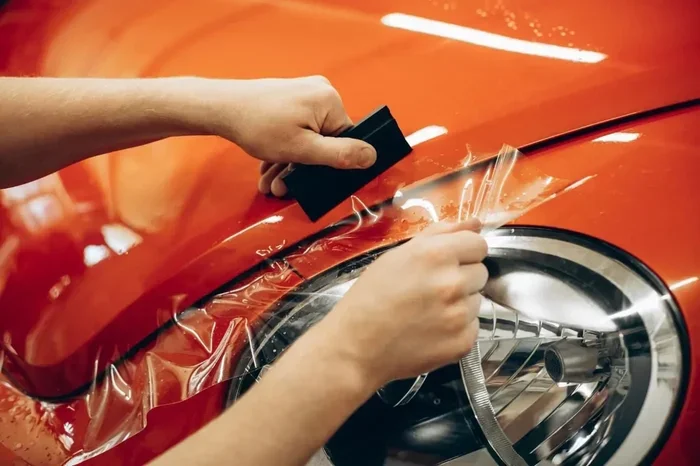
Paint protection film, commonly known as PPF or clear bra, is a physical urethane layer applied to your car. Unlike liquid coatings, PPF is a solid film that you stick onto your paint. It is the most tangible form of automotive paint defense.
PPF is incredibly effective at preventing rock chips and scratches. It has self-healing properties that allow minor swirl marks to disappear with heat. Many luxury car owners and enthusiasts swear by PPF for its unmatched protection.
The biggest drawback is cost. Professional PPF installation can be expensive, especially for full coverage. It also requires careful maintenance to prevent yellowing over time. But if you want the ultimate clear coat protection, PPF is the gold standard.
Comparison Table
| Type | Durability | Scratch Resistance | Cost | DIY Friendly |
|---|---|---|---|---|
| Ceramic Coating | 2-5 years | Excellent | $$$ | Moderate |
| Paint Sealant | 3-6 months | Good | $ | Very Easy |
| PPF (Clear Bra) | 5-10 years | Outstanding | $$$$ | Difficult |
How to Choose the Right Anti Scratch Coating
Choosing the right anti scratch coating for cars depends on several factors. There is no one-size-fits-all answer. Your budget, how much time you want to invest, and your protection goals all matter.
Consider Your Budget
Budget plays a big role in your decision. Paint sealants are the most affordable option, often costing under $50 for a DIY kit. Ceramic coatings range from $100 for DIY to over $1,000 for professional installation. PPF is the most expensive, with full coverage often exceeding $3,000.
Think of it as an investment. A quality coating might cost more upfront, but it saves you money on paint repairs and detailing later. The cost of paint correction alone can easily exceed the price of a good coating.
Assess Your Driving Environment
Where and how you drive matters a lot. If you park on the street every day, your car faces more threats than someone who parks in a garage. Road salt, tree sap, and bird droppings are more common in certain areas.
For high-risk environments, PPF or ceramic coating offers the best defense. If you mainly drive on clean suburban roads, a good paint sealant might be all you need. Match your protective coating for your car to your real-world driving conditions.
Think About Longevity
How long do you want the protection to last? If you want a set-and-forget solution, ceramic coating or PPF is your best bet. These options provide years of protection with minimal maintenance.
If you prefer to reapply seasonally, paint sealants work well. They are easy to apply and refresh. The key is to choose a scratch resistant coating that fits your maintenance style and timeline.
How to Apply Anti Scratch Coating Properly
Applying anti scratch coating for cars is not difficult, but preparation is everything. A sloppy application can leave streaks, bubbles, or uneven coverage. Follow these steps for the best results.
Step 1: Wash and Decontaminate
Start with a thorough wash. Use a pH-neutral car shampoo and a soft microfiber mitt. Rinse well and dry with a clean, lint-free towel. Next, use a clay bar to remove embedded contaminants from the paint surface.
This step is crucial. Any dirt or debris left on the surface will get trapped under the coating. That leads to an uneven finish and reduced protection. Take your time with decontamination.
Step 2: Polish if Needed
If your paint has existing swirl marks or light scratches, consider polishing before applying the coating. Paint correction removes surface imperfections and creates a smooth canvas. This helps the coating bond evenly and look its best.
You do not need to polish every time. If your paint is in good shape, you can skip this step. But for older vehicles or cars with visible damage, polishing makes a noticeable difference.
Step 3: Apply the Coating
Follow the manufacturer’s instructions carefully. Most liquid coatings are applied with a microfiber applicator pad. Work in small sections, using gentle, overlapping strokes. Spread the coating evenly and remove excess with a clean towel.
For ceramic coatings, you will need to let it cure for a specific time. Usually, this means keeping the car dry and out of direct sunlight for 24 to 48 hours. Patience during this phase pays off in the end.
Step 4: Maintain Your Coating
Maintenance is the final piece of the puzzle. Wash your car regularly using the two-bucket method. Avoid harsh chemicals and automatic brushes. Use a hydrophobic top-up spray every few months to refresh the coating’s performance.
With proper care, a quality anti scratch coating for cars can last for years. It protects your investment and keeps your car looking its best every time you hit the road.
Common Mistakes to Avoid
Even with the best anti scratch coating for cars, mistakes can ruin the results. Here are some common errors to watch out for.
- Skipping surface prep. This is the number one mistake. Dirty or contaminated paint leads to poor adhesion and uneven protection.
- Applying in direct sunlight. Heat causes the coating to cure too fast, creating streaks and hard-to-remove patches.
- Using too much product. More is not better. Excess coating leaves residue that is difficult to buff out.
- Not allowing enough cure time. Getting your car wet or exposing it to dirt too soon ruins the bond.
- Choosing the wrong product. Not all coatings are equal. Cheap products often provide minimal protection and fade quickly.
Avoiding these mistakes ensures your car paint protection lasts as long as possible. Take your time, follow the instructions, and your car will thank you.
Expert Insights on Paint Protection
We spoke with several professional detailers about anti scratch coating for cars. Their advice is worth listening to. First, they all agree that surface prep is everything. The coating is only as good as the surface it bonds to.
Second, they recommend ceramic coatings for anyone who wants long-term results. The initial cost is higher, but the durability and performance justify the investment. Third, they stress the importance of regular maintenance. Even the best protective layer needs care to perform at its peak.
One expert shared a simple rule: “Treat your car’s paint like you would your skin. Protect it daily, and it will look great for years.” That mindset shift makes all the difference for car owners who want lasting results.
Frequently Asked Questions
Does anti scratch coating for cars really work?
Yes, anti scratch coating for cars does work. It creates a hard, transparent barrier that absorbs minor impacts and resists abrasion. However, it is not invincible. It protects against swirl marks, light scratches, and environmental damage. For best results, pair it with proper washing techniques and regular maintenance.
How long does a scratch-resistant coating last?
The lifespan depends on the type of coating you choose. Ceramic coatings typically last two to five years. Paint sealants last three to six months. PPF can last five to ten years with proper care. Your driving environment and maintenance habits also play a big role in longevity.
Can I apply anti scratch coating myself?
Yes, you can apply many anti scratch coatings yourself. Paint sealants and some ceramic coating kits are designed for DIY application. However, ceramic coatings and PPF often benefit from professional installation. The key is to follow the instructions carefully and prepare your surface properly.
Is anti scratch coating the same as ceramic coating?
Not exactly. Ceramic coating is a type of anti scratch coating, but not all anti scratch coatings are ceramic. Ceramic coatings use silicon dioxide for a chemical bond. Other coatings use polymer technology or physical films. Each offers different levels of protection, durability, and cost.
Will a scratch coating hide existing damage?
A scratch-resistant coating will not hide deep scratches or dents. It works best as a preventive measure. However, it can reduce the appearance of minor swirl marks and surface imperfections by filling in tiny scratches. For deeper damage, paint correction or professional repair is still necessary.
How much does anti scratch coating cost?
The cost varies widely. Paint sealants can cost under $50 for a DIY kit. Professional ceramic coating ranges from $500 to $2,000. PPF installation for a full car can exceed $3,000. Consider it an investment in your vehicle’s appearance and long-term value.
Conclusion
Anti scratch coating for cars is one of the smartest investments you can make for your vehicle. It protects your paint from everyday damage, preserves your resale value, and keeps your car looking stunning. Whether you choose a ceramic coating, paint sealant, or PPF, the key is to act before the damage is done.
Take the time to research your options and pick the right protective coating for your car. Follow the application steps carefully, and commit to regular maintenance. Your car’s paint will thank you for years to come. Start protecting your ride today, and enjoy the peace of mind that comes with knowing your vehicle is shielded from harm.