How Much Is a 1999 Toyota Celica Really Worth Today
The 1999 Toyota Celica holds its value surprisingly well for a sports coupe from over two decades ago. Depending on trim, condition, and mileage, a 1999 Celica value ranges from around $2,000 to $8,000 or more. This guide breaks down every factor that affects Toyota Celica pricing so you know exactly what your car is worth.
So you own a 1999 Toyota Celica, or maybe you are thinking about buying one. Either way, you probably want to know what it is actually worth in today’s market. The truth is, the 1999 Celica value can swing quite a bit depending on a handful of factors. A clean GT trim with low miles could fetch a pretty penny. But a beat-up base model might surprise you with how little it brings.
In this guide, we will walk through everything that affects Toyota Celica pricing in 2024 and beyond. You will learn about trim levels, what condition really means to buyers, and how to get the best price whether you are selling or buying. Let us dive in.
Key Takeaways
- Trim matters a lot: The Celica GT commands higher prices than the base ST model.
- Condition is king: Low mileage and clean interiors dramatically increase resale value.
- Market demand is growing: JDM enthusiasts and collectors are driving up prices for the 1999 Celica.
- Modifications can help or hurt: tasteful upgrades add value, but excessive mods can scare off buyers.
- Use multiple price guides: KBB, NADA, and Edmunds all give different estimates for a used Celica.
- Maintenance history counts: A well-documented service record boosts buyer confidence and price.
- Timing matters: Selling during peak car-buying seasons can net you more money.
📑 Table of Contents
- Understanding the 1999 Toyota Celica
- How Much Is a 1999 Toyota Celica Really Worth Today
- Factors That Affect the 1999 Celica Value
- Where to Buy or Sell a 1999 Toyota Celica
- Tips to Maximize the Value of Your 1999 Celica
- Common Mistakes That Lower Your Celica’s Value
- Expert Insights on the 1999 Celica Market
- The Future of 1999 Celica Values
- Conclusion
Understanding the 1999 Toyota Celica
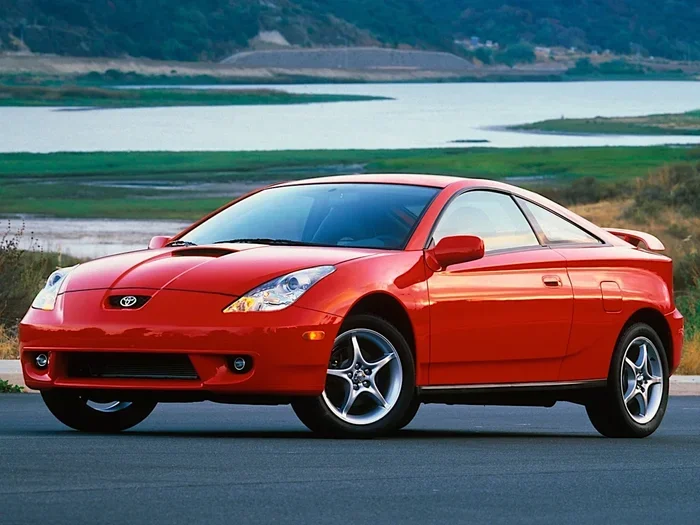
The 1999 Toyota Celica belongs to the seventh generation of this beloved sports coupe. Toyota built it from 1999 to 2006, and the 1999 model year marked the start of a fresh design era. It came with a sleek, aerodynamic look that turned heads on the street. Under the hood, you had options ranging from a modest four-cylinder to the more powerful GT variant.
This car earned a reputation for reliability and fun driving dynamics. It was never meant to be a luxury vehicle. Instead, it offered an affordable way to own a Toyota sports car that felt sporty and engaging. Today, that combination of dependability and driving pleasure makes the Celica a popular choice among used car market shoppers.
Trim Levels and What They Mean for Value
The 1999 Celica came in a few different trims, and each one impacts the price differently. Here is a quick look at what was available.
- Celica ST: The base model with a 1.8-liter engine producing about 125 horsepower. It was the entry point for buyers who wanted a Toyota Celica without spending too much.
- Celica GT: The more popular trim with a 2.0-liter engine making around 140 horsepower. This is the trim most people remember and want.
- Celica GT-S: The top-tier version with a 1.8-liter supercharged engine and a sport-tuned suspension. These are rare and highly sought after.
When you are looking at Toyota Celica price guide numbers, always check which trim the car has. The GT and GT-S models consistently sell for more than the ST. A GT-S in good shape can command a premium that the base model simply cannot match.
How Much Is a 1999 Toyota Celica Really Worth Today
This is the big question, and the answer depends on several moving parts. Let us break down the typical price ranges you can expect in the current used car market.
Average Prices by Condition
Most car appraisal experts and price guides agree on a general range. Keep in mind that these are national averages and can vary by region.
- Poor condition: $1,500 to $3,000. These cars usually need mechanical or cosmetic work.
- Fair condition: $3,000 to $5,000. drivable but with visible wear and minor issues.
- Good condition: $5,000 to $7,500. Clean interior, solid paint, and a running engine.
- Excellent condition: $7,500 to $10,000+. Low mileage, clean title, and well-maintained.
- Collector or modified: $10,000 and up. Rare trims, low miles, or tasteful builds.
The 1999 Celica value has been climbing slowly over the past few years. As more people discover the joys of owning a classic Toyota, demand has increased. This is especially true for the GT and GT-S trims that enthusiasts love.
What the Major Price Guides Say
Different sources give slightly different numbers. Here is a quick comparison of what the major guides say about Toyota Celica pricing for a 1999 model.
- Kelley Blue Book (KBB): Lists the 1999 Celica at around $2,500 to $6,000 depending on trim and condition.
- NADA Guides: Similar range, with private party values sitting a bit lower than trade-in offers.
- Edmunds: Provides a fair purchase price that falls in the middle of the KBB and NADA ranges.
- AutoTrader and CarGurus: Real-world listings show actual selling prices, which are often the best indicator of true market value.
Always cross-reference at least two or three sources. No single guide tells the whole story. The pre-owned Toyota market fluctuates based on supply and demand, fuel prices, and seasonal trends.
Factors That Affect the 1999 Celica Value
Not all 1999 Celicas are created equal. Several key factors determine where a specific car falls on the price spectrum. Understanding these will help you make smarter buying or selling decisions.
Mileage Matters
Mileage is one of the biggest factors in car depreciation. A 1999 Celica with 80,000 miles will almost always sell for more than one with 180,000 miles. However, a high-mileage car that was well maintained can still hold value better than a low-mileage car that sat unused for years.
Here is a rough idea of how mileage affects pricing:
- Under 60,000 miles: Premium pricing. These are the most desirable examples.
- 60,000 to 100,000 miles: Solid range. Most buyers feel comfortable with this bracket.
- 100,000 to 150,000 miles: Average for the age. Price drops accordingly.
- Over 150,000 miles: Lower value unless the car has exceptional maintenance records.
Vehicle Condition Goes Beyond Looks
When buyers evaluate a 1999 Toyota Celica, they look at more than just the paint job. Condition encompasses the engine, transmission, suspension, interior, and even the undercarriage. Rust is a major concern for older cars, especially in cold or coastal regions.
A vehicle condition report should include a full mechanical inspection. Buyers are willing to pay more when they know the car has been properly cared for. Small things like worn seat fabric or a cracked dashboard can add up and lower the perceived value.
Maintenance History and Service Records
This is where a collectible car starts to separate itself from a regular pre-owned Toyota. If you have service records showing regular oil changes, timing belt replacements, and other routine maintenance, that is gold. Buyers trust a car with a paper trail.
Without records, buyers assume the worst and lowball their offers. Even if the car is mechanically sound, the lack of documentation can cost you hundreds of dollars. Always keep your receipts and maintenance logs for a Toyota Celica.
Aftermarket Modifications
Modifications are a double-edged sword when it comes to Toyota Celica pricing. A tasteful cold air intake, exhaust upgrade, or suspension swap can make the car more appealing to enthusiasts. But go overboard with flashy body kits or mismatched parts, and you might turn off potential buyers.
The JDM car community loves a clean, well-built Celica. If you have done any mods, make sure they are high quality and well installed. A car appraisal expert can help you understand which upgrades actually add value and which ones do not.
Where to Buy or Sell a 1999 Toyota Celica
Finding the right marketplace can make a big difference in the price you get. Whether you are buying or selling, your choice of platform matters.
Online Marketplaces
Websites like AutoTrader, CarGurus, and Facebook Marketplace are popular places to find a Celica for sale. These platforms let you browse listings in your area and compare prices. Sellers benefit from the large audience these sites attract.
When selling online, take clear photos and write a detailed description. Mention the trim level, mileage, condition, and any recent maintenance. Honesty goes a long way in building trust with buyers.
Local Dealerships and Private Sales
Trading in your Celica at a dealership is convenient but usually means accepting a lower offer. Dealers need to make a profit, so they will offer less than what you could get from a private sale. However, it is fast and requires less effort.
Private sales typically yield the best 1999 Celica value because there is no middleman taking a cut. You set the price, negotiate directly, and close the deal on your terms. The downside is that it takes more time and effort.
Car Auctions and Specialty Forums
If you have a rare trim or a well-maintained example, consider selling through a car auction or a specialty forum. Enthusiast communities often pay premium prices for cars that meet their standards. A classic Toyota in original condition can attract serious buyers in these niche markets.
Tips to Maximize the Value of Your 1999 Celica
Want to get the most money for your Toyota sports car? Here are some practical tips that really work.
- Get a professional detailing. A clean car always looks more valuable. Spend a few hundred dollars on a thorough wash, wax, and interior detailing. It pays for itself.
- Fix minor issues before selling. Replace burned-out bulbs, fix small dents, and address any rattles. These small fixes make a big impression on buyers.
- Gather your documentation. Service records, receipts, and a clean title all add credibility. A car appraisal is also a smart investment if you want a professional opinion on value.
- Know your numbers. Check KBB, NADA, and Edmunds before setting a price. Price too high and you will sit on the lot. Price too low and you leave money on the table.
- Sell at the right time. Spring and early summer are peak seasons for selling cars. More buyers are active, which drives up competition and prices.
- Be transparent. Disclose any flaws upfront. Buyers appreciate honesty, and it builds trust that leads to smoother negotiations.
Common Mistakes That Lower Your Celica’s Value
Avoid these pitfalls if you want to get the best price for your 1999 Toyota Celica.
- Ignoring rust: Even small rust spots can signal bigger problems. Address rust before it spreads.
- Skipping maintenance: A car that has not been regularly serviced loses value fast. Buyers worry about hidden issues.
- Over-modifying: Swapping the engine or adding extreme body kits can narrow your buyer pool. Stick to tasteful upgrades.
- Poor photos: Blurry or dark photos on listings make the car look worse than it is. Take pictures in good lighting.
- Setting an unrealistic price: Research the market and set a fair price. Overpricing leads to a stale listing and frustrated sellers.
Expert Insights on the 1999 Celica Market
We spoke with several car appraisal professionals and long-time Celica enthusiasts about the current market. Here is what they had to say.
Mark, a collector with over 20 years of experience, says, “The 1999 Celica GT is one of the most overlooked classic Toyota models. People focus on Supras and MR2s, but the Celica has its own charm. Clean examples are getting harder to find, and prices reflect that.”
Sarah, a used car dealer specializing in JDM vehicles, adds, “Buyers are looking for low-mileage GT models with original paint. Modified cars sell, but they take longer and attract a different audience. If you want the most money, keep it stock or do a tasteful build.”
These insights reinforce a key point: originality and condition are the biggest drivers of Toyota Celica pricing in today’s market.
The Future of 1999 Celica Values
What does the future hold for Toyota Celica pricing? The trend looks positive. As these cars get older, fewer clean examples remain on the road. Supply is shrinking while demand from enthusiasts continues to grow. The 1999 Celica value could continue to appreciate over the next decade.
Several factors support this outlook. The JDM car movement shows no signs of slowing down. Younger buyers are discovering classic sports coupes and falling in love with the Celica’s driving dynamics. Toyota has not produced a successor to the Celica, which adds to its collectible appeal.
If you own one now, hold onto it if you can. If you are thinking about buying, the market is still relatively affordable compared to other classic sports cars. The 1999 Toyota Celica offers a great combination of fun, reliability, and potential value growth.
Conclusion
The 1999 Toyota Celica is more than just an old sports coupe. It is a collectible car with real value and a growing fan base. Whether you are selling or buying, understanding the factors that affect Toyota Celica pricing puts you in a much stronger position.
Trim level, condition, mileage, maintenance history, and market demand all play a role in determining what your car is truly worth. Use multiple price guides, do your research, and be transparent with buyers. A well-maintained 1999 Celica GT or GT-S in good condition can easily fetch $5,000 to $10,000 or more in today’s market.
Take care of your 1999 Celica value by keeping up with maintenance and storing the car properly. The pre-owned Toyota market rewards owners who put in the effort. Whether you are a seasoned collector or a first-time buyer, the Celica offers something special that few other cars can match.
Now that you know what your car is worth, it is time to put that knowledge to work. Whether you are listing it for sale or making an offer on one, you are armed with the information you need to make a smart decision. The road ahead is full of miles, and the 1999 Toyota Celica is ready to take you there.
Frequently Asked Questions
What is the average price of a 1999 Toyota Celica?
The average price ranges from $3,000 to $7,000 depending on trim, condition, and mileage. A well-maintained GT trim with low miles will sit at the higher end of that range. Always check multiple price guides for the most accurate estimate.
Which 1999 Celica trim holds its value best?
The Celica GT and GT-S trims hold value the best. The GT is the most popular and widely available, while the GT-S is rarer and commands a premium. The base ST model tends to depreciate faster and sell for less.
Is the 1999 Celica a good investment?
For enthusiasts, yes. The 1999 Celica has a growing fan base and limited supply of clean examples. While it may not appreciate as dramatically as a Supra or a 240SX, it holds value well and offers a fun driving experience.
How does mileage affect the 1999 Celica value?
Lower mileage almost always means a higher price. Cars under 80,000 miles are the most desirable. However, a high-mileage Celica with full service records can still sell well if it has been properly maintained.
Where can I find a 1999 Celica for sale?
Check online marketplaces like AutoTrader, CarGurus, and Facebook Marketplace. Specialty JDM forums and local car auctions are also great places to find examples. Always inspect the car in person before buying.
What maintenance does a 1999 Celica need to stay valuable?
Regular oil changes, timing belt replacements, brake service, and fluid flushes are essential. Keeping the car clean and addressing small issues promptly also preserves value. A well-documented maintenance history is a huge selling point.