How Long Does Toyota Touch-Up Paint Take to Dry Answered
Toyota touch-up paint typically dries to the touch in 30 minutes to 2 hours, but full curing takes anywhere from 24 hours to several days depending on the product and conditions. Temperature, humidity, paint type, and application method all play a big role in how fast your paint dries. Understanding these factors helps you achieve a professional-quality repair at home without waiting longer than necessary.
You just discovered a fresh scratch on your Toyota. Maybe it happened in a parking lot. Perhaps a kid’s bicycle clipped the side panel. Either way, you want to fix it fast. Toyota touch-up paint is the go-to solution for most owners. But one question keeps coming up: how long does it actually take to dry?
The answer isn’t as simple as “it dries in an hour.” Several factors come into play. The type of paint you use matters. The weather matters. Even how you apply it makes a difference. In this guide, we break down everything you need to know about Toyota touch-up paint drying time. You’ll learn the stages of drying, what speeds it up or slows it down, and how to get the best results every single time.
Let’s get into it. By the end, you’ll feel confident tackling that scratch on your own.
Key Takeaways
- Fast surface drying: Most Toyota touch-up paints feel dry to the touch within 30 minutes to 2 hours under ideal conditions.
- Full curing takes longer: The paint reaches its full hardness and durability after 24 to 72 hours, sometimes longer for clear coats.
- Environment matters: Warm, dry conditions with good airflow speed up the drying process significantly compared to cold or humid environments.
- Product type affects drying: Touch-up pens, bottles, and spray cans each have different drying timelines and application methods.
- Patience pays off: Rushing the process by applying clear coat too early or driving too soon can ruin the repair.
- Proper prep is key: Cleaning and sanding the area before painting ensures better adhesion and a smoother finish.
- Know when to call a pro: Deep scratches or large areas may need professional treatment for the best results.
📑 Table of Contents
Understanding Toyota Touch-Up Paint
What Is Toyota Touch-Up Paint?
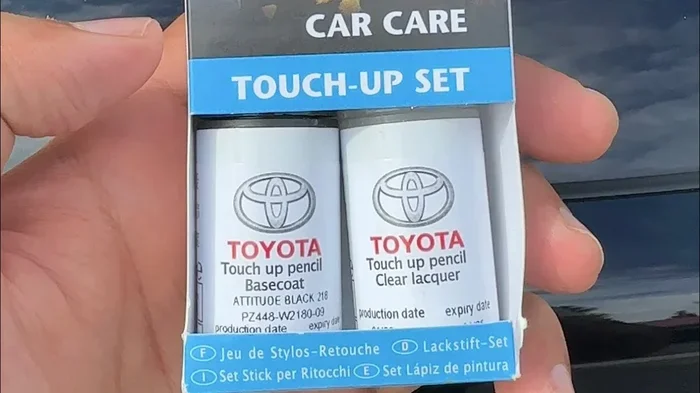
Toyota touch-up paint is a small-can or pen-style product designed to fix minor scratches, chips, and scuffs on your vehicle. It matches your specific Toyota color code. Every Toyota model has a unique color code. You can find it on the driver’s side door jamb or in your owner’s manual. Using the right color code ensures a seamless color match that blends with the rest of your car.
These products come in a few different forms. Touch-up pens are the most popular. They’re easy to hold and apply precisely. Bottles with fine brushes work well for slightly larger areas. Spray cans cover more surface but require more care to avoid overspray. Each type has its own drying characteristics, which we’ll cover shortly.
Why Does Paint Drying Time Matter?
Knowing the drying timeline helps you plan your repair. It also prevents common mistakes that ruin the finish. If you drive your car too soon, dust and debris can stick to the wet paint. If you apply clear coat too early, it can wrinkle or peel. Proper paint drying ensures a durable, long-lasting repair that actually protects your vehicle from rust and further damage.
Also, automotive touch-up paint isn’t the same as regular house paint. It contains specific resins and pigments designed to withstand UV rays, rain, road salt, and temperature changes. Understanding how these materials cure helps you set realistic expectations.
Factors That Affect Toyota Touch-Up Paint Drying Time
Not all paint jobs dry at the same speed. Several variables determine how quickly your Toyota scratch repair will be ready for a second coat or a drive. Let’s look at the most important ones.
Type of Paint Product
The product you choose has a huge impact. Touch-up pens usually contain a thinner formula. They dry faster but may need multiple coats. Bottle-based paints with applicator brushes tend to be slightly thicker. They take a bit longer to set. Spray touch-up kits offer the thinnest, most even application. They often dry the fastest because the fine mist evaporates quickly.
Here’s a quick comparison of common Toyota touch-up paint types:
| Product Type | Surface Dry Time | Full Cure Time | Best For |
|---|---|---|---|
| Touch-Up Pen | 30-60 minutes | 24-48 hours | Small chips and narrow scratches |
| Bottle with Brush | 45-90 minutes | 24-72 hours | Medium scratches and chips |
| Spray Touch-Up | 15-30 minutes | 24-48 hours | Larger areas and blending |
| Two-Part Paint System | 1-2 hours | 48-72 hours | Deep chips needing primer |
Weather and Temperature
Temperature is one of the biggest factors. Warm conditions between 65°F and 80°F (18°C to 27°C) are ideal. In these temperatures, paint evaporation happens at a steady pace. The solvents in the paint vaporize smoothly, leaving a solid film behind.
Cold weather slows everything down. Below 50°F (10°C), the paint becomes thick and sluggish. It may take two to three times longer to dry. High humidity creates similar problems. Moisture in the air competes with the paint’s solvents. This can lead to a tacky surface that never seems to dry properly.
Direct sunlight can also cause issues. It heats the paint too fast on the surface while the underlying layers stay wet. This creates a phenomenon called “skin over,” where the top looks dry but the bottom remains soft.
Application Thickness
Thick coats take longer to dry. This is a common mistake many people make. They apply too much paint at once, thinking it’ll save time. In reality, thick coats trap solvents underneath. The result? Bubbles, wrinkles, or a sticky surface that never fully hardens.
The best approach is thin, even layers. Apply a light coat. Let it dry. Apply another light coat. This method may take a bit more patience, but it produces a much smoother and more durable finish. Multiple thin coats also provide better color coverage and depth.
Surface Preparation
How well you prep the area before painting affects drying and adhesion. If you apply paint to a dirty or greasy surface, it won’t bond properly. The paint may feel dry on top but flake off later. Proper preparation includes:
- Cleaning the scratched area with rubbing alcohol or a dedicated automotive cleaner
- Sanding lightly with fine-grit sandpaper (1500-2000 grit) to create a rough surface for adhesion
- Applying primer if the scratch exposes bare metal or primer underneath
- Masking surrounding areas with painter’s tape to keep edges clean
Skipping these steps doesn’t just affect drying time. It affects the longevity of your repair. A well-prepped surface allows the automotive touch-up paint to bond properly and cure evenly.
The Drying Process: Step by Step
Understanding the stages of paint drying helps you know what to expect at each phase. Toyota touch-up paint goes through several distinct stages from wet to fully cured.
Stage 1: Dust-Free (30 Minutes to 1 Hour)
The first stage is called “dust-free” or “touch dry.” At this point, the surface feels dry to the light touch. No dust or debris will stick to it. However, the paint is still soft underneath. You should not press on it, wipe it, or expose it to water.
This stage typically takes 30 minutes to 1 hour in warm, dry conditions. In cooler or more humid environments, it can stretch to 2 hours or more. Patience during this stage is critical. Disturbing the paint now can leave fingerprints or dents that become permanent.
Stage 2: Handle Dry (1 to 4 Hours)
After the dust-free stage, the paint enters the “handle dry” phase. The surface is now firm enough to be touched without leaving marks. You can carefully run your hand over it. Light contact won’t damage the finish.
However, the paint is not yet fully hardened. It can still be scratched or dented with firm pressure. This is when people make the mistake of “checking” the paint by pressing too hard. Resist that urge. Let the paint do its work undisturbed.
Stage 3: Recoat Ready (2 to 6 Hours)
If you need to apply a second coat or a clear coat, this is the window. The previous layer is dry enough to accept another coat without mixing or lifting. Check your product’s specific instructions. Some Toyota color-matched paints recommend waiting longer between coats.
Applying clear coat too early is one of the most common errors. The solvents in the clear coat can dissolve the underlying color coat. This creates a cloudy, rough texture that’s very hard to fix. Wait until the recommended time has passed.
Stage 4: Full Cure (24 to 72 Hours)
Full cure is when the paint reaches its maximum hardness and durability. The chemical bonds in the paint have fully set. The surface is now resistant to washing, waxing, and light contact. At this point, you can carefully drive your car and expose it to normal weather conditions.
For two-part paint systems that include a hardener, full cure can take up to 72 hours. These products undergo a chemical reaction that creates a tougher finish. The extra wait time is worth it for the added durability and rust protection.
Stage 5: Paint Bonding and Long-Term Durability
Even after the paint feels fully cured, it continues to harden over the following weeks. This is called “post-cure.” The paint reaches its maximum hardness and adhesion during this period. For the first two weeks after your repair, avoid harsh car washes, automatic brushes, or parking under trees. Give your touch-up paint time to reach full strength before subjecting it to heavy use.
Quick Tips for Faster Drying
Want to speed up the process? These practical tips help your Toyota touch-up paint dry faster without compromising quality.
- Work in a garage or covered area. Direct sunlight and wind can cause uneven drying. A shaded, ventilated space is ideal.
- Use a fan for airflow. Gentle air movement helps solvents evaporate. A household fan on low setting works great. Point it across the painted surface, not directly at it.
- Keep the area warm. If it’s cold outside, bring your car into a heated garage. Warmer temperatures accelerate paint evaporation and curing.
- Thin your coats. Apply paint in the thinnest possible layers. Thin coats dry faster and look better than thick ones.
- Use a heat lamp cautiously. A low-wattage heat lamp held several feet away can gently warm the paint. Never place it too close. Overheating causes bubbling.
- Avoid humidity. Paint on a dry day. If you live in a humid climate, use a dehumidifier in your garage or wait for a drier day.
- Don’t rush the clear coat. Applying clear coat too early slows everything down. Wait for the recommended time between coats.
Expert Insight
Professional detailers often use a technique called “heat curing” for touch-up repairs. After the paint reaches handle-dry status, they carefully apply gentle heat with a heat gun or infrared lamp. This accelerates the chemical cross-linking in the paint, reducing full cure time from 72 hours to about 12-24 hours. However, this technique requires experience. Too much heat can damage the paint or surrounding clear coat. If you’re a DIYer, stick with thin coats and good airflow for the best results.
Common Mistakes That Slow Down Drying
Several mistakes can extend your Toyota paint repair drying time or ruin the finish altogether. Here are the ones to avoid.
Applying Paint in Thick Layers
This is the number one mistake. Thick coats trap solvents underneath and create a sticky mess. The paint may feel dry on top for hours while the bottom stays wet. Always apply thin, even layers. Build up coverage gradually over multiple passes.
Ignoring the Primer Step
If your scratch reaches bare metal, you need primer before applying color paint. Skipping primer means the color paint adheres poorly. It may feel dry but peel off within days. Primer also provides a uniform surface that helps the color paint dry evenly.
Painting in Direct Sunlight
It seems like a good idea to paint in the sun because it’s warm. But direct sunlight creates uneven heat. The surface dries too fast while the layers underneath remain liquid. This causes cracking, poor adhesion, and an uneven finish. Always paint in the shade or in a garage.
Not Letting Each Coat Dry Fully
Some people apply the next coat because the surface “looks” dry. But visual dryness doesn’t mean the paint is ready for another layer. Applying a new coat too soon traps moisture and solvents. This leads to bubbling, cracking, and extended overall drying time. Always wait the full recommended time between coats.
Touching the Paint Too Soon
It’s tempting to check your work by touching the painted area. Every touch leaves oils from your fingers in the paint. These oils can prevent proper curing and create dull spots. Use a chopstick or cotton swab to gently check the surface if you need to. Better yet, just wait and let the paint do its thing.
When to Seek Professional Help
Toyota touch-up paint works great for small scratches, chips, and scuffs. But not every damage can be fixed with a DIY approach. Here’s when you should consider a professional.
If the scratch goes through the clear coat and into the primer or bare metal, a touch-up pen alone may not be enough. Deep gouges need careful sanding, multiple primer layers, and precise color blending. A professional body shop has the tools and expertise to match your paint perfectly and blend it seamlessly into the surrounding area.
Also, if the damage covers a large area, such as a whole panel or door, touch-up paint won’t provide a satisfactory result. Automotive paint blending requires spray equipment and a controlled environment. A professional can match your Toyota’s factory finish and ensure long-lasting paint protection.
Finally, if you notice rust forming around the scratch, address it promptly. Surface rust can be treated with a rust converter before touch-up painting. But deep rust that has eaten into the metal needs professional assessment. Ignoring rust leads to more extensive and expensive repairs down the road.
Maintaining Your Touch-Up Paint Repair
Once your Toyota scratch repair is dry and fully cured, proper maintenance extends its life significantly.
Wait at least 30 days before washing the repaired area. This gives the paint ample time to reach full hardness. When you do wash, use a gentle hand wash method. Avoid high-pressure washers directly on the repair. They can force water under the paint edges and cause peeling.
Apply a quality paint sealant or wax over the repaired area after the first month. This adds a protective layer that shields the touch-up paint from UV rays, road debris, and weather. A ceramic coating also works well for long-term protection.
Inspect the repair every few months. Look for any signs of peeling, chipping, or color fading. Catching small issues early prevents them from becoming bigger problems. A quick touch-up of a touch-up is always easier than repairing a larger area later.
Final Thoughts
Toyota touch-up paint drying time depends on several factors, but most repairs are surface-dry within an hour and fully cured within 24 to 72 hours. The key is patience and proper technique. Thin coats, good prep, and ideal conditions all contribute to a successful repair. Avoid the common mistakes we covered, follow the drying stages, and your Toyota will look as good as new.
Remember, touch-up paint isn’t just about appearance. It protects your vehicle from rust and further damage. Taking the time to do it right pays off in the long run. Whether you’re fixing a small chip from a gravel road or a scratch from a shopping cart, the right approach makes all the difference. Now you have the knowledge to tackle the job with confidence.
Frequently Asked Questions
Can I drive my Toyota immediately after applying touch-up paint?
You should wait at least 24 hours before driving your car after a touch-up paint application. The paint needs time to harden and bond properly. Driving too soon exposes the wet paint to dust, insects, and road debris, which can ruin the repair. If you must move the car, do so very carefully and keep the speed low.
Does Toyota touch-up paint need a clear coat?
Yes, applying a clear coat over your Toyota touch-up paint is highly recommended. The clear coat adds protection against UV rays, weather, and minor scratches. It also gives the repair a glossy finish that matches the surrounding paint. Always wait until the color paint is fully dry before applying clear coat.
How can I make my Toyota touch-up paint dry faster?
You can speed up drying by working in a warm, dry, well-ventilated area. Use a fan to improve airflow and keep the temperature between 65°F and 80°F. Apply thin coats instead of thick ones. Avoid painting in direct sunlight or high humidity, as these conditions can actually slow the process or cause uneven drying.
What happens if I apply too much Toyota touch-up paint at once?
Applying too much paint at once traps solvents underneath the surface. This causes bubbling, wrinkling, and a sticky texture that takes much longer to dry. Thick coats also look uneven and may not adhere properly. The best practice is to apply several thin, even layers, allowing each one to dry fully before adding the next.
How long should I wait before washing my car after touch-up paint?
Wait at least 30 days before washing the repaired area. This allows the paint to fully cure and harden. When you do wash, use a gentle hand wash method and avoid high-pressure water directly on the repair. Automatic car washes should be avoided for at least two months after the repair.
Is Toyota touch-up paint permanent?
Toyota touch-up paint is durable but not permanent. With proper application and maintenance, a touch-up repair can last several years. However, it won’t have the same longevity as a factory paint job or professional body work. Regular waxing and sealant application help protect the repair and extend its lifespan significantly.
=== CONCLUSION ===
Toyota touch-up paint drying time varies based on the product, environment, and application method. Surface drying happens within 30 minutes to 2 hours, while full curing takes 24 to 72 hours. By understanding the stages of drying, avoiding common mistakes, and following the tips in this guide, you can achieve a professional-quality automotive touch-up right at home. Take your time, prep properly, and let each coat dry fully. Your Toyota deserves a repair that looks great and lasts for years to come.