Can Any Mechanic Work on a BMW Here Is What You Need to Know
Not every mechanic can work on a BMW. BMW vehicles need specialized knowledge, tools, and diagnostic equipment. Whether you choose a BMW specialist or a regular mechanic depends on your car’s age, warranty status, and the type of work needed. Always check certifications before handing over your keys.
You just bought a BMW. Maybe it is a sleek 3 Series or a powerful X5 SUV. Either way, you want to keep it running right. But then a question hits you. Can any mechanic work on a BMW?
The short answer is no. Not every mechanic has the skills or tools for BMW repair. BMW vehicles are complex machines. They use advanced technology, proprietary software, and unique engineering. A regular garage might handle basic oil changes. But anything deeper needs a trained eye.
In this guide, we will walk through everything you need to know. We will cover what makes BMWs different. We will look at when to visit a BMW specialist versus a general shop. You will also learn how to find the right help and save money without cutting corners. Let us get into it.
Key Takeaways
- Not all mechanics are equipped for BMW repair: BMWs require specialized diagnostic tools and training.
- BMW specialists offer the best expertise: They know the unique systems inside BMW vehicles.
- Independent mechanics can work on older BMWs: If the car is out of warranty, a skilled independent shop may save you money.
- Check certifications carefully: Look for ASE certification or BMW-specific training credentials.
- Maintenance matters more than repair: Regular BMW maintenance prevents costly breakdowns.
- Warranty status changes your options: Keeping your warranty may require dealership service.
- Know the warning signs: Understanding common BMW issues helps you catch problems early.
📑 Table of Contents
What Makes BMWs Different From Other Cars
BMW stands for Bayerische Motoren Werke. It is a German luxury automaker. Their cars are built with precision engineering. That means every part works together in a very specific way. This is why BMW maintenance is not the same as fixing a Honda or a Toyota.
Advanced Engine Technology
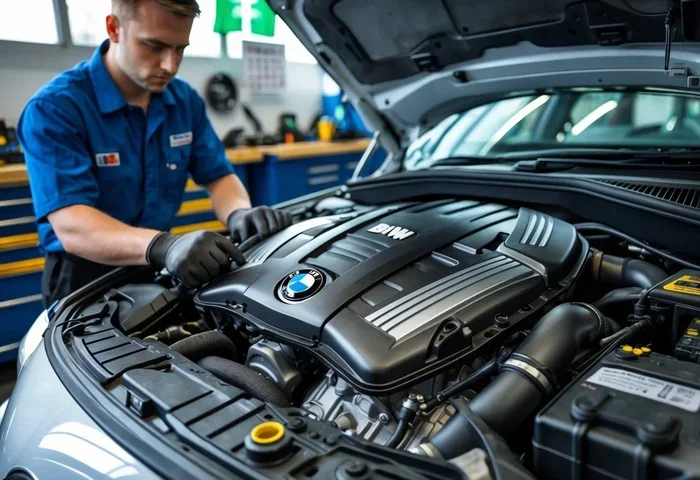
BMW engines are engineering marvels. They use turbocharging, direct fuel injection, and variable valve timing. These systems need precise calibration. A generic mechanic might not understand the fine details. Even small mistakes can cause big problems down the road.
Proprietary Software and Electronics
Modern BMWs are basically computers on wheels. They run on complex software systems. The iDrive infotainment system controls much of the car. The engine management system uses proprietary codes. To access these systems, you need specialized diagnostic equipment. Most general repair shops do not have this gear.
Unique Parts and Components
BMW uses many parts that are not found in other vehicles. The suspension systems are different. The cooling systems are unique. Even something simple like a brake sensor works differently. These BMW model series differences matter a lot when choosing a repair shop.
Can a Regular Mechanic Handle BMW Repairs
This is the big question. And the honest answer is: it depends. A regular mechanic with general skills can handle some tasks. But complex jobs need deeper expertise. Let us break this down.
What a General Mechanic Can Do
A general independent mechanic can handle basic services. These include:
- Oil changes and filter replacements
- Brake pad and rotor swaps
- Tire rotations and alignments
- Battery replacements
- Basic electrical fixes like replacing bulbs
- Windshield wiper and fluid top-offs
For these simple tasks, any competent certified mechanic should be fine. You do not need a BMW specialist for routine maintenance. But always make sure the shop has experience with European vehicles.
What a General Mechanic Should NOT Do
There are jobs that go beyond general skills. These include:
- Engine diagnostics using BMW-specific software
- Transmission repairs and fluid flushes
- iDrive system troubleshooting
- BMW software updates and coding
- Complex electrical troubleshooting
- Suspension and steering system repairs
Trying to handle these jobs without the right tools can cause serious damage. A BMW engine is not like any other engine. The tolerances are tighter. The systems are more integrated. A mistake here can lead to expensive repairs.
The Role of Diagnostic Equipment
One of the biggest differences is diagnostic tools. BMWs use a specific OBD scanner protocol. General scanners often cannot read BMW codes properly. A BMW specialist uses tools like ISTA (BMW Integrated Service Technical Application). This software can read deep system codes. It can also perform BMW software updates and module programming.
Without the right scanner, a mechanic is essentially guessing. And guessing with a BMW repair job is a recipe for problems. Always ask what diagnostic tools a shop uses before you book an appointment.
When to Choose a BMW Specialist
A BMW specialist is a mechanic who focuses on BMW vehicles. They undergo specific training. They use BMW-specific tools. And they stay updated on the latest models and tech.
Situations That Call for a Specialist
You should visit a BMW specialist in these situations:
- Your car is under warranty. Some warranties require dealer service. Check your terms first.
- You have a complex electrical issue. BMW electronics need expert handling.
- You need engine or transmission work. These systems are too intricate for general shops.
- You want a BMW software update. Only specialists can access the official BMW servers.
- Your car is a recent model. Newer BMWs have more advanced technology.
BMW Specialist vs. Dealership: What Is the Difference
Many people confuse a BMW specialist with a dealership. They are not the same. A dealership is owned by BMW. A specialist is an independent shop that focuses on BMWs. Here is a quick comparison.
| Feature | BMW Dealership | BMW Specialist |
|---|---|---|
| Certification | Factory-trained technicians | BMW-trained or ASE certified |
| Diagnostic Tools | Full factory access | ISTA or equivalent tools |
| Cost | Higher labor rates | Lower labor rates |
| Warranty Work | Covered under warranty | May void warranty |
| Personal Attention | Can be rushed | More personalized service |
| Parts Availability | OEM parts guaranteed | OEM or aftermarket options |
As you can see, a BMW specialist often provides great value. They have the right tools and training. But they cost less than a dealership. For out-of-warranty cars, a specialist is usually the better choice.
BMW Maintenance vs. BMW Repair
There is a big difference between BMW maintenance and BMW repair. Understanding this can save you time and money.
What Is BMW Maintenance
BMW maintenance means routine services that keep your car healthy. These include:
- Oil and filter changes every 7,500 to 10,000 miles
- Brake inspections and pad replacements
- Tire pressure checks and rotations
- Coolant and brake fluid flushes
- Spark plug replacements
- Air filter and cabin filter changes
Most general mechanics can handle these tasks. They are straightforward and well-documented. You do not need a BMW technician for basic maintenance. But always confirm the shop follows BMW service intervals.
What Is BMW Repair
BMW repair means fixing something that is broken or malfunctioning. This can include:
- Engine misfires and performance issues
- Transmission slipping or rough shifting
- Coolant leaks from the water pump or hoses
- Electrical gremlins in the iDrive or lighting systems
- Suspension noise or handling problems
- Turbo failure or boost issues
These jobs require deep knowledge of BMW systems. A certified mechanic with BMW experience is essential. Do not try to save money by taking your BMW to a shop that does not know these cars well.
Quick Tips for BMW Maintenance
- Follow the service schedule in your owner manual.
- Use BMW-approved fluids and parts when possible.
- Keep a maintenance log for resale value.
- Do not ignore warning lights on your dashboard.
- Check your BMW warranty terms before choosing a shop.
How to Find the Right Mechanic for Your BMW
Finding the right BMW repair shop takes a little research. You want someone who knows these cars inside and out. Here is how to do it right.
Check Certifications
Look for specific credentials. A BMW technician should have training from BMW or a recognized program. ASE certification is also a good sign. Ask the shop directly about their qualifications. A reputable BMW specialist will be proud to share their credentials.
Ask About Their Tools
Ask the shop what diagnostic equipment they use. If they mention ISTA or similar BMW tools, that is a great sign. If they only have a basic scanner, keep looking. Specialized tools make all the difference in BMW repair quality.
Read Reviews and Get Referrals
Check online reviews from other BMW owners. Join BMW forums or local car clubs. Word of mouth is powerful. A certified pre-owned BMW buyer can also point you toward trusted shops in your area.
Ask About Their Experience with Your Model
Not all BMW specialists work on every model. Some focus on older E-series cars. Others specialize in newer F-series or G-series models. Make sure the shop has experience with your specific BMW model series. This ensures they know the quirks and common issues.
Get a Detailed Quote
Before any major repair, ask for a written estimate. A trustworthy shop will explain the work clearly. They should list parts, labor, and any diagnostic fees. Beware of shops that give vague quotes or pressure you into expensive work without explanation.
Common Mistakes to Avoid
- Choosing the cheapest option. Low prices often mean low quality.
- Ignoring warning signs. Strange noises or lights mean something needs attention.
- Skipping regular maintenance. This leads to bigger problems later.
- Assuming all European shops are equal. Some focus on Mercedes or Audi, not BMW.
- DIY repairs without proper tools. BMW systems are too complex for amateur fixes.
Common BMW Problems and What to Watch For
Every car has its weak spots. BMWs are no different. Knowing common issues helps you catch them early. This can save you from expensive BMW repair bills.
Coolant System Issues
BMW coolant leaks are very common. The water pump, thermostat housing, and coolant lines are frequent failure points. Watch for puddles under your car or a rising temperature gauge. Regular BMW maintenance includes coolant checks.
Oil Consumption Problems
Some BMW engines burn oil faster than expected. This is especially true for older N54 and N55 engines. Check your oil level regularly. Top it off between services. If you notice blue smoke from the exhaust, see a BMW specialist right away.
Electrical Gremlins
BMW electronics can be quirky. The iDrive system may freeze. Lights may flicker. Sensors may give false readings. These issues often need a BMW technician with the right diagnostic tools. A general mechanic may not be able to fix them.
Suspension and Steering Wear
BMW cars are performance vehicles. Their suspension components wear faster than average. Control arms, bushings, and shocks need regular inspection. If you feel vibration or pulling while driving, get a BMW repair check immediately.
Turbo and Boost Problems
Turbocharged BMW engines are powerful but complex. The turbo wastegate, boost pipes, and intercooler can develop issues. Symptoms include loss of power or strange whistling sounds. These are not jobs for a general independent mechanic. Find someone who knows turbocharged BMW systems.
Expert Insight
According to industry experts, regular BMW maintenance is the best way to avoid major repairs. A BMW specialist can catch small issues before they become big problems. Do not wait for something to break. Stay proactive with your service schedule.
Key Takeaways
- Not every mechanic can work on a BMW. These cars need specialized knowledge and tools.
- A BMW specialist is your best choice for complex repairs and diagnostics.
- General mechanics can handle basic maintenance like oil changes and brake jobs.
- Check certifications and tools before choosing a repair shop.
- Warranty status matters when deciding between a dealership and an independent shop.
- Regular BMW maintenance prevents costly repairs down the road.
- Know the common problems for your specific BMW model series.
Conclusion
So, can any mechanic work on a BMW? The answer is clear now. Not every mechanic has what it takes. BMW vehicles are complex, advanced machines. They need trained professionals who understand their unique systems.
For basic maintenance, a skilled general mechanic may be enough. But for anything involving diagnostics, electronics, or engine work, a BMW specialist is the way to go. They have the right tools, the right training, and the right experience.
Take the time to find the right shop. Check certifications. Read reviews. Ask questions. Your BMW is a significant investment. It deserves the best care possible. With the right BMW repair and BMW maintenance routine, your car will give you years of driving pleasure.
Now you know exactly what to look for. Go out there and find the perfect BMW technician for your ride. Your car will thank you for it.
Frequently Asked Questions
Is it okay to take my BMW to a regular mechanic for an oil change?
Yes, for basic services like oil changes, a regular certified mechanic can do the job. Just make sure they use the correct oil grade and BMW-approved parts. Keep records of every service for your maintenance log.
Will taking my BMW to a non-dealership shop void my warranty?
Not necessarily. The Magnuson-Moss Warranty Act allows you to use any shop for repairs. However, if the shop causes damage, the warranty may not cover it. Always check your specific BMW warranty terms and keep all receipts.
How often should I service my BMW?
BMW recommends service every 10,000 miles or once a year, whichever comes first. Some models may need more frequent attention. Follow the service intervals in your owner manual for the best results.
What tools does a mechanic need to work on a BMW?
A BMW specialist needs ISTA diagnostic software, a compatible OBD scanner, and BMW-specific socket sets and torque tools. General mechanics usually lack these specialized BMW tools and equipment.
Are BMW repair costs higher than other car brands?
Yes, BMW repair costs tend to be higher. Parts are more expensive, and labor requires specialized skills. However, a skilled BMW technician at an independent shop can often save you money compared to a dealership.
Can I perform DIY repairs on my BMW at home?
Simple tasks like air filter or cabin filter replacement are doable at home. But complex repairs involving the BMW engine, electronics, or iDrive system should be left to professionals. DIY mistakes can lead to costly damage on these advanced vehicles.