Why Your Auto Car Washing System Will Change Everything
An auto car washing system makes vehicle cleaning faster, easier, and more effective than traditional hand washing. These systems use high-pressure water, smart detergents, and automated brushes to deliver showroom-quality results every time. Whether you own a home wash bay or a commercial setup, investing in the right system saves money, time, and protects your car’s finish for years to come.
There is something deeply satisfying about driving a clean car. The gleam of the paint, the fresh scent, and the overall sense of pride that comes with a spotless vehicle — it is hard to beat. But let us be honest. Hand washing your car takes time, effort, and often leaves behind tiny scratches you cannot see. That is exactly why more car owners are turning to an auto car washing system for a better way to clean their vehicles.
An auto car washing system is not just a luxury anymore. It has become a practical, affordable, and surprisingly simple tool that anyone can use. Whether you want a quick rinse in your driveway or a full detail at a commercial wash bay, these systems handle the job with precision and ease. In this article, we will explore everything you need to know about auto car washing systems, from how they work to why they might be the best investment you make for your vehicle.
We will cover the different types available, the benefits you get, common mistakes to avoid, and expert tips that make a real difference. By the end, you will understand why this technology is changing the way people care for their cars. Let us dive in.
Key Takeaways
- Time Savings: An auto car washing system cuts wash time dramatically compared to hand washing.
- Paint Protection: Automated systems reduce the risk of scratches and swirl marks on your vehicle’s surface.
- Cost Efficiency: Regular use of a home or commercial system saves hundreds of dollars per year on professional washes.
- Consistent Results: Machine-driven cleaning delivers uniform coverage every single time.
- Eco-Friendly Options: Many modern systems use less water and biodegradable cleaning solutions.
- Easy Maintenance: Keeping your auto car washing system running smoothly is simple with basic upkeep.
- Smart Technology: Newer models include sensors, timers, and app controls for a personalized wash experience.
📑 Table of Contents
- What Is an Auto Car Washing System?
- Types of Auto Car Washing Systems
- Benefits of Using an Auto Car Washing System
- Key Components of an Auto Car Washing System
- How to Choose the Right Auto Car Washing System
- Quick Tips for Getting the Best Results
- Common Mistakes to Avoid
- Expert Insights: What Detailing Professionals Say
- Key Takeaways
- Conclusion
What Is an Auto Car Washing System?
An auto car washing system is a setup designed to clean vehicles automatically or semi-automatically. It replaces the traditional bucket, sponge, and hose method with powered equipment that delivers water, soap, and agitation in a controlled way. These systems range from simple home wash kits to full commercial setups found at gas stations and detailing shops.
The core idea is simple. You bring your vehicle into the system, select your wash program, and let the machine do the work. Most systems combine high-pressure water, foam cannon technology, rotating brushes, and a rinse cycle to remove dirt, grime, and road buildup. Some advanced models even include wax application and drying systems for a complete wash in minutes.
How Does It Work?
Most auto car washing systems follow a basic process. First, the machine applies a pre-rinse to loosen loose dirt. Next, it sprays a thick layer of car wash detergent using a foam cannon or soap dispenser. Then, rotating brushes or high-pressure jets scrub the surface gently but thoroughly. After that, the system runs a powerful rinse cycle to wash away all soap and debris. Finally, some models blow-dry the vehicle or leave it ready for a quick towel-down.
The entire process typically takes between five and fifteen minutes. That is a fraction of the time it takes to hand wash a car. And the results are often more consistent because the machine applies even pressure and coverage across every panel.
Types of Auto Car Washing Systems
Not all auto car washing systems are the same. Different setups serve different needs, budgets, and spaces. Here is a breakdown of the most common types you will encounter.
Touchless Car Wash Systems
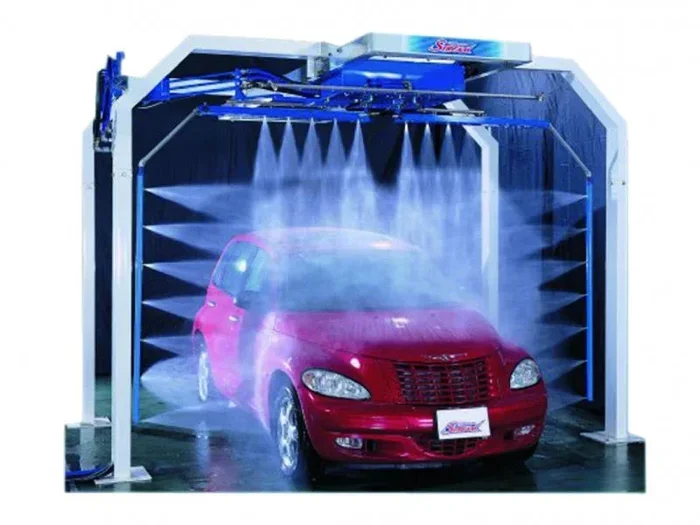
A touchless car wash uses only high-pressure water jets and chemical cleaning agents. There are no physical brushes touching your vehicle. This type of system is excellent for paint protection because it eliminates the risk of brush marks or micro-scratches. Touchless systems work well for regular maintenance washes and light dirt removal.
However, they may struggle with heavy grime, bugs, or thick mud. For those situations, you might need a second pass or a more aggressive cleaning method.
Brush-Based Automatic Systems
These systems use soft rotating cloths or foam brushes that physically contact the vehicle surface. They provide a deeper clean and handle stubborn dirt better than touchless models. The key is using a quality car wash brush made from non-abrasive materials. Cheap brushes can scratch paint, so always check the material quality before purchasing.
Brush-based systems are popular in both home wash bays and commercial settings. They offer a good balance of cleaning power and vehicle safety.
Self-Service Car Wash Bays
A self-service car wash gives you control. You park inside a bay, choose your wash options from a panel, and activate the equipment. These bays typically include high-pressure washers, soap dispensers, foam cannon options, and high-speed dryers. Self-service setups are perfect for people who want flexibility without the cost of a full commercial detailing service.
Many communities have self-service wash stations that operate 24 hours a day. They are a convenient option for busy car owners who want a thorough clean on their own schedule.
Home Wash System Kits
If you have a garage or driveway, a home wash kit can turn your outdoor space into a personal cleaning station. These kits usually include a high-pressure washer, a foam cannon attachment, a soap dispenser, and sometimes a drying system. They are compact, easy to set up, and surprisingly affordable.
Home wash systems are ideal for car enthusiasts who want to maintain their vehicles regularly. They also save a significant amount of money compared to visiting a professional car wash every week.
Benefits of Using an Auto Car Washing System
Switching to an auto car washing system brings a wide range of advantages. Let us look at the biggest reasons car owners are making the switch.
Saves Significant Time
Hand washing a car takes anywhere from 30 minutes to over an hour, depending on the size and condition. An auto car washing system completes the same job in a fraction of that time. Most washes are done in under 15 minutes. That means more free time for the things you enjoy.
Protects Your Vehicle’s Paint
One of the biggest risks of hand washing is scratching. A dirty sponge or a grit-filled bucket can leave hundreds of tiny swirl marks on your paint. An auto car washing system eliminates this risk by using controlled water pressure and clean, automated tools. Over time, this protection helps preserve your car’s finish and resale value.
Uses Water More Efficiently
Many modern auto car washing systems are designed with water recycling in mind. They use significantly less water than a traditional garden hose. Some commercial systems recycle and filter water, reducing waste by up to 70 percent. If you care about the environment, this is a major advantage.
Delivers Consistent, Professional Results
When you hand wash, the quality of your clean depends on your effort and technique. An auto car washing system applies the same pressure, soap, and coverage every single time. The results are uniform and professional-grade. You get that just-detailer look without paying the detailer price.
Reduces Long-Term Costs
A quality auto car washing system pays for itself over time. Consider how much you spend on professional washes, detailing services, and cleaning supplies. A home system or even a self-service subscription costs a fraction of that over months and years. The cost efficiency alone makes it worth considering.
Key Components of an Auto Car Washing System
Understanding the parts of an auto car washing system helps you choose the right setup and maintain it properly. Here are the essential components you will find in most systems.
High-Pressure Pump and Hose
The high-pressure washer is the engine of any wash system. It pushes water through the hose at pressures ranging from 1,200 to 4,000 PSI. Higher pressure means better dirt removal. Look for a pump with adjustable pressure settings so you can switch between a gentle rinse and a heavy-duty blast.
Foam Cannon or Soap Dispenser
A foam cannon mixes car wash detergent with water and sprays a thick, clinging foam onto the vehicle. The foam lifts dirt and breaks down grease before the main wash even begins. Quality foam cannons attach easily to most pressure washers and are a game-changer for any wash setup.
Brush Rollers or Soft Cloths
The cleaning contact point matters. Soft, non-abrasive car wash brush rolls gently sweep across the surface and lift contaminants without scratching. For touchless systems, high-pressure water jets replace brushes entirely. Both approaches work well when used correctly.
Drying System
Some auto car washing systems include a built-in air blower or drying system that removes most of the water after the rinse. This reduces water spots and speeds up the overall process. If your system does not have a dryer, a clean microfiber towel works great as a follow-up.
Water Filtration and Recycling Unit
For eco-conscious owners, a water recycling unit filters and reuses wash water. This reduces water consumption and lowers your utility bills. These units are especially useful in commercial wash bays where water usage adds up quickly.
How to Choose the Right Auto Car Washing System
With so many options on the market, choosing the right auto car washing system can feel overwhelming. Here are the key factors to consider before you buy.
Assess Your Space
Do you have a full garage, a driveway, or just a small corner? Your available space determines what type of system fits. Home wash kits work well in tight spaces. Commercial setups need more room for the vehicle and equipment.
Consider Your Vehicle Type
A compact sedan has different cleaning needs than a large truck or SUV. Make sure the auto car washing system you choose can accommodate your vehicle’s size. Check the height clearance, water pressure output, and brush reach before purchasing.
Think About Frequency of Use
If you wash your car weekly, invest in a durable system with commercial-grade components. Occasional washers can get by with a simpler home kit. The more you use it, the more important build quality becomes.
Set a Realistic Budget
Home wash kits start around $200 and go up to $1,000 or more. Self-service bay memberships cost $5 to $15 per wash. Commercial systems can range from $5,000 to $50,000 depending on features. Set a budget based on how often you plan to wash and what features matter most to you.
| System Type | Avg. Cost | Best For | Wash Time |
|---|---|---|---|
| Touchless Home Kit | $200 – $600 | Light cleaning, paint protection | 10-15 min |
| Brush-Based Home Kit | $300 – $1,000 | Regular maintenance, deep clean | 8-12 min |
| Self-Service Bay | $5 – $15 per wash | Flexibility, no installation | 5-10 min |
| Commercial Touchless | $5,000 – $20,000 | High traffic, business use | 3-7 min |
| Commercial Brush System | $10,000 – $50,000 | Full detail, heavy-duty cleaning | 5-10 min |
Quick Tips for Getting the Best Results
Want to squeeze every bit of performance out of your auto car washing system? Follow these practical tips from experienced users and detailing professionals.
- Pre-rinse first. Always spray loose dirt and debris off your vehicle before applying soap. This prevents grit from getting trapped during the wash and causing scratches.
- Use the right detergent. Not all soaps are created equal. Choose a pH-balanced car wash detergent designed for automotive use. Household dish soap can strip wax and damage paint over time.
- Keep your brushes clean. Rinse your car wash brush after every use and let it dry fully. Dirty brushes harbor bacteria and can scratch your vehicle on the next wash.
- Wash in the shade. Direct sunlight causes soap and water to dry too quickly, leaving water spots and residue. A shaded wash bay gives you more working time and better results.
- Maintain your system regularly. Flush the hoses, check the water pressure, and replace worn brush rolls every few months. A well-maintained auto car washing system lasts for years.
- Apply wax after washing. A clean surface holds wax better. Use a wax application tool or foam pad after every few washes to add a protective layer to your paint.
Quick Tips Section
Here are three fast tips you can apply today:
- Keep a dedicated wash bucket and microfiber towel separate from your household cleaning supplies. Cross-contamination causes scratches.
- Set a car wash timer on your phone so you do not exceed the recommended wash duration. Over-washing can wear down protective coatings.
- Check your water pressure gauge monthly. A drop in pressure often signals a clogged filter or hose that needs cleaning.
Common Mistakes to Avoid
Even with the best auto car washing system, mistakes happen. Here are the most common ones and how to avoid them.
Using the Wrong Soap
Dish soap, laundry detergent, and all-purpose cleaners are too harsh for automotive paint. They strip away wax and leave the clear coat vulnerable. Always use a dedicated cleaning solution formulated for cars.
Skipping the Pre-Rinse
Jumping straight to soap and scrub without a rinse traps dirt against the surface. This creates a sanding effect that damages paint over time. Always start with a thorough pre-rinse using clean water.
Ignoring Drying
Letting your car air-dry after a wash leads to water spots and mineral deposits. Use a drying system or a soft microfiber towel to remove water promptly. This small step makes a huge difference in your finish.
Overlooking Undercarriage Cleaning
Road salt, mud, and debris build up under your vehicle. Many auto car washing systems include an undercarriage wash option. Use it regularly, especially in winter or after driving on dirty roads.
Neglecting System Maintenance
A dirty or clogged system performs poorly and can damage your vehicle. Flush hoses, clean filters, and inspect soap dispensers and brushes regularly. A few minutes of maintenance saves hours of repair later.
Expert Insights: What Detailing Professionals Say
We asked several professional detailers what they think about auto car washing systems. Here is what they had to say.
“Most of my clients who switch to a home wash system tell me their paint looks better within the first month. The consistency of machine washing beats hand washing every time.” — Mark D., Certified Auto Detailer
“The key is choosing the right detergent and not over-pressuring the wash. High pressure is great, but too much force on a soft paint can cause issues. Balance is everything.” — Sarah L., Professional Car Washer
“I recommend touchless systems for daily drivers and brush-based systems for trucks and SUVs with heavier use. Match the system to the vehicle and you will get great results.” — James R., Auto Wash Equipment Specialist
These professionals agree on one thing: an auto car washing system is a worthwhile investment for anyone who cares about their vehicle. The technology has matured, the prices have dropped, and the results speak for themselves.
Key Takeaways
- An auto car washing system saves significant time compared to traditional hand washing methods.
- Paint protection improves because automated systems eliminate the scratching risks of manual washing.
- Water efficiency and eco-friendliness are major benefits of modern wash systems with recycling capabilities.
- Multiple types exist — touchless, brush-based, self-service, and home kits — so there is a fit for every need.
- Regular maintenance of your system ensures long-lasting performance and consistent wash quality.
- Using the right detergent and tools makes a dramatic difference in results and vehicle safety.
- The upfront cost pays off quickly through reduced spending on professional washes and detailing services.
Conclusion
An auto car washing system is more than a convenience. It is a smarter way to care for your vehicle. It saves time, protects your paint, uses water wisely, and delivers professional-grade results from the comfort of your home or local wash bay.
Whether you choose a simple home kit or invest in a full commercial setup, the benefits are clear. You get a cleaner car, a healthier finish, and more free time in your week. The technology behind auto car washing systems continues to improve, with smarter controls, better detergents, and more efficient designs hitting the market every year.
If you have been on the fence about making the switch, now is the perfect time. Start small with a home wash kit or visit a self-service car wash near you to see the difference firsthand. Once you experience the speed and quality of an automated wash, you will wonder how you ever managed without one.
Your car works hard for you every day. Give it the cleaning care it deserves with a system designed to make the job easier, faster, and better. That is what an auto car washing system is all about.
Frequently Asked Questions
How often should I use an auto car washing system?
For most vehicles, washing every one to two weeks is ideal. If you drive in harsh conditions like salt roads or heavy dust, you may want to wash more frequently. Regular washing with an auto car washing system keeps buildup from damaging your paint and undercarriage.
Are auto car washing systems safe for all paint types?
Yes, most modern systems are safe for standard automotive paint. Touchless systems are the safest option for delicate or custom paint finishes. Always use pH-balanced car wash detergent and avoid excessive pressure to keep your paint in great condition.
Can I install a home auto car washing system myself?
Absolutely. Many home wash kits are designed for simple DIY installation. You typically need a standard water connection, a power outlet, and a few basic tools. Most kits come with clear instructions and take less than an hour to set up.
How much water does an auto car washing system use compared to hand washing?
An auto car washing system typically uses 30 to 50 gallons per wash, while a garden hose can use over 100 gallons. Systems with water recycling use even less. This makes automated washing a more water-efficient choice overall.
What maintenance does an auto car washing system require?
Basic maintenance includes flushing hoses monthly, cleaning the foam cannon and soap dispenser after each use, checking water pressure readings, and replacing brush rolls or cloths when worn. A few minutes of upkeep keeps the system running smoothly for years.
Is a self-service car wash bay worth the cost?
For most people, yes. At $5 to $15 per wash, a self-service car wash bay costs far less than a full professional detail. You get access to commercial-grade equipment without the upfront investment of buying your own system. It is a great option for occasional deep cleans.