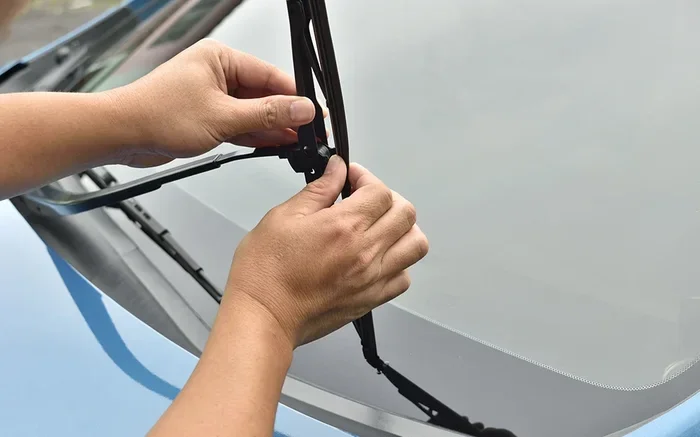
Learn How to Remove Car Wipers Without the Release Button
Learning how to remove car wipers without the release button is a simple skill every driver should have. Whether your release tab is broken or missing, you can still take off your windshield wiper blades safely and quickly. This guide walks you through several proven methods using basic household tools. You will learn how to handle different wiper connector types without damaging your wiper arm or windshield. By the end, you will feel confident tackling this common car maintenance task on your own.
There is nothing more frustrating than trying to replace your windshield wiper blades and realizing the release button is broken or missing. You stand there staring at the wiper arm, wondering how on earth you are supposed to get the old blade off. The good news is that you do not need a special release button to remove your car wipers. In fact, people have been removing wipers without that little tab for decades. Whether you are dealing with a snapped tab, a worn-out connector, or a wiper arm that simply does not have a release mechanism, this guide has you covered. You will learn several reliable methods to get the job done safely and quickly.
Knowing how to remove car wipers without the release button is an essential car maintenance skill. It saves you a trip to the mechanic and a handful of bucks in labor costs. It also means you can replace your wiper blades the moment they start streaking or chattering, rather than waiting for a convenient appointment. Let us dive into the different connector types and removal techniques so you can handle this task like a pro.
Key Takeaways
- Multiple Methods Available: You can remove wipers using a flathead screwdriver, pliers, or a wiper removal tool depending on your connector type.
- Safety Comes First: Always lay the wiper arm flat against the windshield before starting to prevent glass damage.
- Know Your Connector Type: Bayonet, hook-slot, and side-pin connectors each require a slightly different removal approach.
- No Special Tools Needed: Most removal methods use items you already have at home like a flat screwdriver or needle-nose pliers.
- Prep Your New Blades First: Have your replacement wiper blades ready before removing the old ones to save time.
- Avoid Common Mistakes: Never pull the wiper arm away from the windshield forcefully, and never let the arm snap back onto the glass.
📑 Table of Contents
Understanding Your Wiper Connector Type
Before you start pulling anything, you need to know what kind of connector your wiper blade uses. Different vehicles use different attachment systems. Identifying yours correctly makes the removal process much smoother. Here are the three most common types you will encounter.
Bayonet-Style Connector
The bayonet-style connector is one of the most common types found on modern vehicles. It features a small pin or tab on the side of the wiper arm that locks the blade in place. To remove a bayonet connector, you typically push the pin inward and slide the blade off. When the release button is missing or broken, you can use a flathead screwdriver to press the pin manually. Just slide the screwdriver tip into the small hole or gap near the pin and push it in while pulling the blade away from the arm.
Hook-Slot Connector
The hook-slot connector looks like a small J-shaped hook on the wiper arm. The wiper blade snaps into this hook and locks in place. This type is very common on older vehicles and some newer models. Without a release button, removing a hook-slot connector requires you to carefully lift the blade off the hook. You will need to work the blade slightly upward and then pull it away from the hook opening. Needle-nose pliers can help you gently manipulate the hook if it is tight.
Side-Pin Connector
The side-pin connector uses a small pin that sticks out from the side of the wiper arm. The blade has a hole that fits over this pin. To remove it, you need to push the pin back or to the side while sliding the blade off. A flathead screwdriver works perfectly for pressing the pin. These connectors are common on many Japanese and European vehicle models.
Tools You Will Need
One of the best things about removing wipers without a release button is that you probably already own every tool you need. You do not have to buy anything fancy or expensive. Here is a simple list of what to gather before you start.
- Flathead screwdriver – the most versatile tool for this job
- Needle-nose pliers – great for grip and leverage on tight connectors
- Protective gloves – keeps your hands safe from sharp edges
- Rag or towel – protects your windshield from scratches
- Replacement wiper blades – have these ready before you remove the old ones
- Wiper removal tool – optional but helpful for stubborn connectors
Having everything ready before you start makes the whole process faster and safer. Lay your towel flat on the windshield near the wiper arm. This protects the glass in case the arm snaps back unexpectedly.
Step-by-Step: Removing Wiipers Without the Release Button
Now that you know your connector type and have your tools ready, let us walk through the actual removal process. Follow these steps carefully and you will have your old wipers off in no time.
Step 1: Turn Off the Ignition and Lower the Wipers
Start by turning your car off. Do not leave the ignition in the accessory position. Lower the wiper arms down to the windshield. This position keeps the spring tension in the arm relaxed. If the arm snaps back suddenly, it can crack your windshield or scratch the glass. Always keep the wiper blade resting flat against the windshield throughout the process.
Step 2: Lift the Wiper Arm Away From the Windshield
Gently lift the wiper arm away from the windshield. Lift it to about a 45-degree angle. Do not lift it too high or the arm may snap back. Placing a folded towel between the arm and the windshield works as a cushion. This simple step prevents expensive glass damage.
Step 3: Locate the Connector Mechanism
Look closely where the wiper blade meets the wiper arm. You will see the connector. Identify whether it is a bayonet, hook-slot, or side-pin type. This determines which removal technique you will use. Take a moment to study the connector before you start applying force.
Step 4: Press or Release the Locking Mechanism
For bayonet connectors, use your flathead screwdriver to push the pin inward. For hook-slot connectors, gently lift the blade upward and away from the hook. For side-pin connectors, push the pin to the side with your screwdriver. In all cases, hold the blade firmly and work the connector free with your other hand. Do not use excessive force. If something feels stuck, stop and reassess rather than forcing it.
Step 5: Slide the Blade Off the Arm
Once the locking mechanism is released, slide the blade off the wiper arm. Pull it straight out along the length of the arm. Do not twist or bend the blade at odd angles. Set the old blade aside safely. The wiper arm will now be exposed and ready for your new blade.
Step 6: Install the New Wiper Blade
Take your new wiper blade and align it with the wiper arm connector. Slide it on until you hear or feel a click. This click confirms the blade is locked in place. Gently lower the arm back onto the windshield. Repeat the process for the other wiper if needed.
Common Mistakes to Avoid
Removing wipers without a release button is straightforward, but a few common mistakes can cause damage or injury. Here is what you should watch out for.
- Letting the wiper arm snap back onto the windshield – this can crack or chip the glass. Always hold the arm steady when the blade is off.
- Using the wrong tool – avoid using knives, pliers without a grip, or any sharp metal object that could scratch the arm or blade.
- Forcing a stuck connector – if the blade does not come off easily, double-check the connector type and try a different approach rather than pulling harder.
- Forgetting to check the wiper arm spring tension – worn springs can cause the arm to fly up suddenly. Hold the arm firmly throughout the process.
- Installing the wrong size blade – always check your vehicle manual or use a blade size guide before purchasing new wipers. Wrong-sized blades will not attach properly and can leave streaks on your windshield.
When to Seek Professional Help
Most of the time, removing wipers without a release button is a simple DIY task. However, there are situations where professional help makes sense. If the wiper arm is severely rusted or corroded, you may need a mechanic to safely remove it. If the connector is stripped or damaged beyond recognition, a professional can assess whether the entire wiper arm needs replacement. Also, if you feel uncomfortable working on your vehicle, there is no shame in visiting an auto shop. Many quick-lube services will replace your wiper blades for a small fee or even for free with a windshield wash.
Tips for Longer Wiper Blade Life
Once you have successfully replaced your wipers, you want them to last as long as possible. Here are some simple tips to extend the life of your new windshield wiper blades.
- Clean your windshield every time you fill up your gas tank. Dirt and debris wear down wiper rubber faster.
- Wipe the wiper blades with a damp cloth occasionally to remove built-up grime.
- Lift the wipers away from the windshield during winter months to prevent them from freezing to the glass.
- Replace your wiper blades every six to twelve months, even if they still look okay. The rubber deteriorates over time.
- Use windshield washer fluid instead of water. Water does not clean as effectively and can leave spots that wear down the blades.
- Avoid using your wipers on a dry windshield. Always apply washer fluid first to lubricate the surface.
These small habits add up over time and keep your wiper maintenance routine simple and effective. Clean wipers mean clear visibility, which means safer driving in rain, snow, and fog.
Quick Tips for a Smooth Removal
Here are some extra tips that make the removal process even easier and safer.
- Take a photo of the connector before you remove the old blade. This helps you remember how the new blade should attach.
- Work in a shaded area. Hot sunlight can make plastic connectors brittle and more likely to crack.
- Keep a spray bottle of washer fluid nearby. A little fluid on the connector helps it release more smoothly.
- If the connector feels stiff, apply a small amount of silicone lubricant around the base. This reduces friction and prevents damage.
- Always handle the wiper arm gently. The spring inside is under tension and can cause injury if mishandled.
FAQ
Can I remove wipers without any tools at all?
Yes, in many cases you can remove wipers using just your hands. Some connectors release with a simple pull and slide motion. However, having a flathead screwdriver or a pair of needle-nose pliers makes the job much easier, especially when the release button is missing or broken.
Is it safe to let the wiper arm snap back onto the windshield?
No, it is not safe. A wiper arm snapping back can crack or chip your windshield. Always hold the arm gently when the blade is off. Placing a towel between the arm and the windshield adds an extra layer of protection.
How often should I replace my wiper blades?
Most experts recommend replacing wiper blades every six to twelve months. If you notice streaking, chattering, or smearing on your windshield, it is time for a replacement. Regular replacement keeps your visibility clear and your windshield safe from scratches.
What happens if I break the wiper arm while removing the blade?
If the wiper arm breaks, you will need to replace the entire arm assembly. This is more involved than a simple blade swap. Take your vehicle to a mechanic or auto parts store for assistance. Most wiper arms are relatively affordable and easy to install once you have the replacement part.
Are all wiper blades universal?
No, wiper blades are not universal. Different vehicles require different sizes and connector types. Always check your vehicle owner manual or use an online blade finder tool to confirm the correct size and connector for your specific make and model.
Can I use WD-40 on my wiper connectors?
It is best to avoid WD-40 on wiper connectors. It can leave a residue that interferes with the blade’s ability to wipe cleanly. Silicone-based lubricants are a better choice if you need to reduce friction on the connector mechanism.
Conclusion
Knowing how to remove car wipers without the release button is a valuable skill that saves you time, money, and hassle. With the right connector knowledge and a few basic tools, you can handle this common car maintenance task in under ten minutes. Whether you have a bayonet, hook-slot, or side-pin connector, the methods in this guide will help you get the job done safely. Remember to take your time, work gently, and always protect your windshield from damage. Once you have replaced your blades, enjoy the clear, streak-free view through your windshield. Your wipers are now ready to handle whatever weather comes your way. Share this guide with a friend who might need it, and keep your vehicle running smoothly all year round.