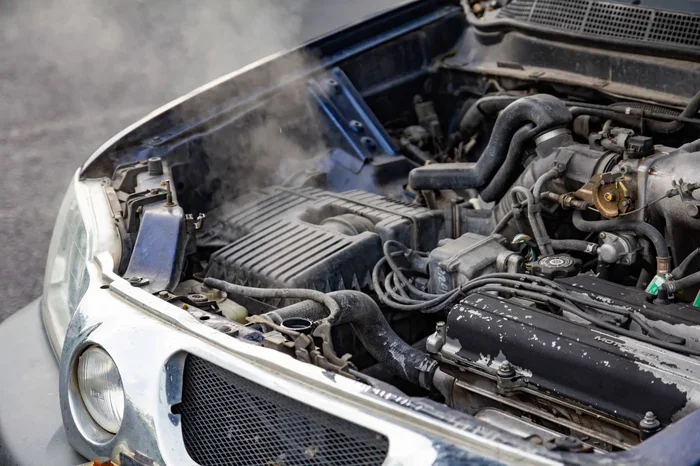
Can a Bad Temperature Sensor Cause Your Engine to Overheat
Yes, a bad temperature sensor can absolutely cause your engine to overheat. When the sensor fails, it sends wrong data to the engine computer, leading to poor cooling and dangerous high temperatures. In this guide, you’ll learn how a faulty sensor triggers overheating, what other problems mimic it, and how to fix it before major damage happens.
Can a bad temperature sensor cause overheating? Absolutely. Many drivers ignore the tiny sensor tucked near the engine until it starts sending wrong signals. That small part plays a huge role in keeping your engine at the right temperature. When it fails, the whole cooling system can go haywire.
In this article, you’ll learn exactly how a faulty sensor leads to engine overheating. You’ll also discover other problems that feel the same, how to diagnose the issue yourself, and the best way to fix it. Whether you’re a DIYer or just curious, this guide will give you clear, practical answers.
Key Takeaways
- A faulty temperature sensor can send incorrect data, causing the engine to run hot.
- Overheating isn’t always a cooling system leak—sensor failure is a common hidden culprit.
- Watch for warning signs like a rising temperature gauge, check engine light, or poor fuel economy.
- Diagnosing the sensor is simple with a multimeter or OBD-II scanner.
- Replacing the sensor is affordable and can prevent costly engine repairs.
- Regular maintenance helps spot sensor issues before they cause overheating.
📑 Table of Contents
Understanding the Coolant Temperature Sensor
What Does the Sensor Do?
The coolant temperature sensor (often called the CTS) is a small device that measures the heat of your engine’s coolant. It sends this information to the engine control unit (ECU). The ECU uses that data to adjust fuel injection, ignition timing, and cooling fan operation. Think of it as the brain’s thermometer.
When the sensor works correctly, your engine runs smoothly and stays at the perfect temperature. But when it goes bad, the ECU gets false readings. That can lead to a lean fuel mixture, poor idle, or even engine overheating. The sensor is cheap, but ignoring it can cause big trouble.
How the Sensor Talks to Your Engine
The sensor uses a simple electrical resistance change. As the coolant heats up, the resistance drops. The ECU reads this resistance and calculates the temperature. If the sensor’s internal parts wear out, the resistance becomes erratic. The ECU then makes wrong decisions about the cooling fan and fuel mix.
For example, a failing sensor might tell the ECU the engine is cold even when it’s boiling hot. The ECU will keep the cooling fan off and enrich the fuel mixture. That rich fuel mixture wastes gas and can cause the engine to overheat. A bad temperature sensor can also trigger the check engine light with codes like P0115 or P0118.
Can a Bad Temperature Sensor Cause Overheating?
When the Sensor Sends Wrong Data
Yes, a bad temperature sensor can directly cause engine overheating. Here’s how it happens. The sensor tells the ECU that the engine is cooler than it really is. The ECU then thinks the engine needs more fuel and less cooling. It delays turning on the radiator fan. The coolant doesn’t flow properly. Heat builds up fast.
In some cars, a failed sensor sends a permanently high signal. The ECU thinks the engine is always hot. It may run the fan constantly, which drains the battery. Or it may go into a failsafe mode that limits engine power. Neither situation is good. Both can lead to real overheating if the root cause isn’t fixed.
The Chain Reaction That Leads to Overheating
A single sensor failure starts a chain reaction. First, the wrong temperature data reaches the ECU. Then the ECU miscalculates the fuel trim. The engine runs rich or lean. The catalytic converter gets stressed. The cooling fan may not kick on at the right time. Soon, the thermostat may stay closed because the ECU never gets the signal to open it. All of these small failures add up to a boiling engine.
This is why many people search for “can a bad temperature sensor cause overheating” after their gauge spikes. They feel fine one minute and then see steam the next. The sensor’s delayed or false signal is often the hidden trigger.
Common Symptoms of a Failing Sensor
Watch for these signs that your temperature sensor might be failing:
- The temperature gauge reads abnormally high or low.
- The check engine light comes on with a temperature-related code.
- The cooling fan runs constantly or never turns on.
- You notice poor fuel economy or a rough idle.
- The engine takes longer to warm up in cold weather.
- Black smoke comes from the exhaust due to a rich fuel mixture.
Other Issues That Mimic a Bad Temperature Sensor
Not every overheating problem starts with the sensor. Several other cooling system parts can cause the same symptoms. It’s important to rule them out so you don’t replace a good sensor when the real issue is elsewhere.
Thermostat Failure
The thermostat regulates coolant flow. If it gets stuck closed, the coolant can’t reach the radiator. The engine overheats fast. A stuck thermostat can trick you into thinking the sensor is bad because the temperature gauge shoots up. However, the sensor is just reporting the truth—the engine really is too hot.
Water Pump Problems
The water pump circulates coolant through the engine and radiator. A worn impeller or a leaking pump reduces flow. Without proper circulation, heat builds up. The sensor detects the high temperature and sends the correct signal. But the ECU can’t fix a mechanical pump failure. Replacing the sensor won’t solve the problem here.
Cooling System Leaks
A small leak in the radiator, hose, or water pump can lower the coolant level. Less coolant means less heat absorption. The engine runs hot. The sensor reads the high temperature accurately. In this case, the sensor is working fine—it’s just doing its job. You need to find and fix the leak, not the sensor.
Fan Clutch or Radiator Fan Failure
The cooling fan pulls air through the radiator at low speeds. If the fan clutch is bad or the electric fan motor fails, the engine can’t cool down on the highway or in traffic. The sensor will show high temperatures, but the real cause is the fan. A bad temperature sensor is often blamed when the fan is the actual culprit.
| Symptom | Likely Caused by Bad Sensor | Likely Caused by Other Issue |
|---|---|---|
| Temperature gauge reads high | Sensor sends false high signal | Thermostat stuck, low coolant, fan failure |
| Check engine light with P0115-P0118 | Sensor circuit or resistance problem | Wiring short, ECU issue, connector corrosion |
| Fan runs constantly | Sensor stuck in cold mode | Fan relay stuck, wiring short to ground |
| Poor fuel economy and rough idle | Sensor sends cold signal, ECU enriches fuel | Dirty fuel injectors, vacuum leak, MAF sensor fault |
| Engine overheats in traffic | Sensor fails to trigger fan at right temp | Fan motor dead, low coolant, radiator clog |
How to Diagnose a Faulty Temperature Sensor
Using an OBD-II Scanner
The fastest way to check for a sensor problem is with an OBD-II scanner. Plug it into the diagnostic port under your dash. Look for codes starting with P0115, P0116, P0117, or P0118. These codes directly relate to the coolant temperature sensor circuit. A scanner will also show you the live temperature data. If the reading jumps wildly or stays frozen at one value, the sensor is likely failing.
Testing the Sensor with a Multimeter
If you have a multimeter, you can test the sensor yourself. First, locate the sensor (it’s usually near the thermostat housing or cylinder head). Unplug the electrical connector. Set your multimeter to measure resistance. Touch the probes to the sensor terminals. With the engine cold, you should see a high resistance (often around 2,000 to 3,000 ohms). Start the engine and let it warm up. The resistance should drop steadily. If it stays high or reads open, the sensor is bad.
Quick Tips for DIY Diagnosis
- Check the sensor connector for corrosion or bent pins before replacing the sensor.
- Inspect the wiring harness for frayed wires or bare spots that could cause a short.
- Never disconnect the sensor while the engine is hot. Wait for it to cool to avoid burns.
- Use dielectric grease on the connector after replacement to prevent future corrosion.
- Clear the check engine light after the fix and drive for a few days to see if it returns.
Repairing the Sensor and Preventing Overheating
Step-by-Step Replacement
Replacing a coolant temperature sensor is one of the easiest repairs you can do. Here’s how:
- Let the engine cool completely. Never work on a hot cooling system.
- Locate the sensor. It’s usually near the thermostat housing or on the cylinder head.
- Disconnect the electrical connector. Press the tab and pull gently.
- Unscrew the old sensor with a wrench or socket. Have a rag ready for any residual coolant.
- Apply a thin coat of thread sealant or use a new O-ring on the new sensor.
- Screw in the new sensor by hand first, then tighten with the wrench. Don’t overtighten.
- Reconnect the electrical connector.
- Refill coolant if needed and bleed the system to remove air pockets.
- Start the engine and watch the temperature gauge. It should climb smoothly.
Most sensor replacements take less than 30 minutes. The part itself usually costs between $10 and $30. You can save a lot of money by doing it yourself.
Cost Considerations
If you take the car to a shop, labor for a sensor replacement is often around $50 to $100. The part is inexpensive. Total cost typically runs $60 to $130. Compare that to the cost of repairing an engine that overheated because the sensor was ignored. A blown head gasket or warped cylinder head can cost $1,000 or more. A simple sensor fix is a tiny investment that protects a very expensive engine.
Preventive Maintenance Tips
You can’t prevent every sensor failure, but you can catch problems early. Follow these tips:
- Check your coolant level regularly. Low coolant stresses the sensor and the whole system.
- Inspect the sensor connector during oil changes or other routine service.
- Flush the coolant according to the manufacturer’s schedule. Old coolant can cause corrosion that damages sensor connectors.
- Don’t ignore the check engine light. Even a minor code can point to a sensor issue that will worsen over time.
- Keep the radiator and fan area clean. Bugs and debris can block airflow and cause the engine to run hotter than normal, which wears out the sensor faster.
Final Thoughts
So, can a bad temperature sensor cause overheating? The answer is a clear yes. A tiny sensor can send your engine into a overheating crisis by feeding the ECU false data. The cooling fan may not turn on, the thermostat may stay closed, and the fuel mixture can go wrong. All of this happens because the engine computer trusts the sensor completely.
The good news is that diagnosing and fixing a faulty sensor is simple and affordable. You don’t need to be a mechanic. With a basic scanner or a multimeter, you can confirm the problem in minutes. And replacing the part is a quick job that most car owners can handle in their driveway.
Don’t wait until your temperature gauge hits red. Pay attention to early signs like a rough idle, poor fuel economy, or a check engine light. A bad temperature sensor is a small part with a big job. Take care of it, and your engine will stay cool and reliable for miles to come.
Frequently Asked Questions
What happens if the temperature sensor fails while driving?
If the sensor fails, the ECU may not know the engine is getting too hot. The cooling fan might not turn on, and the thermostat could stay closed. This can cause rapid overheating, which may lead to a blown head gasket or warped engine parts. Pull over safely and turn off the engine if you see the gauge climbing.
Can a bad temperature sensor cause a no-start condition?
Yes, in some cases. If the sensor tells the ECU that the engine is cold, the ECU may enrich the fuel mixture too much. This can flood the engine and make it hard to start. A false signal can also prevent the ECU from enabling the starter circuit correctly in certain models.
How much does it cost to replace a coolant temperature sensor?
The part itself usually costs between $10 and $30. If you take it to a shop, labor adds about $50 to $100. Total cost is typically under $130. Doing it yourself saves the labor fee entirely.
Will a bad temperature sensor throw a check engine light?
Yes, almost always. The ECU detects out-of-range signals or circuit problems and stores a code. Common codes include P0115, P0116, P0117, and P0118. These codes directly point to the coolant temperature sensor or its circuit.
Can I clean a temperature sensor instead of replacing it?
Cleaning won’t fix a failed sensor. The problem is usually internal corrosion or a broken sensing element. You can clean the connector and the tip to remove corrosion, but if the resistance values are off, replacement is the only reliable fix.
How often should the temperature sensor be replaced?
There’s no set replacement interval. Sensors can last the life of the car, but they often fail after 100,000 miles or more. Replace the sensor only when it tests bad or shows symptoms. Regular coolant flushes help keep the sensor and its connector in good condition.