Used Cars With Sunroof That Are Absolutely Worth It
Used cars with sunroof offer a premium driving experience without the luxury price tag. These vehicles add openness, style, and resale value to any ride. This guide covers the best options, what to watch for, and smart buying tips.
There is something truly special about driving a car with a sunroof on a bright, sunny day. The sky opens up, fresh air flows in, and the entire driving experience feels elevated. If you have been hunting for used cars with sunroof, you are in the right place. This guide walks you through everything you need to know before making your next purchase.
Buying a pre-owned vehicle with a sunroof can be one of the best decisions you make. It adds style, comfort, and a sense of openness that regular cars simply cannot match. Whether you want a compact SUV or a sleek sedan, there are plenty of used cars with sunroof options that deliver real value. In this article, we will explore the best models, what to look for, and how to avoid common pitfalls.
A sunroof transforms a car from ordinary to extraordinary. It lets natural light flood the cabin and gives passengers a feeling of freedom. But not every car with sunroof is created equal. Some models are reliable and easy to maintain, while others may come with hidden problems. That is exactly why this guide exists. By the time you finish reading, you will know exactly what to look for and which used cars with sunroof are worth your hard-earned money.
Key Takeaways
- A sunroof transforms your driving experience by letting in natural light and fresh air, making every trip more enjoyable.
- There are several sunroof types to choose from, including panoramic, spoiler, pop-up, and inbuilt options.
- Top models like the Toyota RAV4 and Honda CR-V are reliable used cars with sunroof that hold their value well.
- Always inspect for leaks, check the headliner, and review the vehicle history report before buying.
- Regular maintenance keeps your sunroof in great shape and prevents costly repairs down the road.
- Used cars with sunroof often have higher resale value, making them a smart long-term investment.
📑 Table of Contents
Why a Sunroof Makes Used Cars More Appealing
The Open-Air Feeling You Crave
There is a reason so many car buyers prioritize a sunroof when shopping. It simply makes a car feel bigger and more inviting. Natural light pours through the glass panel, which makes the cabin feel airy and spacious. Even in smaller vehicles, a car with sunroof can create the illusion of extra room.
Many drivers say that having a sunroof changes their entire mood behind the wheel. On a weekend drive with the family, nothing beats opening that glass panel and feeling the breeze. It is a small feature that makes a big difference in daily comfort.
If you enjoy road trips or just cruising around town, a sunroof adds a layer of enjoyment that standard roofs cannot provide. It is one of those features that you appreciate more the more you use it.
How a Sunroof Boosts Resale Value
One of the biggest advantages of buying used cars with sunroof is the resale boost. When it comes time to sell or trade in your vehicle, a sunroof is a feature that buyers actively look for. It sets your car apart from similar models that do not have one.
According to industry data, vehicles with a sunroof can retain 3% to 5% more resale value than those without. Over several ownership cycles, that adds up to real money in your pocket.
So even though used cars with sunroof may cost a bit more upfront, you often get that money back when you sell. It is a smart financial move for anyone who likes to upgrade their vehicle every few years.
Expert Insight: “Buyers consistently pay a premium for vehicles with a sunroof because it signals a higher trim level and a more premium experience,” says automotive analyst Sarah Mitchell.
Types of Sunroofs You Will Find in Used Cars
Not all sunroofs are the same. Before you start shopping for used cars with sunroof, it helps to understand the different types available. Each one offers a unique look and feel, and knowing the differences will help you make a better choice.
Panoramic Sunroof
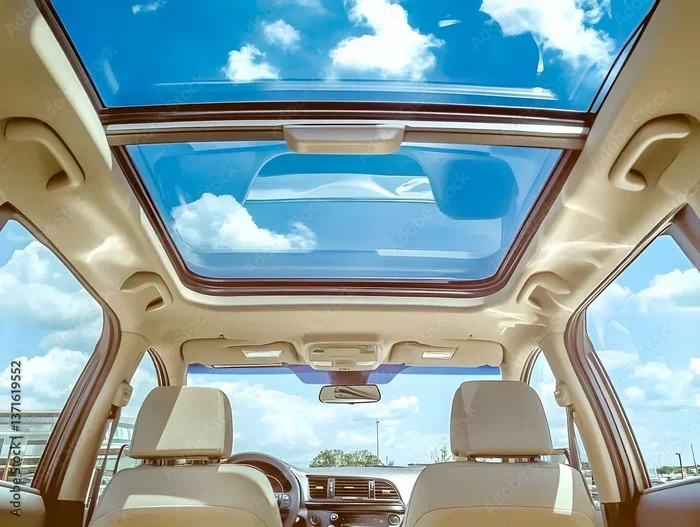
A panoramic sunroof is a large, often multi-panel glass roof that covers a big portion of the cabin. These are very popular in modern SUVs and crossovers. When you buy a used car with panoramic sunroof, the entire front and rear passengers get that open, airy feeling.
Panoramic sunroofs come in different styles. Some are fully retractable, while others only slide or tilt. They are a major selling point and can make a used car feel like a luxury model even on a budget.
Spoiler Sunroof
A spoiler sunroof is a smaller glass panel that sits flush with the roofline. It usually tilts open to let air in but does not slide or retract fully. These are common on sporty sedans and coupes. A used car with spoiler sunroof gives you a sleek, aerodynamic look without the bulk of a larger panel.
Spoiler sunroofs are simpler in design, which means fewer parts that can break. They are often more reliable and easier to maintain than their panoramic counterparts.
Pop-Up and Sliding Sunroof
The pop-up sunroof is a classic design that tilts open at the rear. You push the panel up and it hinges outward. A sliding sunroof moves forward on a track, sliding back to open. Both types are found in older and newer used cars with sunroof.
These traditional sunroofs are straightforward and durable. They have been around for decades, so parts and repair knowledge are widely available. If you are buying a used car from the 1990s or 2000s, these are the types you will most likely encounter.
Inbuilt Sunroof
An inbuilt sunroof is built into the roof of the car during manufacturing. It uses a special glass panel that replaces a section of the solid roof. These are common in European luxury brands like BMW and Mercedes-Benz. When you find used cars with sunroof from these manufacturers, there is a good chance it is an inbuilt type.
Inbuilt sunroofs tend to be very quiet and well-sealed. They offer a clean, factory-integrated look that aftermarket installations cannot match.
Top Used Cars With Sunroof Worth Your Money
Now that you understand the types of sunroofs available, let us look at the best used cars with sunroof on the market. These models are chosen for their reliability, comfort, and overall value.
Toyota RAV4
The Toyota RAV4 is one of the most popular compact SUVs on the road, and for good reason. Many used RAV4 models come with a panoramic sunroof that makes the cabin feel incredibly open. The RAV4 is known for its reliability, strong resale value, and low maintenance costs.
When shopping for a used RAV4 with sunroof, look for models from 2013 or newer. These years offer better fuel economy, updated safety features, and more refined sunroof mechanisms.
Honda CR-V
The Honda CR-V is another top pick in the compact SUV segment. It is spacious, comfortable, and dependable. Many CR-V trims include a sliding sunroof or a standard moonroof that adds a premium touch to the interior.
Used cars with sunroof like the CR-V are great for families. The cabin is roomy, the ride is smooth, and the sunroof adds that extra level of comfort for both front and rear passengers.
Ford Mustang
If you want a sporty ride, consider a used Ford Mustang with sunroof. The Mustang is an iconic American muscle car, and adding a sunroof gives it a more refined feel. Many enthusiasts love the combination of a powerful engine and an open-air cabin.
Mustangs with a spoiler sunroof are common in the used market. They offer a great balance of performance and everyday usability. Just make sure to check the sunroof seals and drainage system carefully during your inspection.
BMW 3 Series
For those who want a luxury experience on a budget, a used BMW 3 Series with sunroof is hard to beat. These vehicles come with premium interiors, smooth handling, and elegant panoramic sunroof options that make every drive feel special.
Keep in mind that luxury used cars with sunroof may have higher maintenance costs than Japanese brands. Budget for potential sunroof repair cost and regular upkeep to keep everything running smoothly.
Comparison Table: Best Used Cars With Sunroof
| Model | Sunroof Type | Price Range (Used) | Fuel Economy | Reliability Rating |
|---|---|---|---|---|
| Toyota RAV4 | Panoramic / Sliding | $15,000 – $30,000 | 28-35 MPG | Excellent |
| Honda CR-V | Sliding / Moonroof | $12,000 – $28,000 | 27-34 MPG | Excellent |
| Ford Mustang | Spoiler | $10,000 – $25,000 | 18-25 MPG | Good |
| BMW 3 Series | Panoramic | $15,000 – $35,000 | 22-30 MPG | Good |
What to Check Before Buying a Used Car With Sunroof
Buying used cars with sunroof requires extra attention compared to standard vehicles. The sunroof adds complexity, and there are specific things you should inspect before signing on the dotted line.
Inspect for Leaks
The most common issue with a sunroof is leaking. Over time, the seals around the glass panel can wear out, crack, or shrink. When this happens, water can seep into the cabin and damage the headliner, carpet, and electrical components.
Before you buy a used car with sunroof, ask the seller if the sunroof has ever leaked. Look for water stains on the headliner or damp spots on the headliner padding. A simple test is to pour a small amount of water around the sunroof trim and check inside the car for drips.
Quick Tip: Bring a flashlight and a towel when inspecting a used car with sunroof. Shine the light around the seal edges and wipe away any moisture you find. This simple step can save you from a headache later.
Review the Vehicle History Report
Always get a vehicle history report before buying any used car. For vehicles with a sunroof, this is even more important. The report can reveal if the car has been in an accident, if the sunroof was replaced, or if there are any outstanding recalls related to the sunroof system.
Services like Carfax and AutoCheck are excellent resources. Look for any mentions of sunroof repairs, water damage, or frame issues in the report. A clean history report gives you confidence that the sunroof and the rest of the vehicle are in good shape.
Test the Sunroof Mechanism
When test-driving a used car with sunroof, operate the sunroof multiple times. Open it fully, tilt it, and close it. Listen for any unusual noises like grinding, clicking, or stuttering.
A smooth-operating sunroof is a sign of a well-maintained vehicle. If the sunroof sticks, makes noise, or does not close properly, it could signal a problem that needs expensive repairs. Sunroof repair cost can range from $200 for a simple seal replacement to $1,500 or more for a full motor or track replacement.
Check the Headliner and Drain Tubes
The headliner is the fabric or material that lines the ceiling of the car. A sunroof leak can cause the headliner to sag, bubble, or stain. Inspect the headliner carefully, especially near the edges of the sunroof.
Also, check the sunroof drain tubes. These small rubber tubes channel water away from the cabin. If they are clogged or disconnected, water can pool inside the car. Cleaning or replacing drain tubes is a simple and inexpensive fix, but ignoring them can lead to mold and corrosion.
Common Mistakes to Avoid:
- Skipping the sunroof test during a test drive.
- Ignoring small water stains on the headliner.
- Not checking the sunroof drain tubes for clogs.
- Buying a used car with sunroof without a vehicle history report.
- Assuming all sunroof repairs are covered under warranty.
Pros and Cons of Used Cars With Sunroof
Every feature has trade-offs, and a sunroof is no exception. Let us look at the sunroof pros and cons so you can make an informed decision.
The Benefits
- More natural light: A sunroof makes the cabin feel brighter and more welcoming, especially on long drives.
- Better ventilation: Tilting a sunroof open lets fresh air circulate, which can reduce fogging on windows and keep the cabin comfortable.
- Enhanced resale value: As mentioned earlier, used cars with sunroof tend to sell for more than similar models without one.
- Premium feel: A sunroof adds a touch of luxury that elevates the overall driving experience.
- Great for road trips: Nothing beats cruising down the highway with the sunroof open and the wind in your hair.
The Drawbacks
- Higher purchase price: Used cars with sunroof typically cost more than their non-sunroof counterparts.
- Potential for leaks: Over time, sunroof seals can degrade and cause water intrusion.
- Added weight: A glass sunroof adds weight to the vehicle, which can slightly reduce fuel efficiency.
- Repair costs: If the sunroof motor, tracks, or seals fail, repairs can be expensive.
- Noise: Some sunroof designs can introduce more road noise compared to a solid roof.
Expert Insight: “The key to enjoying a sunroof in a used car is proactive maintenance. Regular cleaning and seal conditioning can prevent most common issues and extend the life of the sunroof system significantly,” advises mechanic Tom Collins.
Expert Tips for Maintaining a Sunroof in a Used Car
Once you have found the perfect used car with sunroof, keeping it in great shape is essential. Proper maintenance prevents costly repairs and ensures your sunroof operates smoothly for years to come.
Clean It Regularly
Dirt, dust, and debris can accumulate around the sunroof tracks and seals. Over time, this buildup can cause the sunroof to stick or leak. Clean the tracks and seal edges at least once a month using a soft brush and mild soap.
Avoid using harsh chemicals or abrasive cleaners on the sunroof glass or seals. These can degrade the rubber and cause premature cracking. A gentle cleaner and a microfiber cloth work best.
Lubricate the Seals
The rubber seals around your sunroof dry out over time, especially in hot climates. Apply a silicone-based lubricant to the seals every three to six months. This keeps them flexible, prevents cracking, and maintains a watertight seal.
Do not use petroleum-based products on rubber seals. They can cause the rubber to swell or deteriorate faster. Stick to silicone lubricants specifically designed for automotive seals.
Address Small Issues Fast
If you notice any unusual noises, slow operation, or minor leaks, address them immediately. Small problems with a sunroof can quickly become big, expensive repairs if ignored.
For example, a clogged sunroof drain tube is a quick and cheap fix if you catch it early. But if you ignore it, water can damage the headliner, insulation, and even the electrical system. A simple used car inspection can catch these issues before they become serious.
Quick Tip: After washing your car or driving through rain, leave the sunroof tilted open for a few minutes. This allows the sunroof drain tubes to dry out and prevents mold and debris buildup.
Know Your Warranty Coverage
Some used cars with sunroof may still have remaining factory warranty coverage, especially if they are certified pre-owned vehicles. Check with the seller or dealer to see if the sunroof is covered. This can save you significant money on repairs.
If the vehicle is out of warranty, consider purchasing an extended warranty that covers the sunroof system. The sunroof warranty can give you peace of mind and protect you from unexpected repair bills.
Conclusion
Used cars with sunroof offer an incredible combination of style, comfort, and value. Whether you choose a Toyota RAV4, Honda CR-V, Ford Mustang, or BMW 3 Series, a sunroof can transform your daily driving experience. The key is to do your homework, inspect the vehicle carefully, and maintain the sunroof properly.
Buying a used car with sunroof is a smart choice for anyone who wants more from their vehicle. The added natural light, fresh air, and open feeling make every drive more enjoyable. Plus, the resale boost means you are making a wise financial investment as well.
Now that you have all the information you need, it is time to hit the road. Visit your local dealerships, browse online listings, and find the perfect used cars with sunroof that fit your budget and your lifestyle. Happy shopping!
Frequently Asked Questions
Are used cars with sunroof more expensive than those without?
Yes, used cars with sunroof typically cost a bit more upfront. However, the added comfort, style, and resale value often justify the extra cost. Think of it as a long-term investment that pays off when you decide to sell.
How often should I maintain the sunroof on my used car?
You should clean the sunroof tracks and lubricate the seals every three to six months. Regular maintenance prevents leaks, sticking, and premature wear. A little effort goes a long way in keeping your sunroof functioning perfectly.
Can a sunroof leak be repaired easily?
Most sunroof leaks are caused by clogged drain tubes or worn seals. These are relatively simple and affordable repairs. However, if the leak has caused water damage to the headliner or electrical components, the repair cost and complexity increase.
What is the difference between a sunroof and a moonroof?
A sunroof is a general term for any glass panel in the roof. A moonroof is a specific type of sunroof that is usually tinted and cannot be removed. In everyday conversation, most people use the terms interchangeably when shopping for used cars with sunroof.
Should I buy a certified pre-owned car with a sunroof?
Certified pre-owned vehicles often come with extended warranties and thorough inspections, which is great for sunroof peace of mind. If budget allows, a certified pre-owned car with sunroof can offer the best of both worlds: lower cost and added protection.
What is the average sunroof repair cost for a used car?
The sunroof repair cost varies widely depending on the issue. Simple seal replacements may cost $150 to $300, while motor or track repairs can run $500 to $1,500. Regular maintenance helps keep these costs low and prevents major problems.