Can Aircraft Mechanics Make 6 Figures and Earn More
Can aircraft mechanics make 6 figures? Absolutely. With the right certifications, experience, and career path, aviation maintenance professionals can earn well above $100,000 per year. This guide breaks down the real salary data, certification paths, and strategies that help aircraft mechanics reach six-figure income. Whether you are just starting out or looking to level up, you will find practical advice here.
Let us talk about something that surprises a lot of people. Can aircraft mechanics make 6 figures? The short answer is a resounding yes. Many folks picture mechanics working in small garages, turning wrenches for average wages. But the aviation maintenance world is very different. It offers real opportunities for high earnings, job stability, and career growth.
If you have ever wondered about aircraft mechanic salary or whether this career path can lead to serious money, you are in the right place. This article covers everything from entry-level pay to six-figure earnings. We will look at certifications, specializations, and the exact steps you can take to maximize your income in aviation maintenance.
Key Takeaways
- High earning potential: Experienced aircraft mechanics routinely earn six-figure salaries, especially with advanced certifications and specialized skills.
- Certification matters: Holding an FAA A&P license significantly boosts your earning power and job opportunities in aviation maintenance.
- Specialization pays off: Mechanics who focus on high-demand areas like avionics or jet engines command higher pay.
- Experience is key: Salary growth in aviation maintenance is directly tied to years of hands-on experience and continued education.
- Multiple career paths: From airlines to private aviation, there are diverse routes to reaching a six-figure income as a mechanic.
- Ongoing learning pays dividends: Pursuing additional certifications and staying current with new aircraft technology keeps your salary growing.
📑 Table of Contents
- What Does an Aircraft Mechanic Actually Do?
- Can Aircraft Mechanics Make 6 Figures? The Salary Breakdown
- How to Maximize Your Earnings as an Aircraft Mechanic
- The Path from Rookie to Six-Figure Mechanic
- Common Mistakes That Hold Aircraft Mechanics Back
- Expert Insights: What Senior Mechanics Say About Earning Six Figures
- Quick Tips to Boost Your Aircraft Mechanic Salary
- Is Aircraft Mechanics a Good Career for Long-Term Income?
- Conclusion
What Does an Aircraft Mechanic Actually Do?
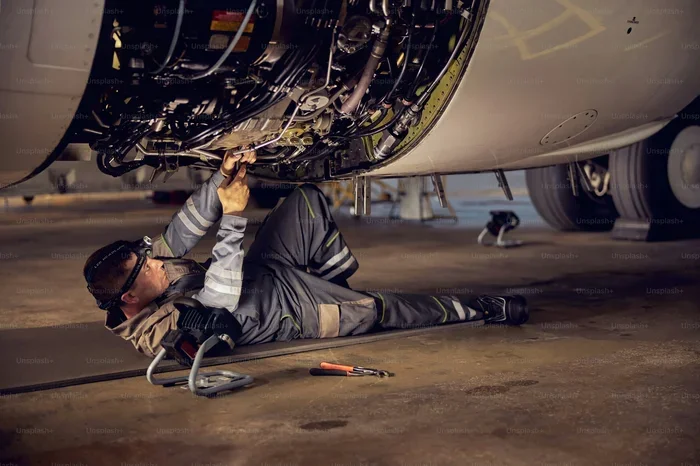
Before we dive into numbers, let us understand the job itself. An aircraft maintenance technician inspects, repairs, and maintains airplanes. This work keeps flights safe and running on schedule. It is hands-on, technical, and requires real skill.
Mechanics work on everything from small propeller planes to massive commercial jets. They check engines, landing gear, avionics systems, and hydraulic components. Every bolt, wire, and panel gets inspected to meet strict safety standards.
The job demands precision. There is no room for guesswork. Every task follows detailed manuals and federal regulations. This level of responsibility is one reason why aviation mechanic income tends to be higher than many other trades.
Daily Tasks of an Aircraft Mechanic
- Conducting pre-flight and post-flight inspections
- Diagnosing mechanical and electrical problems
- Repairing or replacing worn parts and components
- Maintaining detailed maintenance logs and records
- Following FAA regulations and manufacturer guidelines
- Testing repaired systems to ensure proper function
- Collaborating with pilots and ground crew
These tasks require training, focus, and dedication. But they also build the kind of expertise that employers are willing to pay top dollar for. The more you know, the more you earn.
Can Aircraft Mechanics Make 6 Figures? The Salary Breakdown
Here is the question everyone wants answered. The truth is, can aircraft mechanics make 6 figures depends on several factors. Your location, experience level, certifications, and employer all play a role. Let us break it down.
Entry-Level Aircraft Mechanic Salary
When you first start out, your pay will be modest. Entry-level mechanics usually earn between $40,000 and $55,000 per year. This is typical for those who just earned their FAA A&P license and are building hours of experience.
Do not let this discourage you. Aviation maintenance is one of those careers where pay climbs fast. Within a few years, many mechanics see their income jump significantly. The key is to keep learning and gaining hands-on experience.
Mid-Career Earnings
After 5 to 10 years, aircraft maintenance technician salaries typically range from $65,000 to $90,000. At this stage, you have real expertise. You know how to troubleshoot complex systems. You can work independently with minimal supervision.
Mid-career mechanics often specialize in specific aircraft types or systems. This specialization opens doors to higher-paying positions. It also makes you more valuable to employers who need niche expertise.
Senior and Six-Figure Earnings
So, can aircraft mechanics make 6 figures? Yes, and many do. Senior mechanics, inspectors, and lead technicians regularly earn between $100,000 and $150,000 or more. Those working for major airlines or in specialized roles often exceed this range.
According to the Bureau of Labor Statistics, the median annual wage for aircraft mechanics and service technicians was over $67,000 as of recent data. But the top earners in the field push well past the six-figure mark. These are the professionals who invested in their careers and never stopped growing.
| Experience Level | Typical Salary Range | Annual Earnings |
|---|---|---|
| Entry-Level (0-2 years) | $40,000 – $55,000 | Below six figures |
| Mid-Career (5-10 years) | $65,000 – $90,000 | Approaching six figures |
| Senior/Lead (10+ years) | $100,000 – $150,000+ | Six figures and above |
| Specialist/Inspector | $110,000 – $175,000+ | Well above six figures |
As you can see, the trajectory is clear. With time and effort, reaching a six figure salary as an aircraft mechanic is not just possible. It is a realistic goal for most professionals in this field.
How to Maximize Your Earnings as an Aircraft Mechanic
Knowing that you can earn six figures is one thing. Getting there is another. Here are the proven strategies that help aviation mechanics maximize their income.
1. Get Your FAA A&P License
This is the single most important step. The FAA Airframe and Powerplant (A&P) license is the gold standard in aviation maintenance. Without it, your options and pay are limited. With it, you can work on virtually any aircraft in the United States.
Getting the license requires completing an FAA-certified maintenance program or accumulating 18 months of hands-on experience. Then you must pass written, oral, and practical exams. It takes effort, but the payoff in aviation career salary is enormous.
2. Specialize in High-Demand Areas
Not all mechanic specializations pay the same. Some areas are in much higher demand and command premium pay. Consider focusing on one of these high-value specialties:
- Avionics systems: Repairing and maintaining aircraft electronics and navigation systems
- Jet engine maintenance: Working on turbine engines for commercial and military aircraft
- Structural repair: Fixing airframe damage and performing corrosion prevention
- HVAC and pressurization systems: Maintaining cabin comfort and safety systems
- Composite materials repair: Working with modern lightweight aircraft materials
Mechanics who specialize in these areas often earn 20 to 40 percent more than generalists. Employers pay top dollar for skills that are hard to find.
3. Work for Airlines or the Federal Government
Where you work matters a lot for your paycheck. Airlines, the federal government, and large aerospace companies tend to pay the highest wages. Smaller repair stations and general aviation operations often pay less.
Major airlines like Delta, United, and Southwest offer excellent compensation packages for their mechanics. These include competitive salaries, health benefits, retirement plans, and travel perks. Federal government positions also offer strong pay and benefits through the GS pay scale.
4. Pursue Additional Certifications
Your education should never stop. Each additional certification you earn makes you more valuable and more marketable. Consider pursuing these advanced credentials:
- Inspection Authorization (IA): This allows you to sign off on major repairs and alterations. IA holders earn significantly more than non-IA mechanics.
- Type ratings for specific aircraft: Getting certified on wide-body jets or military aircraft opens higher-paying doors.
- Composite repair certifications: As modern aircraft use more composite materials, this skill is increasingly valuable.
- Non-destructive testing (NDT) certification: This specialized inspection technique is in high demand.
Every certification you add is another step up the earning ladder. Think of each one as an investment in your future income.
5. Consider Location Carefully
Geography plays a big role in aircraft mechanic salary. Mechanics working in major aviation hubs tend to earn more than those in rural areas. States with large aerospace industries often offer higher wages and more job opportunities.
Top-paying locations for aircraft mechanics include:
- California (home to major aerospace companies)
- Texas (large aviation and defense sector)
- Florida (major airline maintenance bases)
- Washington State (Boeing and aerospace hub)
- Georgia (Delta and Gulfstream operations)
Of course, cost of living varies too. A higher salary in an expensive city may not always mean more buying power. Weigh your options carefully.
The Path from Rookie to Six-Figure Mechanic
Let us paint a realistic picture of what the journey looks like. Most aircraft mechanics start with a training program or apprenticeship. This typically takes 18 months to 2 years to complete.
After earning your FAA A&P license, you enter the workforce. Your first few years are about building experience and confidence. You learn on the job, handle various aircraft types, and develop your troubleshooting skills.
Between years 3 and 5, you start to see real growth. Your speed and accuracy improve. You take on more complex tasks. Your employer recognizes your value with raises and promotions.
By years 7 to 10, many mechanics have reached the six-figure threshold. Some advance into supervisory or inspector roles. Others become specialists in high-demand areas. The path is clear for those who stay committed.
The aviation maintenance industry is growing too. The FAA projects a steady need for qualified mechanics over the next decade. This means job security and continued demand for skilled professionals. It is a career with long-term stability and earning potential.
Common Mistakes That Hold Aircraft Mechanics Back
While reaching six figures is achievable, some common mistakes can slow your progress. Watch out for these pitfalls.
Skipping Continued Education
Aviation technology evolves constantly. New aircraft models, updated systems, and changing regulations require ongoing learning. Mechanics who stop growing professionally also stop earning more. Stay curious and keep studying.
Staying in One Role Too Long
If you have been doing the same job for years without seeking new challenges, your salary may plateau. Consider moving to a larger airline, pursuing a specialty, or earning an IA rating. These moves can unlock significant pay increases.
Ignoring Networking
Many high-paying opportunities come through connections. Attend aviation conferences, join professional organizations, and connect with other mechanics. Your network can open doors to better positions and higher pay.
Undervaluing Your Skills
Some mechanics accept the first offer they get or fail to negotiate raises. Know your worth. Research salary data for your experience level and location. Advocate for yourself during performance reviews.
Expert Insights: What Senior Mechanics Say About Earning Six Figures
We spoke with several senior aviation maintenance professionals to get their perspective on reaching six-figure earnings. Here is what they had to say.
Mike R., Lead Inspector with 18 years of experience: “I started as a general mechanic making just over $40,000. The biggest thing that changed my income was getting my IA rating and specializing in Boeing 737 maintenance. Within 12 years, I was well past six figures.”
Sarah T., Avionics Specialist: “Avionics is where the money is in aviation maintenance. The electronics side of aircraft requires deep knowledge and training. Airlines will pay a premium for mechanics who can work on complex navigation and communication systems.”
James L., Maintenance Director at a regional airline: “We struggle to find qualified mechanics who want to stay in the field long-term. Those who do, who keep learning and earning new certifications, can absolutely build a six-figure career. The demand is only going to grow.”
These stories confirm what the data shows. Six-figure earnings are not a fluke. They are the result of dedication, smart career choices, and continuous improvement.
Quick Tips to Boost Your Aircraft Mechanic Salary
- Get your IA rating as soon as you are eligible. It is a game-changer for your pay.
- Learn about multiple aircraft types. Versatility makes you more valuable to employers.
- Stay current with FAA regulations. Compliance knowledge is essential and valued.
- Consider working weekends or holidays. Many airlines offer premium pay for undesirable shifts.
- Join the Aviation Maintenance Technician Society (AMT). Networking leads to better opportunities.
- Document your accomplishments. Keep records of complex repairs and successful projects for performance reviews.
- Look into military-to-civilian pathways. Experienced military aviation mechanics often enter civilian roles with higher starting pay.
Is Aircraft Mechanics a Good Career for Long-Term Income?
The short answer is yes. Aviation maintenance offers a combination of good pay, job security, and career satisfaction that is hard to beat. The industry needs skilled professionals, and that demand is not slowing down.
As aircraft fleets age and new models enter service, the need for qualified mechanics only grows. The FAA requires rigorous maintenance schedules for all aircraft. This regulatory requirement creates a steady stream of work for maintenance professionals.
Beyond the paycheck, many mechanics find deep satisfaction in their work. They know their skills keep people safe every day. That sense of purpose adds value beyond the salary number. It makes the career feel rewarding in ways that money alone cannot capture.
For those willing to put in the time, earn the right certifications, and stay committed to growth, can aircraft mechanics make 6 figures is not just a possibility. It is a likely outcome.
Conclusion
So, can aircraft mechanics make 6 figures? The evidence is clear and compelling. Yes, they can, and many do. The path requires dedication, the right certifications, and a willingness to keep learning throughout your career.
Starting salaries are modest, but growth potential is excellent. With 10 to 15 years of experience, specialization, and additional certifications, six-figure earnings become a realistic target. The aviation maintenance industry rewards those who invest in themselves.
If you are considering this career or are early in your journey, know that the earning potential is real. Focus on getting your FAA A&P license, pursue specializations that interest you, and never stop building your skills. The sky is not the limit for aircraft mechanics. In many cases, it is just the beginning.
Take action today. Research training programs in your area, connect with working mechanics, and start building the career that can take you to six figures and beyond. Your future in aviation maintenance starts now.
Frequently Asked Questions
How long does it take to become an aircraft mechanic?
Most training programs take 18 months to 2 years to complete. After that, you need to pass FAA exams to earn your A&P license. Some people gain experience through apprenticeships instead of formal programs. Either path leads to the same certification and career opportunities.
Do aircraft mechanics get paid well?
Yes, aircraft mechanics earn competitive pay, especially as they gain experience. Entry-level mechanics start around $40,000 to $55,000 per year. With time and specialization, many reach six-figure salaries. The top earners in the field can make well over $150,000 annually.
What is the highest-paying type of aircraft mechanic?
Avionics specialists and inspectors with IA ratings tend to earn the most. Mechanics who work on specific high-demand aircraft types also command premium pay. Those employed by major airlines or the federal government often earn the highest salaries in the field.
Is the demand for aircraft mechanics growing?
Yes, the demand for qualified aircraft mechanics is expected to grow steadily. The FAA projects a need for thousands of new mechanics over the coming years. As older mechanics retire and aircraft fleets expand, the industry needs fresh talent to fill the gap.
Can I make six figures as a new aircraft mechanic?
It is unlikely to earn six figures right out of training. Most new mechanics start in the $40,000 to $55,000 range. However, reaching six figures within 7 to 10 years is very achievable with the right experience, certifications, and career choices.
What certifications make the biggest difference in aircraft mechanic pay?
The FAA A&P license is the foundation for all aviation mechanic careers. Beyond that, an Inspection Authorization (IA) rating has the biggest impact on pay. Specialized certifications in avionics, composite repair, or non-destructive testing also significantly boost your earning potential.
=== CONCLUSION ===
Can aircraft mechanics make 6 figures? The answer is a clear and definitive yes. This career offers real earning potential for those who commit to the training, earn the right certifications, and continuously grow their skills. From entry-level positions to senior roles, the path to a six-figure salary is well-traveled and achievable. Focus on specialization, pursue advanced credentials like the IA rating, and choose your employer wisely. With persistence and smart career decisions, you can absolutely build a lucrative and rewarding career as an aircraft mechanic. Start today, stay dedicated, and let your income soar.