Can Bullets Go Off in a Hot Car and Why You Should Know
Yes, bullets can potentially go off in a hot car, though it is rare under normal conditions. When temperatures inside a vehicle reach extreme levels, the primer compound in a bullet can become unstable. Understanding how heat affects ammunition helps gun owners store firearms safely and prevent dangerous accidents. This guide covers the science, risks, and practical tips you need to know.
You might have heard the scary stories about bullets going off inside a hot car. Maybe you left your glove compartment open and wondered, “Is that really possible?” The short answer is yes. But the full story is more nuanced than you might think.
Whether you are a hunter, a sport shooter, or someone who carries a firearm for self-defense, understanding how heat affects your ammunition is critical. A hot car can turn into a dangerous environment if you are not careful. Interior temperatures can soar past 150 degrees Fahrenheit on a mild day. That is hot enough to cause serious problems with improperly stored ammunition.
In this article, we will break down the science behind why bullets might discharge in extreme heat. We will cover the risks, the myths, and the practical steps you can take to keep your home and vehicle safe. If you own a gun, this read will give you peace of mind and actionable knowledge.
Key Takeaways
- Heat can cause ammunition to discharge: Car interiors can reach 150°F or more, which may affect primer compounds.
- Loaded rounds are more vulnerable: A loaded cartridge has a primed casing that reacts to extreme temperatures.
- Proper storage prevents accidents: Using a gun safe or locked case in your vehicle reduces risk significantly.
- Myths exist about bullets exploding: Not every round will go off in a hot car, but the possibility is real.
- Prevention is simple: Never leave firearms or ammunition in direct sunlight inside a vehicle.
- Know your local laws: Firearm storage laws vary by state and can carry serious penalties for non-compliance.
- Education saves lives: Understanding ammunition behavior in heat keeps you and others safe.
📑 Table of Contents
Can Bullets Actually Go Off in a Hot Car?
The idea of a bullet firing inside a hot car sounds like something out of an action movie. But it is not fiction. Under the right conditions, a bullet can indeed go off when exposed to extreme heat. The key lies in how a cartridge is designed and what happens when heat reaches its components.
How a Bullet Works
A cartridge has several parts. There is the casing, the primer, the gunpowder, and the bullet sitting on top. The primer is a small explosive compound at the base of the cartridge. When struck by a firing pin, the primer ignites the gunpowder, which creates gas that pushes the bullet out of the barrel.
Now here is the important part. The primer can also be ignited by extreme heat. It does not need a firing pin. If the temperature gets high enough, the primer compound can become unstable and ignite on its own. This is called a “cook-off.”
What Temperature Triggers a Cook-Off?
Most ammunition primers are designed to be stable under normal conditions. However, research shows that temperatures above 300 degrees Fahrenheit can cause some primers to ignite. A car interior on a sunny day can reach 130 to 170 degrees Fahrenheit depending on the outside temperature, how long the car sits, and the color of the vehicle.
That means a standard hot car might not always reach the threshold for a cook-off. But on a very hot day, or if the car sits in direct sunlight for hours, temperatures can climb higher. And if the ammunition is stored near a dark dashboard or a black leather seat that absorbs heat, the local temperature around the round can spike even more.
So can a bullet go off in a hot car? Yes, it is possible. Is it guaranteed? No. But the risk is real enough that every gun owner should take it seriously.
What Happens When Heat Meets Ammunition
Understanding the interaction between heat and ammunition helps you see why this is such an important topic. Let us look at what happens at the chemical and physical level when rounds are exposed to high temperatures inside a vehicle.
The Science of Primer Ignition
The primer contains a sensitive explosive compound. Common primer compounds include lead styphnate and diazodinitrophenol. These compounds are designed to be impact-sensitive. They are also thermally sensitive to a degree. When heat builds up, the molecules in the primer compound become agitated. At a certain point, they can react without any external force.
This thermal reaction is not as powerful as a firing-pin strike. But it is enough to ignite the gunpowder inside the casing. Once the powder ignites, the pressure builds rapidly. If the round is chambered in a firearm, the result is a discharge. If the round is just sitting loose in a box or a bag, it can still rupture the casing and send hot gas and metal fragments flying.
Factors That Increase the Risk
Not all situations are equally dangerous. Several factors determine how likely a bullet is to discharge in a hot car:
- Type of ammunition: Some primers are more heat-sensitive than others. Military-grade ammo may behave differently than commercial hunting rounds.
- Age of the ammunition: Old or degraded primers can be more unstable and react at lower temperatures.
- Storage location in the car: A round sitting on the dashboard absorbs more direct heat than one in the glove box.
- Whether the round is loaded or chambered: A round in a loaded magazine or chamber is more dangerous because the firearm is ready to fire.
- Outside temperature and sunlight exposure: A black SUV in direct sun on a 95-degree day will get much hotter than a white sedan in the shade.
Real-World Incidents
There have been documented cases of firearms discharging inside vehicles due to heat. In 2019, a man in Texas reported that his handgun accidentally fired while sitting on the passenger seat. The gun was loaded and the interior temperature was extremely high. The heat caused the round in the chamber to cook off. The bullet pierced the door panel and narrowly missed hitting anyone nearby.
These incidents are rare, but they happen. They remind us that a loaded firearm left in a hot car is a genuine safety hazard.
The Dangers of Leaving Guns in Hot Cars
Leaving a gun in a hot car is not just about the risk of accidental discharge. There are other dangers that every gun owner should understand. Let us explore the full scope of risks involved.
Risk of Accidental Injury
The most obvious danger is injury. A bullet that goes off inside a car can fire in any direction. The casing, hot gas, and fragments can cause serious harm to anyone nearby. If the car is parked and no one is expecting a round to fire, there is no time to react.
Children are especially vulnerable. A curious child might open a glove box or a door pocket and find a loose round or a gun. Combine that with a hot car environment, and the risk of a tragic accident increases dramatically.
Damage to the Vehicle
When a round discharges inside a car, it can cause significant damage. A bullet can shatter a window, puncture a seat, or damage the dashboard. Hot gunpowder residue can stain and burn interior surfaces. In extreme cases, a discharge near the fuel tank or fuel line could create a fire hazard.
Repairing this kind of damage can be expensive. More importantly, the danger to people is the real concern here.
Legal Consequences
Accidental discharges can carry serious legal consequences. Depending on your state, leaving a loaded firearm in a vehicle where a child can access it may violate child endangerment laws. Some states have specific statutes about firearm storage in vehicles. If an accidental discharge causes injury or property damage, you could face criminal charges and civil lawsuits.
Knowing the firearm safety rules and following them protects you legally and personally. Taking a few simple precautions can save you from life-changing legal trouble.
Heat and Gun Components
It is not just the ammunition that is affected by heat. The gun itself can suffer in extreme temperatures. Plastic grips can warp. Metal parts can expand. Lubricants can break down. A firearm that has been sitting in a hot car may not function properly when you need it most.
So storing your gun properly in a vehicle is not only about preventing accidental discharge. It is also about keeping your firearm in working condition.
How to Store Firearms Safely in Vehicles
The good news is that preventing heat-related accidents is straightforward. With the right storage solutions and habits, you can keep your firearm and ammunition safe even on the hottest days.
Use a Lockable Gun Case
A hard-shell, lockable gun case is the best option for storing a firearm in your vehicle. These cases are designed to be durable and secure. They also provide some insulation against heat. Look for a case that is specifically rated for firearm transport and has a sturdy lock.
Store the case in the trunk or behind the rear seats where it is out of direct sunlight. Avoid placing it on the dashboard or passenger seat where heat builds up the most.
Separate Ammunition from the Firearm
One of the golden rules of firearm safety is to keep ammunition stored separately from the gun. When you are transporting both, use a separate locked container for the rounds. This way, even if one container is compromised by heat, the risk of a discharge is greatly reduced.
Never store loose rounds in the cup holder, the center console, or on the dashboard. These spots get the hottest and are the most accessible to children and pets.
Invest in a Vehicle Gun Safe
If you regularly transport firearms, consider investing in a dedicated vehicle gun safe. These are small, bolt-in safes that mount to the trunk or under a seat. They are fire-resistant and heat-resistant. Many models include cable locks for added security.
A vehicle gun safe is the best way to ensure your ammunition storage is safe and compliant with the law. It also gives you quick access if you need your firearm in an emergency.
Follow the “Empty Vehicle” Rule
Whenever possible, do not leave a firearm in your car overnight or for extended periods. If you can take the gun inside with you, do it. The “empty vehicle” rule means treating your car as a temporary storage space only, not a long-term one.
This is especially important during summer months when car interiors can become ovens. Even on a moderately warm day, temperatures inside a closed car can climb 20 to 30 degrees in just 10 minutes.
Quick Tips for Safe Transport
- Always unload the firearm before placing it in the vehicle.
- Use a lockable case and engage the lock every time.
- Keep ammunition in a separate, locked container.
- Store the case out of direct sunlight.
- Never leave a firearm where a child can reach it.
- Check local laws before transporting a firearm across state lines.
- Use a cable lock or trigger lock in addition to a case.
- Clean and inspect your firearm after exposing it to extreme heat.
Common Myths About Bullets and Heat
There is a lot of misinformation floating around about what heat can do to bullets. Let us clear up some of the most common myths so you have accurate information.
Myth 1: Bullets Will Explode Like a Bomb
This is probably the biggest myth. A bullet will not explode like a grenade or a bomb when exposed to heat. What can happen is a cook-off, where the primer ignites the powder and the casing ruptures. It is not an explosion in the traditional sense. It is a rapid combustion that creates a loud bang, a flash, and a jet of hot gas and metal.
Understanding this distinction matters because it shapes how you think about the risk. A cook-off is dangerous, but it is not a massive explosion that will destroy the car.
Myth 2: Only Fully Loaded Guns Are Dangerous
Many people think a loose round in the box is harmless. But a round sitting on the dashboard of a hot car can still cook off. The primer does not care whether the bullet is in a gun or loose in a box. Heat is heat, and it affects the primer compound regardless.
This is why you should store all ammunition securely, not just loaded firearms.
Myth 3: New Cars Protect Against Heat
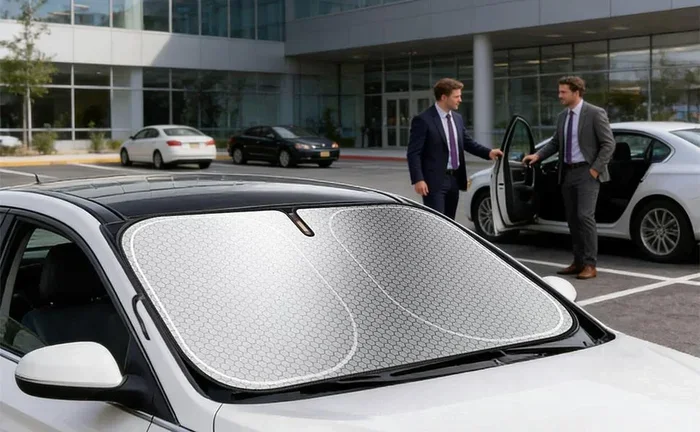
Some people believe that a new car with tinted windows or a sunshade will keep temperatures low enough to be safe. While these features help, they do not eliminate the risk. A car with tinted windows can still reach 140 degrees Fahrenheit or more on a hot day. A sunshade reduces heat on the dashboard but does little for the trunk or the back seat.
Do not let a false sense of security lead you to take shortcuts with firearm storage.
Myth 4: Only Summer Heat Is a Concern
People often think this is only a summer problem. But even on a mild 70-degree day, a car sitting in direct sunlight can reach over 100 degrees inside. In the winter, a car sitting in the sun can still get surprisingly warm. Heat is a year-round concern for ammunition storage.
Always store your firearms and ammunition properly, regardless of the season.
What Gun Owners Should Know About Heat and Firearms
Being a responsible gun owner means understanding all the risks, including those posed by extreme heat. Here is what every firearm owner should keep in mind when it comes to gun heat and vehicle storage.
Know Your State Laws
Firearm storage laws vary widely from state to state. Some states require that firearms be stored in a locked container when transported in a vehicle. Others have specific rules about ammunition storage. A few states have strict requirements about keeping firearms away from children.
Before you store a gun in your car, take five minutes to research your local laws. You can usually find this information on your state government website or by consulting with a local firearms dealer. Ignorance of the law is not a defense, and penalties can include fines, confiscation of your firearm, or even criminal charges.
Educate Your Family
If you have children or teenagers in your home, make sure they understand firearm safety. Teach them that guns are not toys. Explain why ammunition should never be handled without adult supervision. Make sure they know that a hot car is not a safe place for any firearm or ammunition.
Many organizations offer free firearm safety courses for families. Taking a course together can be a great way to build good habits and open communication about gun safety.
Inspect Your Ammunition Regularly
Over time, ammunition can degrade. Primer compounds can become more sensitive as they age. Casings can develop tiny cracks that make them more prone to rupture under pressure. If you notice any signs of corrosion, discoloration, or damage on your rounds, dispose of them properly at a local shooting range or through a hazardous waste program.
Regular inspection is a simple habit that can prevent a lot of problems. It is part of being a responsible gun owner.
Use Common Sense Every Day
At the end of the day, common sense is your best tool for preventing heat-related firearm accidents. If it is hot outside, do not leave your gun or ammo in the car. If you must transport them, use proper storage. If you are unsure about something, ask a knowledgeable professional or contact your local law enforcement agency for guidance.
Simple habits like these can save lives and prevent tragedies that are entirely avoidable.
Conclusion
The answer to the question “can bullets go off in a hot car” is a clear yes. Heat can cause the primer compound in a cartridge to ignite, leading to a dangerous cook-off. While it does not happen every day, the risk is real and the consequences can be severe.
The good news is that prevention is simple. Use a lockable case, separate your ammunition from your firearm, and never leave either one in direct sunlight inside a vehicle. Follow the laws in your state, educate your family, and inspect your ammunition regularly.
Being a responsible gun owner means thinking about every possible risk, including the ones that are easy to overlook. Taking a few minutes to store your firearms properly can protect your family, your vehicle, and your peace of mind. Stay safe, stay informed, and make firearm safety a priority every single day.
Frequently Asked Questions
Can a bullet go off in a hot car without the gun being fired?
Yes, a bullet can cook off from extreme heat alone. The primer compound in the cartridge can ignite when exposed to temperatures above 300 degrees Fahrenheit, causing the round to discharge even without a firing pin.
What temperature does a car interior reach on a hot day?
On a 90-degree day, a car interior can reach 130 to 170 degrees Fahrenheit within an hour. Dark-colored cars and direct sunlight make temperatures climb even higher, increasing the risk to stored ammunition.
Is it illegal to leave a gun in a hot car?
Laws vary by state. Many states have specific requirements for firearm storage in vehicles. Some require locked containers, while others prohibit leaving firearms accessible to children. Always check your local regulations.
What is the best way to store a firearm in a car?
The safest method is to use a lockable hard-shell gun case stored in the trunk or behind the rear seats. Keep ammunition in a separate locked container. Never leave a loaded firearm in plain sight.
Can old ammunition be more dangerous in heat?
Yes, aged or degraded ammunition can be more unstable. Old primers may become more sensitive to heat, making them more likely to cook off at lower temperatures than fresh rounds.
What should I do if a round discharges in my car?
Stop the car safely and turn off the engine if it is safe to do so. Do not touch the firearm or the damaged round. Ventilate the car if you smell gunpowder, and inspect for injuries or damage. Contact emergency services if needed.