Can I Drive My Car If It Says Check Hybrid System
The check hybrid system warning can be unsettling, but it doesn’t always mean you must stop driving. This guide explains whether it’s safe to keep going, what triggers the light, and the steps to take to protect your hybrid vehicle. You’ll find clear answers and practical tips to avoid costly repairs.
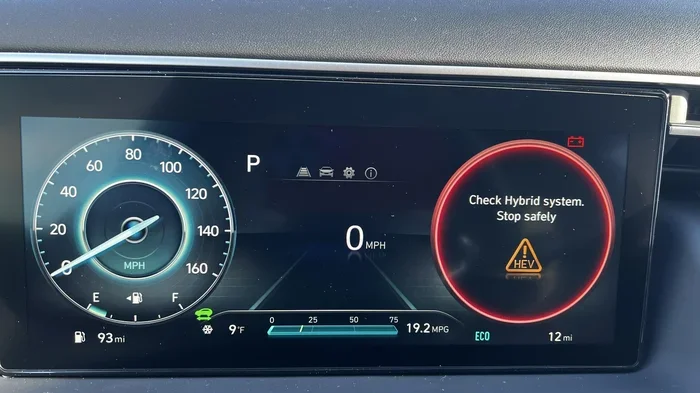
You’re cruising along, and suddenly your dashboard flashes a message: Check Hybrid System. Your heart sinks. Can I drive my car if it says check hybrid system? The short answer is: it depends. In many cases, you can limp to a safe spot or a nearby shop, but some situations demand an immediate stop. This guide walks you through exactly what that warning means, when it’s safe to keep moving, and the steps you should take right away.
The hybrid system warning is one of the most confusing dashboard indicators for drivers. Unlike a simple low-fuel light, this message touches the complex interplay between the electric motor and the gasoline engine. Understanding it can save you from a breakdown, protect your wallet, and keep you safe on the road. Let’s break it down piece by piece.
Key Takeaways
- You can often drive short distances if the warning is the only issue, but stop immediately if you lose power or hear strange noises.
- Common causes include a faulty hybrid battery, sensor glitch, or cooling system problem that needs professional diagnosis.
- Never ignore the warning light—continuing to drive with a serious fault can damage the hybrid powertrain and raise repair costs.
- Immediate actions: pull over safely, check for other warning lights, and call for help if needed.
- Repair costs vary widely from a simple sensor reset to a several-hundred-dollar battery replacement.
- Regular maintenance and gentle driving can prevent many hybrid system warnings.
📑 Table of Contents
What Does the “Check Hybrid System” Warning Mean?
Understanding Your Hybrid Dashboard
Your hybrid car has a dashboard indicator that lights up when the onboard computer detects a fault in the hybrid powertrain. The message might appear as text, a warning light shaped like a car with an exclamation point, or a hybrid-specific symbol. The on-board diagnostic system constantly monitors the electric motor, the high-voltage battery, the inverter, and the gasoline engine. When something falls outside normal parameters, it triggers the alert.
Think of it like a check engine light, but more specific. The car is saying, “Hey, I’ve spotted an issue in my hybrid system. Please pay attention.” It doesn’t always mean the car is about to die, but it does mean a component needs attention. The warning light can range from a minor sensor hiccup to a serious fault that affects driveability.
Common Triggers for the Warning
Several things can set off the hybrid system warning. Here are the most frequent culprits:
- Hybrid battery degradation – Over time, the high-voltage battery loses capacity or develops weak cells.
- Sensor malfunction – A faulty temperature sensor, voltage sensor, or position sensor sends wrong data to the computer.
- Inverter failure – The inverter converts DC power from the battery to AC for the electric motor. When it fails, the system shuts down.
- Cooling system issues – The hybrid system generates heat. If the coolant level drops or a pump fails, the system overheats and warns you.
- Software glitch – Sometimes a simple software error triggers the light after a reboot or a minor electrical spike.
- Transmission fluid problems – Low or contaminated fluid can affect the power-split device in many hybrids.
Quick Tips
- Don’t panic. The light is a warning, not a death sentence. Take a breath and assess the situation.
- Check for other warning lights. If the red oil pressure light or the battery temperature light also appears, stop immediately.
- Note when the light appeared. Did it come on suddenly while driving, or did you see it when you started the car? This detail helps mechanics diagnose the issue.
Common Mistakes
Many drivers make the mistake of ignoring the hybrid system warning because the car still runs. Others assume it’s a false alarm and keep driving for weeks. Both approaches can backfire. Ignoring a real fault can lead to complete hybrid system failure, leaving you stranded. Assuming it’s always a glitch means you might miss a small problem that becomes a big, expensive repair.
Another common error is trying to reset the light by disconnecting the battery without fixing the root cause. The on-board diagnostic system will simply turn the light back on once it detects the fault again. Always address the underlying issue.
Can You Still Drive Your Car Safely?
The big question is whether you can keep driving when the check hybrid system message appears. The answer depends on how the car is behaving and what other symptoms you notice. Let’s look at the two main scenarios.
When It’s Safe to Keep Driving
In some cases, you can drive a short distance—usually to the nearest safe pull-off or a nearby repair shop. You’re in the clear if:
- The car starts and runs normally.
- You have full power from both the electric motor and the gasoline engine.
- No other warning lights are on.
- The message appeared once and then stayed steady, not flashing.
- You’re on a familiar route with easy access to a service center.
Even then, drive gently. Avoid heavy acceleration and high speeds. The hybrid system may be in a reduced power mode to protect itself. Treat it like a “limp home” situation—get it checked as soon as possible.
When You Must Stop Immediately
You should pull over and turn off the engine right away if you notice any of these red flags:
- Loss of propulsion. The car won’t move or moves only on the gasoline engine with no electric assist.
- Strange noises. Grinding, whining, or buzzing sounds from the drivetrain or under the car.
- Burning smell. This could indicate overheating electrical components or leaking coolant.
- Flashing warning light. A flashing light often signals a severe fault that needs immediate attention.
- Multiple warning lights. If the check engine light, oil light, or battery light also comes on, don’t risk it.
In these situations, continuing to drive can cause catastrophic damage to the hybrid powertrain. Call for roadside assistance if needed.
Expert Insights
Experienced hybrid mechanics often use the term “driveability assessment” when deciding whether a car with a hybrid system warning can be driven. They look at the diagnostic trouble codes stored in the on-board diagnostic system. A code pointing to a minor sensor issue might allow a short drive, while a code indicating an inverter fault means the car should be towed. Always let the diagnostic data guide your decision.
| Scenario | Safe to Drive? | What to Do |
|---|---|---|
| Steady warning light, full power, no other lights | Yes, carefully | Drive slowly to a service center within 10–20 miles. |
| Flashing light, power loss, or strange noises | No | Pull over safely, turn off the engine, and call for help. |
| Light appeared after a software update | Yes, but monitor closely | Drive to a dealer or mechanic for a system reset and check. |
| Light with check engine light on | No | Stop and have the car towed to a qualified shop. |
Top Causes of the Hybrid System Warning
Knowing what triggers the check hybrid system message helps you understand the severity. Here are the top causes, ranked from most common to least common.
Battery and Electric Motor Problems
The hybrid battery is the heart of the system. Over time, battery cells can degrade, leading to reduced capacity or internal faults. When the battery management system detects a weak cell or a voltage imbalance, it illuminates the warning. You might also notice reduced fuel economy or the car running more on the gasoline engine than usual.
Electric motor issues are less common but more serious. A failing motor can produce unusual sounds and lose torque. If the electric motor windings short out, the inverter may shut down the entire hybrid system to prevent further damage.
Sensor and Software Glitches
Modern hybrids rely on dozens of sensors. A faulty temperature sensor, a corroded connector, or a loose ground wire can send incorrect data to the hybrid control module. The computer then assumes a fault and triggers the warning. Software glitches can happen after a battery disconnect, a jump-start, or an incomplete update. These are usually the least expensive to fix.
Cooling System and Overheating
The hybrid system generates a lot of heat, especially during regenerative braking or fast acceleration. The cooling system keeps temperatures in check. If the coolant level drops, the water pump fails, or a radiator fan stops working, the system can overheat. The warning light comes on as a protective measure. Ignoring it can lead to permanent damage to the battery and power electronics.
Key Takeaways
- Battery and sensor issues are the most common reasons for the hybrid warning.
- Overheating is a serious cause that requires immediate attention.
- Software glitches are the easiest and cheapest to resolve.
Common Mistakes
One frequent mistake is assuming the hybrid battery is always the problem. In many cases, it’s just a sensor or a wiring harness issue. Another mistake is adding regular coolant to the hybrid cooling system without checking the specifications. Hybrid systems often use a specific type of coolant, and using the wrong one can cause corrosion and further damage.
Step-by-Step: What to Do When the Light Appears
When the check hybrid system message pops up, follow these steps to stay safe and avoid making things worse.
Immediate Actions to Take
- Stay calm and assess your surroundings. If you’re on a highway, move to the right lane or exit safely.
- Check for other warning lights. Look at the instrument cluster. Are there red lights (oil pressure, battery, brake) or just the yellow/amber hybrid warning?
- Listen and feel. Does the car sound normal? Is the steering heavy? Do the brakes feel right?
- Reduce speed gently. Avoid sudden stops or hard acceleration. The car may be in a protective mode that limits power.
- Find a safe place to stop. Pull into a parking lot, gas station, or roadside rest area.
Diagnostic Steps and Professional Help
Once you’re safely parked, you have a few options:
- Turn the car off and restart it. Sometimes a simple reboot clears a temporary software glitch. If the light goes away and stays off, you can drive cautiously to a service center.
- Use an OBD-II scanner. If you have a diagnostic tool, plug it in and read the trouble codes. The codes will tell you whether it’s a battery issue, an inverter fault, or a sensor problem. This information helps the mechanic give you an accurate estimate.
- Call a certified mechanic or roadside assistance. If the light stays on or you have any doubt, get professional help. Many shops offer free or low-cost diagnostic checks for hybrid systems.
Quick Tips
- Keep your owner’s manual handy. It often has a section on warning lights and recommended actions specific to your model.
- Don’t try to open the high-voltage battery yourself. The orange cables and high voltage can be dangerous. Leave it to trained professionals.
- Document the symptoms. Note when the light appeared, what you were doing, and any other odd behavior. This helps the mechanic diagnose faster.
Expert Insights
Many hybrid specialists recommend keeping a basic emergency kit in your car: a flashlight, a phone charger, and a note with your roadside assistance number. If the hybrid system warning appears at night or in an unsafe location, having these items can make a big difference. Also, some manufacturers have a hybrid system reset procedure that can clear the light after a repair. Always have a professional perform this reset to ensure the fault is truly resolved.
Repair Costs and What to Expect
The cost to fix a hybrid system warning varies widely depending on the root cause. Let’s look at typical repairs and their price ranges.
Typical Hybrid System Repairs and Costs
| Repair | Estimated Cost Range | Severity |
|---|---|---|
| Sensor replacement or reconnection | $50–$200 | Low |
| $0–$100 (often free at dealer) | Low | |
| Coolant system repair (pump, hoses, radiator fan) | $150–$500 | Medium |
| Inverter repair or replacement | $800–$2,500 | High |
| Hybrid battery replacement | $1,500–$4,000+ | High |
| Transmission service or repair | $300–$1,200 | Medium |
DIY Fixes vs. Professional Service
Some minor issues, like a loose sensor connector or a low coolant level, can be addressed with basic tools and a bit of know-how. However, working on the high-voltage components of a hybrid system is extremely dangerous and should only be done by a trained technician with the right equipment. Even a simple battery reset often requires a dealer-level diagnostic tool to clear the codes properly.
If you’re handy with cars, you can check the obvious things yourself: look under the hood for disconnected wires, check the coolant reservoir level, and inspect the battery terminals for corrosion. But for anything involving the hybrid powertrain, trust a certified mechanic. They have the training and the OBD-II scanner that can read hybrid-specific codes.
Expert Insights
Experienced hybrid technicians often say that the most expensive repairs come from delaying the diagnosis. A small sensor issue that costs $100 to fix can turn into a $2,000 inverter replacement if the car is driven with the warning light on for weeks. Early intervention saves money and keeps your hybrid vehicle running smoothly for years.
Preventing Future Hybrid System Warnings
Prevention is always better than cure, and the same applies to your hybrid system. A few simple habits can reduce the chances of seeing that dreaded check hybrid system message.
Regular Maintenance Checklist
- Follow the manufacturer’s service schedule. Hybrid-specific maintenance items include checking the cooling system, inspecting the battery cooling fan, and testing the hybrid battery capacity.
- Use the recommended coolant and fluids. Wrong fluids can cause corrosion and overheating in the hybrid system.
- Keep the battery connections clean. Corrosion on the high-voltage terminals can cause intermittent faults.
- Check for software updates. Some manufacturers release updates that address known issues with the hybrid control module.
- Listen to your car. Unusual sounds, reduced power, or changes in fuel economy are early signs that something is off.
Driving Habits That Protect Your Hybrid
How you drive affects the health of the hybrid system. Gentle acceleration and smooth braking reduce stress on the electric motor and the battery. Avoiding deep discharges—letting the battery get very low—helps prolong its life. If you do a lot of short trips, the battery may not get a chance to fully recharge, which can lead to premature degradation over time.
Key Takeaways
- Stick to the maintenance schedule and use the right fluids.
- Drive smoothly to reduce wear on the electric motor and battery.
- Address small issues early before they become big, expensive repairs.
Common Mistakes
One mistake drivers make is neglecting the 12-volt auxiliary battery. The hybrid system relies on a small 12V battery to power the computers and sensors. If that battery is weak, the hybrid system may not start properly and trigger the warning light. Another mistake is ignoring the “ready” light when starting the car. If the car doesn’t show the ready light within a few seconds, it could indicate a problem with the hybrid system startup sequence.
Some owners also make the error of modifying the hybrid system with aftermarket components. Adding a high-power audio system or aftermarket electronics can interfere with the delicate voltage regulation of the hybrid battery and cause persistent warnings. Always consult a dealer or a hybrid specialist before adding electrical accessories.
Conclusion
So, can I drive my car if it says check hybrid system? The answer is nuanced, but armed with the right knowledge, you can make a smart decision. In many cases, you can drive a short distance carefully to get the car inspected. But if you notice power loss, strange noises, or multiple warning lights, stop and seek help immediately. The hybrid system warning is your car’s way of asking for attention, and responding quickly is the best thing you can do for both your safety and your wallet.
Regular maintenance, gentle driving, and a basic understanding of your hybrid’s dashboard indicators go a long way in preventing unexpected breakdowns. Don’t let the warning light scare you—let it guide you toward the right action. Keep your hybrid vehicle in top shape, and it will keep you moving reliably for many miles to come.
Frequently Asked Questions
Is it safe to drive my hybrid car with the check hybrid system light on?
It can be safe if the light is steady and the car has full power with no other warning lights. However, you should drive cautiously and get the car checked as soon as possible. If the light is flashing or you notice power loss, stop immediately and call for assistance.
What causes the check hybrid system warning to come on?
Common causes include a degraded hybrid battery, a faulty sensor, an inverter problem, cooling system failure, or a software glitch. A mechanic can read the diagnostic trouble codes to pinpoint the exact cause.
How much does it cost to fix a check hybrid system warning?
Costs range from around $50 for a simple sensor fix to over $4,000 for a hybrid battery replacement. The final cost depends on the specific fault, your car model, and whether you choose a dealer or an independent shop.
Can I reset the check hybrid system light myself?
You can try turning the car off and back on, which may clear a temporary software glitch. However, if the underlying problem isn’t fixed, the light will return. A professional mechanic should diagnose and repair the issue before resetting the light.
How far can I drive with the check hybrid system light on?
In safe conditions, you might drive 10–20 miles to the nearest repair shop. Always drive gently and avoid highway speeds. If the car loses power or makes unusual noises, pull over and call for a tow.
Will the check hybrid system light affect my car’s warranty?
The light itself doesn’t void the warranty, but ignoring it and continuing to drive with a known fault can. Most warranties require timely diagnosis and repair. If the damage worsens due to neglect, the manufacturer may deny the claim for certain components.