Can I Drive a Car Without Plates on Public Roads Today
Driving a car without plates on public roads is generally illegal and can result in fines, points on your license, or even vehicle impoundment. However, there are a few legitimate exceptions like temporary tags, dealer plates, and new vehicle grace periods. This guide breaks down every rule, penalty, and workaround so you stay road legal and avoid trouble.
Key Takeaways
- Driving without plates is illegal on public roads in most states and can lead to serious penalties.
- Temporary tags and dealer plates offer legal short-term alternatives for new or unregistered vehicles.
- Penalties include fines, license points, and possible vehicle impoundment depending on your state.
- New cars have a grace period that allows you to drive without permanent plates for a limited time.
- Classic and antique vehicles may qualify for special plate exemptions in certain states.
- Getting plates is fast through the DMV, online portals, or expedited services.
- Always carry proof of registration even if your plates are temporarily missing.
📑 Table of Contents
- Can I Drive a Car Without Plates on Public Roads?
- What Are License Plates and Why Do They Matter?
- The Legal Requirements for Plates on Public Roads
- Situations Where You Can Legally Drive Without Plates
- Penalties for Driving Without Plates
- How to Get Your Plates Fast
- Common Myths About Driving Without Plates
- Final Thoughts on Driving Without Plates
Can I Drive a Car Without Plates on Public Roads?
You just bought a car. The dealer hands you the keys and says, “You’re good to go.” But then you look down. No plates. Not even a temporary tag hanging in the back window. Your heart drops. Can I drive a car without plates and stay out of trouble?
The short answer is no — not on public roads. In nearly every state, driving without license plates is a violation of traffic law. But the full picture is more nuanced than you might think. There are exceptions, grace periods, and specific situations where you can legally be plate-free for a short time.
This article covers everything you need to know. We’ll walk through the legal requirements, the penalties you could face, the rare exceptions that let you drive without plates, and how to get your plates sorted quickly. Whether you just bought a car, lost your plates, or are dealing with expired tags, this guide has you covered.
Let’s dive in and make sure you stay road legal and avoid unnecessary headaches.
What Are License Plates and Why Do They Matter?
The Purpose of License Plates
License plates are more than just metal pieces bolted to your car. They serve as a unique identifier for every registered vehicle on the road. Think of them as a license to operate your car legally in public spaces.
Every plate carries a combination of letters and numbers that links your vehicle directly to its registration. This connection helps authorities track stolen cars, identify vehicles involved in accidents, and enforce traffic laws.
Without plates, your car is essentially invisible to the system. It becomes much harder to prove that the vehicle is legally registered or insured. That is exactly why driving without plates raises red flags with law enforcement.
How Plates Help Authorities and Other Drivers
License plates play a huge role in road safety. Traffic cameras use plates to monitor violations like running red lights or speeding. Police officers rely on plates to identify vehicles during traffic stops or after accidents.
Other drivers also benefit. If you leave the scene of a fender bender, your plate number helps the other driver report you. Plates also make it easier to identify reckless drivers and hold them accountable.
Beyond safety, plates support vehicle registration renewal and insurance verification. They tie your car to your personal records, which is essential for legal operation on public roads.
The Legal Requirements for Plates on Public Roads
Federal and State Driving Laws
There is no single federal law that requires license plates on all vehicles. Instead, plate requirements are set at the state level. This means the rules can vary quite a bit depending on where you live.
That said, every single state in the U.S. requires some form of plate display for vehicles driven on public roads. Some states require plates on both the front and rear. Others only require a rear plate. But the core rule remains the same: your vehicle must display valid plates while on public streets, highways, and roads.
Here are the general legal requirements across most states:
- Front and rear plates must be displayed and clearly visible.
- Registration stickers must be current and placed in the correct position.
- Temporary tags must be hung in the rear window if permanent plates are not yet issued.
- Expired plates are treated the same as no plates in many jurisdictions.
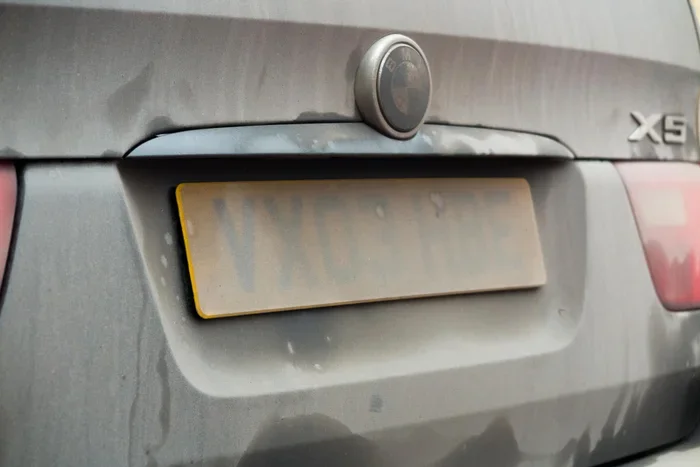
- Plates must be legible — no dirt, damage, or covers that obscure the numbers or letters.
Registration and Insurance Basics
Before you even think about plates, you need to understand how vehicle registration and car insurance tie into the picture. You cannot get plates without first registering your vehicle. And you cannot register without proof of insurance.
This is a three-step process that every car owner must complete:
- Purchase car insurance that meets your state’s minimum requirements.
- Register the vehicle with your state’s DMV or equivalent agency.
- Receive your plates and display them properly on the vehicle.
Skipping any of these steps can result in serious consequences. Always make sure your registration is current and your insurance policy is active before driving on public roads.
Situations Where You Can Legally Drive Without Plates
Here is where things get interesting. While the general rule is clear, there are a few legitimate exceptions where you can drive without permanent plates for a limited time.
Temporary Tags and Dealer Plates
When you buy a new car from a dealership, they often provide temporary registration tags. These are paper or cardboard tags that hang from your rear window. They are legally valid for a short period — usually 15 to 30 days, depending on the state.
Dealer plates work similarly. These are plates owned by the dealership and placed on vehicles for test drives or short transport. They are not a permanent solution, but they are fully legal within the time limits set by your state.
Make sure your temporary tag is visible and not expired. An expired temporary tag is treated the same as no plate at all.
New Vehicle Grace Periods
Many states offer a grace period after you purchase a new vehicle. During this window, you can drive without permanent plates as long as you have proof of purchase and a valid temporary tag.
Grace periods vary widely:
- California allows 90 days for new residents to register their vehicles.
- Texas provides a 30-day grace period after purchase.
- New York requires plates within 30 days of registration.
- Florida gives new residents 10 days to get plates.
Always check your state’s specific rules. Driving past your grace period without plates can still result in a citation.
Classic and Antique Cars
Some states offer special treatment for classic cars and antique vehicles. These are typically vehicles that are 25 years or older and used for exhibitions, shows, or occasional pleasure driving.
In these cases, you may qualify for a special antique plate or even a plate exemption for limited driving. However, this usually means you cannot use the vehicle for daily commuting or regular errands.
If you own a classic car, look into your state’s vintage vehicle registration program. It can save you money and give you more flexibility — but only if you follow the rules.
Vehicles Under Restoration
If you are restoring a car that is not yet road legal, you may not need plates — but only if the vehicle stays off public roads. Some states issue restoration permits that allow limited movement of unregistered vehicles for purposes like transporting the car to a mechanic or car show.
These permits come with strict conditions. You typically cannot drive a non-registered vehicle to the grocery store or on daily commutes. The permit is for transport and restoration purposes only.
Penalties for Driving Without Plates
Fines and Fees You Could Face
Getting caught driving without plates can cost you money — and a lot of it. Penalties vary by state, but most jurisdictions treat this as a traffic violation that carries a fine.
Typical fines for driving without plates include:
- First offense: $50 to $250 in most states.
- Repeat offense: Fines can double or triple.
- Additional fees: Court costs, processing fees, and administrative charges can add up fast.
Some states also impose surcharges that go beyond the base fine. These can make a simple plate violation surprisingly expensive.
Points on Your License
In many states, driving without plates adds points to your driving record. Accumulating too many points can lead to higher insurance premiums, license suspension, or even mandatory traffic school.
Here is what you should know about points:
- 2 to 3 points are common for expired or missing plates.
- Points stay on your record for 2 to 3 years in most states.
- Insurance companies check your driving record regularly.
Even one violation can increase your car insurance rates. It is simply not worth the risk.
Vehicle Impoundment Risks
In severe cases — especially for repeat offenders — your vehicle can be impounded or towed. This means you not only face fines but also pay towing and storage fees that can quickly reach hundreds of dollars.
Some states also have mandatory impoundment laws for vehicles driven without registration or plates. Always make sure your plates are current and properly displayed to avoid this outcome.
How to Get Your Plates Fast
Visiting the DMV
The most traditional way to get plates is by visiting your local Department of Motor Vehicles (DMV) office. You will need to bring proof of insurance, your vehicle title, a valid ID, and payment for the registration fee.
Here are some tips to make the DMV visit smoother:
- Check your state’s DMV website for required documents before you go.
- Make an appointment online to avoid long wait times.
- Bring payment — most offices accept cash, credit, or debit.
- Double-check your plate fees so there are no surprises.
Online Renewal Options
If you already have plates and just need to renew, most states now offer online renewal through their DMV portal. This is the fastest and easiest way to keep your plates current.
You can usually renew your plates online if:
- Your current plates are not expired by more than 6 months.
- You have no outstanding tickets or violations.
- Your insurance is active and on file with the state.
Expedited Services
Need plates fast? Many states offer expedited plate services for an additional fee. Some DMV offices can issue plates on the same day if you pay the rush fee.
You can also check if your state offers mobile DMV services or pop-up registration events. These can save you a trip and get your plates in hand quickly.
Common Myths About Driving Without Plates
Myth vs. Reality
There are a lot of misconceptions about driving without plates. Let us clear up a few of the most common ones.
Myth 1: You can drive a new car home without plates. Reality: You can only do this if the dealership gave you a valid temporary tag. Without it, you are breaking the law.
Myth 2: Plates only need to be on the back. Reality: Many states require plates on both the front and rear. Check your local laws to be sure.
Myth 3: Expired plates are okay for a few weeks. Reality: An expired plate is treated the same as no plate. You can still get pulled over and cited.
Myth 4: Insurance covers you even without plates. Reality: Insurance does not protect you from license plate violations. You still need valid plates to drive legally.
What Experts Say
Traffic safety experts and law enforcement officials consistently emphasize one message: always keep your plates current and visible. The reasons are simple — plates help identify vehicles, support insurance claims, and keep roads safe for everyone.
According to the National Highway Traffic Safety Administration (NHTSA), vehicle identification through license plates is a cornerstone of traffic enforcement and accident investigation. Skipping this step puts you and others at risk.
Even police officers who regularly handle traffic stops agree — plates matter. They are the first thing officers check during a routine stop. Missing plates can turn a simple drive into a costly legal issue.
Final Thoughts on Driving Without Plates
The bottom line is clear: you should not drive a car without plates on public roads. The risks far outweigh any convenience. Fines, license points, vehicle impoundment, and higher insurance costs are all real consequences of ignoring plate requirements.
That said, there are a few legal exceptions — temporary tags, dealer plates, and new vehicle grace periods — that give you a short window of flexibility. Use them wisely and always make sure they are current and visible.
If you find yourself without plates, the best move is to act fast. Visit your local DMV, use online renewal options, or look into expedited services. Getting your plates sorted quickly keeps you legal and keeps you driving with confidence.
Stay informed, stay compliant, and always keep your license plates where they belong — on your car.
Frequently Asked Questions
Can I drive a newly purchased car home without plates?
Yes, but only if the dealership provides you with a valid temporary tag or dealer plate. Without any form of legal tag, driving the car off the lot is considered a traffic violation in most states.
How long can I drive with temporary tags?
Temporary tags are typically valid for 15 to 30 days, depending on your state. Always check the expiration date and make sure you have permanent plates before the tag expires.
What happens if I get pulled over without plates?
You can be issued a citation that includes a fine, points on your license, and possibly a requirement to appear in court. Repeat offenses may lead to vehicle impoundment or license suspension.
Do I need plates on both the front and back of my car?
This depends on your state. Some states require front and rear plates, while others only require a rear plate. Check your local DMV regulations to know the exact rules for your area.
Can I renew my plates online?
Most states offer online plate renewal through their DMV portal. You typically need a current registration, active insurance, and no outstanding violations to qualify for online renewal.
Are there any cars that are exempt from needing plates?
Some states exempt certain antique or classic vehicles from standard plate requirements, but only for limited use such as shows and exhibitions. Daily driving usually still requires valid plates even for vintage cars.
=== CONCLUSION ===
Can I drive a car without plates on public roads? The answer is a firm no — with a few narrow exceptions. License plates are a fundamental part of vehicle registration and road safety. They help authorities identify vehicles, enforce traffic laws, and keep insurance claims manageable.
If you find yourself without plates, do not take chances. Use temporary tags if they are valid, visit your local DMV, or explore online renewal options. The cost and hassle of getting caught driving without plates are simply not worth it.
Stay proactive about your vehicle registration, keep your registration stickers current, and always display your plates properly. A few small steps can save you from serious legal trouble and keep you safe on every road you travel.