How to Choose the Perfect Car Bumper Corner Protector
Choosing the right car bumper corner protector keeps your vehicle safe from scratches, dents, and costly repairs. This guide walks you through materials, types, installation, and top picks so you can make a confident decision. Whether you drive a sedan, SUV, or truck, finding the perfect bumper corner protector is easier than you think.
Every driver knows the sinking feeling. You hear a small crunch in the parking lot, and your heart drops. You walk over and see a fresh scratch or dent on your bumper corner. It happens to the best of us. A car bumper corner protector is one of the simplest and most effective ways to prevent this kind of damage. These small but mighty accessories shield the vulnerable edges of your bumper from impacts, scrapes, and everyday wear. In this guide, we will walk you through everything you need to know about choosing the perfect protector for your vehicle.
Whether you are a new car owner or have been driving for years, bumper corner protectors are a smart investment. They are affordable, easy to install, and they can save you from expensive body shop visits. But not all protectors are created equal. Material, design, and fit all play a role in how well they work. Let us dive into the details so you can make the best choice for your car.
Key Takeaways
- Material matters: Rubber, TPU, and ABS plastic each offer different levels of durability and flexibility for bumper corner protection.
- Proper fit is critical: A mismatched protector won’t look right and may not provide adequate coverage.
- Installation is simple: Most bumper corner protectors use adhesive or clip-on designs that anyone can install at home.
- Cost savings add up: Preventing bumper damage can save hundreds of dollars in repair costs over the life of your vehicle.
- Both front and rear bumpers benefit: Corner protectors work on all bumper ends, not just the front.
- Weather resistance varies: Choose materials rated for UV, heat, and cold if you face harsh conditions.
📑 Table of Contents
- What Is a Car Bumper Corner Protector?
- Why You Need a Bumper Corner Protector
- Types of Car Bumper Corner Protectors
- Materials Compared: Which Is Right for You?
- How to Choose the Perfect Bumper Corner Protector
- Installation Tips and Common Mistakes
- Top Brands and Where to Buy
- How Much Does a Bumper Corner Protector Cost?
- Frequently Asked Questions
- Conclusion
What Is a Car Bumper Corner Protector?
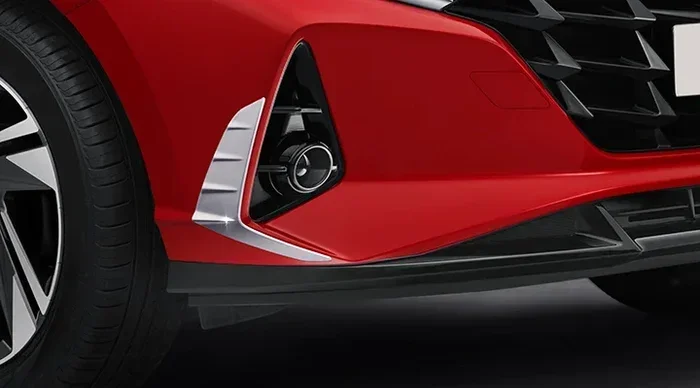
A car bumper corner protector is a small accessory that attaches to the outer edges of your vehicle’s bumper. These corners are the most vulnerable parts of your bumper. They take the hardest hits during parking, low-speed collisions, and even daily driving over curbs. The protector acts as a buffer between your bumper and the outside world.
Most bumper corner protectors are made from rubber, thermoplastic polyurethane (TPU), or ABS plastic. Each material has its own strengths. Rubber is soft and flexible, making it great for absorbing light impacts. TPU offers a balance of hardness and elasticity, so it handles moderate bumps well. ABS plastic is rigid and durable, which makes it ideal for heavy-duty protection.
These protectors also come in different styles. Some are adhesive-backed, meaning you stick them directly onto the bumper. Others use clips or screws for a more permanent hold. There are even universal-fit options and vehicle-specific designs. The variety can feel overwhelming at first, but we will break it all down for you.
Why You Need a Bumper Corner Protector
You might wonder if a bumper corner protector is really worth it. The answer is yes, and here is why. The corners of your bumper are the first points of contact in most low-speed accidents. Parking lot dings, curb scrapes, and shopping cart impacts all target these areas. Without protection, even a minor hit can cause paint damage, cracks, or dents.
Bumper repair costs add up fast. A small dent repair can run anywhere from $150 to $500 depending on your vehicle. A full bumper replacement can cost well over $1,000. A bumper corner protector is a fraction of that cost and can prevent these expenses entirely. Think of it as insurance for your bumper’s most vulnerable spots.
Beyond the financial benefits, protectors also preserve your car’s resale value. A clean, undamaged bumper looks much better than one covered in scratches and dents. If you ever plan to sell or trade in your vehicle, that extra care shows. Buyers notice a well-maintained exterior, and it can make a real difference in your offer price.
Who Benefits Most from Bumper Corner Protectors?
Almost every driver can benefit, but certain situations make protectors especially valuable. If you park in tight spaces daily, a protector is a must. City drivers who deal with crowded parking lots face more bumper risks than those with wide-open driveways. Similarly, if you have a larger vehicle like an SUV or truck, the bumper sits higher and is more prone to curb contact.
New car owners should also consider protectors from day one. Fresh paint is especially vulnerable to chips and scratches. Even if you have a paint protection film on your bumper, the corners can still take damage. Adding a bumper corner protector gives you an extra layer of defense.
Types of Car Bumper Corner Protectors
Not all protectors are the same. Understanding the different types helps you pick the right one for your needs. Let us look at the main categories.
Adhesive-Back Protectors
Adhesive bumper corner protectors are the most popular option. They come with a strong double-sided tape already attached. You simply clean the bumper surface, peel off the backing, and press the protector into place. These are easy to install and require no tools. Most adhesive protectors use 3M adhesive or similar high-quality bonding agents that hold up well over time.
The main advantage of adhesive protectors is their simplicity. They are a quick fix that anyone can do in minutes. However, they may not hold up as well in extreme weather. If you live in a place with very hot summers or freezing winters, the adhesive might weaken over time. Reapplication is usually straightforward, though.
Clip-On and Screw-On Protectors
Clip-on and screw-on protectors attach to existing bumper holes or mounting points. They feel more permanent and secure than adhesive options. Many OEM (original equipment manufacturer) bumpers have pre-drilled holes specifically for these protectors. You can also find aftermarket clip-on versions that work with most vehicle models.
These protectors tend to last longer than adhesive ones. They do not rely on glue, so heat and cold do not affect their hold. The trade-off is that installation takes a bit more effort. You may need basic tools like a screwdriver or Allen wrench. Some drivers prefer the professional look and feel of clip-on protectors.
Universal Fit vs. Vehicle-Specific Protectors
Universal fit protectors are designed to work with many vehicle models. They come in standard sizes and shapes that can be trimmed or adjusted to fit. These are great options if you want a quick, affordable solution. They are widely available and easy to find online or at auto parts stores.
Vehicle-specific protectors, on the other hand, are custom-designed for a particular make and model. They match the exact contour of your bumper for a seamless look. These protectors often come with pre-cut holes that align with your bumper’s existing mounting points. They cost a bit more but offer the best fit and finish.
Materials Compared: Which Is Right for You?
The material of your bumper corner protector determines how it looks, feels, and performs. Let us compare the three most common materials used in car bumper protection.
| Material | Durability | Flexibility | Weather Resistance | Price Range |
|---|---|---|---|---|
| Rubber | Good | High | Moderate | $5 – $15 per pair |
| TPU (Thermoplastic Polyurethane) | Very Good | High | Excellent | $10 – $25 per pair |
| ABS Plastic | Excellent | Low | Good | $8 – $20 per pair |
Rubber Protectors
Rubber is the softest and most flexible option. It absorbs light impacts very well and is gentle on other vehicles in parking situations. Rubber protectors are easy to install and usually the most budget-friendly. They work well for daily driving in mild weather conditions.
The downside of rubber is that it can degrade over time. UV exposure and extreme heat can cause rubber to crack or become brittle. If you live in a hot, sunny climate, you may need to replace rubber protectors more often. They also provide less protection against heavy impacts compared to harder materials.
TPU Protectors
TPU is widely regarded as the best all-around material for bumper corner protectors. It combines the flexibility of rubber with the durability of plastic. TPU is resistant to UV rays, heat, and cold, making it suitable for all-season use. It also has excellent shock absorption properties.
Many premium car bumper corner protector brands use TPU for this reason. The material does not yellow or crack easily, which means it looks good for longer. TPU protectors are a great choice if you want long-lasting performance without a high price tag.
ABS Plastic Protectors
ABS plastic is the hardest and most rigid option. It provides maximum protection against heavy impacts and sharp objects. ABS protectors are commonly used on off-road vehicles and trucks that face rough terrain regularly. They are also very resistant to chemicals and solvents.
The main drawback of ABS plastic is its lack of flexibility. It does not absorb impacts as well as rubber or TPU, so the force transfers more directly to the bumper. ABS protectors can also look less integrated on passenger cars. They work best on vehicles that already have a rugged or aggressive bumper style.
How to Choose the Perfect Bumper Corner Protector
Now that you understand the types and materials, let us talk about how to actually choose the right protector. Follow these steps to make a confident decision.
Step 1: Know Your Vehicle
Start by identifying your vehicle’s make, model, and year. This information is essential for finding the right fit. Look at your owner’s manual or check the sticker on the driver’s side door jamb. Once you know your vehicle details, you can search for protectors that are compatible with your specific bumper design.
Pay attention to the bumper shape as well. Some bumpers have a curved edge, while others are more angular. The protector needs to match the contour of your bumper for a clean look. If you are unsure, measure the bumper corner dimensions before purchasing.
Step 2: Decide on Material
Think about your driving environment when choosing a material. If you drive in a city with lots of parking, a flexible rubber or TPU protector is ideal. These absorb light bumps from parking curbs and other vehicles. If you drive off-road or in rough conditions, ABS plastic offers the toughest protection.
Consider the climate where you live, too. Hot and sunny? Choose a UV-resistant material like TPU. Cold and snowy? Make sure the protector stays flexible in freezing temperatures. A good bumper edge protector should handle whatever weather comes your way.
Step 3: Choose the Attachment Method
Adhesive protectors are the easiest to install and work well for most drivers. They are a great choice if you want a no-hassle solution. Clip-on protectors are more secure and ideal if you want a permanent installation. Screw-on options offer the strongest hold but require more effort and may leave visible holes in your bumper.
If you rent your car or plan to change vehicles frequently, adhesive protectors are the way to go. They are easy to remove and can be transferred to your next car. For a long-term solution, clip-on or screw-on protectors provide better durability.
Step 4: Check the Color and Finish
A protector that does not match your bumper can look out of place. Most protectors come in black, which works well with most bumper colors. However, some brands offer color-matched options that blend seamlessly with your vehicle’s paint. You can also find protectors with a chrome or chrome delete finish for a custom look.
If you want the most invisible appearance, go for a color-matched protector. These are painted to match your exact bumper color code. You can find your color code on the vehicle identification plate, usually located on the driver’s side door or in the glove box.
Installation Tips and Common Mistakes
Installing a bumper corner protector is a straightforward process, but a few mistakes can affect the result. Here is what you need to know.
Quick Tips for a Perfect Installation
- Clean the bumper surface thoroughly with rubbing alcohol before applying any protector. Oil, dirt, and wax prevent adhesive from bonding properly.
- Let the adhesive set for at least 24 hours before driving. This gives the bond time to fully cure and reach maximum strength.
- Use a heat gun or hair dryer to warm up the protector before installation if it is stiff. This makes it easier to conform to the bumper’s shape.
- Align the protector carefully before pressing it down. Most adhesive protectors cannot be repositioned once the tape makes contact.
- Check your owner’s manual for any bumper modifications that may void your warranty.
Common Mistakes to Avoid
The biggest mistake people make is skipping the surface preparation step. A dirty bumper surface is the number one reason protectors peel off prematurely. Take the time to clean and dry the area completely before applying any adhesive.
Another common error is choosing the wrong size protector. A protector that is too small will not cover the full bumper corner, leaving gaps where damage can still occur. A protector that is too large may overlap onto the bumper face and look awkward. Always double-check the dimensions against your bumper before ordering.
Some drivers also underestimate the importance of material quality. Cheap rubber protectors may look tempting, but they often crack and fall apart within a few months. Investing in a higher-quality bumper guard or corner trim pays off in the long run. Look for protectors from reputable brands with good customer reviews.
Expert Insights on Bumper Protection
According to automotive body repair professionals, the bumper corners are the most frequently damaged area on any vehicle. Many body shops report that corner damage accounts for a significant portion of their repair work. Installing a protector is one of the most cost-effective ways to reduce this risk.
Experts also recommend combining a bumper corner protector with other protective measures. A paint protection film applied to the bumper face adds another layer of defense. Parking sensors and backup cameras can help you avoid bumps in the first place. Together, these tools create a comprehensive protection strategy for your vehicle.
Top Brands and Where to Buy
When it comes to buying a car bumper corner protector, you have many options. Here are some reputable brands known for quality and durability.
- RokBlokz: Known for durable TPU protectors that fit well and look great.
- Moldie: Offers affordable universal-fit protectors with strong adhesive backing.
- Putco: Provides premium chrome and color-matched options for a custom look.
- Lund: Offers a wide range of bumper guards and protectors for trucks and SUVs.
- OEM Manufacturer Parts: Your dealership can order factory-style protectors designed specifically for your vehicle model.
You can find bumper corner protectors at auto parts stores, online marketplaces, and dealership parts departments. Shopping online gives you access to the widest selection and often the best prices. Just make sure to verify the fitment for your specific vehicle before purchasing.
How Much Does a Bumper Corner Protector Cost?
The cost of a bumper corner protector varies based on material, brand, and fit type. Adhesive rubber protectors are the most affordable, typically ranging from $5 to $15 for a pair. TPU protectors cost between $10 and $25, depending on the brand and quality. ABS plastic protectors and color-matched OEM parts can run $15 to $40 or more.
Compare this to the cost of bumper repairs, and the value is clear. Even a single minor bumper repair can cost more than a set of protectors. Over the life of your vehicle, a good bumper corner protector can save you hundreds of dollars in repair costs. It is one of the most affordable car accessories you can buy.
Frequently Asked Questions
Can I install a bumper corner protector myself?
Yes, most bumper corner protectors are designed for DIY installation. Adhesive protectors are especially easy and require no tools. Simply clean the bumper surface, peel the backing, and press the protector into place. Clip-on and screw-on protectors may need a basic screwdriver, but the process is still straightforward for most car owners.
Will a bumper corner protector affect my warranty?
Generally, bumper corner protectors do not void your vehicle warranty. However, it is always a good idea to check with your dealer before installing aftermarket accessories. If the protector causes damage during installation or interferes with bumper sensors, it could potentially affect warranty claims on related components.
How long do bumper corner protectors last?
The lifespan depends on the material and driving conditions. Rubber protectors typically last one to two years. TPU protectors can last three to five years with proper care. ABS plastic protectors are the most durable and can last five years or more. Regular cleaning and avoiding harsh chemicals will help extend the life of any protector.
Do bumper corner protectors work in all weather conditions?
Most quality protectors are designed to handle all weather conditions. TPU and ABS plastic protectors perform well in both extreme heat and freezing cold. Rubber protectors may become stiff in very cold temperatures but generally return to normal flexibility when the weather warms up. Always check the manufacturer’s specifications for temperature ratings.
Can I remove a bumper corner protector and reapply it?
Adhesive protectors can be removed, but the adhesive may lose some of its sticking power after removal. If you plan to reapply, you may need to use a new adhesive strip or automotive adhesive tape. Clip-on and screw-on protectors can be removed and reinstalled easily without any loss of function.
Are bumper corner protectors only for certain types of vehicles?
No, bumper corner protectors are available for virtually all vehicle types. Sedans, SUVs, trucks, and crossovers all have bumper corners that can benefit from protection. The key is finding a protector that fits your specific vehicle model. Universal-fit options work well for most cars, while vehicle-specific protectors offer the best appearance and performance.
Conclusion
A car bumper corner protector is one of the simplest and most worthwhile upgrades you can make to your vehicle. It protects your bumper from the most common types of damage, saves you money on repairs, and keeps your car looking great for years to come. With the right material, fit, and installation method, you can enjoy peace of mind every time you park or drive in tight spaces.
Take the time to choose a protector that matches your vehicle, your driving habits, and your budget. Whether you go with an adhesive rubber protector for quick and easy coverage or invest in a premium TPU protector for long-lasting durability, the benefits are clear. Your bumper corners take a beating every day, and a good protector is the best way to defend them. Start your search today and give your car the protection it deserves.