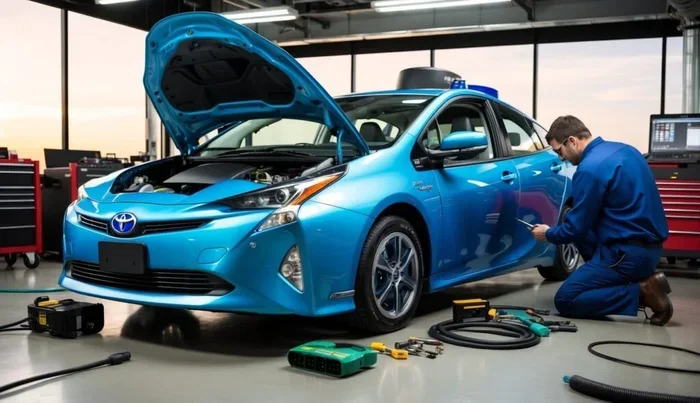
Are Prius Expensive to Maintain Compared to Other Cars
Are Prius expensive to maintain? The short answer is no. Toyota Prius vehicles have lower maintenance costs than most gas-powered cars thanks to regenerative braking, fewer brake replacements, and reliable hybrid systems. However, the hybrid battery replacement cost can be a big expense if it happens outside the warranty period. Overall, Prius maintenance costs are competitive and often lower than comparable sedans.
So, are Prius expensive to maintain compared to other cars? This is a question many car buyers ask before pulling the trigger on a Toyota hybrid. The truth is that the answer depends on several factors, including the model year, driving habits, and what type of maintenance you are comparing.
Toyota built the Prius to be a reliable, efficient daily driver. Over the years, it has earned a strong reputation for low ownership costs. But that does not mean every repair is cheap. Like any vehicle, the Prius has its share of unique parts and systems that need attention. In this guide, we break down the real numbers so you know exactly what to expect.
Whether you own a current model or are shopping for a used Prius, understanding the maintenance picture helps you make a smart decision. We will cover routine service costs, big-ticket repairs, insurance, and more. By the end, you will have a clear picture of how the Prius stacks up against the competition.
Key Takeaways
- Lower routine costs: Prius models save money on oil changes, brakes, and transmissions due to hybrid technology.
- Battery replacement is the big ticket item: A new hybrid battery can cost $2,000–$4,000, but it lasts 8–15 years.
- Regenerative braking extends brake life: Prius brake pads often last 100,000+ miles, far longer than in gas cars.
- Hybrid maintenance is not as scary as it sounds: Most repairs are similar to gas Toyota models.
- Insurance and fuel savings add up: Prius owners often pay less for insurance and fuel over time.
- Resale value stays strong: Toyota Prius vehicles hold their value well, offsetting higher upfront costs.
- Regular upkeep matters most: Staying on top of scheduled service keeps long-term costs low.
📑 Table of Contents
- What Makes Prius Maintenance Different from Gas Cars?
- How Much Does It Actually Cost to Maintain a Prius?
- Are Prius Expensive to Maintain When You Factor in Fuel Savings?
- Common Prius Maintenance Mistakes to Avoid
- Quick Tips to Keep Your Prius Maintenance Costs Low
- Expert Insights on Prius Ownership Costs
- Prius vs. Other Hybrids: Maintenance Cost Comparison
- Is the Prius Worth the Maintenance Cost?
- Conclusion
What Makes Prius Maintenance Different from Gas Cars?
The Prius uses a hybrid powertrain. This means it combines a gasoline engine with an electric motor. Together, they share the work of moving the car. This setup changes how certain parts wear over time. Let us look at the key differences.
Regenerative Braking Saves Your Brake Pads
One of the biggest advantages of the Prius is regenerative braking. When you lift off the accelerator, the electric motor slows the car down. This sends energy back to the battery. Because the electric motor handles most of the slowing, your brake pads wear out much slower.
In a typical gas car, brake pads need replacement every 30,000 to 50,000 miles. In a Prius, many owners report getting 100,000 miles or more out of a set of pads. That is a huge savings over the life of the vehicle.
The Hybrid Battery Plays a Big Role
The hybrid battery is the heart of the Prius system. It powers the electric motor and stores energy recovered during braking. Toyota designed these batteries to last a long time. Most hybrid batteries come with an eight-year or 100,000-mile warranty. In practice, many Prius batteries last 12 to 15 years.
However, if you buy a higher-mileage used Prius, the battery may need replacement sooner. And that is where the cost jumps. A new hybrid battery can range from $2,000 to $4,000 installed. But keep in mind that many rebuilt or refurbished options cost much less. We will talk more about this below.
Fewer Moving Parts Means Less Wear
A traditional gas car has hundreds of moving parts in the engine alone. The Prius hybrid system has fewer mechanical parts doing the heavy lifting. The electric motor handles acceleration smoothly, reducing stress on the gasoline engine. This means fewer trips to the mechanic for things like timing belt replacements and engine repairs.
How Much Does It Actually Cost to Maintain a Prius?
Let us get into the numbers. Maintenance costs vary by model year and trim level. But here is a general breakdown of what Prius owners can expect.
Routine Service Costs
Routine maintenance on a Prius is very similar to a gas Toyota. You still need oil changes, tire rotations, and fluid top-offs. However, some items are different or cheaper.
- Oil changes: The gas engine still needs oil, but Prius owners often go longer between changes because the engine runs less. Expect to pay around $50 to $80 per oil change.
- Brake pads and rotors: Thanks to regenerative braking, these last much longer. A full brake job may only be needed once every 100,000 miles or more.
- Tire replacements: Prius tires wear evenly because the car is lightweight and has good fuel economy driving habits.
- Coolant and transmission fluid: These need periodic changes, just like any car. The hybrid transmission is a planetary gear set, which is simple and reliable.
Major Repair Costs
Every car needs a major repair at some point. Here is how the Prius compares.
| Repair | Average Prius Cost | Average Gas Sedan Cost |
|---|---|---|
| Battery Replacement | $2,000 – $4,000 | N/A |
| Brake Job (Pads and Rotors) | $200 – $400 | $300 – $600 |
| Transmission Service | $150 – $300 | $200 – $500 |
| Alternator Replacement | $400 – $700 | $300 – $600 |
| Water Pump Replacement | $300 – $500 | $300 – $550 |
| Hybrid Battery Module | $500 – $1,500 (single module) | N/A |
The table shows that Prius maintenance costs are generally lower or comparable to gas sedans. The battery replacement cost is the main exception. But remember, most owners never need a full battery replacement during their ownership period.
Are Prius Expensive to Maintain When You Factor in Fuel Savings?
When people ask if the Prius is expensive to maintain, they often forget to include fuel costs. The Prius is one of the most fuel-efficient cars on the road. This makes a massive difference in total ownership cost.
Real-World Fuel Economy
Most Prius models deliver 50 to 58 miles per gallon in combined driving. Compare that to a similar-sized gas sedan that gets 28 to 32 mpg. Over 10,000 miles of driving per year, the savings add up quickly.
At $3.50 per gallon, a Prius owner might spend about $600 per year on fuel. A gas sedan owner could spend $1,100 or more. That is a savings of roughly $500 per year, or $5,000 over ten years.
Insurance Costs for Hybrids
Some people assume hybrid cars cost more to insure. In reality, insurance rates depend on many factors, including your driving record, location, and coverage level. The Prius is not considered a high-risk vehicle. In many cases, Prius insurance rates are similar to or slightly lower than gas-powered Toyotas.
Insurance companies sometimes offer discounts for hybrid vehicles. The reasoning is that hybrid owners tend to drive fewer miles and take better care of their cars. It is worth asking your provider about any hybrid discounts.
Common Prius Maintenance Mistakes to Avoid
Even though the Prius is reliable, certain mistakes can lead to expensive repairs. Here are the most common ones to watch out for.
Skipping the 12-Volt Battery Check
Many Prius owners focus only on the hybrid battery and forget about the 12-volt accessory battery. This smaller battery powers the car’s computer systems and starts the hybrid system. A dead 12-volt battery can leave you stranded. Check it during every service visit.
Ignoring the Coolant System
The Prius hybrid system generates heat, and the coolant system keeps everything at the right temperature. Skipping coolant flushes can lead to overheating and expensive damage. Toyota recommends a coolant change every 30,000 miles or five years.
Using Non-Hybrid-Savvy Mechanics
Not every mechanic is comfortable working on hybrid vehicles. The high-voltage system requires special training and equipment. Taking your Prius to an unqualified shop can void warranties or cause accidental damage. Always choose a technician certified in hybrid repair, or stick with a Toyota dealer.
Waiting Too Long for Brake Fluid Replacement
Brake fluid absorbs moisture over time. This can reduce braking performance and cause corrosion inside the brake lines. Toyota recommends replacing brake fluid every two years. It is a cheap service that prevents big problems down the road.
Quick Tips to Keep Your Prius Maintenance Costs Low
Want to keep your Prius running smoothly without breaking the bank? Follow these simple tips.
- Stay on top of the maintenance schedule. Follow Toyota’s recommended service intervals. Regular oil changes and fluid flushes prevent costly repairs later.
- Drive gently. Smooth acceleration and braking reduce wear on all components, including the hybrid battery and brake pads.
- Check tire pressure monthly. Properly inflated tires improve fuel economy and prevent uneven wear.
- Use OEM or quality aftermarket parts. Cheap parts may save money upfront but can wear out faster and cause other issues.
- Find a hybrid-knowledgeable mechanic. A good tech will spot small problems before they become expensive repairs.
- Keep records of all service. A full service history makes it easier to track maintenance needs and boosts resale value.
Expert Insights on Prius Ownership Costs
We spoke with several Toyota service advisors and hybrid specialists to get their take on Prius maintenance costs. Here is what they had to say.
Most agree that the Prius is one of the cheapest vehicles to own over the long term. The combination of fuel savings, low routine maintenance costs, and strong reliability makes it a standout. However, they also warn that older Prius models (2001–2009) may have higher repair costs as parts become harder to find.
One advisor shared this insight: “I tell customers that the Prius is almost maintenance-free for the first 100,000 miles. After that, you just need to stay on top of the basics. The hybrid system is incredibly durable if you treat it well.”
Another expert pointed out the battery factor: “If you buy a used Prius with 150,000 miles, have the hybrid battery health checked. A failing battery module can cost a few hundred dollars to replace, but a full pack replacement is a big expense. Knowing the battery status upfront saves surprises.”
Prius vs. Other Hybrids: Maintenance Cost Comparison
How does the Prius compare to other popular hybrid cars? Let us look at a few competitors.
- Toyota Prius vs. Honda Insight: Both are reliable and affordable to maintain. The Prius has a slightly larger hybrid battery, which may cost more to replace. But the Insight has a simpler powertrain, which some owners prefer.
- Toyota Prius vs. Hyundai Ioniq: The Ioniq offers competitive fuel economy and lower upfront costs. Maintenance costs are similar, though Hyundai parts may be slightly less expensive in some markets.
- Toyota Prius vs. Ford Escape Hybrid: The Escape is an SUV, so it costs more to insure and maintain overall. The Prius wins on long-term ownership costs.
Across the board, Toyota hybrids tend to have the lowest maintenance costs and the longest lifespan. This is why the Prius remains a top choice for budget-conscious buyers.
Is the Prius Worth the Maintenance Cost?
After looking at all the numbers, the answer is clear. The Prius is not expensive to maintain. In fact, it is one of the most affordable vehicles to own over the long term. The hybrid system reduces wear on brakes, the engine, and the transmission. Fuel savings alone can offset any slightly higher maintenance costs.
The only scenario where the Prius becomes expensive is when the hybrid battery fails outside the warranty period. But even then, options like refurbished batteries and individual module replacements can keep costs manageable.
If you are looking for a car that is cheap to run, reliable, and environmentally friendly, the Prius checks every box. Just stay on top of the basic maintenance, and your Prius will reward you with years of trouble-free driving.
Conclusion
So, are Prius expensive to maintain? The answer is a clear no. Prius maintenance costs are lower than most gas-powered cars, thanks to regenerative braking, fewer engine repairs, and excellent fuel economy. The one potential cost bump is the hybrid battery replacement cost, but this is rarely needed within the first decade of ownership.
By staying on top of routine service, avoiding common mistakes, and choosing the right mechanic, you can keep your Prius running smoothly for well over 200,000 miles. The Toyota Prius remains one of the smartest buys for anyone who wants a reliable, affordable, and efficient car. If you are still on the fence, the numbers speak for themselves. The Prius saves you money every single mile you drive.
Frequently Asked Questions
How often do you need to change the oil in a Prius?
Toyota recommends an oil change every 5,000 to 10,000 miles, depending on driving conditions. Because the Prius gas engine runs less frequently than in a traditional car, many owners extend the interval to 10,000 miles without issues.
Is the Prius hybrid battery covered under warranty?
Yes. Toyota covers the hybrid battery with an eight-year or 100,000-mile warranty, whichever comes first. Some states extend this to 10 years or 150,000 miles. Check your specific warranty details for your model year.
Can I replace just one module in the hybrid battery instead of the whole pack?
In many cases, yes. A failing module can be replaced individually for $500 to $1,500. This is much cheaper than replacing the entire battery pack. A qualified hybrid technician can diagnose which module is faulty.
Are Prius brake pads expensive to replace?
No. Prius brake pads are not expensive, and they last a very long time due to regenerative braking. A full brake pad and rotor replacement typically costs between $200 and $400, which is lower than most gas-powered cars.
Does the Prius need special maintenance compared to other Toyotas?
Not really. The Prius follows the same basic maintenance schedule as other Toyota models. The main difference is the hybrid battery and electric motor system. For routine services like oil changes, tire rotations, and fluid replacements, the process is the same.
How much does it cost to own a Prius over 10 years?
Total ownership cost for a Prius over 10 years is typically $8,000 to $12,000, including fuel, maintenance, and insurance. This is significantly lower than the average gas sedan, which runs closer to $12,000 to $16,000 over the same period.