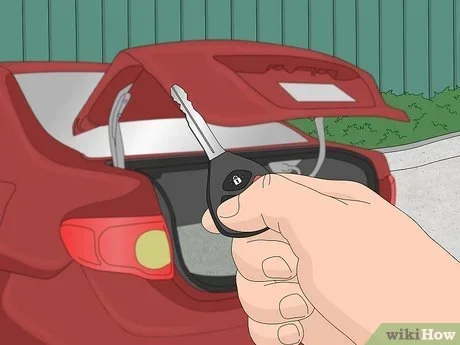
Can You Open the Trunk With a Key And Why It Matters
Can you open the trunk with a key? Yes, in most vehicles you can still use a physical key to unlock and open your trunk. Understanding how your trunk lock system works can save you time and stress during emergencies or when your key fob fails. This guide walks you through every method, common problems, and quick fixes so you are never stuck with a trunk that won’t open.
Have you ever stood in front of your car with groceries in both hands, only to realize the trunk won’t open? Or maybe your key fob died right when you needed it most. In moments like these, knowing how to open the trunk with a key becomes incredibly valuable.
The good news is that can you open the trunk with a key? Yes, you can. In most vehicles, a physical key still works as a reliable backup for trunk access. Whether your car is old or new, understanding how this system works can save you from a frustrating situation.
Many drivers take their trunk locks for granted until something goes wrong. A dead battery in the key fob, a broken release lever, or simple wear and tear can all leave you staring at a locked trunk. This guide breaks down everything you need to know about trunk lock systems, how they work, what to do when things go wrong, and how to keep your trunk access smooth and reliable.
We will walk through step-by-step methods, common problems, hidden release options, and expert tips. By the end, you will feel confident handling any trunk lock situation. Let us dive in.
Key Takeaways
- Physical keys still work: Most cars allow trunk access using a traditional metal key, even if the key fob dies.
- Emergency release levers exist: Many vehicles have hidden trunk release levers inside the cabin for safety.
- Lock mechanisms vary by model: Sedans, SUVs, and hatchbacks use different trunk lock designs.
- Regular maintenance helps: Keeping your trunk lock clean and lubricated prevents most common problems.
- Know your backup options: Understanding alternative trunk access methods can save you in a pinch.
- Call a pro when needed: Persistent trunk lock issues may require a locksmith or mechanic.
📑 Table of Contents
- How Trunk Locks Work and Why Keys Still Matter
- Can You Open the Trunk With a Key? Step-by-Step Guide
- What to Do When the Trunk Won’t Open With a Key
- Hidden Trunk Release Options You Should Know About
- Common Trunk Lock Problems and How to Fix Them
- When to Call a Professional for Trunk Lock Issues
- Trunk Lock Maintenance: A Simple Routine
- How Trunk Access Has Changed Over the Years
- Trunk Security: Protecting Your Vehicle and Its Contents
- Key Takeaways
How Trunk Locks Work and Why Keys Still Matter
Understanding your trunk lock mechanism helps you appreciate why a physical key remains so important. Modern cars rely heavily on electronic systems, but there is always a mechanical backup built in.
The Basic Trunk Lock System
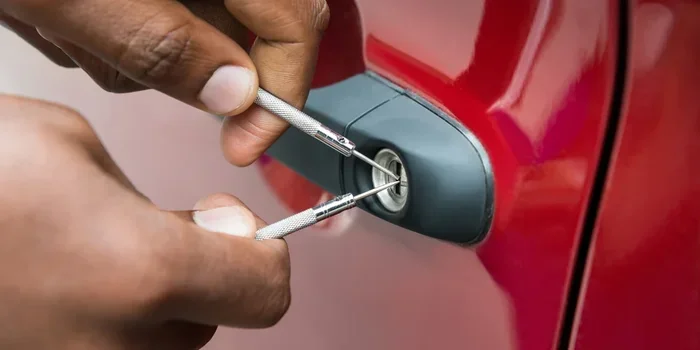
Most vehicles use a trunk lock cylinder located on the trunk lid or near the license plate area. When you insert your key and turn it, the cylinder activates a latch that releases the trunk lid. This is a simple mechanical process that does not depend on electricity.
Here is how the system works in simple terms:
- The key turns inside the lock cylinder.
- A rod connects the cylinder to the trunk latch.
- The latch releases, and the trunk lid pops open.
Because this is a purely mechanical process, it works even when your car battery is dead or your key fob has no charge. This is why knowing how to use your car trunk key matters so much.
Why Manufacturers Still Include Key-Based Trunk Access
You might wonder why car makers still include physical key access in an age of push-button starts and smart keys. The answer is simple: reliability. Electronic systems can fail. Batteries die. Sensors malfunction. A physical key provides a foolproof backup that never needs charging.
Many safety regulations also require a manual way to open the trunk from the inside. This ensures that people, especially children, can escape if they get trapped inside a locked trunk. The emergency trunk release lever or handle is a legal requirement in most countries.
Different Types of Trunk Lock Designs
Not all trunk locks look the same. The design varies depending on your vehicle type. Here is a quick look at common designs:
- Trunk lid lock cylinder: Found on sedans and SUVs. The key goes directly into a lock on the trunk lid.
- Rear bumper lock: Some models hide the keyhole near the rear bumper or license plate frame.
- Center console release: Certain cars have a trunk release button or switch inside the cabin that works alongside the key.
- Keyless trunk access: Newer vehicles may use proximity sensors, but they still include a physical key slot as backup.
Knowing which type your car has makes troubleshooting much easier. Check your owner’s manual if you are unsure.
Can You Open the Trunk With a Key? Step-by-Step Guide
Yes, you can open the trunk with a key in almost every vehicle made today. The process is straightforward once you know where to look. Here is a simple walkthrough.
Step 1: Locate the Keyhole
The first step is finding the trunk lock keyhole. On most cars, it sits on the trunk lid itself, often near the center or toward the bottom. Some vehicles hide it behind a small cap or trim piece that you can pop off with your fingernail.
For sedans, the keyhole is usually easy to spot. For SUVs and hatchbacks, it might be tucked near the rear badge or under a plastic cover. If you cannot find it, check your owner’s manual. It will show you exactly where the key goes.
Step 2: Insert the Key and Turn
Once you find the keyhole, insert your physical key and turn it gently. You usually turn toward the front of the car or toward the left. The trunk latch should release with a soft click.
Do not force the key. If it does not turn easily, the lock may be stiff or corroded. We will cover how to fix that later in this guide. A little patience goes a long way here.
Step 3: Lift the Trunk Lid
After turning the key, the trunk lid should unlock. Push it up gently to open. Some trunks have a hydraulic strut that helps lift the lid. If the strut is weak, the lid may feel heavy, but it should still open.
Quick Tip: Keep your trunk key in a safe but accessible place. Many people store a spare trunk key in their glove box or home. This simple habit saves a lot of hassle.
What to Do When the Trunk Won’t Open With a Key
Sometimes, even when you know can you open the trunk with a key, the trunk still refuses to cooperate. This is more common than you think, and it usually has a simple cause.
Common Reasons a Trunk Key Will Not Work
Before you panic, consider these common culprits:
- Dead key fob battery: This does not affect the physical key, but some drivers confuse the two methods.
- Frozen lock cylinder: In cold weather, moisture inside the lock can freeze, preventing the key from turning.
- Worn key or lock cylinder: Over time, both the key and the lock wear down, making the connection less precise.
- Broken trunk latch: The latch mechanism itself may be damaged or jammed.
- Tripped child safety lock: Some rear seats have a lock that also affects trunk access from inside.
Quick Fixes You Can Try at Home
Before calling a locksmith, try these simple fixes:
- Use a spare key. If your main key is worn, a spare might work perfectly.
- Apply graphite lubricant. Spray a small amount into the lock cylinder. Do not use oil-based lubricants, as they attract dirt.
- Warm the lock with your breath. In cold weather, a few warm breaths can thaw a frozen lock.
- Tap the lock gently. Lightly tapping the lock cylinder with the handle of a key sometimes frees a stuck mechanism.
- Check for ice or debris. Clear any visible ice or dirt around the keyhole before inserting the key.
Expert Insight: Automotive locksmiths recommend keeping a spare trunk key in a second location, such as your office or a trusted family member’s home. This simple step prevents a lot of stress when the primary key fails.
Hidden Trunk Release Options You Should Know About
Beyond using a key, most vehicles offer alternative ways to access the trunk. These options are especially helpful during emergencies or when the lock mechanism fails completely.
The Interior Emergency Trunk Release Lever
Almost all modern cars include an emergency trunk release lever or handle inside the cabin. In sedans, you will usually find it on the driver’s side of the dashboard or on the left side of the driver’s seat. In SUVs and minivans, it is often near the rear seats or on the ceiling.
To use it, simply pull the lever or handle. This releases the trunk latch from inside the vehicle. It is a simple but effective safety feature that has saved lives. Make sure every member of your household knows where this lever is located.
Trunk Release Button Inside the Cabin
Many newer vehicles have a trunk release button inside the cabin. This button is often located on the driver’s side dashboard, near the steering column, or on the center console. In some cars, the button is part of the central locking system and can be activated with the key fob even from inside the car.
If your trunk will not open from outside, check for this button first. It is often the quickest solution.
Folding Down the Rear Seats
For SUVs and hatchbacks, folding down the rear seats creates a passage from the cabin into the trunk area. Once the seats are folded, you can reach the trunk release lever or latch from inside the vehicle. This is a great workaround when the external lock is jammed.
Quick Tip: Practice folding your rear seats before you need to do it in an emergency. Some seat mechanisms can be tricky to operate, and knowing how they work ahead of time saves valuable minutes.
Common Trunk Lock Problems and How to Fix Them
Trunk locks are durable, but they are not immune to problems. Understanding the most common issues helps you address them quickly and avoid costly repairs.
Stiff or Hard-to-Turn Key
If your key feels stiff when turning in the trunk lock, the lock cylinder likely needs lubrication. Graphite powder works best for this. Insert a small amount into the keyhole, then insert and turn the key several times to distribute the lubricant.
Avoid using WD-40 or other oil-based sprays for long-term lubrication. They attract dust and grime, which can make the problem worse over time.
Key Stuck in the Lock
A key that gets stuck or will not come out of the lock is often a sign of a worn key or a misaligned lock cylinder. Try wiggling the key gently while pulling it out. If the key breaks inside the lock, do not attempt to remove it yourself. Call a professional locksmith.
Trunk Latch Not Engaging Properly
Sometimes the trunk latch itself becomes misaligned. This can happen after a minor collision, loading heavy items, or simply from years of use. Signs of a misaligned latch include:
- The trunk lid does not close flush with the body.
- The key turns but the trunk does not unlock.
- The trunk latch makes grinding noises.
Adjusting the latch usually requires loosening the mounting bolts, repositioning the latch, and retightening. This is a simple fix for most DIYers, but if you are not comfortable, a mechanic can do it quickly.
Trunk Lock Cylinder Failure
Over time, the lock cylinder can wear out completely. When this happens, the key turns but nothing happens, or the key does not fit properly at all. A trunk lock cylinder replacement is the fix. This is a relatively affordable repair that a locksmith or mechanic can handle in under an hour.
Common Mistakes to Avoid: Do not use force when the key will not turn. Forcing it can break the key inside the lock, which creates a much bigger problem. Also, avoid using random lubricants that can damage the lock mechanism.
When to Call a Professional for Trunk Lock Issues
Many trunk lock problems have simple DIY solutions. But some situations call for professional help. Knowing when to call a locksmith or mechanic saves you time and prevents further damage.
Call a professional if:
- The key breaks inside the lock cylinder.
- The trunk lock mechanism is completely jammed and nothing works.
- You have lost your trunk key and need a replacement.
- The trunk latch is physically damaged or bent.
- Your vehicle trunk security system has been compromised.
A qualified automotive locksmith can handle key replacements, lock cylinder repairs, and trunk latch adjustments. Most locksmiths offer mobile services, meaning they come to you. This is especially helpful if your trunk is stuck closed and you need access to something inside your car.
Pro Tip: When choosing a locksmith, look for one who specializes in automotive services. General locksmiths may not have the right tools or experience for modern car trunk lock systems. Ask for recommendations from your dealership or check online reviews before booking.
Replacing a lost trunk key is another situation where professional help is wise. Some newer vehicles require specialized programming for the key to work with the car’s security system. A professional has the equipment and knowledge to handle this correctly.
Regular maintenance is the best way to avoid most trunk lock problems. Here are a few simple habits that keep your trunk lock working smoothly:
- Lubricate the lock cylinder twice a year with graphite powder.
- Keep the keyhole clean and free of dirt and moisture.
- Test your trunk key regularly, even if you mostly use the key fob.
- Store a spare trunk key in a safe, separate location.
- Address small issues before they become big problems.
Taking these small steps ensures that you will always be able to open the trunk with a key when you need to. It is one of those simple car care habits that pays off enormously over time.
Trunk Lock Maintenance: A Simple Routine
Prevention is always better than cure. A quick maintenance routine keeps your trunk lock in top shape and extends its lifespan significantly.
Monthly Check
Once a month, try opening your trunk with the physical key. This simple test confirms that the lock is working and the key is not worn. If the key feels loose or turns too easily, it may be time for a replacement.
Seasonal Maintenance
At the start of each season, clean the keyhole with a soft brush and apply a small amount of graphite lubricant. Seasonal changes bring temperature swings that can cause condensation inside the lock. Keeping it clean and lubricated prevents this from becoming a problem.
After Winter or Heavy Rain
If you live in a climate with harsh winters or heavy rainfall, pay extra attention to your trunk lock after these seasons. Moisture is the number one enemy of lock cylinders. A little extra care goes a long way in preventing rust and corrosion.
How Trunk Access Has Changed Over the Years
The way we access our car trunks has evolved dramatically. Understanding this history gives you a better appreciation for modern systems and why the humble physical key still matters.
In older cars from the 1960s and 1970s, the trunk key was the only way to open the trunk. There were no key fobs, no buttons, and no electronic systems. The mechanical lock was everything. These old systems were simple and reliable, but they lacked convenience.
As cars evolved, manufacturers introduced remote key fobs and push-button trunk releases. These features added convenience but also introduced new points of failure. A dead battery in the fob, a faulty sensor, or a software glitch could all prevent trunk access.
Today, most cars offer a blend of electronic and mechanical trunk access. The key fob provides convenience, while the physical key serves as a reliable backup. This combination gives drivers the best of both worlds. But it also means drivers need to understand both systems to be fully prepared.
Knowing how to open the trunk with a key is a fundamental car care skill. It connects you to the mechanical roots of your vehicle and gives you confidence that you can access your trunk no matter what goes wrong with the electronics.
Trunk Security: Protecting Your Vehicle and Its Contents
Your trunk holds valuable items, and its lock plays an important role in vehicle security. Understanding how trunk locks contribute to overall vehicle safety helps you make informed decisions about maintenance and upgrades.
Most factory trunk locks provide adequate security for everyday use. However, if you frequently leave valuable items in your trunk, you might consider additional security measures. Aftermarket trunk locks, steering wheel locks, and alarm systems all add layers of protection.
Some vehicle owners also choose to upgrade their trunk lock cylinder to a higher-security model. These locks use specialized key patterns that are harder to pick or copy. While this is not necessary for most drivers, it is worth considering if you live in an area with high vehicle theft rates.
Quick Tip: Never leave your trunk key in the lock or hidden outside the vehicle. Thieves know common hiding spots. Keep your keys secure at all times.
Regularly checking your trunk lock for signs of wear or tampering is also a good practice. If you notice scratches around the lock cylinder, difficulty turning the key, or any other unusual signs, have it inspected by a professional as soon as possible.
Key Takeaways
- Physical keys remain essential: They provide a reliable backup when electronic systems fail, and every driver should know how to use them.
- Locate your trunk lock keyhole: Knowing where it is on your specific vehicle saves time and frustration.
- Try simple fixes first: Lubrication, warming the lock, and using a spare key solve most trunk access problems.
- Know your emergency release options: Interior levers, buttons, and folded seats provide alternative access methods.
- Maintain your trunk lock regularly: Cleaning and lubricating the lock cylinder twice a year prevents most issues.
- Call a professional when needed: Broken keys, jammed latches, and lock cylinder failures require expert attention.
- Stay proactive about trunk security: Regular checks and smart habits protect your vehicle and its contents.
Can you open the trunk with a key? Absolutely. Every vehicle manufactured today includes a mechanical key-based trunk lock as a backup to electronic systems. This simple but powerful feature ensures that you are never completely locked out of your own trunk. By understanding how your trunk lock works, keeping it maintained, and knowing the alternative release options, you handle any trunk access situation with confidence. Take a few minutes today to locate your trunk keyhole, test your key, and store a spare in a safe place. These small actions make a big difference when you need them most.
Frequently Asked Questions
Can I still open my trunk if the key fob battery dies?
Yes, you can. Most vehicles allow trunk access using the physical metal key even when the key fob battery is completely dead. Simply locate the trunk lock keyhole and insert your key to unlock the trunk manually.
Where is the trunk lock keyhole located on most cars?
The trunk lock keyhole is usually found on the trunk lid itself, near the center or bottom. Some vehicles hide it behind a small plastic cap or near the rear bumper. Check your owner’s manual for the exact location on your specific model.
What should I do if my trunk key breaks inside the lock?
Do not attempt to remove the broken key yourself, as this can push it deeper into the lock. Contact a professional automotive locksmith who has the tools to extract the broken key and replace the lock cylinder if needed.
Is it safe to use WD-40 on my trunk lock?
It is not recommended for long-term use. WD-40 is a solvent and can wash away existing lubrication while attracting dust and grime. Use graphite powder or a dedicated lock lubricant instead for the best results.
How often should I lubricate my trunk lock cylinder?
Twice a year is a good rule of thumb. More frequent lubrication may be needed in harsh climates or if you notice stiffness when turning the key. Regular maintenance prevents most trunk lock problems.
Can a locksmith replace a lost trunk key?
Yes, an automotive locksmith can cut and program a replacement trunk key for most vehicle makes and models. They can also replace the lock cylinder if needed, ensuring your trunk security remains intact.
=== CONCLUSION ===
Knowing how to open the trunk with a key is one of those essential car care skills that every driver should have. It is simple, reliable, and works when electronic systems let you down. From understanding how your trunk lock mechanism works to knowing the hidden emergency trunk release options inside your cabin, this knowledge gives you confidence and peace of mind.
Keep your trunk lock well-maintained with regular lubrication, store a spare key in a safe place, and familiarize yourself with the alternative access methods in your vehicle. These small habits prevent big headaches down the road. Whether you are dealing with a trunk that won’t open, a worn key, or a frozen lock cylinder, you now have the tools and knowledge to handle it all.
Take action today. Locate your trunk keyhole, test your physical key, and make sure you have a spare. Your future self will thank you the first time you need to open that trunk in a moment of need. Stay prepared, stay informed, and keep your car running smoothly.