Everything You Need to Know About a Car Dent Puller Machine
A car dent puller machine is one of the most effective tools for removing dents without damaging your vehicle’s paint. Whether you’re dealing with hail damage repair, minor collisions, or everyday bumps, this device uses suction or adhesive force to pull dents back into shape. In this guide, you’ll learn how it works, the different types available, and how to choose the right one for your needs.
This is a comprehensive guide about car dent puller machine.
Key Takeaways
- Paintless dent repair is faster and cheaper: A car dent puller machine allows you to fix dents without repainting, saving time and money on body shop repair.
- Several types exist for different dents: Suction dent pullers, adhesive glue pullers, and slide hammer tools each serve specific purposes in dent removal.
- Choosing the right tool matters: Factors like dent size, depth, location, and vehicle type all influence which dent puller machine works best.
- DIY repair is possible with practice: With the right technique and patience, many car dent fix jobs can be done at home using a PDR technique.
- Safety and preparation are critical: Proper workspace setup, protective gear, and understanding the tool’s force limits prevent further cosmetic damage.
- Professional results often require training: While DIY kits work for minor dents, severe metal panel repair often benefits from a trained technician using advanced RDL tools.
[FEATURED_IMAGE_PLACEHOLDER]
What Is a Car Dent Puller Machine?
A car dent puller machine is a specialized tool designed to pull dents out of vehicle panels without bending or breaking the metal. It works by applying controlled force to the backside of a dent, gradually reshaping the metal back to its original form. This process is commonly known as paintless dent repair or PDR.
Unlike traditional body shop repair methods, PDR preserves your factory paint. That’s a huge deal. Factory paint is stronger and more durable than aftermarket touch-ups. When a dent is pulled instead of filled and painted, the vehicle retains its original finish. This keeps your car looking factory-fresh for years.
These tools are used by professionals and DIY enthusiasts alike. From hail damage repair after a storm to fixing minor door dings, a car dent puller machine handles a wide range of cosmetic damage. The best part? Most repairs take less time than you’d think. A small dent that might take a full day at a body shop can often be fixed in under an hour with the right tool.
Why Dent Pullers Beat Traditional Methods
Traditional dent repair involves filling, sanding, and repainting. It’s messy, time-consuming, and expensive. A dent removal tool offers a cleaner alternative. Here’s a quick comparison:
- Cost: Paintless dent repair typically costs less because there’s no paint work involved.
- Time: Most fixes are completed in one visit, sometimes in under an hour.
- Resale value: Keeping original paint preserves your vehicle’s resale value. Repainted panels can signal accident history to buyers.
- Durability: Pulled metal stays shaped. Filled and painted dents can crack or peel over time.
How a Car Dent Puller Machine Works
Understanding how a car dent puller machine works helps you choose the right one. The basic principle is simple: apply steady, controlled force to pull the dented metal back into place. But the method varies depending on the tool type.
The Suction Method
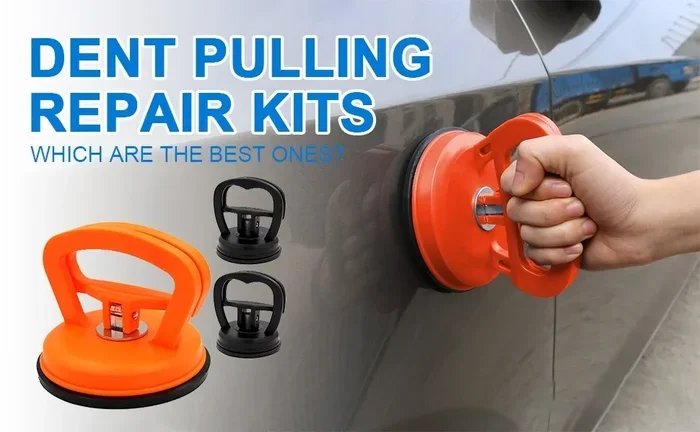
A suction dent puller uses vacuum pressure to grip the dent from the outside. You place the cup over the damaged area, pump the handle, and the suction pulls the metal outward. It’s similar to a cup suction tool but much more powerful. These work best on shallow dents with enough surface area for the cup to grip.
The Adhesive Method
An adhesive dent puller uses special glue or tabs attached to the dent. A bridge or slide hammer is then used to pull the tab upward, forcing the dent out. This is one of the most popular PDR technique methods. The adhesive holds strong but releases cleanly without damaging the paint. A glue puller kit is a great option for deeper dents where suction cups can’t get a good grip.
The Lever Rod Method
For technicians working from behind the panel, a lever tool or RDL tool is used. The rod is inserted through an access hole and gently pushed against the back of the dent. Slow, controlled pressure reshapes the metal over time. This method requires skill and experience but delivers excellent results for metal panel repair.
Force and Control Matter
Every car dent puller machine has a force rating. Using too much pressure can crack the paint or warp the panel. Using too little means no progress. The best tools allow gradual adjustments. Many modern kits include gauges or indicators to help you monitor pressure. This prevents over-correction and ensures a smooth finish.
Types of Dent Puller Machines
Not all dent puller machines are the same. Different dents require different approaches. Here are the main types you’ll encounter in the market.
Handheld Suction Dent Pullers
These are compact, portable, and perfect for minor dents. A handheld suction dent puller works like a powerful vacuum cup. You press it onto the dent, pull the handle, and the suction lifts the metal. These are affordable and easy to use. They’re ideal for car dent fix jobs like door dings and small hail damage.
Adhesive Glue Puller Kits
A glue puller kit includes adhesive tabs, a bridge, and a slide hammer or mini puller. You glue the tab to the dent center, attach the bridge, and pull. These kits handle deeper and more stubborn dents. They’re widely used in professional body shop repair settings and are popular among DIY users too.
Slide Hammer Dent Pullers
A slide hammer uses a weighted slide on a rod to deliver strong pulling force. It’s attached to the dent via a glue tab or bracket. The hammer slides forward and slams back, yanking the dent out. These are powerful but require a firm mounting surface. They’re less suitable for thin panels or tricky locations.
Underbody Puller Tools
For severe dents, an underbody puller is used. This tool wraps around the panel from underneath and uses a central bolt to push or pull the metal. It’s mostly used by professionals for heavy-duty vehicle restoration tasks. These are rarely found in home kits.
Comparison Table: Dent Puller Types
- Handheld Suction: Best for shallow dents, easy to use, affordable.
- Adhesive Glue Puller: Best for medium to deep dents, versatile, popular among pros.
- Slide Hammer: Best for deep, stubborn dents, high pulling force, needs space.
- Underbody Puller: Best for severe damage, professional-grade, not for beginners.
Benefits of Using a Car Dent Puller Machine
Using a car dent puller machine comes with many advantages. Let’s break them down so you can see why this tool is worth the investment.
Preserves Original Paint
This is the biggest benefit. Your car’s factory paint is applied under controlled conditions in the factory. It’s designed to last the lifetime of the vehicle. When you use a car dent puller machine, you never touch that paint. No sanding, no priming, no spray cans. The factory finish stays intact, and that protects your investment.
Cost Savings
Professional dent repair can cost anywhere from $50 to $300 per dent. A quality dent removal tool costs a fraction of that. Even if you only fix a few dents yourself, the savings add up fast. For hail damage repair involving dozens of dents, the savings can be enormous.
Time Efficiency
A body shop might take days or even weeks for a full cosmetic damage repair. With a car dent puller machine, you can tackle dents in your driveway during a weekend. Many repairs are done in minutes once you know the technique. Fast results mean less hassle in your daily routine.
Environmentally Friendly
Traditional repair involves chemicals, primers, paints, and solvents. A PDR technique uses none of these. There are no fumes, no toxic waste, and no environmental hazards. If you care about reducing your footprint, paintless repair is the greener choice.
Improved Vehicle Longevity
Dents that sit untreated can lead to rust. Moisture gets trapped in crevices and eats away at the metal. Using a car dent puller machine removes the dent and restores the panel shape. This prevents water pooling and keeps rust at bay. Early dent removal can extend your vehicle’s lifespan significantly.
How to Choose the Right Dent Puller Machine
Not every tool fits every job. Choosing the right car dent puller machine depends on several factors. Here’s what to consider before buying.
Dent Size and Depth
Small, shallow dents work well with handheld suction tools. Deeper dents need adhesive kits or slide hammers. Measure the dent diameter and depth before choosing. If the dent is larger than 3 inches across, a suction tool might not grip properly. Go for a glue puller or bridge kit instead.
Panel Material and Location
Modern vehicles use aluminum panels alongside steel. Aluminum is softer and can crack under too much force. Check your vehicle’s panel type. Also consider location. Dents on a hood or door are easier to reach than those on a quarter panel or near a wheel well. Hard-to-reach spots may need specialized auto body tools.
Skill Level
If you’re a beginner, start with a simple suction or adhesive kit. These are forgiving and easy to learn. If you have experience with vehicle restoration, you might be comfortable with a slide hammer or lever tools. Don’t jump into advanced tools before mastering the basics. Practice on a junk panel first to build confidence.
Budget and Quality
Cheap kits might seem tempting, but they often lack the force and durability you need. A quality dent repair kit costs between $30 and $150 for most DIY setups. Professional-grade tools can run higher. Look for kits with multiple attachment sizes, strong adhesive tabs, and solid build quality. Read reviews and check for warranty coverage before buying.
Quick Tips for Choosing the Right Tool
- Always check the maximum pull force before purchasing.
- Choose kits that include multiple cup sizes and tab shapes.
- Look for tools with non-slip grips and sturdy construction.
- Consider a combo kit that includes suction and adhesive options.
- Buy from reputable brands with verified customer reviews.
Step-by-Step Guide to Using a Car Dent Puller Machine
Now let’s walk through the actual process of pulling a dent. Follow these steps for safe and effective results using your car dent puller machine.
Step 1: Clean the Area
Wash the dented area with soap and water. Remove any dirt, wax, or debris. The surface must be completely clean for the tool to grip properly. Use a microfiber cloth to dry it thoroughly. A dirty surface weakens suction and reduces adhesive strength.
Step 2: Assess the Dent
Run your fingers over the dent to feel its depth and edges. Take a photo from a low angle to see the full shape. This helps you plan your approach. Shallow dents need less force. Deep dents require more careful, gradual pulling to avoid cracking the paint.
Step 3: Choose Your Tool and Attachment
Select the appropriate dent removal tool based on your assessment. For a wide, shallow dent, use a large suction cup. For a narrow, deep dent, use an adhesive tab with a smaller bridge. Attach the handle or slide hammer to the bridge if needed. Make sure every connection is tight and secure.
Step 4: Apply the Tool
Place the suction cup or adhesive tab directly in the center of the dent. Press firmly to create a strong seal. For adhesive tabs, let the glue set for the time specified on the package. Usually, this takes 30 seconds to a minute. Don’t rush this step. A weak bond leads to poor results.
Step 5: Pull Gradually
Start pulling with slow, steady force. Don’t jerk or yank. Watch the metal move gradually toward its original shape. Stop every few pulls to check your progress. Use a flashlight to inspect the area from different angles. If the dent is stubborn, reposition the tool slightly and try again.
Step 6: Check and Refine
Once the dent is mostly gone, remove the tool and inspect the area. Run your hand over it to feel for any unevenness. If needed, use a steel wool repair pad or gentle sanding tool to smooth out any minor ridges. Apply a touch of wax to protect the freshly worked surface.
Common Mistakes to Avoid
- Using too much force: This can crack paint or warp the panel further.
- Skipping the cleaning step: Dirt and wax weaken grip and cause slippage.
- Working in direct sunlight: Heat can soften adhesive bonds and affect paint.
- Ignoring paint cracks: If the paint is already cracked, a car dent puller machine alone won’t fix it. You may need professional help for that repair.
- Pulling from the wrong angle: Always pull perpendicular to the panel surface for the best results.
Expert Insights and Real-World Tips
Professional PDR technicians share valuable advice for anyone using a car dent puller machine. Here are insights gathered from experienced body shop experts.
Lighting is everything. Technicians use LED panels or heat lamps to cast shadows across the dent. This reveals high and low spots that are invisible under normal lighting. You can rig a simple desk lamp behind the panel for a similar effect at home. Good lighting transforms your results.
Patience beats power. The most common mistake beginners make is pulling too hard. A car dent puller machine works best with gradual force. Think of it like stretching a rubber band slowly, not snapping it. Slow pulls produce better outcomes every single time.
Work from the edges inward. Start pulling near the outer edges of the dent and work your way to the center. This prevents over-correction in the middle and creates a more natural panel curve. It’s a technique professionals learn early in their training, and it works for DIYers too.
Know when to stop. If you’ve pulled the dent out about 80%, it’s often better to leave it. A tiny remaining low spot can be blended with heat or a finishing tool. Over-pulling creates a high spot, which is much harder to fix. Sometimes less truly is more in auto body repair.
When to Call a Professional
A car dent puller machine handles most minor to moderate dents. But some situations call for a professional. If the paint is cracked or chipped, a body shop repair is safer. Deep creases, multi-panel damage, or dents near trim and edges may exceed DIY capabilities. Don’t hesitate to seek expert help when the job is beyond your comfort level. There’s no shame in that. A professional PDR technique expert can restore your panel to factory condition in no time.
Frequently Asked Questions
Can a car dent puller machine work on deep dents?
Yes, but it depends on the depth and paint condition. A glue puller or slide hammer handles deeper dents effectively. However, if the paint is cracked or the metal is severely creased, professional repair is recommended. A car dent puller machine works best when the paint is still intact.
Will using a dent puller damage my car’s paint?
Not if used correctly. The whole point of paintless dent repair is to preserve the factory finish. However, using excessive force or dirty tools can scratch or crack the paint. Always clean the area first and apply gradual, controlled pressure. A car dent puller machine is designed to be paint-safe when operated properly.
How long does it take to pull a dent at home?
Most DIY fixes take between 15 minutes and one hour. Small door dents can be fixed in under 15 minutes with a suction tool. Larger or deeper dents might take longer, especially if you’re learning the technique. Hail damage repair on multiple dents will naturally take more time. Practice speeds up the process significantly.
Is a DIY dent puller kit worth the money?
Absolutely if you have minor dents to fix. A quality dent repair kit costs between $30 and $150. That’s far less than paying a body shop for each repair. Over time, the savings are substantial. The tools also come in handy for vehicle restoration projects and maintaining your car’s appearance year-round.
Can I use a dent puller on aluminum panels?
Yes, but with caution. Aluminum is softer than steel and can tear or crack under too much force. Use a low pulling force and work slowly. Adhesive tabs with a mini puller are safer than slide hammers on aluminum. Always test on a small area first before committing to the full dent. Proper technique makes metal panel repair possible on any material.
What’s the difference between a dent puller and a dent hammer?
A car dent puller machine pulls the dent out from one side using force or suction. A dent hammer (or slide hammer) delivers impact force to push or pull the dent. Many kits include both a puller and a hammer-style slide tool. The puller is gentler and better for paint preservation. The hammer delivers more force for stubborn dents. Both are part of a complete auto body tool setup for cosmetic damage repair.
Conclusion
A car dent puller machine is a practical, cost-effective tool for anyone dealing with vehicle dents. Whether it’s a small door ding, hailstorm damage, or a minor parking lot bump, this tool restores your car’s appearance without repainting. The PDR technique saves money, preserves factory paint, and delivers fast results.
We’ve covered how these tools work, the different types available, and how to pick the right one for your needs. We’ve also walked through a step-by-step process and highlighted common mistakes to avoid. Remember, patience and proper technique make all the difference. Start with simpler tools, practice on easy dents, and build your confidence over time.
Your car deserves to look its best. With a car dent puller machine in your garage, you have the power to make that happen. Don’t let minor cosmetic damage pile up. Grab a kit, watch a few tutorials, and start pulling those dents out today. You’ll be amazed at the difference a little effort and the right dent removal tool can make.
Frequently Asked Questions
What is car dent puller machine?
car dent puller machine is an important topic with many practical applications.