How Long Should a Toyota Camry Battery Last in Years
The average Toyota Camry battery life lasts between 3 and 5 years. However, driving habits, climate, and maintenance can push that range to 6 years or more. This guide covers everything you need to know about Toyota Camry battery life, including warning signs, replacement cost, and simple tips to get the most miles out of your battery.
The Toyota Camry battery life typically spans 3 to 5 years. But many owners ask, how long should a Toyota Camry battery last, and the truth is, it depends on several factors. You might expect your car battery to last forever, but that’s not realistic. Even the best Toyota Camry battery will eventually lose its charge. Understanding the average lifespan helps you plan for a replacement. It also saves you from unexpected breakdowns. Let’s explore what affects Toyota Camry battery life and how you can get the most miles out of your battery.
Several factors play a role in how long your battery lasts. Climate, driving habits, and the age of the vehicle all matter. A battery that works fine in a mild climate might struggle in extreme heat or cold. Short trips can also reduce battery life because the alternator doesn’t have enough time to fully recharge the battery. On the other hand, a well-maintained battery in a Toyota Camry can easily last 6 years. This guide will walk you through the warning signs, replacement costs, and simple tips to extend your battery’s life. By the end, you’ll know exactly what to expect and how to keep your Camry running strong.
Key Takeaways
- Average lifespan: 3 to 5 years, but can reach 6+ with proper care.
- Warning signs: Slow crank, dim lights, dashboard battery light, corroded terminals.
- Climate matters: Extreme heat and cold shorten battery life significantly.
- Replacement cost: $100–$250 for parts, plus $50–$100 labor.
- Maintenance tips: Clean terminals, avoid short trips, use a battery tender.
- When to replace: After 3 years, or at the first sign of weakness.
📑 Table of Contents
- Toyota Camry Battery Life: What’s the Average Lifespan?
- Warning Signs Your Camry Battery Needs Replacement
- Factors That Affect Toyota Camry Battery Life
- Toyota Camry Battery Replacement Cost and Timeline
- How to Extend Your Camry Battery’s Life
- Common Mistakes and Expert Insights
- Conclusion: Maximizing Your Toyota Camry Battery Life
Toyota Camry Battery Life: What’s the Average Lifespan?
Most drivers want a simple answer to the question, how long should a Toyota Camry battery last. The honest answer is 3 to 5 years for the average 12-volt starter battery. That range holds true for both gas and hybrid Camry models. The hybrid battery pack, which powers the electric motor, often lasts 8 to 10 years. But that’s a completely different component. When people talk about Toyota Camry battery life, they usually mean the standard lead-acid 12-volt battery that starts the engine and powers the electronics.
Your driving environment has a huge impact on this timeline. A battery in a hot, humid climate may only last 3 years. The same battery in a mild, cool climate could go 6 years. Short trips around town are especially hard on batteries. The alternator needs about 30 minutes of highway driving to fully recharge a battery. If your daily commute is just 10 minutes, the battery never gets a full charge. Over time, this leads to a premature failure.
Here is a quick look at how battery life varies across recent Toyota Camry model years.
| Model Year | Engine Type | Typical Battery Life |
|---|---|---|
| 2012–2014 | Gas / Hybrid | 3–5 years |
| 2015–2017 | Gas / Hybrid | 3–5 years |
| 2018–2020 | Gas / Hybrid | 3–5 years |
| 2021–2024 | Gas / Hybrid | 3–6 years |
These numbers assume normal driving conditions and regular maintenance. If you live in an area with very hot summers or freezing winters, lean toward the lower end of the range. The table above shows that Toyota Camry battery life has remained fairly consistent across generations. The real variable is how you use and care for the battery.
Warning Signs Your Camry Battery Needs Replacement
Don’t wait for your battery to die completely. Most batteries give clear warning signs weeks or months before they fail. Catching these signs early gives you time to plan for a Toyota Camry battery replacement. Ignoring them can leave you stranded on a cold morning.
- Slow crank: The engine turns over slowly when you turn the key. This is the most common early sign of a weak battery.
- Dimming headlights: Lights appear dim when the engine idles but brighten when you rev the engine.
- Dashboard warning light: The battery or check-engine light illuminates on the instrument cluster.
- Corroded battery terminals: You see a white, blue, or greenish powdery substance on the battery posts.
- Swollen battery case: The plastic casing looks bloated or cracked. This often happens after exposure to extreme heat.
- Old age: The battery is more than 3 years old and you notice minor electrical issues.
If you notice any of these symptoms, get a battery test done. Most auto parts stores offer free battery testing. They can measure the cold cranking amps and the state of charge. A simple alternator test can also rule out a charging system problem. Remember, asking how long should a Toyota Camry battery last is easier when you catch the trouble early.
Slow Cranking and Dim Lights
A slow crank is the clearest signal that your battery is losing power. The starter motor needs a strong burst of energy to turn the engine. A weak battery delivers that energy slowly. You might hear a clicking sound or a labored whirring. Dimming headlights happen because the battery can’t maintain the proper voltage. When the alternator isn’t generating power at idle, the battery has to do all the work. A healthy battery should hold 12.6 volts or higher with the engine off.
Dashboard Warning Lights
The battery-shaped warning light on your dash means the charging system has detected a problem. It could be a failing battery, a loose alternator belt, or a bad alternator. Don’t ignore this light. Driving with a charging issue can drain the battery completely. A Toyota Camry battery life depends on a healthy charging system. Have a mechanic check the entire electrical system if this light comes on.
Factors That Affect Toyota Camry Battery Life
Not all Toyota Camry batteries age at the same rate. Several external and internal factors determine how long your battery will last. Understanding these factors helps you take control of your battery’s health.
Climate and Temperature Extremes
Heat is the biggest enemy of car batteries. High temperatures cause the electrolyte solution to evaporate faster. This damages the internal lead plates and reduces the battery’s capacity. In hot climates like Arizona or Texas, a battery might only last 3 years. Cold weather doesn’t destroy batteries, but it reduces their output. A battery that’s already weak will fail in freezing temperatures. That’s why cold cranking amps matter so much. The CCA rating tells you how well the battery performs in the cold. A Toyota Camry in a northern state needs a battery with a higher CCA rating.
Driving Habits and Trip Length
Short trips are a silent killer of battery life. When you start the car, the battery uses a large amount of energy. The alternator then recharges the battery while you drive. A short 10-minute trip doesn’t give the alternator enough time to fully recharge the battery. Over days and weeks, the battery stays partially charged. This leads to a condition called sulfation, which permanently damages the battery plates. If you mostly drive short distances, consider using a battery maintainer or trickle charger. It keeps the battery at full charge when the car sits for long periods.
Age of the Vehicle and Toyota Camry Years
As a Toyota Camry ages, its battery also ages. A 2012 Camry with original battery is now over 12 years old. That battery has long since exceeded its expected lifespan. Even if the car drives fine, an old battery can fail without warning. Newer Camry models have more electronic features. Infotainment systems, cameras, and always-on modules draw a small amount of power even when the car is off. This is called parasitic draw. A healthy battery can handle a small parasitic draw, but an old battery cannot. Keeping track of your Toyota Camry years helps you anticipate when a battery replacement is due.
Battery Maintenance and Terminal Care
Corrosion on terminals is a common problem that reduces battery life. The white or blue-green crusty buildup acts as an insulator. It prevents the electrical current from flowing smoothly. You can clean the terminals with a mixture of baking soda and water. Use an old toothbrush to scrub the terminals and the cable clamps. After cleaning, apply a thin layer of petroleum jelly or dielectric grease. This protects the terminals from future corrosion. Regular battery maintenance is one of the easiest ways to extend your Toyota Camry battery life.
Toyota Camry Battery Replacement Cost and Timeline
Replacing a Camry battery is a straightforward and affordable repair. Knowing the cost helps you budget for the job. The Camry battery replacement cost depends on the battery type, brand, and where you have it installed.
How Much Does a Camry Battery Cost?
A standard lead-acid battery for a Toyota Camry costs between $100 and $150. AGM (Absorbent Glass Mat) batteries, which are more durable and handle deep discharges better, run $150 to $250. Hybrid Camry models sometimes require a battery with a specific cold cranking amps rating, which can push the price slightly higher. Labor for installation typically runs $50 to $100 at a dealership or independent shop. Some parts stores offer free installation with a new battery purchase. Overall, the total Camry battery replacement cost usually falls between $150 and $300.
A new battery restores your Toyota Camry battery life to its full potential. You’ll notice a stronger crank and more reliable electrical performance right away. It’s one of the cheapest and most effective maintenance jobs you can do.
When Should You Replace the Battery?
Don’t wait for the battery to die completely. Replace it at the 3-year mark as a preventive measure. If you live in a harsh climate, consider replacing it at 4 years. You can also rely on the battery’s performance. If you notice any of the warning signs mentioned earlier, get a load test. A load test tells you how much power the battery can deliver under stress. If it fails the test, replace it immediately. Waiting too long can leave you with a dead battery and a tow bill.
Here is a quick comparison of battery types and their expected lifespan.
| Battery Type | Average Lifespan | Cost Range | Best For |
|---|---|---|---|
| Standard Lead-Acid | 3–5 years | $100–$150 | Normal driving, mild climates |
| AGM (Absorbent Glass Mat) | 4–6 years | $150–$250 | Hot climates, short trips, stop-and-go driving |
| Hybrid Starter Battery | 3–5 years | $120–$180 | Toyota Camry Hybrid models |
The table above shows that AGM batteries cost more but often last longer. They handle the demands of modern driving better. If you live in a hot area or do a lot of short trips, the extra cost is worth it.
How to Extend Your Camry Battery’s Life
You can’t stop time, but you can slow down the aging process. A few simple habits can add years to your Toyota Camry battery life. These tips are easy to follow and don’t require any special tools.
Quick Tips for Longer Battery Life
- Keep the terminals clean: Inspect the battery terminals every 6 months. Clean off any corrosion with a wire brush and baking soda solution.
- Avoid short trips: Take your Camry on a 20–30 minute drive at least once a week. This gives the alternator time to fully recharge the battery.
- Use a battery tender: If you park the car for days at a time, connect a battery maintainer. It keeps the battery at optimal charge without overcharging.
- Turn off electronics when parked: Don’t leave the headlights, radio, or USB chargers on when the engine is off. These create a battery drain that weakens the battery over time.
- Get regular alternator tests: Have the charging system checked during every oil change. A failing alternator puts extra strain on the battery.
- Check the battery warranty: Many Toyota Camry batteries come with a 3-year or 5-year warranty. Keep your receipt and track the purchase date.
Battery Maintenance Checklist
Follow this simple checklist every few months to keep your battery in top shape.
- Visually inspect the battery case for cracks or swelling.
- Check the terminals for white or greenish corrosion.
- Clean the terminals with a wire brush and baking soda paste.
- Tighten the cable clamps to ensure a solid connection.
- Use a multimeter to test the voltage. It should read 12.6 volts or higher.
- Have a professional load test done once a year after the 3-year mark.
These small steps make a big difference. They help the battery deliver consistent power and resist the effects of parasitic draw and temperature swings.
Common Mistakes and Expert Insights
Common Mistakes That Shorten Battery Life
Many drivers accidentally kill their battery with everyday habits. Avoid these common mistakes to protect your Toyota Camry battery life.
- Leaving lights or accessories on: A single overnight forget can drain a healthy battery below recovery point.
- Ignoring warning signs: A slow crank today becomes a no-start tomorrow. Don’t wait until the battery is completely dead.
- Buying the cheapest battery: Cheap batteries often have lower cold cranking amps and shorter warranties. A quality battery pays for itself in reliability.
- Not driving the car for weeks: A car that sits for long periods loses charge. The battery can’t recover without a full recharge cycle.
- Overlooking the alternator: A bad alternator will ruin a new battery in days. Always test the charging system when replacing a battery.
What Mechanics Say About Toyota Camry Battery Life
Experienced technicians see the same patterns over and over. One master mechanic shared this insight: “I see a lot of Camrys with batteries that died early because the owner never drove more than 10 minutes at a time. The alternator simply can’t keep up. A battery needs a full charge cycle to stay healthy. I always tell customers to take a 30-minute highway drive at least twice a week.” Another common tip from pros is to have the battery tested every spring and fall. Heat in summer and cold in winter stress the battery the most. A seasonal check catches weakness before it becomes a failure.
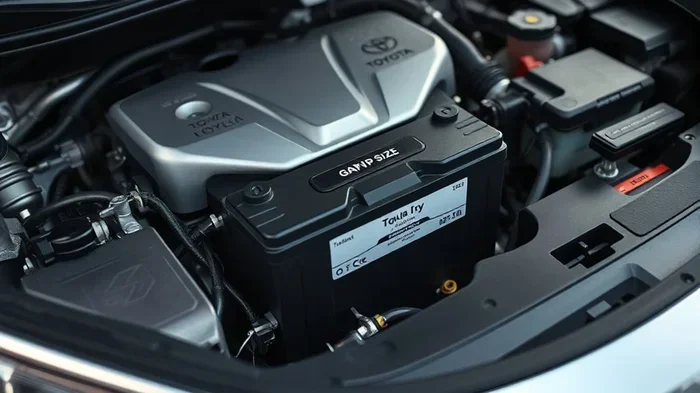
Mechanics also emphasize the importance of the right battery fit. A battery that’s too small or has the wrong terminal placement can cause vibration damage. Always use a battery that matches the Toyota Camry specifications in your owner’s manual. The battery group size and cold cranking amps rating are clearly listed. Choosing the correct part ensures a long, reliable Toyota Camry battery life.
Conclusion: Maximizing Your Toyota Camry Battery Life
So, how long should a Toyota Camry battery last? With proper care, you can expect 5 to 6 years, and sometimes more. The key is to watch for warning signs, understand the factors that affect Toyota Camry battery life, and take simple maintenance steps. Replace the battery before it leaves you stranded. A little attention today saves you time and money tomorrow. Your Toyota Camry battery life is in your hands. Follow the tips in this guide, and your Camry will start strong for miles to come.
Frequently Asked Questions
What is How Long Should a Toyota Camry Battery Last??
How Long Should a Toyota Camry Battery Last? is an important topic with many practical applications.