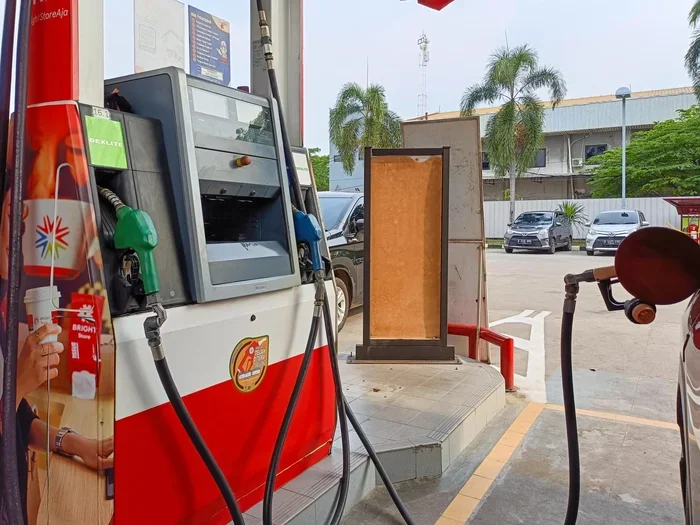
Car Gas Filling Machine The Ultimate Guide For Owners
A car gas filling machine is a device that dispenses fuel into your vehicle’s tank quickly and safely. This guide covers everything from types and benefits to buying tips and maintenance. Whether you own a gas station or want to understand fueling better, you will find practical advice here.
Have you ever wondered how fuel gets from a big storage tank into your car? The answer is simple. A car gas filling machine does the job. These machines are everywhere, from big gas stations to small private garages. They make refueling fast, safe, and accurate.
If you own a gas station, a fleet of vehicles, or just want to learn more about fueling equipment, this guide is for you. We will walk you through everything you need to know about car gas filling machines. You will learn how they work, what types exist, and how to pick the right one for your needs.
Fuel dispensing might sound like a simple task. But the machines behind it are actually quite clever. They measure fuel precisely, prevent spills, and keep everything running safely. Let us dive into the world of fuel dispensing equipment and see what makes these machines so important.
Key Takeaways
- Car gas filling machines come in several types, including automatic, manual, and portable models for different needs.
- Using a quality fuel dispenser improves safety, speed, and accuracy when refueling vehicles.
- Key features to look for include flow rate, fuel compatibility, and built-in safety mechanisms.
- Regular maintenance of your gas pump extends its lifespan and keeps it running smoothly.
- Understanding how these machines work helps you make better buying and operating decisions.
- Modern car gas filling machines support multiple fuel types, including gasoline, diesel, and CNG.
- Proper installation and training ensure safe and efficient vehicle refueling every time.
📑 Table of Contents
What Is a Car Gas Filling Machine?
A car gas filling machine is a device designed to pump fuel into a vehicle’s tank. It connects to a fuel storage tank and uses a hose and nozzle to deliver gasoline, diesel, or other fuels. These machines control the flow and measure the exact amount of fuel dispensed.
You see them at every gasoline filling station. But they also work in industrial settings, warehouses, and private properties. The basic idea has not changed much over the years. But modern machines are far more efficient and safer than older models.
The fuel nozzle is the part you attach to your car. When you squeeze the handle, fuel flows through the fueling hose and into the tank. Inside the machine, a fuel flow meter tracks exactly how much fuel goes through. This ensures you pay for what you get.
How Does It Work?
The process is straightforward. Fuel sits in a storage tank, usually underground or in a large above-ground container. The car gas filling machine draws fuel from this tank using a pump. The pump pushes fuel through pipes and into the dispensing unit.
When you insert the nozzle into your car’s tank, the fuel flows out. The flow meter starts counting. Once you release the handle or the tank is full, the pump stops. This automatic shutoff feature is a key safety element of modern fuel pump systems.
Some advanced machines use digital displays. These show the exact amount of fuel in liters or gallons. Others connect to payment systems for self-service gas station operations. The technology has come a long way, but the core process stays the same.
Types of Car Gas Filling Machines
Not all fueling machines are the same. Different types serve different purposes. Let us look at the main categories you will encounter.
Automatic Fuel Dispensers
An automatic fuel dispenser does most of the work for you. You set the amount or the price, and the machine handles the rest. These are common at modern gasoline filling station setups. They reduce human error and speed up the refueling process.
Automatic dispensers often include features like automatic shutoff, leak detection, and digital payment options. They are ideal for busy stations that serve many cars every day. If you want a hands-off experience, this is the way to go.
Manual Fuel Dispensers
A manual fuel dispenser requires more hands-on operation. You control the flow of fuel by hand. These machines are simpler and often less expensive. They work well for smaller operations or private garages.
Manual dispensers give you more control over the fueling process. However, they require more attention from the operator. They are still widely used in many parts of the world where vehicle refueling is done by hand.
Portable Fuel Dispensers
A portable fuel dispenser is a mobile unit you can move around easily. These are great for remote locations, construction sites, or events. They run on batteries or small engines and do not need a fixed fuel line.
Portable units are smaller than standard dispensers. But they still deliver reliable fuel flow. They are a popular choice for businesses that need flexibility in their fuel dispensing equipment setup.
Compressed Natural Gas (CNG) Fillers
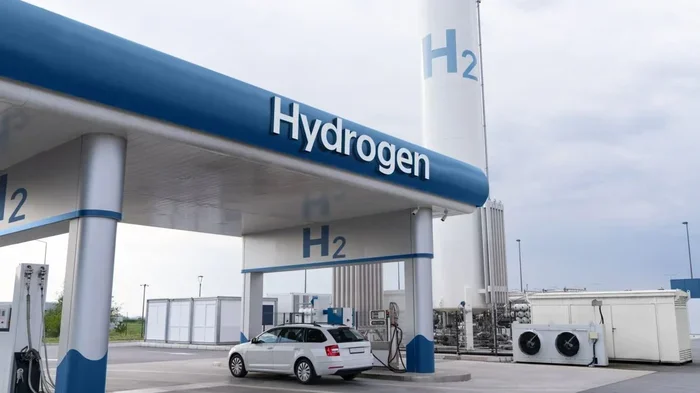
Not all car gas filling machines handle liquid fuel. CNG fueling station equipment fills vehicles with compressed natural gas. These machines work very differently from traditional gas pumps. They use high-pressure compressors to fill the vehicle’s tank.
CNG is a cleaner alternative to gasoline and diesel. More car owners are switching to natural gas vehicles. This means the demand for CNG fueling station equipment is growing fast.
Benefits of Using a Car Gas Filling Machine
Why should you care about the right fueling machine? The benefits are real and measurable. Let us break them down.
Speed and Efficiency
Modern car gas filling machines fill tanks much faster than older models. A good fuel dispenser can fill a standard car tank in just a few minutes. This matters a lot at busy stations where every minute counts.
Faster refueling means more customers served per hour. For business owners, this directly impacts revenue. For drivers, it means less time waiting in line.
Accuracy and Measurement
One of the biggest advantages of a quality gas pump is accuracy. The fuel flow meter inside the machine measures fuel precisely. You get exactly what you pay for, every time.
Old or poorly maintained machines can give inaccurate readings. This leads to customer complaints and lost trust. Regular calibration of your fuel dispensing equipment keeps measurements trustworthy.
Safety Features
Safety is a top priority in any fueling operation. Modern car gas filling machines come with multiple safety features. Automatic shutoff prevents overfilling. Leak sensors detect problems early. Fire suppression systems can activate in emergencies.
These features protect both the operator and the customers. They also reduce the risk of costly accidents. Investing in a machine with strong safety features is always worth it.
Fuel Efficiency Tracking
Many modern dispensers connect to software that tracks fuel usage. This data helps you understand your fuel efficiency patterns. You can see which vehicles use the most fuel and when refueling happens most often.
For fleet operators, this information is gold. It helps with budgeting, scheduling, and identifying problems early. Even for personal use, tracking fuel data can save money over time.
Key Features to Look For
When shopping for a car gas filling machine, not all models are equal. Here are the features that matter most.
Flow Rate
The flow rate tells you how fast fuel moves through the machine. It is measured in liters per minute or gallons per minute. A higher flow rate means faster refueling. For commercial stations, look for machines with a flow rate of at least 50 liters per minute.
For home or small business use, a lower flow rate might be fine. Match the flow rate to your actual needs. Buying a machine with too much capacity wastes money. Buying one that is too slow frustrates customers.
Fuel Compatibility
Make sure the machine supports the fuel types you need. Some fuel dispensers handle only gasoline. Others work with diesel or multiple fuel types. If you run a self-service gas station, you may need a machine that handles several fuels.
Check the specifications carefully before buying. Using the wrong machine for a fuel type can damage the equipment. It can also create safety hazards.
Digital Display and Controls
A clear digital display makes the fueling process easy for everyone. It shows the fuel amount, price, and any warnings. Touchscreen controls are becoming standard on newer models. These make operation simple and reduce errors.
Durability and Build Quality
Fuel dispensing equipment takes a beating every day. It faces fuel, weather, and heavy use. Choose machines made from high-quality materials. Stainless steel and heavy-duty plastic are common choices.
A durable machine lasts longer and needs fewer repairs. This saves money over the long run. Do not cut corners on build quality, especially for commercial use.
How to Choose the Right Car Gas Filling Machine
Picking the right machine can feel overwhelming. There are so many options on the market. But if you focus on a few key factors, the decision becomes much easier.
First, think about your needs. Are you running a busy gas station or a small private garage? The answer shapes everything. A large station needs high-capacity, fast machines. A small garage might do fine with a simpler model.
Second, consider your budget. Car gas filling machines range widely in price. Basic manual models cost less. Advanced automatic dispensers with digital features cost more. Set a realistic budget and look for the best value within it.
Third, think about maintenance. Some machines need frequent servicing. Others are built to run for years with minimal upkeep. Ask the manufacturer about spare parts availability and service support. A machine that is easy to maintain saves headaches down the road.
Finally, check local regulations. Fuel dispensing is heavily regulated in most areas. Your machine must meet safety and measurement standards. Make sure any unit you buy is certified and compliant.
Quick Tips for Buying
- Always buy from a reputable dealer or manufacturer.
- Request a demonstration before purchasing.
- Check warranty terms carefully.
- Ask about training and installation support.
- Compare at least three different models before deciding.
- Read reviews from other business owners.
- Consider future needs, not just current ones.
Maintenance Tips for Your Car Gas Filling Machine
Buying a car gas filling machine is just the start. Keeping it running well requires regular care. A well-maintained machine works better, lasts longer, and stays safe.
Daily Checks
Start each day with a quick visual inspection. Look for leaks, cracks, or loose connections. Check that the fuel nozzle and fueling hose are in good condition. Listen for unusual sounds when the machine runs. Catching small problems early prevents big repairs later.
Weekly Maintenance
Once a week, clean the machine thoroughly. Fuel residue can build up and cause problems. Wipe down the display and controls. Check the fuel flow meter for accuracy. Test the automatic shutoff feature to make sure it works properly.
Monthly and Seasonal Maintenance
Schedule a deeper inspection every month. Check internal components, filters, and seals. Replace any worn parts immediately. Before seasonal changes, especially in cold climates, inspect the machine for weather-related wear. Cold temperatures can affect fuel viscosity and machine performance.
Keep a maintenance log. Record every check, repair, and part replacement. This log helps you spot patterns and plan for future service. It also proves compliance during inspections.
Common Mistakes to Avoid
Even experienced operators make mistakes. Here are some to watch out for.
- Skipping regular maintenance. Small issues become big problems fast.
- Using the wrong fuel type. This can damage the machine and create safety risks.
- Ignoring warning lights or sounds. These are early signals of trouble.
- Overlooking hose wear. A cracked hose can leak fuel and cause fires.
- Not training staff properly. Untrained operators make costly mistakes.
Expert Insights on Fuel Dispensing
Industry professionals agree on a few key points about car gas filling machines. First, invest in quality. A cheaper machine might save money upfront. But it will cost more in repairs and downtime over time. Second, never neglect training. Even the best machine performs poorly in untrained hands.
Technology is changing the fueling industry fast. Digital payment systems, mobile apps, and IoT-enabled machines are becoming standard. These innovations make vehicle refueling faster and more convenient. Staying current with technology gives you a competitive edge.
Experts also stress the importance of environmental compliance. Modern fuel dispensing equipment must meet strict emissions and safety standards. Staying compliant protects your business from fines and legal issues. It also builds trust with customers who care about sustainability.
Common Mistakes to Avoid
One of the biggest mistakes is ignoring the fuel filter. A clogged filter reduces flow rate and can damage the pump. Replace filters on schedule and keep spares on hand. Another common error is failing to calibrate the fuel flow meter regularly. An uncalibrated meter gives wrong readings, which leads to customer disputes and lost revenue.
Some operators try to repair complex issues themselves. While basic maintenance is fine, leave serious repairs to qualified technicians. Improper repairs can void warranties and create safety hazards.
Key Takeaways
- Car gas filling machines are essential for any fueling operation, big or small.
- Automatic, manual, portable, and CNG models serve different needs and budgets.
- Key features like flow rate, fuel compatibility, and safety mechanisms should guide your purchase.
- Regular maintenance keeps your fuel pump running efficiently and safely.
- Understanding how these machines work helps you make smarter buying and operating decisions.
- Modern technology is making vehicle refueling faster, safer, and more convenient than ever.
- Investing in quality equipment and proper training pays off in the long run.
Conclusion
A car gas filling machine is more than just a pump. It is the heart of any fueling operation. From the fuel nozzle to the digital display, every part plays a role in delivering fuel safely and accurately. Whether you run a busy gasoline filling station or manage a small fleet, choosing the right machine matters.
Understanding the types, features, and maintenance needs of these machines puts you in a strong position. You can make informed decisions that save money, improve safety, and keep customers happy. The world of fuel dispensing equipment is evolving fast, and staying informed helps you stay ahead.
Take the time to evaluate your options. Invest in quality. Maintain your equipment properly. A well-chosen and well-maintained car gas filling machine will serve you reliably for many years. Start applying what you have learned today, and you will see the difference in your fueling operations.
Frequently Asked Questions
How does a car gas filling machine work?
A car gas filling machine draws fuel from a storage tank using a pump. The fuel travels through pipes and a fueling hose to a nozzle. When you insert the nozzle into your car’s tank, fuel flows in. A fuel flow meter measures the exact amount dispensed. Most modern machines have an automatic shutoff when the tank is full.
What types of fuel can a car gas filling machine handle?
Most fuel dispensers handle gasoline and diesel. Some models support multiple fuel types on one unit. Specialized CNG fueling station equipment handles compressed natural gas. Always check the machine’s specifications to confirm fuel compatibility before purchasing.
How often should I maintain my fuel filling machine?
Daily visual checks are recommended for all machines. Weekly cleaning and testing of safety features should be done regularly. Monthly inspections of internal components keep everything running smoothly. Seasonal maintenance addresses weather-related wear and tear.
Can I use a portable fuel dispenser at home?
Yes, a portable fuel dispenser can work for home or small business use. These units are smaller and more flexible than commercial dispensers. However, you must follow all local safety regulations. Make sure the unit is rated for your fuel type and volume needs.
What should I look for when buying a car gas filling machine?
Focus on flow rate, fuel compatibility, build quality, and safety features. Check that the machine meets local regulations and industry standards. Consider the total cost of ownership, including maintenance and training. Reading reviews and requesting demonstrations helps you make a confident choice.
Are automatic fuel dispensers worth the extra cost?
For most commercial operations, yes. An automatic fuel dispenser reduces human error, speeds up refueling, and includes advanced safety features. The initial cost is higher, but the long-term savings in efficiency and reduced mistakes make it worthwhile. For small operations with low volume, a manual model may be sufficient.