Why Are Hydrogen Cars Not the Future of Green Travel
Hydrogen cars face tough challenges that make them unlikely to lead the green travel revolution. From sky-high costs and missing infrastructure to slow refueling times and energy waste, the hurdles are real. Electric vehicles already offer a faster, cheaper, and cleaner path forward for most drivers.
This is a comprehensive guide about Why Are Hydrogen Cars Not the Future.
Key Takeaways
- Hydrogen cars struggle with infrastructure: There are very few hydrogen refueling stations, making daily use impractical for most people.
- They cost too much: The price of hydrogen fuel cells and the vehicles themselves remains far too high for average buyers.
- Energy efficiency is poor: Hydrogen cars lose a lot of energy during production, compression, and conversion compared to electric vehicles.
- Battery electric vehicles win on convenience: Charging at home or work is far easier than finding a hydrogen station.
- Green hydrogen is rare: Most hydrogen today is produced from fossil fuels, undermining its clean energy claims.
- The automotive industry is shifting focus: Major automakers are investing heavily in battery electric vehicles instead of hydrogen.
- Hydrogen has niche uses: It may still work for heavy-duty trucks and industrial applications, but not for personal green travel.
[FEATURED_IMAGE_PLACEHOLDER]
Hydrogen cars have been around for a while. You may have seen them on the road or read about them in tech magazines. They promise zero tailpipe emissions and a quick refuel. But here is the truth. Hydrogen cars are not the future of green travel, and the reasons are more clear than ever.
The idea sounds great. Fill up a tank in minutes. Drive hundreds of miles. Release nothing but water vapor. What could be better? In theory, hydrogen fuel cell vehicles are a dream come true. In practice, they hit wall after wall. From production to pricing to infrastructure, every step of the journey has problems.
Meanwhile, battery electric vehicles have zoomed ahead. They are cheaper, cleaner, and easier to use for most people. Charging networks are growing fast. Prices are dropping. And the technology keeps improving. So why are hydrogen cars falling behind? Let us break it all down.
The Infrastructure Problem
Why Refueling Stations Are So Hard to Find
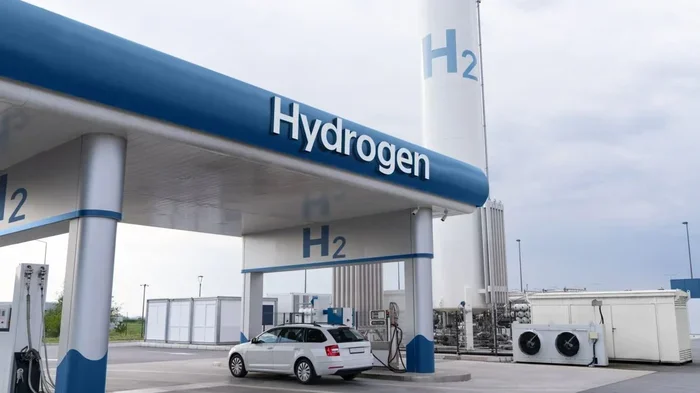
The biggest hurdle for hydrogen cars is the lack of refueling stations. Right now, there are only a few hundred hydrogen stations in the entire world. Most of them are in California, Germany, Japan, and South Korea. If you live anywhere else, finding a station is nearly impossible.
Compare this to electric vehicle charging. You can plug your car in at home, at work, or at thousands of public locations. EV charging infrastructure is expanding rapidly every year. You do not need a special station to charge your car overnight in your garage.
Building new hydrogen stations is incredibly expensive. Each station costs several million dollars. The equipment is complex. The safety requirements are strict. And the demand is too low to justify the investment. This creates a chicken-and-egg problem. Drivers will not buy hydrogen fuel cell vehicles without stations. Companies will not build stations without drivers.
The Cost of Building Hydrogen Infrastructure
Let us talk numbers. A single hydrogen refueling station can cost between 1 million and 4 million dollars. An electric vehicle charger? A few thousand to tens of thousands of dollars. The gap is massive.
Governments and companies have poured billions into hydrogen infrastructure over the past two decades. The results have been disappointing. The network has barely grown in many regions. Meanwhile, electric vehicle charging networks have exploded in size and coverage.
Here is a quick comparison to put things in perspective.
- Electric charging stations worldwide: Over 4 million and growing fast
- Hydrogen refueling stations worldwide: Around 1,000 total
- Cost to build one electric charger: A few thousand dollars
- Cost to build one hydrogen station: 1 to 4 million dollars
- Home charging possible? Yes for EVs, No for hydrogen cars
The numbers speak for themselves. Hydrogen infrastructure simply cannot keep up with the needs of everyday drivers.
The Energy Efficiency Problem
Why Hydrogen Cars Waste So Much Energy
One of the biggest secrets about hydrogen cars is how inefficient they really are. The process of making hydrogen, storing it, transporting it, and converting it back to electricity wastes a huge amount of energy. Let us walk through the steps.
First, you need to produce hydrogen. Most hydrogen today comes from natural gas through a process called steam methane reforming. This process itself uses a lot of energy and releases carbon dioxide. Even when hydrogen is made through electrolysis using renewable electricity, you lose about 30% of the energy right there.
Next, you need to compress the hydrogen and transport it. Compression takes energy. Shipping takes energy. By the time hydrogen reaches a refueling station, another 10 to 15% of energy is lost.
Then the fuel cell in the car converts hydrogen back to electricity. This step loses another 30 to 40% of energy. Finally, the motor uses that electricity to move the car. Overall, hydrogen fuel cell vehicles use only about 25 to 35% of the original energy.
Now compare that to a battery electric vehicle. Electricity goes from the grid to the battery to the motor. The losses are much smaller. Battery electric vehicles use about 70 to 80% of the original energy. That is more than double the efficiency of hydrogen cars.
The Well-to-Wheel Comparison
Experts use something called the well-to-wheel analysis. This measures the total energy used from production to driving. For hydrogen cars, the well-to-wheel efficiency is around 25 to 35%. For battery electric vehicles, it is around 70 to 80%.
What does this mean for the environment? Even if you fill a hydrogen car with green hydrogen, you still use more energy to move the same distance. More energy means more resources, more land use, and more cost. When you compare the two side by side, the advantage is clear.
The green transportation world needs solutions that use energy wisely. Right now, battery electric vehicles win that race by a wide margin.
The Cost Problem
Hydrogen Cars Are Too Expensive to Buy
If you are in the market for a new car, price matters. And hydrogen cars are not cheap. The Toyota Mirai and Hyundai Nexo are the most well-known models on the market. Both cost between 50,000 and 70,000 dollars. That is a lot of money for a car that is hard to fuel.
Compare that to battery electric vehicles in the same price range. You can get a Hyundai Ioniq 5, a Kia EV6, or a Tesla Model 3 for similar or lower prices. These cars are much easier to fuel and have a growing charging network to support them.
The high price of hydrogen cars comes from the fuel cell technology. The platinum catalysts used in fuel cells are expensive. Manufacturing the cells is complex. And the low production volume means costs have not come down the way they have for batteries.
The Cost of Hydrogen Fuel Itself
It is not just the car that costs more. The fuel is expensive too. A kilogram of hydrogen costs around 13 to 16 dollars in the United States. That is roughly the same as filling up a gas tank. But here is the catch. A hydrogen car does not go as far on a kilogram as a battery electric car goes on a full charge.
In practical terms, fueling a hydrogen car costs more per mile than charging an electric vehicle. And you have fewer places to do it.
Until the cost of green hydrogen production drops dramatically, fuel prices will remain a barrier. And right now, there is no clear path to make that happen at scale.
Green Hydrogen Is Hard to Produce
The Problem with Most Hydrogen Today
When people talk about hydrogen as a clean fuel, they often picture green hydrogen. This is hydrogen made from water using renewable electricity through electrolysis. It sounds perfect. In reality, most hydrogen is not green at all.
About 95% of hydrogen today is produced from natural gas or coal. This is called gray hydrogen. The process releases significant amounts of carbon dioxide. So-called blue hydrogen captures some of those emissions, but it still relies on fossil fuels and is not truly clean.
Green hydrogen is expensive to produce. The electrolyzers needed are costly. The renewable electricity required adds to the price. And the supply is tiny compared to demand. For hydrogen cars to be truly green, we would need a massive shift to green hydrogen production. That shift is happening, but it is slow.
Can Green Hydrogen Scale Up?
Theoretically, yes. In practice, it is a huge challenge. Green hydrogen needs enormous amounts of clean electricity. Right now, that electricity is better used directly to charge electric vehicles.
Think about it this way. If you have a solar panel on your roof, you can use that electricity to charge your electric car. That is direct and efficient. If you use that same electricity to make hydrogen, then compress it, then transport it, then convert it back to electricity, you lose a lot along the way.
For clean transportation, direct electrification makes more sense. Green hydrogen may play a role in hard-to-electrify sectors like shipping, aviation, and steel manufacturing. But for personal travel, battery electric vehicles are the better choice.
Battery Electric Vehicles Are Winning
Why EVs Have the Edge
Battery electric vehicles have come a long way in the past decade. They are now cheaper to buy, cheaper to fuel, and easier to use. The EV charging network is expanding rapidly. New technologies are improving range and reducing charging times.
Here are some reasons why electric vehicles are outperforming hydrogen cars for green travel.
- Home charging: You can charge your EV overnight while you sleep. No trips to a station needed.
- Lower fuel costs: Electricity is cheaper than hydrogen per mile driven.
- Growing infrastructure: Charging stations are appearing everywhere, from malls to highways.
- Better energy efficiency: EVs use energy much more effectively than hydrogen cars.
- Lower purchase prices: EV prices are dropping fast as battery technology improves.
- More model options: Almost every automaker now offers electric vehicles.
The Convenience Factor
Convenience matters more than people think. With an electric vehicle, you plug in at home and never have to visit a fuel station during your normal routine. With a hydrogen car, you need to find a station, wait in line, and pay premium fuel prices.
Even fast-charging an electric vehicle takes about 20 to 40 minutes for a significant charge. And many people charge at home overnight, so they never wait at all. Hydrogen refueling is faster in theory, about 5 minutes. But finding a station is the real bottleneck.
The automotive industry has clearly shifted its focus. Major automakers are investing billions in battery electric vehicles. Hydrogen passenger cars are getting little attention. This market reality tells us a lot about where green travel is heading.
Where Hydrogen Still Makes Sense
Niche Uses for Hydrogen Technology
It is important to be fair here. Hydrogen is not useless. It has potential in areas where batteries are not the best fit. Heavy-duty trucking is one example. Long-haul trucks need to carry heavy loads over long distances. Hydrogen fuel cells might offer advantages in weight and refueling time for these applications.
Buses and commercial vehicles in some cities are also testing hydrogen technology. Trains and ships could potentially use hydrogen fuel cells too. These are different use cases than personal passenger cars.
In industrial settings, hydrogen already plays a role in refining chemicals and producing steel. So hydrogen is not going away entirely. But for the average person looking for a green car, it is not the right choice right now.
The Future of Hydrogen in Transportation
Could hydrogen cars make a comeback? It is possible but unlikely for passenger vehicles. The infrastructure challenges are too steep. The efficiency gap is too wide. The cost difference is too large.
If green hydrogen production scales up dramatically and costs plummet, the picture could change. But experts do not see that happening anytime soon. Most industry analysts expect battery electric vehicles to dominate the personal car market for the foreseeable future.
Hydrogen may find its place in niche transportation segments. But for everyday green travel, battery electric vehicles are the clear winner.
Common Mistakes People Make About Hydrogen Cars
There are several misconceptions about hydrogen cars that keep people from seeing the full picture. Let us clear a few of them up.
- Mistake 1: Thinking hydrogen cars are zero-emission. They are zero-emission at the tailpipe. But the full production cycle may involve significant emissions.
- Mistake 2: Believing hydrogen is easy to store. Hydrogen is highly flammable and requires special high-pressure tanks. Safety concerns add cost and complexity.
- Mistake 3: Assuming hydrogen infrastructure will catch up quickly. Building hydrogen stations is slow and expensive. There is no sign of rapid expansion.
- Mistake 4: Ignoring the efficiency gap. Many people compare only tailpipe emissions and ignore the massive energy losses in hydrogen production and delivery.
- Mistake 5: Thinking all hydrogen is green. Most hydrogen today is made from fossil fuels and is far from clean.
Avoiding these mistakes helps you make a smarter choice when thinking about green transportation options.
Expert Insights on the Hydrogen Car Debate
Industry experts have been clear about where they stand. Most energy analysts believe that battery electric vehicles will dominate the passenger car market. The reasons are straightforward. EVs are more efficient, cheaper, and easier to use.
Dr. Jose Zagal, a fuel cell researcher at the University of Chile, has noted that hydrogen faces fundamental thermodynamic limits. You simply cannot convert energy as efficiently as with direct battery use.
Major publications like The Economist and Bloomberg have published analyses showing that the investment in hydrogen passenger cars has not paid off. Automakers are quietly shifting resources toward battery technology. The writing is on the wall.
That does not mean hydrogen has no future. But that future is unlikely to be in personal cars. The automotive industry is betting on batteries for the mass market.
Key Takeaways
- Hydrogen cars struggle with infrastructure: There are very few hydrogen refueling stations, making daily use impractical for most people.
- They cost too much: The price of hydrogen fuel cells and the vehicles themselves remains far too high for average buyers.
- Energy efficiency is poor: Hydrogen cars lose a lot of energy during production, compression, and conversion compared to electric vehicles.
- Battery electric vehicles win on convenience: Charging at home or work is far easier than finding a hydrogen station.
- Green hydrogen is rare: Most hydrogen today is produced from fossil fuels, undermining its clean energy claims.
- The automotive industry is shifting focus: Major automakers are investing heavily in battery electric vehicles instead of hydrogen.
- Hydrogen has niche uses: It may still work for heavy-duty trucks and industrial applications, but not for personal green travel.
Conclusion
The question of why hydrogen cars are not the future of green travel has a clear answer. The infrastructure is lacking. The energy efficiency is poor. The costs are too high. And battery electric vehicles are already doing the job better.
Hydrogen fuel cell technology is impressive in theory. It produces only water vapor and offers fast refueling. But the practical challenges are overwhelming. From production to distribution to driving, every step of the process has a better alternative.
Battery electric vehicles offer a faster, cheaper, and more efficient path to clean transportation. They are already here. They are improving every year. And they are supported by a growing network of charging options.
Hydrogen may find its place in heavy-duty transport and industrial applications. But for everyday green travel, the future belongs to batteries. If you are considering a new car and care about the environment, an electric vehicle is the smarter choice today.
The road to green travel is paved with electrons, not hydrogen. And that is good news for all of us.
Frequently Asked Questions
Are hydrogen cars completely emission-free?
Not entirely. While hydrogen cars emit only water vapor from the tailpipe, the full process of producing, transporting, and using hydrogen can involve significant emissions. Most hydrogen today is made from natural gas, which releases carbon dioxide. Only green hydrogen, made from renewable electricity, is truly emission-free.
Why are there so few hydrogen refueling stations?
Building a hydrogen station costs millions of dollars, and demand is very low. The infrastructure has not grown because automakers and governments have shifted their focus toward battery electric vehicles. Without enough drivers, companies have little reason to invest in more stations.
Can hydrogen cars beat electric vehicles on range?
Hydrogen cars have a similar range to most electric vehicles, typically 300 to 400 miles per fill. However, electric vehicles are catching up quickly, and they can be charged at home overnight. The range advantage of hydrogen is shrinking as battery technology improves.
Will hydrogen cars ever become mainstream for personal use?
Most experts do not think so. The infrastructure challenges, high costs, and low efficiency make it unlikely that hydrogen will compete with battery electric vehicles in the passenger car market. Hydrogen may find a niche in heavy-duty transport and industrial use instead.
Is green hydrogen the solution to the emissions problem?
Green hydrogen is a cleaner option, but it is still expensive and rare. Producing green hydrogen requires large amounts of renewable electricity, and that electricity could be used more efficiently to charge electric vehicles directly. The energy losses in the hydrogen production and delivery chain make it less practical for personal travel.
What should I choose if I want a green car today?
For most people, a battery electric vehicle is the best choice. EVs are cheaper to buy and fuel, have a growing charging network, and are much more energy-efficient than hydrogen cars. If you drive a moderate daily distance and can charge at home, an EV will serve you well for green travel.
Frequently Asked Questions
What is Why Are Hydrogen Cars Not the Future?
Why Are Hydrogen Cars Not the Future is an important topic with many practical applications.