Car Glass Film Rules Every Driver Must Follow in 2024
Car glass film rules set the standard for how dark or reflective your vehicle windows can be. In 2024, drivers face stricter enforcement and updated guidelines that make understanding window tinting laws more important than ever. This guide breaks down legal tint limits, exemptions, and practical tips to keep you compliant and safe on the road.
Driving with car glass film on your windows might seem like a simple way to add style, reduce glare, or keep your cabin cooler. But there is a lot more to it than picking a shade you like and calling it a day. Every state has specific window tinting laws that dictate how dark your film can be, which windows it can cover, and how reflective it may appear. In 2024, these rules are being enforced more strictly than ever, and drivers who ignore them face real consequences.
Whether you are a first-time car owner or a seasoned driver who has tinted windows for years, understanding car glass film rules is essential. A single tint ticket can cost you anywhere from $50 to over $500 depending on where you live. Worse yet, overly dark or improperly installed film can fail a safety inspection and leave your vehicle illegal to drive on public roads. This guide covers everything you need to know about legal tint limits, exemptions, and best practices for staying compliant in 2024.
We will walk through the science behind visible light transmission, break down state-specific regulations, explain who qualifies for exemptions, and share practical tips for choosing the right film. By the end of this article, you will have a clear picture of what is legal, what is not, and how to protect yourself from unnecessary fines.
Key Takeaways
- Know Your VLT Limits: Visible Light Transmission percentages determine whether your car glass film is legal.
- State Laws Vary Widely: What is legal in one state may violate tint film regulations in another.
- Medical Exemptions Exist: Some drivers qualify for special tint exemptions with a doctor’s note.
- Avoid Common Mistakes: Bubbling, peeling, or overly dark film can lead to tint tickets and failed inspections.
- Choose Quality Materials: Ceramic and carbon auto tint film options offer better performance and legality.
- Stay Updated: Window tinting laws change frequently, so always verify current rules before tinting.
📑 Table of Contents
- What Are Car Glass Film Rules and Why Do They Matter?
- Understanding VLT and Tint Percentage Limits
- State-by-State Car Glass Film Rules in 2024
- Who Is Exempt From Tint Laws?
- Common Mistakes Drivers Make With Car Glass Film
- How to Choose the Right Car Glass Film for Your Vehicle
- Quick Tips for Staying Compliant With Car Glass Film Rules
- Conclusion
What Are Car Glass Film Rules and Why Do They Matter?
Car glass film rules are the set of regulations that govern how vehicle windows can be tinted. These rules cover the darkness of the film, measured by Visible Light Transmission or VLT, the level of reflectivity allowed, and which specific windows can be tinted. Think of VLT as a percentage. A higher VLT means more light passes through the glass. A lower VLT means the film is darker and blocks more light.
These rules exist for several important reasons. First, they ensure driver visibility. Dark tint on the windshield or front side windows can make it nearly impossible to see pedestrians, cyclists, or other vehicles, especially at night or in poor weather. Second, law enforcement officers need to see inside vehicles during traffic stops. Tint film regulations help officers assess potential threats quickly and safely. Third, these rules maintain a standard across all states, which matters for drivers who travel frequently.
In 2024, many states have updated their window tinting laws to reflect new technology and safety research. For example, some states now restrict the use of metallic or mirrored films because they can interfere with GPS signals and cell phone reception. Others have adjusted VLT limits for rear windows to allow slightly darker tints, acknowledging that rear passengers have fewer visibility concerns than drivers.
How Is VLT Measured?
Visible Light Transmission is the key metric behind all car glass film rules. It measures the percentage of visible light that passes through the glass and film combined. Most states use a combined measurement that includes both the factory tint and any aftermarket film applied. For example, if your vehicle has a factory tint of 70% VLT and you apply a film that reduces light by 20%, the combined VLT will be lower than 70%.
Here is a simple breakdown of common VLT ranges:
- 70-100% VLT: Very light tint. Often indistinguishable from untinted glass. Legal for most windows in most states.
- 50-70% VLT: Moderate tint. Blocks some glare and UV rays. Generally legal for front side windows.
- 35-50% VLT: Medium-dark tint. Popular for front side windows in many states.
- 20-35% VLT: Dark tint. Usually restricted to rear windows and sometimes the back windshield.
- Below 20% VLT: Very dark tint. Often illegal for front windows. May be allowed on rear windows in certain states.
Understanding visible light transmission is the first step toward choosing a car glass film that is both effective and legal. Always ask your auto tint shop for the exact VLT rating of the film they recommend.
Understanding VLT and Tint Percentage Limits
The legal tint limits in the United States vary significantly from state to state. There is no single federal standard that applies nationwide. Instead, each state sets its own tint film regulations based on local climate, safety concerns, and legislative priorities. This means that a tint setup perfectly legal in Arizona might be completely illegal in New York.
Most states divide their rules into categories based on which window is being tinted. The front windshield, front side windows, rear side windows, and back windshield each have their own limits. Some states also regulate the reflectivity of the film, capping how much light it can bounce back. Reflective films can create a mirror effect that blinds other drivers, which is why many window tinting laws include reflectivity limits.
Front Windshield Rules
The front windshield is the most regulated window on any vehicle. In most states, only the top portion of the windshield can be tinted, and usually no more than a few inches. This strip, often called the sunshade band, must stay above the manufacturer’s AS-1 line, which is typically marked on the windshield itself. Full windshield tinting is almost universally prohibited because it directly obstructs the driver’s line of sight.
Front Side Window Rules
Front side windows are the next most regulated. Many states require these windows to maintain a VLT of at least 50% or 70%. The reasoning is straightforward. Front side windows sit closest to the driver, and any tint that reduces visibility in this area can increase the risk of accidents. If you want a darker tint on your front windows, you need to check your state’s specific car glass film rules carefully.
Rear Windows and Back Windshield Rules
Rear windows and the back windshield typically have more relaxed limits. Many states allow VLT levels as low as 20% or even lower for these windows. This is because rear passengers are farther from the driver, and the rear window is less critical for forward visibility. However, some states require that both rear side windows and the back windshield have the same VLT level, so always double-check before tinting.
State-by-State Car Glass Film Rules in 2024
Because state tint laws differ so much, it is impossible to cover every single state in this guide. However, here are some of the most common regulations that drivers encounter across the country. If you live in a state not covered here, always check your local Department of Motor Vehicles website for the most current tint film regulations.
States with Strict Tint Laws
States like California, New York, and New Jersey are known for having some of the strictest window tinting laws in the nation. In California, for example, front side windows must allow at least 70% VLT, and no tint is allowed on the windshield except for a narrow strip at the top. New York requires front side windows to have a minimum VLT of 70% as well. New Jersey goes even further by prohibiting any tint on front side windows entirely.
Drivers in these states need to be especially careful when choosing auto tint film. Even a slight miscalculation in VLT can result in a citation. It is always better to choose a lighter tint and stay on the safe side of the law.
States with More Lenient Tint Laws
On the other end of the spectrum, states like Arizona, Texas, and Florida allow darker tints on front side windows, sometimes as low as 25% VLT. These states tend to have warmer climates, and darker tints help reduce heat and glare. However, even in lenient states, the front windshield remains mostly untinted, and reflective films are usually restricted.
Border Considerations for Traveling Drivers
If you frequently drive across state lines, you need to be aware that your car glass film may be legal in your home state but illegal in a neighboring state. For example, a tint that is perfectly fine in Texas may not meet the standards when you cross into Louisiana. Law enforcement in every state enforce their own rules, and you cannot claim ignorance of a neighboring state’s tint laws as a valid defense.
Who Is Exempt From Tint Laws?
Not everyone is subject to the standard car glass film rules. Certain drivers qualify for exemptions that allow darker tint or tint on windows that would otherwise be restricted. Understanding these exemptions can save you from unnecessary fines and legal headaches.
Medical Exemptions
Some individuals have medical conditions that make them extremely sensitive to sunlight. Conditions like lupus, eczema, porphyria, and certain forms of melanoma can be aggravated by UV exposure through car windows. In many states, drivers with these conditions can apply for a medical tint exemption that allows them to use darker film than what is normally permitted.
To qualify for a medical exemption, you typically need a letter from a licensed physician or dermatologist. This letter must specify the condition, explain why darker tint is medically necessary, and state the recommended VLT level. The exemption must be kept in the vehicle at all times and presented to law enforcement upon request. It is important to note that medical exemptions are state-specific, so what works in one state may not be recognized in another.
Law Enforcement and Government Vehicles
Police vehicles, government cars, and certain emergency vehicles are often exempt from standard tint film regulations. These vehicles may use specialized car window film that provides maximum privacy and protection for officers and sensitive equipment. Civilian drivers should not attempt to replicate the tint levels used on these vehicles, as doing so will likely result in a citation.
Classic and Antique Vehicles
Some states offer relaxed tint rules for classic or antique vehicles. These vehicles, often defined as being 25 years or older, may be allowed to have darker tint on all windows, including the front side windows. If you own a classic car, check whether your state has a special classification that could work in your favor.
Common Mistakes Drivers Make With Car Glass Film
Even well-meaning drivers run into trouble with car glass film rules because of avoidable mistakes. Understanding these common pitfalls can help you stay legal and protect your investment.
Choosing the Wrong VLT Level
The most common mistake is selecting a film that is too dark for your state’s legal limit. Some auto tint shops may push darker films because they look more dramatic, but if the film does not meet your state’s VLT requirements, you will face the consequences. Always ask the installer for the exact VLT rating and verify it against your state’s laws before committing.
Ignoring Factory Tint
Many modern vehicles come with factory tint on the rear windows and sometimes the windshield. This factory tint usually has a VLT of around 75-85%. When you apply aftermarket car glass film over factory tint, the combined VLT drops below either layer alone. Drivers often forget to account for factory tint and end up with a combined VLT that is darker than the legal limit.
Using Prohibited Film Types
Some states restrict the type of film that can be used. Metallic and mirrored films are banned in many states because they create glare and interfere with electronic signals. If you choose a ceramic tint or carbon tint, make sure it complies with your state’s rules on reflectivity and material type. Not all aftermarket tint products are created equal, and some may violate regulations even if the VLT is within limits.
Skipping the Certificate and Sticker
Many states require that legally tinted windows display a certification sticker on the vehicle. This sticker proves that the car glass film meets state standards. Skipping this step can result in a fine even if the tint itself is legal. Always ask your installer whether your state requires a sticker and make sure it is properly placed.
DIY Tinting Without Research
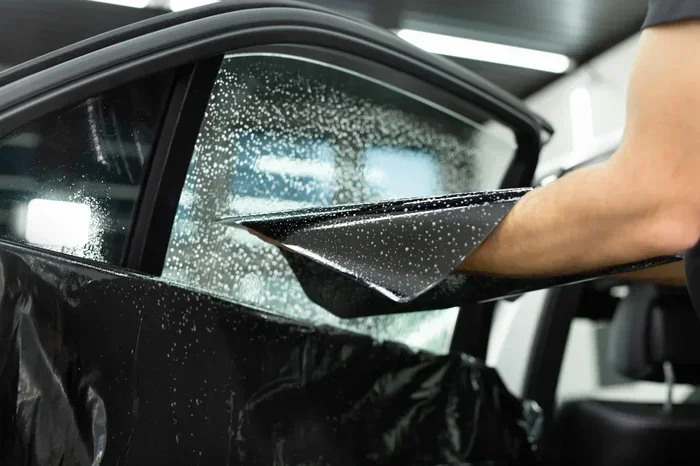
DIY tint kits are widely available and tempting because of their lower cost. However, applying window tinting film yourself without understanding the legal requirements often leads to problems. Uneven application, bubbles, and peeling can all trigger questions from law enforcement. If you choose the DIY route, make sure you research your state’s tint laws thoroughly and select a kit that meets the required VLT.
How to Choose the Right Car Glass Film for Your Vehicle
Choosing the right auto tint film involves more than picking a shade you like. You need to consider legality, performance, durability, and your specific driving needs. Here are the factors that matter most when selecting a car glass film in 2024.
Ceramic Tint vs. Carbon Tint
Ceramic tint is widely regarded as the premium option for car window film. It offers excellent heat rejection, blocks up to 99% of UV rays, and does not interfere with electronic signals. Ceramic films are also non-metallic, which means they comply with most state regulations on reflectivity. The downside is that ceramic tint tends to be more expensive than other options.
Carbon tint is a strong mid-range alternative. It provides good heat rejection, does not fade over time as quickly as dyed films, and is also non-metallic. Carbon films typically have a matte finish that many drivers prefer for its sleek appearance. While not quite as effective as ceramic at blocking heat, carbon tint offers excellent performance at a more affordable price point.
Dyed Tint: Budget-Friendly but Limited
Dyed tint is the most affordable option available. It blocks some heat and provides a dark, uniform appearance. However, dyed films tend to fade and bubble over time, especially in hot climates. They also offer less UV protection than ceramic or carbon options. For drivers on a tight budget, dyed tint can work, but it may need to be replaced sooner than higher-quality films.
Metalized Tint: Effective but Restricted
Metalized car glass film is durable and offers strong heat rejection. The metallic particles in the film create a reflective surface that helps block sunlight. However, many states restrict or ban metalized films because they can interfere with GPS, cell phone signals, and radio reception. Before choosing metalized tint, check your state’s tint film regulations to ensure it is allowed.
Hybrid Tint: The Best of Both Worlds
Hybrid tint combines elements of different film types, often blending ceramic or metallic particles with dyed layers. This approach delivers strong performance at a moderate price. Hybrid films are becoming increasingly popular among drivers who want quality without the premium price tag of full ceramic tint.
Quick Tips for Staying Compliant With Car Glass Film Rules
Staying on the right side of car glass film rules does not have to be complicated. Here are some quick tips that every driver should follow.
- Check your state’s DMV website for the latest window tinting laws before getting any film applied.
- Ask your installer for the VLT rating of the film they plan to use and verify it yourself.
- Account for factory tint when calculating the combined VLT of your windows.
- Keep your exemption paperwork in the vehicle if you have a medical exemption or special permit.
- Choose a reputable auto tint shop that understands local regulations and uses quality materials.
- Avoid tinting your own windows unless you are confident in both the application and the legal limits.
- Re-check your state’s laws annually, as tint regulations can and do change from year to year.
Following these tips will help you avoid tint tickets, failed inspections, and the hassle of having to remove and replace non-compliant film. A little research goes a long way when it comes to car glass film rules.
Conclusion
Car glass film rules are not just bureaucratic red tape. They exist to protect drivers, passengers, and pedestrians. Understanding these rules before you tint your windows can save you money, time, and stress in the long run. Whether you are looking for UV protection film, heat rejection film, or simply a way to reduce glare on long drives, staying within legal tint limits should always be your top priority.
The landscape of window tinting laws continues to evolve in 2024, with states updating their regulations to reflect new technologies and safety research. Staying informed and proactive is the best way to ensure your aftermarket tint keeps you compliant and your vehicle looking great. Take the time to research your state’s specific requirements, choose a quality film that meets those requirements, and work with a trusted professional who understands the rules inside and out.
Your car glass film should enhance your driving experience, not create legal problems. By following the rules outlined in this guide, you can enjoy the benefits of tinted windows with complete confidence. Stay informed, stay compliant, and drive safely.
Frequently Asked Questions
What is the legal tint limit for front side windows in most states?
Most states require front side windows to have a VLT of at least 50% to 70%. However, the exact limit depends on your state’s specific window tinting laws. Some states like New Jersey do not allow any tint on front side windows at all. Always verify your state’s current regulations before applying film to your front windows.
Can I get a tint ticket for having too dark of a film?
Yes, if your car glass film does not meet the VLT requirements for your state, you can receive a tint ticket. Fines vary by state and can range from $50 to over $500. In some cases, you may also be required to remove the non-compliant film before your vehicle can pass inspection.
How do I know if my state allows a medical tint exemption?
Many states offer medical tint exemptions for drivers with documented medical conditions that require protection from sunlight. You will need a letter from a licensed physician explaining your condition and recommending a specific VLT level. Check with your state’s DMV or department of transportation to learn the specific requirements for your location.
What is the difference between ceramic tint and carbon tint?
Ceramic tint uses nano-ceramic particles to block heat and UV rays without interfering with electronic signals. It is the most effective and expensive option. Carbon tint uses carbon particles and offers good heat rejection at a lower price point. Both are non-metallic and generally comply with most state tint film regulations. The main difference is performance and cost.
Does factory tint count toward the legal VLT limit?
Yes, in most states the factory tint on your windows is included in the combined VLT measurement. If your vehicle has a factory tint of 75% and you apply a film that reduces light transmission further, the combined VLT may fall below your state’s legal limit. Always account for factory tint when planning your aftermarket tint application.
Can I tint my windshield at all?
In most states, you can tint a narrow strip at the top of the windshield, usually above the AS-1 line marked by the manufacturer. Full windshield tinting is almost universally prohibited. The exact width of the allowed tint strip varies by state, so check your local car glass film rules before applying any tint to your windshield.
=== KEY TAKEAWAYS ===
Key Takeaways
- Know Your VLT Limits: Visible Light Transmission percentages determine whether your car glass film is legal.
- State Laws Vary Widely: What is legal in one state may violate tint film regulations in another.
- Medical Exemptions Exist: Some drivers qualify for special tint exemptions with a doctor’s note.
- Avoid Common Mistakes: Bubbling, peeling, or overly dark film can lead to tint tickets and failed inspections.
- Choose Quality Materials: Ceramic and carbon auto tint film options offer better performance and legality.
- Stay Updated: Window tinting laws change frequently, so always verify current rules before tinting.