How Many MPG Does a 2010 Toyota Corolla Really Get
The 2010 Toyota Corolla delivers an EPA-rated 27 MPG in the city and 35 MPG on the highway for a combined 30 MPG. This reliable compact car remains one of the best choices for budget-conscious drivers who want excellent fuel economy without sacrificing dependability. Whether you drive a sedan with a manual or automatic transmission, the gas mileage numbers are impressive and hold up well over time.
Have you ever wondered how many miles per gallon a 2010 Toyota Corolla really gets? Maybe you are thinking about buying a used car and want to know what kind of fuel economy you can expect. Or perhaps you already own one and want to see if you are getting the most out of your vehicle. Either way, you have come to the right place.
The 2010 Toyota Corolla is one of the most popular compact cars on the road. It has earned a reputation for being reliable, affordable, and incredibly fuel efficient. In this article, we will dive deep into the fuel economy numbers for this model year. We will look at EPA ratings, real-world results, and everything in between. By the end, you will have a clear picture of what this car delivers at the pump.
Understanding your car’s fuel economy is more than just a numbers game. It directly impacts your monthly budget, your driving habits, and even your environmental footprint. A vehicle with good gas mileage saves you money on every trip to the gas station. It also means fewer trips to the fuel pump, which adds up to real convenience over time. The 2010 Corolla shines in this area, and we are here to prove it with detailed, honest information.
Key Takeaways
- EPA Combined MPG of 30: The 2010 Toyota Corolla earns a combined fuel economy rating of 30 miles per gallon, making it a top pick among compact sedans.
- City vs Highway Numbers Differ: Expect 27 MPG in city driving and 35 MPG on the highway, giving you flexibility for different commute styles.
- Manual and Automatic Both Deliver: The 5-speed manual and 4-speed automatic transmissions offer similar fuel efficiency, with slight variations based on driving habits.
- Low Annual Fuel Cost: Owners can expect to spend around $1,200 to $1,500 per year on gas, depending on driving patterns and fuel prices.
- Real-World MPG Often Exceeds EPA Ratings: Many owners report getting 32 to 38 MPG in mixed driving, especially with gentle acceleration and proper maintenance.
- Engine and Size Matter: The 1.8 liter 4-cylinder engine and lightweight compact car design are the main reasons for the strong fuel efficiency.
- Maintenance Keeps MPG High: Regular tune-ups, clean air filters, and proper tire pressure help the Corolla maintain its excellent gas mileage over the years.
📑 Table of Contents
- Understanding the 2010 Toyota Corolla MPG Ratings
- City vs Highway: Breaking Down the Numbers
- How the 2010 Corolla Compares to Other Compact Cars
- Real-World MPG: What Owners Are Actually Getting
- Tips to Maximize Your 2010 Corolla’s Fuel Economy
- Annual Fuel Cost and Ownership Expenses
- Engine Specifications and Why They Matter for MPG
- Common Mistakes That Hurt Your MPG
- Final Thoughts on the 2010 Toyota Corolla MPG
Understanding the 2010 Toyota Corolla MPG Ratings
When we talk about the 2010 Toyota Corolla MPG, we are referring to the official fuel economy estimates provided by the Environmental Protection Agency. These numbers are tested under controlled conditions and give buyers a reliable baseline for comparison. The EPA rates the 2010 Corolla at 27 MPG in the city and 35 MPG on the highway. Combined, the sedan earns an average of 30 MPG.
These ratings apply to the base model with the 1.8 liter 4-cylinder engine. Both the 5-speed manual transmission and the 4-speed automatic transmission are rated at the same fuel economy numbers. This is great news for buyers who want flexibility in their choice of drivetrain without sacrificing efficiency.
What the City MPG Number Means
The city rating of 27 MPG reflects driving in stop-and-go traffic, lower speeds, and frequent stops and starts. This is the number most urban drivers will see in their daily commute. City driving tends to be harder on fuel economy because of idling and acceleration from a standstill. Despite this, 27 MPG in city conditions is very competitive for a compact sedan from 2010.
Many drivers in busy metro areas report getting close to or even slightly above the EPA city rating. This depends heavily on driving style, traffic conditions, and how well the vehicle is maintained. If you are mostly driving in the city, the 2010 Corolla will serve you well at the fuel pump.
What the Highway MPG Number Means
The highway rating of 35 MPG is where the 2010 Corolla truly shines. Highway driving involves steady speeds, less braking, and fewer stops. These conditions allow the engine to operate at its most efficient range. For drivers who spend a lot of time on open roads or interstate highways, this number is especially encouraging.
Many owners report achieving 37 or even 38 MPG on long highway trips. This is above the EPA estimate and shows just how capable this little compact car can be. If you have a long commute on the highway, the Corolla will reward you with some of the best fuel economy in its class.
City vs Highway: Breaking Down the Numbers
The difference between city and highway MPG tells us a lot about how a car uses fuel. For the 2010 Toyota Corolla, the gap between the two ratings is 8 MPG. This is a normal and expected spread for a compact sedan. Let us look at what drives this difference and what it means for you.
In city driving, the engine works harder during acceleration phases. Every time you stop at a light or a stop sign, you lose the momentum you built up. The engine then has to work again to get back up to speed. This stop-start cycle uses more fuel overall. Highway driving avoids much of this inefficiency because you maintain a steady pace for extended periods.
Here is a simple breakdown of what affects MPG in each scenario:
- City Driving Factors: Frequent stops, low speeds, idling time, short trips, and traffic congestion all reduce fuel economy.
- Highway Driving Factors: Steady speeds, minimal braking, cruise control usage, and long distances all improve fuel economy.
- Shared Factors: Tire pressure, engine condition, driving habits, and vehicle weight affect both city and highway MPG.
The good news is that the 2010 Corolla handles both scenarios very well. You do not need to choose between city efficiency and highway efficiency. This car delivers solid numbers in both environments, which is a big reason why it remains a favorite among used car buyers.
How the 2010 Corolla Compares to Other Compact Cars
Fuel economy is always better when you can compare it to similar vehicles. The 2010 Toyota Corolla competes with several other compact sedans from the same era. Let us see how it stacks up against some of the most popular alternatives.
| Vehicle | City MPG | Highway MPG | Combined MPG |
|---|---|---|---|
| 2010 Toyota Corolla | 27 | 35 | 30 |
| 2010 Honda Civic | 25 | 36 | 29 |
| 2010 Hyundai Elantra | 27 | 37 | 31 |
| 2010 Ford Focus | 23 | 34 | 27 |
| 2010 Nissan Sentra | 26 | 34 | 29 |
As you can see, the 2010 Corolla holds its own against the competition. The Hyundai Elantra edges it out slightly in combined MPG, but the Corolla makes up for it with its legendary reliability and lower maintenance costs. The Honda Civic is close behind, and both of these models are excellent choices for fuel-conscious buyers.
What makes the Corolla stand out is not just the numbers on paper. It is the combination of fuel economy, durability, and low cost of ownership. When you factor in repair costs, parts availability, and resale value, the Corolla often comes out ahead. This is why it has been one of the best-selling cars in the world for decades.
Real-World MPG: What Owners Are Actually Getting
EPA ratings are a great starting point, but they do not tell the whole story. Real-world MPG can vary based on many factors. Let us look at what actual 2010 Corolla owners are reporting in their day-to-day driving.
Owner Reports and Community Data
Many Corolla owners share their fuel economy data on forums and apps dedicated to tracking MPG. The general consensus is that the 2010 Corolla delivers fuel economy that matches or slightly exceeds the EPA estimates. Most owners report getting between 30 and 36 MPG in mixed driving conditions.
Some owners with mostly highway commutes report numbers in the 37 to 40 MPG range. These results are especially common among drivers who practice gentle acceleration and maintain steady speeds. On the other hand, owners who drive aggressively in heavy city traffic may see numbers closer to 24 or 25 MPG.
Factors That Influence Real-World MPG
Several factors can push your real-world fuel economy above or below the EPA estimates. Understanding these can help you maximize your Corolla’s efficiency.
- Driving Style: Aggressive acceleration and hard braking reduce MPG significantly. Smooth, gradual acceleration is one of the best ways to improve fuel economy.
- Speed: Driving at very high speeds increases aerodynamic drag and fuel consumption. Staying near the speed limit helps maintain good MPG.
- Vehicle Maintenance: Fresh oil, clean air filters, and properly inflated tires all contribute to better fuel economy.
- Climate and Terrain: Cold weather and hilly terrain can reduce MPG. Hot weather and flat roads tend to improve it.
- Accessories and Load: Roof racks, heavy cargo, and excess weight in the trunk all decrease fuel efficiency.
The takeaway here is simple. Your driving habits matter just as much as the car itself. A well-maintained 2010 Corolla driven with care will reward you with excellent fuel economy for years to come.
Tips to Maximize Your 2010 Corolla’s Fuel Economy
Want to get the most out of every gallon? Here are some practical tips that any Corolla owner can follow. These suggestions are easy to implement and can make a noticeable difference in your MPG.
- Keep Your Tires Properly Inflated: Underinflated tires create more rolling resistance, which forces the engine to work harder. Check your tire pressure at least once a month.
- Use the Recommended Oil Grade: Using the correct motor oil weight reduces engine friction and helps the engine run more efficiently.
- Avoid Excessive Idling: If you are parked for more than a minute, turn off the engine. Idling wastes fuel and gets zero miles per gallon.
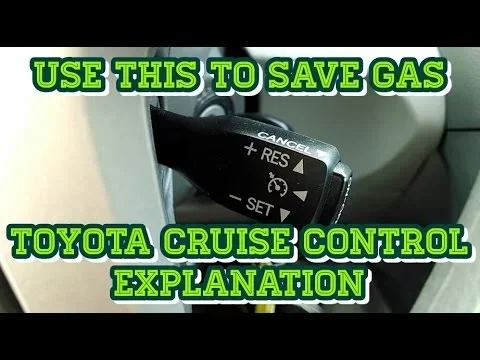
- Use Cruise Control on Highways: Maintaining a steady speed on the highway is one of the easiest ways to improve fuel economy.
- Remove Unnecessary Weight: Clean out your trunk and back seat. Extra weight means the engine has to do more work.
- Plan Your Trips: Combine errands into a single trip to reduce total driving distance and avoid cold starts.
- Keep Up with Maintenance: Regular oil changes, spark plug replacements, and air filter changes keep the engine running at its best.
These tips are not specific to the 2010 Corolla, but they apply to any vehicle. The difference they make can be anywhere from 5 to 15 percent improvement in fuel economy. Over time, those savings add up to real money in your pocket.
Annual Fuel Cost and Ownership Expenses
One of the biggest advantages of the 2010 Toyota Corolla is its low annual fuel cost. The U.S. Department of Energy estimates that the average driver will spend between $1,200 and $1,500 per year on gasoline for this vehicle. This estimate assumes a fuel price of around $3.00 per gallon and an annual mileage of 15,000 miles.
Compare this to larger sedans or SUVs, and the savings become even more apparent. A full-size sedan with 20 MPG combined would cost over $2,000 per year in fuel at the same gas price. That is a difference of several hundred dollars every single year. Over five years of ownership, the Corolla’s fuel savings alone can add up to $1,000 or more.
Beyond fuel costs, the Corolla is also known for its low maintenance expenses. Parts are widely available, repairs are straightforward, and the vehicle has a proven track record of durability. This combination of low fuel costs and low maintenance costs makes the 2010 Corolla one of the most affordable compact cars to own and operate.
How Driving Habits Affect Your Annual Fuel Cost
Your personal driving habits play a big role in determining your actual annual fuel cost. If you commute 30 miles each way on the highway, you will spend less on gas than someone who drives 15 miles in heavy city traffic. The type of roads you drive on, your commute distance, and even the time of year all factor into the equation.
Using a fuel cost calculator can help you estimate your personal annual fuel expense. Simply enter your average daily mileage, local gas prices, and the vehicle’s MPG rating. This gives you a personalized number that is much more accurate than the general estimate. Many Corolla owners find that their actual fuel costs come in below the average, thanks to the car’s excellent efficiency.
Engine Specifications and Why They Matter for MPG
The 2010 Toyota Corolla is powered by a 1.8 liter 4-cylinder engine that produces 132 horsepower. This engine is paired with either a 5-speed manual or a 4-speed automatic transmission. Both powertrain combinations are designed with fuel efficiency in mind.
The 1.8 liter engine is a proven design that has been refined over many years. It uses lightweight materials and efficient combustion technology to squeeze every bit of energy from each drop of fuel. The 4-cylinder configuration is inherently more fuel-efficient than larger engines with more cylinders, which is one reason the Corolla delivers such strong MPG numbers.
The compact car segment itself benefits from smaller engines and lighter vehicle weight. The 2010 Corolla weighs around 2,700 pounds, which is quite light for a sedan. Less weight means less energy is needed to move the car, which directly translates into better fuel economy. This is a key reason why the Corolla has always been a leader in the compact car segment.
Manual vs Automatic Transmission: Does It Affect MPG?
For the 2010 Corolla, the EPA rates both the manual and automatic transmissions at the same fuel economy numbers. In practice, however, drivers of manual transmissions often report slightly better real-world MPG. This is because a skilled manual driver can shift gears at optimal times and keep the engine in its most efficient range.
That said, the difference is usually small. Most drivers will not notice a significant gap in fuel economy between the two transmission options. The automatic transmission in the 2010 Corolla is well-designed and shifts smoothly, which helps maintain good efficiency. Whether you choose the manual or automatic version, you can expect excellent fuel economy from this car.
Common Mistakes That Hurt Your MPG
Even the most fuel-efficient car will suffer if the driver makes certain mistakes. Here are some common habits that can reduce your 2010 Corolla’s MPG without you even realizing it.
- Ignoring the Check Engine Light: A glowing check engine light can indicate problems that directly reduce fuel economy, such as a faulty oxygen sensor or misfiring spark plug.
- Using the Wrong Fuel: The 2010 Corolla is designed to run on regular unleaded gasoline. Premium fuel will not improve MPG and only wastes money.
- Carrying a Roof Rack When Not in Use: Roof racks create aerodynamic drag that can reduce highway MPG by 2 to 5 percent.
- Aggressive Driving: Speeding, rapid acceleration, and hard braking can lower your MPG by up to 33 percent on the highway and 5 percent in the city.
- Skipping Maintenance: Neglecting oil changes, air filter replacements, and spark plug services will gradually reduce your fuel economy over time.
Avoiding these mistakes is one of the easiest ways to protect your fuel economy. Most of them are free to fix and require nothing more than a change in habit. The 2010 Corolla is built to be efficient, but it needs your help to deliver the best possible MPG.
Final Thoughts on the 2010 Toyota Corolla MPG
The 2010 Toyota Corolla is a standout when it comes to fuel economy. With an EPA rating of 27 MPG in the city and 35 MPG on the highway, it delivers excellent efficiency for a compact sedan. Real-world results often exceed these numbers, especially for drivers who practice good habits and keep up with maintenance.
Whether you are commuting to work, running errands around town, or taking a long road trip, the 2010 Corolla will keep your fuel costs low. Its combination of a lightweight design, efficient 1.8 liter engine, and proven reliability makes it one of the best choices in the used compact car market. The 2010 Corolla MPG numbers speak for themselves, and they continue to be a major reason why this model remains so popular with buyers today.
If you are in the market for a dependable, fuel-efficient, and affordable used car, the 2010 Toyota Corolla should be at the top of your list. It offers the kind of fuel economy that saves you money every single day, without compromising on comfort or reliability. A smart choice for any driver who values efficiency and long-term value.
Frequently Asked Questions
What is the EPA-rated MPG for the 2010 Toyota Corolla?
The 2010 Toyota Corolla is rated at 27 MPG in the city, 35 MPG on the highway, and 30 MPG combined by the EPA. These ratings apply to both the manual and automatic transmission versions with the 1.8 liter 4-cylinder engine.
Can I get better MPG than the EPA rating in a 2010 Corolla?
Yes, many owners report getting above the EPA estimates, especially on highway trips. With gentle driving habits, proper maintenance, and steady speeds, some owners achieve 37 to 40 MPG on the highway. City MPG results vary more but often match or slightly exceed the 27 MPG rating.
Does the transmission type affect the 2010 Corolla’s fuel economy?
The EPA rates both the 5-speed manual and 4-speed automatic at the same MPG numbers. In real-world driving, manual transmission owners sometimes report slightly better fuel economy because they have more control over gear selection. However, the difference is usually small and not noticeable for most drivers.
How much does it cost to fuel a 2010 Toyota Corolla annually?
The U.S. Department of Energy estimates an annual fuel cost of around $1,200 to $1,500 for the 2010 Corolla, based on average driving of 15,000 miles per year and a gas price of $3.00 per gallon. Your actual cost will depend on your commute distance, driving habits, and local fuel prices.
What engine does the 2010 Toyota Corolla have?
The 2010 Toyota Corolla comes with a 1.8 liter 4-cylinder engine that produces 132 horsepower. This engine is paired with either a 5-speed manual or a 4-speed automatic transmission. It is designed for a balance of performance and fuel efficiency.
How can I improve my 2010 Corolla’s MPG?
You can improve your MPG by keeping tires properly inflated, using the recommended oil grade, avoiding aggressive driving, removing excess weight, and staying on top of regular maintenance. These simple steps can boost your fuel economy by several percentage points and save you money over time.
=== CONCLUSION ===
The 2010 Toyota Corolla delivers outstanding fuel economy that makes it one of the best values in the used compact car market. With an EPA combined rating of 30 MPG, real-world results that often exceed expectations, and low annual fuel costs, this car is a smart choice for anyone who wants to save money at the pump. The combination of a reliable 1.8 liter engine, lightweight design, and Toyota’s legendary build quality means you get a car that is efficient today and will remain efficient for years to come.
Whether you are comparing it to the Honda Civic, Hyundai Elantra, or any other compact sedan, the 2010 Corolla holds its own in fuel economy and beats most competitors in long-term ownership costs. By following the tips in this article and maintaining your vehicle properly, you can enjoy the best possible MPG from your 2010 Toyota Corolla for the entire life of the car.