Car Interior Cleaning Foam Tips for a Spotless Cabin
Car interior cleaning foam is one of the easiest and most effective ways to keep your vehicle’s cabin looking brand new. This guide covers everything you need to know about choosing, applying, and mastering car interior cleaning foam for a truly spotless cabin. You will learn practical steps, expert tips, and common mistakes to avoid for professional-level results at home.
There is something deeply satisfying about stepping into a car that smells fresh and looks spotless. Your vehicle’s interior takes a beating every single day. Coffee spills, crumbs, dust, and grime build up faster than most people realize. The good news is that a car interior cleaning foam can transform your cabin in minutes.
Unlike traditional sprays or liquid cleaners, foam clings to surfaces. It stays put long enough to break down dirt, stains, and odors. Whether you drive a sedan, SUV, or truck, the right foam cleaner makes car interior detailing simple and fast. You do not need expensive equipment or professional skills.
This guide walks you through everything you need to know. From choosing the best product to applying it correctly, you will find actionable advice that works. Let us dive in and make your cabin look and feel like new again.
Key Takeaways
- Choose the right foam type: All-purpose, upholstery, and leather foams serve different surfaces and deliver unique benefits.
- Preparation matters: Vacuuming and dusting before applying foam ensures better contact and deeper cleaning.
- Application technique is key: Spray, let dwell, agitate gently, and wipe for the best results with your car interior cleaning foam.
- Avoid common mistakes: Over-spraying, using harsh brushes, and skipping dilution can damage interior surfaces.
- Maintenance between cleans: Regular quick wipes and odor control keep your cabin fresh without full detail sessions.
- Expert-recommended products exist: Top-rated foam cleaners offer proven performance across different interior materials.
📑 Table of Contents
What Is Car Interior Cleaning Foam and Why It Works
Car interior cleaning foam is a specialized cleaning product designed for vehicle interiors. It comes out as a thick, creamy foam that adheres to vertical surfaces like dashboards, console tops, and door panels. This is what sets it apart from regular liquid cleaners, which tend to drip and run off surfaces quickly.
How Foam Cleaners Are Different from Sprays
Traditional spray cleaners often leave surfaces wet too quickly. The liquid runs down, leaving streaks and residue. Foam, on the other hand, stays on the surface longer. This extended contact time allows the cleaning agents to penetrate dirt and grime more effectively.
Here is why foam works so well for car cabin cleaning:
- Thicker consistency: Foam clings to horizontal and vertical surfaces without dripping.
- Longer dwell time: The foam stays active on the surface, giving cleaning agents more time to work.
- Less overspray: Foam stays where you put it, reducing mess on glass, electronics, and fabric.
- Gentle yet effective: Most foam cleaners are formulated to be safe on plastics, vinyl, and leather.
The Science Behind Foam Cleaning
Foam cleaners use a propellant system to create a rich, airy lather. When you spray, the product expands into tiny bubbles filled with cleaning agents. These bubbles carry surfactants that lift dirt and oils from surfaces. As the foam breaks down, it carries the dirt away with it.
This process is especially helpful for car interior deep clean tasks. Stubborn stains on upholstery, greasy dashboards, and embedded grime all respond well to foam cleaning. The foam penetrates porous surfaces like fabric and leather, loosening dirt from within.
Many foam cleaner for car products also include conditioners. These leave a protective layer behind after cleaning. That means your surfaces stay cleaner longer and look fresher between washes.
Types of Car Interior Cleaning Foam You Should Know
Not all foam cleaners are the same. Different formulas target different surfaces and problems. Understanding the types available helps you choose the right one for your needs.
All-Purpose Foam Cleaners
All-purpose foam cleaners are the most versatile option. They work on dashboards, door panels, center consoles, and hard plastic surfaces. These are the go-to choice for most car interior maintenance routines.
An all-purpose foam cleaner typically handles light to moderate dirt. It removes surface grime, fingerprints, and light stains. For a quick car interior refresh, this is the product to reach for. Brands in this category often include UV protectants to prevent fading.
Upholstery-Specific Foam Cleaners
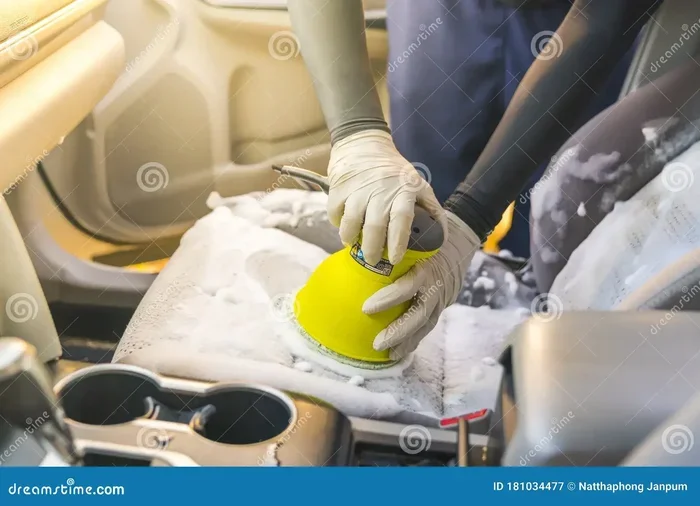
Fabric seats and carpeted floors need a different approach. Car upholstery cleaner foams are designed to penetrate deep into fabric fibers. They lift embedded dirt, food particles, and stains without soaking the material.
A dedicated foam carpet cleaner car formula works wonders on floor mats and seat fabrics. These products often come with a foam gun or applicator nozzle for even coverage. They are ideal for families, pet owners, and anyone dealing with daily wear and tear.
Leather and Vinyl Foam Cleaners
Leather and vinyl surfaces require gentle but effective cleaning. A leather cleaner foam or vinyl cleaner foam is formulated to lift dirt without drying out or cracking the material. These foams often include moisturizing agents that condition the surface as they clean.
Using a regular all-purpose foam on leather can strip natural oils over time. That is why having a dedicated leather cleaner foam matters. It keeps your leather seats supple and prevents premature aging. The same principle applies to vinyl surfaces on dashboards and door trim.
| Foam Type | Best Surface | Key Benefit | Typical Price Range |
|---|---|---|---|
| All-Purpose Foam | Plastics, hard surfaces | Versatile and fast-acting | $8-$15 |
| Upholstery Foam | Fabric seats, carpets | Deep penetration and stain removal | $10-$18 |
| Leather Foam | Leather seats, vinyl | Cleans and conditions simultaneously | $12-$20 |
| Dashboard Foam | Dash, console, panels | Anti-static and UV protection | $7-$14 |
Step-by-Step Guide to Using Car Interior Cleaning Foam
Using car interior cleaning foam correctly makes a huge difference in results. A quick spray-and-wipe might seem enough, but a proper method delivers professional-level cleanliness. Here is exactly how to do it right.
Preparing Your Car Interior
Before you spray anything, preparation is essential. Skipping this step means you are just pushing dirt around instead of removing it.
- Remove all loose items: Take out trash, personal items, floor mats, and seat accessories.
- Vacuum thoroughly: Use a handheld vacuum or shop vac to remove crumbs, dust, and debris from seats, carpets, and crevices.
- Dust surfaces: Use a soft brush or microfiber cloth to remove dust from the dashboard, vents, and console.
- Open windows: Ventilation helps the foam dry faster and reduces chemical fumes inside the cabin.
Proper preparation ensures your foam applicator pad or spray nozzle contacts clean surfaces. This maximizes the cleaning power of every application.
Applying the Foam Correctly
How you apply the foam matters just as much as the product you choose. Follow these steps for the best results:
- Shake the can well: This mixes the formula and activates the foaming agents.
- Spray from 6-8 inches away: Hold the can at a slight angle to create an even foam layer.
- Apply in sections: Work on one area at a time, such as the dashboard, then the doors, then the seats.
- Use a light coat: A thin, even layer of foam covers more surface and works better than a heavy blob.
- Let it dwell for 2-3 minutes: This gives the cleaning agents time to break down dirt and stains.
Over-spraying is one of the most common mistakes. Too much foam wastes product and creates a sticky residue that is hard to wipe off. Less is more when it comes to car interior cleaning foam application.
Scrubbing and Wiping Techniques
After the foam has had time to work, it is time to agitate and wipe. Here is the best approach:
- Use a soft-bristle brush: Gently agitate the foam on textured surfaces and fabric seats. This loosens embedded dirt.
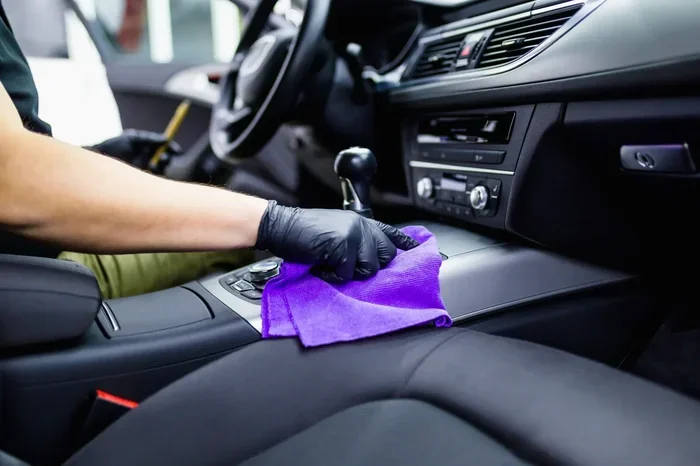
- Wipe with a microfiber cloth: Use clean, damp microfiber towels to wipe away the foam and lifted dirt.
- Flip to a dry section: After the wet wipe, go over the area with a dry cloth to remove any residue.
- Work in overlapping sections: This ensures you do not miss any spots and creates a uniform clean finish.
For stubborn stains, a second application may be needed. Let the first coat dry completely before reapplying. This gives the cleaning agents another chance to penetrate deep into the material.
Expert Insight
Professional detailers recommend using a foam applicator pad instead of spraying directly on delicate surfaces. This gives you more control over how much product goes on and prevents over-saturation. It also reduces waste and saves money over time.
Quick Tips and Common Mistakes
Even with the best car interior cleaning foam, mistakes can ruin your results. Here are the tips and pitfalls every car owner should know.
Quick Tips for Best Results
- Test on a hidden area first: Always spot-test any new foam cleaner on a discreet section before applying it to visible areas.
- Work in the shade: Cleaning in direct sunlight causes foam to dry too fast, reducing its cleaning effectiveness.
- Use separate cloths for different areas: Keep one cloth for the dashboard, another for seats, and another for carpets to avoid cross-contamination.
- Store cans upright: This prevents leaks and ensures the propellant system works correctly every time.
- Combine with a foam brush car interior: A dedicated foam brush helps distribute product evenly and agitates dirt gently.
These small habits add up to dramatically better cleaning results. Consistency is just as important as technique when it comes to car interior maintenance.
Common Mistakes to Avoid
- Using too much product: Excess foam leaves a sticky film that attracts more dust. A thin, even coat is all you need.
- Skipping the dwell time: Wiping immediately after spraying means the cleaning agents do not have time to break down dirt.
- Using harsh brushes: Stiff bristles can scratch plastic surfaces and damage delicate leather. Always use soft tools.
- Ignoring ventilation: Cleaning in a closed garage exposes you to fumes. Always work in a well-ventilated area.
- Neglecting the interior car odor remover step: After cleaning, use an odor-neutralizing product to keep the cabin fresh.
- Applying foam to hot surfaces: Heat causes foam to evaporate too quickly, reducing its cleaning power significantly.
Avoiding these mistakes protects both your interior surfaces and your health. A little patience goes a long way toward professional-looking results.
Expert Insights and Product Comparisons
Choosing the right car detailing foam can feel overwhelming with so many options on the market. Let us look at what the experts recommend and how top products compare.
What Experts Recommend
Professional detailers agree that the best automotive interior cleaner foams share several qualities. They produce a rich, clinging foam. They clean effectively without leaving residue. And they are safe on multiple surface types.
Experts also emphasize the importance of pH-balanced formulas. Harsh alkaline cleaners can damage plastic and leather over time. A car surface cleaner foam with a neutral or slightly acidic pH is much safer for your interior surfaces.
Many professionals also recommend foam cleaners that include antimicrobial agents. These help fight bacteria and odors at the source, which is especially important for car interior hygiene in families and pet owners.
Comparison Table of Top Foam Cleaners
| Product | Type | Key Feature | Best For | Rating |
|---|---|---|---|---|
| Meguiar’s Interior Detailer Foam | All-Purpose | Anti-static, UV protection | Dashboard and hard surfaces | 4.7/5 |
| Chemical Guys Nonsense Foam | All-Purpose | Fruity scent, quick-dry | Full interior refresh | 4.6/5 |
| Armor All Foam Cleaner | All-Purpose | Affordable, widely available | Budget-friendly cleaning | 4.3/5 |
| Koch Chemie Pol Star | Upholstery | Deep penetrating foam | Fabric seats and carpets | 4.8/5 |
| Leatherique Rejuvenator Oil Foam | Leather | Cleans and conditions | Leather seats and vinyl | 4.7/5 |
| 303 Aerospace Fabric Guard Foam | Fabric | Stain resistance after cleaning | High-traffic fabric areas | 4.5/5 |
Each product has its strengths. Your choice depends on your specific needs, budget, and the type of interior surfaces in your vehicle. Reading labels carefully ensures you pick the right interior car cleaner for the job.
Key Takeaways for Product Selection
- Match the foam to the surface: Use all-purpose for hard surfaces, upholstery foam for fabric, and leather foam for leather seats.
- Look for pH-balanced formulas: These are safer for your interior materials and deliver longer-lasting results.
- Consider added benefits: UV protection, anti-static properties, and antimicrobial agents add real value to your cleaning routine.
Keeping Your Cabin Fresh Between Cleanings
A thorough cleaning with car interior cleaning foam is a great start. But maintaining that fresh, clean feeling between deep cleans is just as important. Here is how to keep your cabin looking and smelling great week after week.
Start with simple daily habits. Keep a small trash bag in the back seat. Wipe up spills immediately with a damp microfiber cloth. Use floor mats to protect carpets from dirt and wear. These small actions prevent buildup and reduce how often you need a full foam cleaning session.
For ongoing freshness, consider using an interior car odor remover spray between cleanings. These products neutralize odors rather than just masking them with perfume. A few sprays after eating in the car or after transporting pets can make a noticeable difference.
Another great habit is to keep a microfiber cloth and a quick spray of car surface cleaner in your trunk. A 30-second wipe-down after each drive keeps dust from accumulating. This simple routine extends the time between full car interior deep clean sessions significantly.
Finally, do not forget about air vents and crevices. These areas collect dust and debris that regular wiping misses. A soft brush or compressed air can help keep these hidden spots clean. Consistent light maintenance makes every deep clean faster and more effective.
Conclusion
A car interior cleaning foam is one of the simplest yet most powerful tools in your car interior detailing arsenal. It clings to surfaces, breaks down dirt effectively, and leaves your cabin looking and smelling fresh. Whether you choose an all-purpose foam, an upholstery-specific formula, or a dedicated leather cleaner, the right product transforms your cleaning routine.
The key is to choose the right foam for your surfaces, apply it correctly, and avoid common mistakes like over-spraying and skipping dwell time. With the tips and guidance in this article, you now have everything you need to achieve professional-level results at home.
Start with a thorough preparation step, work in sections, and always follow up with proper wiping and drying. Your vehicle’s interior will look better, last longer, and feel more enjoyable to drive in. Make car interior cleaning foam a regular part of your car interior maintenance routine, and your cabin will thank you for it.
Now that you know the best techniques, grab a can of foam, gather your microfiber cloths, and give your car the deep clean it deserves. A spotless cabin is just one spray away.
Frequently Asked Questions
How often should I use car interior cleaning foam?
For most drivers, a thorough foam cleaning every 2-4 weeks works well. Daily quick wipes with a microfiber cloth help maintain results between deep cleans. If you eat in your car frequently or have pets, you may need to clean more often to prevent buildup and odors.
Can I use car interior cleaning foam on all surfaces?
Not all foams are safe for every surface. All-purpose foams work well on hard plastics and vinyl. Use upholstery-specific foam on fabric seats and carpets. For leather, choose a dedicated leather cleaner foam that includes conditioning agents. Always test on a hidden area first.
Is car interior cleaning foam safe for electronics and touchscreens?
Most foam cleaners are not recommended for touchscreens and delicate electronics. The residue can interfere with touch sensitivity. Use a dedicated screen cleaner or a lightly dampened microfiber cloth for these areas. Keep foam away from screens and digital displays.
What is the difference between foam cleaner and spray cleaner for car interiors?
Foam clings to surfaces and stays active longer, giving cleaning agents more time to work. Spray cleaners tend to drip and evaporate quickly, which can leave streaks. Foam is generally better for vertical surfaces like dashboards and door panels, while spray cleaners work well for flat horizontal surfaces and glass.
How do I remove stubborn stains with car interior cleaning foam?
For stubborn stains, apply foam directly to the affected area and let it dwell for 3-5 minutes. Use a soft-bristle brush to gently agitate the stain in circular motions. Wipe away with a damp microfiber cloth and repeat if necessary. Avoid using excessive force, which can damage the fabric or material.
Can I make my own car interior cleaning foam at home?
Yes, you can make a simple DIY foam cleaner using warm water, a few drops of mild dish soap, and a foaming spray bottle. However, commercial foam cleaners are specifically formulated for automotive surfaces and often include UV protectants and conditioning agents that DIY solutions lack. For best results, a dedicated car interior cleaning foam product is recommended.