Car Interior Roof Fabric Cleaning and Restoration Tips
Learn everything about car interior roof fabric care in this complete guide. We cover proven cleaning methods, stain removal tricks, and simple restoration steps that bring your car’s headliner back to life. Whether you deal with fading, sagging, or stubborn stains, these tips will help you restore and protect your car interior roof fabric with ease.
Your car interior roof fabric, also known as the headliner, takes a lot of abuse every single day. Sunlight fades it. Dust settles on it. Spills stain it. Over time, the fabric can look worn, saggy, and just plain tired. But here is the good news: you do not need to replace the whole headliner to make it look great again.
This guide walks you through everything you need to know about cleaning and restoring your car interior roof fabric. We will cover the best cleaning methods, how to tackle tough stains, simple restoration tricks, and how to prevent future damage. Whether your car is a daily driver or a weekend cruiser, these tips will help you bring that fabric back to life.
The car interior roof fabric is one of the most overlooked areas during regular car cleaning. Most people wash the exterior, vacuum the seats, and wipe the dashboard. But the headliner? It often gets ignored until a visible stain or sag shows up. The truth is, taking care of your car interior roof fabric early and often saves you time, money, and headaches down the road.
Key Takeaways
- Regular cleaning prevents buildup: Dust and grime collect on car interior roof fabric fast, so routine care keeps it looking fresh.
- Steam cleaning is a game-changer: Using a handheld steamer lifts deep dirt from foam-backed fabric without harsh chemicals.
- Address stains immediately: The faster you treat spills and spots on your headliner, the easier they are to remove.
- DIY restoration is possible: You can fix minor fading and sagging with simple tools and affordable supplies.
- Protection extends lifespan: UV-resistant sprays and fabric protectors shield your car interior roof fabric from sun damage and wear.
- Know when to call a pro: Severe mold, large tears, or complete delamination need professional attention.
📑 Table of Contents
Why Car Interior Roof Fabric Needs Regular Care
Your car interior roof fabric works hard every day. It absorbs heat, traps dust, and endures UV exposure that breaks down fibers over time. Without regular care, the fabric loses its look and structural integrity. Here is why staying on top of maintenance matters so much.
Dust and Dirt Build Up Fast
Every time you open a door, dust enters the cabin. Hair, lint, and tiny particles settle on the headliner fabric. Over weeks and months, this buildup creates a dull, dirty appearance. Worse, it can clog the tiny pores in the fabric and make it harder to clean later. A quick wipe-down every couple of weeks keeps this buildup under control.
UV Rays Cause Fading and Weakening
Sunlight is one of the biggest enemies of car interior roof fabric. The ultraviolet rays break down the dye in the fabric, causing it to fade. They also weaken the adhesive that holds the headliner to the car frame. This leads to sagging and bubbling over time. Parking in the shade or using a sunshade helps protect the fabric from UV damage.
Moisture Leads to Mold and Mildew
Spills, condensation, and humid conditions can all introduce moisture to the headliner. When moisture gets trapped in the fabric, it creates the perfect environment for mold and mildew. This not only looks bad but also smells terrible and can affect air quality inside your car. Keeping the fabric dry and clean is essential for a healthy cabin.
Common Problems with Car Interior Roof Fabric
Before you dive into cleaning and restoration, it helps to understand the most common issues that affect car interior roof fabric. Each problem has a cause, and knowing the cause helps you pick the right fix.
Stains from Spills and Accidents
Coffee, soda, food crumbs, and even makeup can leave lasting marks on the headliner. These stains look especially bad on lighter-colored fabric. The key is to act fast. The longer a stain sits, the deeper it sinks into the fibers. Blotting with a clean cloth and using a gentle cleaner right away gives you the best chance of full removal.
Sagging and Loose Fabric
Over time, the adhesive that bonds the headliner to the car frame weakens. Heat and humidity speed up this process. When the adhesive fails, the fabric starts to sag or bubble. You may notice drooping corners or ripples across the ceiling. This is a very common issue, especially in older cars or vehicles parked in hot climates.
Fading and Discoloration
Prolonged sun exposure causes the fabric to lose its original color. Some areas may fade more than others, especially near the windshield where sunlight hits directly. Fading makes the entire interior look older than it is. But the good news is that fabric dyes and restoration sprays can help even out the color.
Mold and Mildew Growth
If you live in a humid area or your car sits parked for long periods, mold can develop on the headliner. It shows up as dark spots or patches and often comes with a musty smell. Mold on car interior roof fabric is not just unsightly, it is also a health concern. You need to address it quickly and thoroughly.
Odor and Stale Smells
Even without visible stains, the headliner can absorb odors from food, pets, smoke, or everyday cabin use. These smells linger in the fabric fibers and make the whole car smell stale. A deep clean with odor-neutralizing products can refresh the fabric and eliminate unwanted smells.
Best Cleaning Methods for Car Interior Roof Fabric
Now let us get into the practical stuff. Cleaning your car interior roof fabric does not require expensive equipment or harsh chemicals. With the right approach, you can get excellent results at home.
Step-by-Step Dry Cleaning Method
Dry cleaning is the safest method for routine maintenance. It removes surface dust and loose dirt without introducing moisture to the fabric. Here is how to do it:
- Start by vacuuming the headliner with a soft brush attachment. Use gentle, sweeping motions.
- For stubborn dust, use a microfiber cloth lightly dampened with water. Wring it out so it is barely moist.
- Wipe in small sections, moving in one direction to avoid spreading dirt.
- Let the fabric air dry completely before closing the car windows.
This method works well for weekly or biweekly cleaning. It keeps the fabric looking fresh without any risk of water damage.
Deep Cleaning with Fabric Cleaner
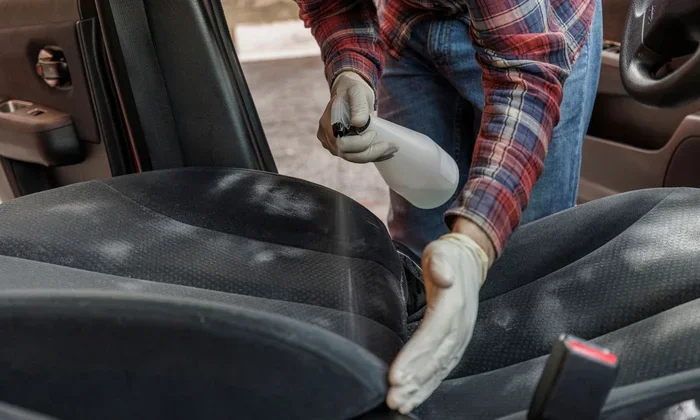
For a more thorough clean, use a dedicated fabric upholstery cleaner designed for automotive interiors. These products are formulated to lift dirt and stains from foam-backed fabric without damaging the material.
- Spray the cleaner onto a microfiber cloth, not directly onto the fabric. This prevents over-wetting.
- Gently work the cleaner into the fabric using circular motions.
- Focus on stained areas but clean the entire surface for an even result.
- Wipe away residue with a clean, damp cloth.
- Allow the fabric to dry fully with the windows cracked open for ventilation.
Always test any cleaner on a small, hidden area first. This ensures the product does not discolor or damage the fabric.
Steam Cleaning for Deep Dirt Removal
Steam cleaning is one of the most effective methods for deep cleaning car interior roof fabric. A handheld garment steamer or a small automotive steam cleaner works wonders. The hot steam loosens dirt, grime, and even kills bacteria and germs embedded in the fibers.
Here are some tips for steam cleaning your headliner:
- Hold the steamer about six inches from the fabric to avoid over-wetting.
- Use slow, steady passes across the surface.
- Blot excess moisture immediately with a dry microfiber cloth.
- Let the fabric dry completely before driving with the windows closed.
Steam cleaning is especially useful for car interior detailing because it reaches deep into the fabric without requiring harsh scrubbing or chemical soaking.
Quick Tips for Everyday Cleaning
Keeping your headliner clean does not have to be a big project. Try these simple habits:
- Keep a small handheld vacuum in your car for quick dust removal.
- Wipe down the headliner once a month with a dry microfiber cloth.
- Avoid eating or drinking in the car when possible.
- Place a sunshade on the windshield when parked to reduce UV exposure.
- Open the windows briefly after cleaning to speed up drying.
How to Restore Faded or Damaged Car Roof Fabric
Cleaning removes surface dirt, but restoration goes a step further. It addresses fading, sagging, and structural damage to bring your car interior roof fabric back to its original condition.
Restoring Color with Fabric Dye
If your headliner has faded significantly, fabric dye can restore the color. Automotive fabric dyes are available in spray cans and are specifically designed for car interiors. They bond well to foam-backed fabric and provide even coverage.
Here is how to apply fabric dye to your headliner:
- Clean the fabric thoroughly and let it dry completely.
- Tape off the edges and any trim pieces around the headliner.
- Hold the spray can about eight inches from the surface.
- Apply thin, even coats, allowing each coat to dry before adding the next.
- Apply two to three coats for best color coverage.
- Remove the tape and let the dye cure for at least 24 hours before closing the windows.
Always choose a dye color that matches your original fabric as closely as possible. Test the color on a small hidden area first if you are unsure.
Fixing Sagging Headliner Fabric
A sagging headliner is one of the most annoying problems with car interior roof fabric. It not only looks bad but can also obstruct your view if the fabric droops low enough. Here are a few ways to fix it:
- Headliner repair adhesive: Special spray adhesives designed for car headliners can re-bond the fabric to the backing board. Spray the adhesive on the board, not the fabric, and press the fabric back into place.
- Heat gun method: A heat gun on a low setting can soften the old adhesive and allow you to reposition the fabric. Move the heat gun constantly to avoid scorching the fabric.
- Staple gun trick: For small sagging areas, you can carefully lift the fabric and secure it back to the frame with short staples. This works best on accessible edges.
If the adhesive has completely failed across the entire headliner, you may need to remove the fabric, clean the board, apply fresh adhesive, and reattach the fabric. This is a more involved process but very doable with patience.
Dealing with Mold and Mildew on the Headliner
Mold on car interior roof fabric is a serious issue that needs immediate attention. Not only does it look and smell terrible, but it can also cause health problems. Here is how to tackle it:
- Mix a solution of one part white vinegar and one part water in a spray bottle.
- Spray the affected area generously and let it sit for 15 minutes.
- Gently scrub the area with a soft-bristle brush.
- Wipe away the solution with a clean, damp cloth.
- Let the fabric dry completely with good ventilation.
- For stubborn mold, use a commercial automotive mold remover following the product instructions.
After removing mold, consider applying a fabric protectant to help prevent future growth. Keeping your car dry and well-ventilated is the best long-term prevention.
Protecting Restored Fabric
Once you have cleaned and restored your car interior roof fabric, you want to protect your hard work. A UV-resistant fabric protector spray creates an invisible barrier that shields the fabric from sunlight, moisture, and stains. Apply it after the fabric has fully dried and follow the product instructions for best results.
Reapply the protector every three to six months for ongoing defense. This simple step dramatically extends the life of your headliner fabric and keeps it looking great for years.
Preventive Maintenance Tips for Your Car’s Headliner
Prevention is always easier than restoration. A few simple habits can keep your car interior roof fabric in excellent condition for the long haul.
Regular Cleaning Schedule
Set a reminder to clean your headliner at least once a month. A quick dry wipe removes surface dust before it builds up. Every three months, do a deeper clean with fabric cleaner or a steam cleaner. This routine keeps the fabric looking fresh and prevents deep staining.
Parking Strategies
Where you park matters more than you might think. Parking in the shade or in a garage reduces UV exposure and heat damage. In hot weather, cracking the windows slightly allows heat to escape and reduces moisture buildup inside the cabin.
Avoid Harsh Chemicals
Not all cleaning products are safe for car interior roof fabric. Harsh chemicals, bleach, and abrasive cleaners can damage the fabric fibers and strip the dye. Stick to products specifically designed for automotive fabric upholstery. They are gentle enough for the headliner but tough enough to get the job done.
Address Problems Early
The biggest mistake car owners make is ignoring small problems. A tiny stain left untreated can spread. Minor sagging gets worse over time. Small mold patches can become major infestations. The earlier you address an issue, the easier and cheaper the fix will be.
When to Seek Professional Help
While many cleaning and restoration tasks are DIY-friendly, some situations call for a professional. Knowing when to call in the experts saves you time and prevents costly mistakes.
Consider professional help if:
- The headliner fabric is severely moldy and covers a large area.
- The adhesive has failed completely and the fabric is hanging loose in multiple spots.
- The fabric has tears or rips that are too large to patch yourself.
- The headliner is delaminating from the foam backing and cannot be re-bonded.
- You have tried DIY methods but the stains or odors persist.
Professional interior car detailing services have access to industrial-grade equipment and specialized products that can handle tough jobs. They can also replace the headliner entirely if the damage is beyond repair. While this costs more, it ensures a long-lasting, professional-quality result.
When choosing a professional, look for someone who specializes in automotive interior restoration. Read reviews, ask for before-and-after photos, and get a clear estimate before committing. A good detailer will treat your car interior roof fabric with care and attention to detail.
Conclusion
Taking care of your car interior roof fabric does not have to be complicated or expensive. With regular cleaning, prompt stain treatment, and simple restoration techniques, you can keep your headliner looking great for years. Whether you use dry wiping, deep cleaning with fabric solutions, steam cleaning, or color restoration with dye, the key is consistency and prevention.
Protect your fabric from UV damage, address moisture issues quickly, and avoid harsh chemicals that can do more harm than good. Small habits add up to big results. Your car interior roof fabric is one of the first things people notice when they step inside your vehicle, so keeping it clean and well-maintained makes a real difference.
Start with the tips in this guide and make headliner care a regular part of your car maintenance routine. Your car interior roof fabric will thank you with a fresher, newer-looking interior that you can be proud of every time you get behind the wheel.
Frequently Asked Questions
What is the best cleaner for car interior roof fabric?
A dedicated automotive fabric upholstery cleaner works best for car interior roof fabric. Look for products that are specifically formulated for foam-backed headliner fabric. Avoid household cleaners that contain bleach or harsh chemicals, as these can damage the fabric and cause discoloration. Always test any cleaner on a small hidden area first.
Can you fix a sagging car headliner without replacing it?
Yes, you can fix a sagging car headliner without replacing it. Using a headliner repair adhesive or a heat gun to re-bond the fabric to the backing board works well for moderate sagging. For small areas, a staple gun can also help secure loose fabric. These DIY methods save money and restore the look of your car interior roof fabric effectively.
How often should I clean my car interior roof fabric?
You should clean your car interior roof fabric at least once a month with a dry microfiber cloth to remove surface dust. A deeper clean with fabric cleaner or steam cleaning every three months keeps the fabric in top condition. If you notice spills or stains, address them immediately to prevent them from setting in.
Is steam cleaning safe for car headliner fabric?
Yes, steam cleaning is safe for car interior roof fabric when done correctly. Use a handheld steamer and hold it about six inches from the fabric to avoid over-wetting. Blot any excess moisture immediately with a dry cloth. Steam cleaning is excellent for deep cleaning because it lifts dirt from the fibers without harsh chemicals.
How do I remove mold from car interior roof fabric?
To remove mold from car interior roof fabric, start with a vinegar and water solution. Spray it on the affected area, let it sit for 15 minutes, and gently scrub with a soft brush. Wipe clean and let the fabric dry thoroughly with good ventilation. For stubborn mold, use a commercial automotive mold remover. Always ensure the fabric is completely dry afterward to prevent mold from returning.
Can fabric dye restore faded car headliner color?
Yes, automotive fabric dye can restore faded car interior roof fabric color. Choose a dye color that closely matches your original fabric and apply it in thin, even coats using a spray can. Allow each coat to dry before applying the next. Always test on a small hidden area first and protect surrounding trim with tape before application.
=== SEO TITLE ===
Car Interior Roof Fabric Cleaning and Restoration Tips
=== META TITLE ===
Car Interior Roof Fabric Cleaning & Restoration Tips
=== URL SLUG ===
car-interior-roof-fabric-cleaning-restoration-tips