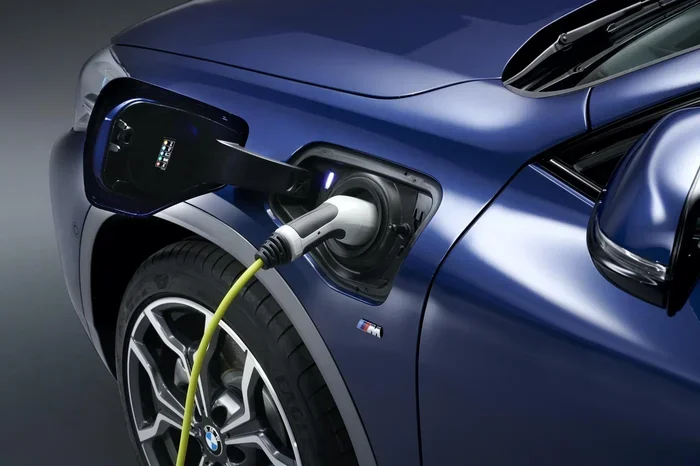
Should I Charge My Hybrid Car Every Night Is It Worth It
Should I charge my hybrid car every night? The answer depends on your vehicle type, driving habits, and battery health. Overnight charging offers convenience and cost savings but can impact battery longevity if done incorrectly. This guide breaks down everything you need to know about hybrid car charging routines, battery degradation, and fuel efficiency to help you decide what works best for your hybrid vehicle.
You parked your car in the garage last night. You plugged it in. You woke up this morning and the light was green. But now you wonder, should I charge my hybrid car every night? It is a question that crosses the mind of every hybrid car owner at some point. The short answer is: it depends. Your charging habits affect everything from battery health to fuel efficiency. And the wrong routine could cost you money or shorten your battery pack life.
In this guide, we will walk through everything you need to know. We will cover plug-in hybrid vs traditional hybrid differences. We will look at battery degradation science. We will talk about cost savings and charging routines. By the end, you will know exactly what to do with your charge port every evening.
Key Takeaways
- Charging every night is not always necessary: It depends on your hybrid type and daily driving distance.
- Battery health matters most: Frequent full charges can reduce long-term battery pack performance. Plug-in hybrids benefit more from nightly charging: They rely more on electric power than traditional hybrids.
- Cost savings are real: Charging at home is cheaper than filling up at the pump.
- Regenerative braking reduces charging needs: Your hybrid car already recovers energy while driving.
- Follow the 80% rule: Charging to 80% instead of 100% can extend battery life significantly.
- Check your warranty: Many hybrid battery warranties cover degradation, giving you peace of mind.
📑 Table of Contents
- What Happens When You Charge Your Hybrid Every Night
- The Truth About Battery Health and Overnight Charging
- Plug-In Hybrid vs Traditional Hybrid Charging Needs
- Cost Savings and Charging Habits
- When Overnight Charging Makes Sense
- Common Mistakes Hybrid Owners Make with Charging
- How to Know If Your Charging Routine Is Working
- Final Thoughts
What Happens When You Charge Your Hybrid Every Night
Let us start with the basics. When you plug your hybrid vehicle into a charging station or home outlet every single night, several things happen. Your battery pack fills up. Your electric motor gets ready for the next day. And your fuel efficiency improves for short trips. But there is more going on beneath the surface.
The Charging Cycle and Battery Wear
Every time you charge your car, the battery goes through a cycle. Think of it like a rubber band. Stretch it once, and it is fine. Stretch it a thousand times, and it loses its snap. The same idea applies to your hybrid car battery. Each charge cycle causes tiny amounts of wear. Over months and years, this adds up.
When you charge every night, you are adding a cycle every single day. That is 365 cycles per year. For some battery packs, this is perfectly fine. For others, it may cause early battery degradation. The key factor is how full you charge. This brings us to an important concept called the 80% rule.
Quick Tip
Most experts recommend charging your hybrid battery to only 80% for daily use. This reduces stress on the cells and extends overall battery life. Many modern hybrid vehicles let you set a charging limit in the car’s settings menu.
Regenerative Braking and Its Role
Here is something many hybrid car owners forget. Your car is already charging itself while you drive. Regenerative braking captures energy when you slow down. That energy goes right back into the battery pack. So even if you do not plug in every night, your electric motor still gets some juice from your daily driving.
This means you may not need to charge as often as you think. If your commute is short and you use regenerative braking frequently, your hybrid battery may stay plenty charged without a nightly routine.
The Truth About Battery Health and Overnight Charging
Let us talk about battery health. This is the big concern for most car owners. You spent thousands on your hybrid vehicle. You want that battery pack to last. So what does overnight charging do to it?
How Battery Degradation Works
Every battery pack loses capacity over time. This is normal. But some habits speed up the process. Keeping your battery at 100% charge for long periods is one of them. Heat is another big factor. When you overnight charge, the battery stays warm for hours. Over time, this heat exposure can cause battery degradation.
Here is what the science says. Lithium-ion batteries, which most plug-in hybrid and full hybrid vehicles use, prefer to stay between 20% and 80%. When you push them to 100% or drain them to zero, you put extra stress on the cells. Charging every night and always hitting 100% can wear out your battery pack faster than you expect.
Battery Warranty and Peace of Mind
Now here is the good news. Most hybrid vehicle manufacturers offer strong battery warranties. Many cover the battery pack for 8 to 10 years or 100,000 miles. Some even go longer. So even if your charging habits cause some wear, you are likely protected.
That said, warranty does not mean you should ignore battery health. Degradation below warranty thresholds can still affect your fuel efficiency and driving experience. A weaker battery pack means your electric motor works less and your gas engine kicks in more. That defeats the purpose of owning a hybrid car in the first place.
Expert Insight
Automotive engineers recommend treating your hybrid battery like a smartphone battery. You would not charge your phone to 100% every night and leave it plugged in all day. The same logic applies to your hybrid vehicle. Keep it between 20% and 80% for the best long-term results.
Plug-In Hybrid vs Traditional Hybrid Charging Needs
Not all hybrid cars are the same. This is a crucial point. The answer to should I charge my hybrid car every night changes completely depending on what type you own.
Plug-In Hybrids (PHEVs)
Plug-in hybrids have larger battery packs than traditional hybrids. They can drive 20 to 60 miles on electric power alone. For these vehicles, nightly charging makes a lot of sense. If your daily commute is under 30 miles, a full charge every night keeps you running on electric power all week. You barely touch gasoline.
PHEV owners who skip nightly charging often find themselves running on gas sooner. The whole point of a plug-in hybrid is to use electric power for short trips. If you do not charge regularly, you are basically driving a regular gas car with a small battery backup.
Traditional Hybrids (HEVs)
Traditional hybrids like the Toyota Prius have smaller battery packs. They cannot plug in. The battery pack charges through regenerative braking and the gas engine. For these vehicles, the question of nightly charging does not even apply. You cannot plug them in. They manage their own battery health automatically.
If you own a traditional hybrid vehicle, focus on driving habits instead. Smooth acceleration, gentle braking, and avoiding short trips all help your battery pack stay healthy. Regenerative braking does the rest.
Full Electric Vehicles (EVs)
For comparison, full electric vehicles like the Tesla Model 3 or Nissan Leaf rely entirely on charging. These cars benefit greatly from nightly charging. Since they have no gas engine backup, you need a full battery pack every morning. But even EV owners should follow the 80% rule for daily charging to protect long-term battery health.
| Vehicle Type | Can You Plug In? | Nightly Charging Recommended? | Main Benefit |
|---|---|---|---|
| Plug-In Hybrid (PHEV) | Yes | Yes, for short daily commutes | Max electric range, minimal gas use |
| Traditional Hybrid (HEV) | No | N/A | Self-charging, no plug needed |
| Full Electric (EV) | Yes | Yes, but limit to 80% | Zero gas, full electric driving |
Cost Savings and Charging Habits
Money talks. And charging your hybrid car at home is significantly cheaper than filling up at the pump. Let us break down the numbers.
Home Charging Costs
The average cost of electricity in the US is about 15 cents per kilowatt-hour. A full charge for a plug-in hybrid typically costs between 50 cents and 2 dollars. That is a fraction of what you pay for a tank of gas. If you charge every night, you could save hundreds of dollars per year on fuel.
But here is the catch. If your charging habits wear out your battery pack faster, you may face a costly replacement. Battery replacement for hybrid vehicles can cost anywhere from 1,000 to 6,000 dollars. So the savings from cheap electricity could be wiped out by an early battery failure.
The Break-Even Point
To figure out if nightly charging is worth it for you, consider these factors:
- Your daily driving distance
- Your local electricity rates
- Your gas prices
- Your hybrid vehicle warranty coverage
- How long you plan to keep the car
If you drive less than 30 miles per day and charge nightly, you might go weeks without using gas. That is real savings. But if you drive 60 miles daily and your battery pack cannot handle it, you will still need gas. In that case, nightly charging offers less benefit.
Quick Tip
Use a smart charging station with a timer. Set it to start charging 2 hours before you wake up. This avoids peak electricity rates and reduces heat buildup in the battery pack. Many utility companies offer lower rates during off-peak hours, which means even more savings.
When Overnight Charging Makes Sense
There are clear situations where charging every night is the right move. And there are times when it is not. Let us look at both sides.
Situations That Support Nightly Charging
- Short daily commutes under 30 miles: Your electric range covers your trip easily. You wake up every morning with a full charge.
- Plug-in hybrid ownership: PHEVs are designed to be plugged in regularly. Nightly charging maximizes your fuel efficiency.
- No access to public charging stations: If the nearest public charger is far away, home overnight charging is your best option.
- Low electricity rates: If you are on a time-of-use plan with cheap nighttime rates, charging at home saves real money.
- Cold climates: Cold weather reduces battery performance. Keeping your hybrid battery warm and topped off helps maintain range.
Situations That Do Not Support Nightly Charging
- Long daily commutes over 50 miles: You may drain the battery pack before you reach home. Charging nightly still helps, but you will rely more on gas.
- Hot climates: Heat is tough on battery packs. Keeping a battery at 100% charge in hot conditions accelerates battery degradation.
- Older hybrid vehicles: If your car is past warranty and the battery pack is already showing signs of wear, nightly charging may speed up decline.
- Infrequent driving: If you only drive on weekends, there is no need to charge every night. Charge before your trip instead.
Building the Right Charging Routine
The best charging routine is one that fits your life. Here is a simple framework to follow:
- Step 1: Check your daily driving distance from the previous day.
- Step 2: Plug in when you get home.
- Step 3: Set a charging limit at 80% if your car allows it.
- Step 4: Unplug in the morning after the light turns green.
- Step 5: Monitor your fuel efficiency and battery health indicators monthly.
This routine keeps things simple. You do not need to think too hard about it. Just plug in, set the limit, and go. After a few weeks, it becomes second nature.
Common Mistakes Hybrid Owners Make with Charging
Even the best hybrid car owners make mistakes. Here are the most common ones and how to avoid them.
Mistake 1: Charging to 100% Every Night
This is the number one mistake. Charging your battery pack to full every single night puts constant stress on the cells. The lithium-ion chemistry prefers partial charges. If you can, set your charge port limit to 80% or 90%. You will still have plenty of range for daily driving.
Mistake 2: Letting the Battery Drain Completely
On the flip side, never let your hybrid battery drop to zero. Deep discharges cause more wear than partial charges. If your battery level hits 10%, plug in as soon as you can. Keeping it between 20% and 80% is the sweet spot.
Mistake 3: Ignoring the Charge Port
Keep your charge port clean and dry. Dirt, moisture, and debris can cause connection issues. A poor connection means uneven charging, which stresses the battery pack. Take a quick look at the port once a week. A little maintenance goes a long way.
Mistake 4: Skipping Regular Maintenance
Your hybrid vehicle still needs oil changes, tire rotations, and brake checks. A well-maintained car charges more efficiently. The electric motor and gas engine work better together when everything is in good shape. Do not skip your scheduled service appointments.
Expert Insight
Certified hybrid vehicle technicians recommend checking your battery health at every service visit. Most dealerships can run a diagnostic test on your battery pack in minutes. This catches early signs of battery degradation before they become expensive problems.
How to Know If Your Charging Routine Is Working
You have been charging every night for a few weeks. How do you know if it is the right approach? Watch for these signs:
- Consistent electric range: If your electric range stays steady over weeks, your charging habits are working.
- No warning lights: Your dashboard should not show any battery or powertrain warnings.
- Good fuel economy: Your fuel efficiency numbers should stay strong. If gas mileage drops, your battery pack may be struggling.
- Smooth driving: The transition between electric motor and gas engine should feel seamless.
- No strange noises: Grinding, whining, or clicking sounds near the charge port or battery pack area are red flags.
If you notice any of these warning signs, adjust your routine. Try charging less frequently or lowering your charge limit. And if problems persist, visit a certified technician.
Final Thoughts
So, should I charge my hybrid car every night? The honest answer is: it depends on your situation. If you own a plug-in hybrid and drive short distances, nightly charging makes a lot of sense. It saves money, keeps your electric range high, and reduces gas use. If you own a traditional hybrid, charging is not an option, but regenerative braking handles most of your battery needs.
The key is balance. Charge regularly, but do not overcharge. Keep your battery pack between 20% and 80% when possible. Monitor your fuel efficiency and battery health over time. And remember, your hybrid battery warranty has your back for the first several years.
Your hybrid vehicle is a smart investment. Treat the battery pack with care, follow a sensible charging routine, and it will reward you with years of reliable, efficient driving. The best charging habit is the one that fits your life and keeps your car running at its best.
Frequently Asked Questions
Is it bad to charge a hybrid car every night?
Not necessarily. For plug-in hybrid owners with short commutes, nightly charging is perfectly fine and often recommended. However, always try to limit charges to 80% to protect your battery pack from unnecessary wear. Traditional hybrid owners do not need to worry about nightly charging since their cars charge themselves.
How often should I charge my plug-in hybrid?
You should charge your plug-in hybrid as often as you drive. If you drive daily, nightly charging works well. If you drive a few times per week, charge before each trip. The goal is to keep enough electric range for your daily needs without constantly draining the battery pack to zero.
Does overnight charging damage hybrid batteries?
Overnight charging does not automatically damage batteries. Modern hybrid vehicles have built-in systems that stop charging once the battery reaches full capacity. However, keeping a battery at 100% charge for extended periods can cause minor battery degradation over time. Setting a charge limit of 80% reduces this risk.
Can I use a regular outlet to charge my hybrid car?
Yes, most hybrid vehicles come with a standard 120-volt charging cable that works with any regular household outlet. However, charging from a regular outlet is slow. A 240-volt charging station at home charges your car much faster and is worth considering for nightly charging routines.
What is the best time of day to charge a hybrid car?
The best time to charge is during off-peak hours, typically late at night or early morning. This saves money on electricity and reduces heat buildup in the battery pack. Many utility companies offer lower rates during these hours, making overnight charging both cost-effective and battery-friendly.
How long does a hybrid battery last with regular charging?
With proper charging habits, most hybrid batteries last 8 to 10 years or more. Following the 80% rule, avoiding deep discharges, and keeping the battery pack clean all contribute to longevity. Regular maintenance and monitoring also play a big role in extending battery life.
=== CONCLUSION ===
Should I charge my hybrid car every night? Now you have the answer. It comes down to your vehicle type, your driving habits, and your commitment to good charging routines. Nightly charging offers real benefits for plug-in hybrid owners, including lower fuel costs and better electric range. But it also requires some care to protect your battery pack over the long haul.
Follow the 80% rule. Keep an eye on your battery health. Use smart charging habits that fit your lifestyle. And remember, your hybrid vehicle is designed to be efficient and reliable. Treat it well, and it will keep running strong for years to come. Start tonight. Plug in your car. Set your limit. And drive with confidence knowing you are getting the most out of your hybrid car.