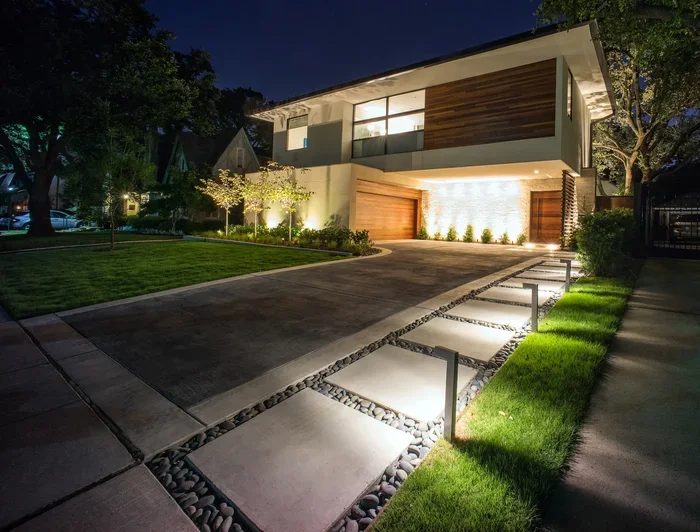
Car Parking Ideas for Home That Boost Your Curb Appeal
Looking for car parking ideas for home that actually look great? You are not alone — homeowners everywhere want a parking spot that is functional and beautiful. This guide covers everything from simple driveway upgrades to creative carport designs that will transform your home’s exterior. You will learn practical tips, cost-saving ideas, and expert-backed strategies to make your parking area a standout feature.
Your home’s parking area is one of the first things visitors and passersby notice. A well-designed car parking ideas for home setup does more than just protect your vehicle. It sets the tone for your entire property’s look and feel.
Whether you have a sprawling suburban lot or a cozy urban lot, there is always room to improve how you park at home. The right car parking ideas for home can turn an unused patch of grass into a functional and attractive space. Plus, a great parking area adds real value to your home if you ever decide to sell.
In this guide, we will walk you through the best car parking ideas for home that balance style, function, and budget. You will find inspiration for every type of property and every price range. Let us dive in and explore how you can transform your parking space into a true asset.
Key Takeaways
- Driveway design matters: The right driveway material and layout can instantly boost your home’s curb appeal and resale value.
- Carports are versatile: They offer affordable protection for your vehicle without the high cost of a full garage.
- Landscaping adds charm: Combining parking areas with greenery and lighting creates a polished, inviting look.
- Space-saving solutions work: Even small yards can benefit from creative parking ideas like angled parking or multi-level setups.
- Permits and planning are essential: Always check local regulations before starting any parking project to avoid costly mistakes.
- Lighting and safety count: A well-lit parking area improves security and makes your home more welcoming at night.
- Budget-friendly options exist: You do not need to spend a fortune to create a stunning parking space at home.
📑 Table of Contents
- Why Your Home Parking Area Matters More Than You Think
- Driveway Designs That Make a Statement
- Carports: Affordable Protection with Style
- Creative Parking Solutions for Small Spaces
- Landscaping and Lighting: The Finishing Touches
- Planning and Permits: What You Need to Know
- Common Mistakes to Avoid When Planning Your Parking Area
- Final Thoughts: Turning Your Parking Area into a Home Feature
Why Your Home Parking Area Matters More Than You Think
Most people think of parking as a purely practical need. But your parking area plays a big role in your home’s overall appearance. When done right, it becomes part of your curb appeal strategy. A messy, cracked, or poorly planned parking spot can drag down your home’s look — even if the interior is stunning.
Real estate experts agree that first impressions matter a lot. Buyers often form opinions within seconds of arriving at a property. A clean, well-organized residential parking solution signals that the home has been cared for. It tells a story of pride and attention to detail.
Beyond aesthetics, a good parking setup protects your vehicle from weather damage. Sun, rain, hail, and snow can all take a toll on your car over time. The right home parking design gives you coverage and peace of mind every single day.
The Link Between Parking and Property Value
Did you know that a paved driveway can increase your home’s resale value? Studies show that buyers prefer homes with designated parking spaces. A structured vehicle parking area at home is often listed as a desirable feature in property listings. Even if you are not planning to sell anytime soon, investing in your parking area pays off in the long run.
Here are a few reasons why your parking area affects property value:
- Convenience factor: Buyers love homes with easy parking access.
- Protection: Covered parking reduces weather-related vehicle wear.
- Street appeal: A neat parking area makes the whole front of the home look better.
- Extra space: Parking areas can double as storage or outdoor work zones.
Driveway Designs That Make a Statement
The driveway is the most common form of home parking solution. But that does not mean it has to be boring. Today’s homeowners have access to a wide range of materials and designs that can make a driveway both functional and eye-catching.
Classic Concrete Driveways
Concrete remains one of the most popular choices for driveway parking ideas. It is durable, low-maintenance, and affordable. A plain concrete slab works well, but you can take it further. Stamped concrete mimics the look of brick, stone, or slate at a fraction of the cost.
Consider adding subtle color tints or border patterns to your concrete driveway. These small touches elevate the entire look of your home’s entrance. A well-designed concrete driveway is one of the best car parking ideas for home you can choose.
Gravel and Permeable Driveways
If you prefer a more natural look, gravel driveways are a fantastic option. They are inexpensive and easy to install. Plus, gravel allows water to drain naturally, which is better for the environment.
Permeable pavers are another eco-friendly choice. They look like regular pavement but allow rainwater to seep through. This reduces runoff and helps manage stormwater on your property. Both gravel and permeable options fall under smart outdoor parking ideas for homeowners who care about sustainability.
Pavers and Decorative Surfaces
Interlocking pavers offer endless design possibilities. You can choose from countless patterns, colors, and shapes. A herringbone or basketweave pattern adds visual interest without breaking the bank.
Pavers are also incredibly durable. If one gets damaged, you can replace just that single piece instead of resurfacing the entire driveway. This makes pavers a smart long-term investment for your parking pad ideas.
Carports: Affordable Protection with Style
Not everyone needs or can afford a full garage. That is where carports come in. A carport is a simple, open-sided structure that shields your vehicle from the elements. It is one of the most practical car parking ideas for home for budget-conscious homeowners.
Attached vs. Detached Carports
An attached carport connects to your house. It offers convenience because you can walk directly from your front door to your vehicle. Attached carports also share a wall with the house, which can lower construction costs.
A detached carport stands on its own in the yard. This option works well when your home has limited wall space or when local building codes restrict attached structures. Both styles serve the same purpose — providing covered parking — but they suit different layouts and needs.
Modern Carport Designs
Today’s carports are nothing like the old metal shelters of the past. Modern carports come in wood, steel, and even polycarbonate materials. You can design them with clean lines, flat or gabled roofs, and matching finishes that complement your home’s exterior.
Some homeowners use carports as multi-purpose spaces. You can add hooks for bikes, shelves for tools, or even a small workbench underneath. A carport is one of the most flexible home parking solutions you can build.
DIY Carport Kits
If you enjoy hands-on projects, pre-fabricated carport kits are a great route. They come with all the parts and instructions you need. Most kits can be assembled in a weekend with basic tools. This makes DIY carports an excellent option for those searching for budget-friendly parking layout ideas.
Creative Parking Solutions for Small Spaces
Living in a smaller home does not mean you have to sacrifice parking quality. There are plenty of car parking ideas for home that work beautifully in tight spaces. The key is to think creatively and make the most of every inch.
Angled Parking for Narrow Driveways
If your driveway is narrow, angled parking can save significant space. Instead of pulling straight in, angle your parking spot to the side. This allows for easier entry and exit, especially in tight areas. Angled parking is a favorite among urban homeowners looking for smart parking layout ideas.
Vertical and Multi-Level Parking
Think upward when space is limited. Vertical parking involves parking your vehicle perpendicular to the driveway rather than parallel. This can free up extra room for walking or storage.
For those with very small yards, consider a multi-level parking cart or a stacked vehicle system. These compact solutions maximize your parking capacity without expanding your footprint. They are among the most innovative residential parking solutions available today.
Side Yard Parking Transformations
Do you have a narrow side yard that is currently unused? It might be the perfect spot for a parking area. With proper paving and drainage, a side yard can accommodate one or two vehicles easily. Add a gate or fence for a polished look that blends with your home exterior design.
Landscaping and Lighting: The Finishing Touches
A parking area is not just about the surface. The way you surround it makes all the difference. Thoughtful landscaping and lighting can elevate even the simplest driveway upgrade into something truly special.
Greenery That Frames Your Parking Space
Planting hedges, shrubs, or small trees along the edges of your parking area creates a natural boundary. It softens the hard surfaces and adds color and texture to your home’s front. Flowering plants near the driveway entrance make a warm welcome for guests.
Just be sure to keep plants trimmed so they do not interfere with driving or visibility. Overgrown bushes can block sightlines and create safety hazards. Smart landscaping is one of the easiest ways to improve your curb appeal parking ideas.
Outdoor Lighting for Safety and Ambiance
Good lighting transforms a parking area, especially at night. Solar-powered path lights are energy-efficient and easy to install. Place them along the edges of your driveway or carport for a warm glow.
Motion-sensor lights are a smart security addition. They illuminate the area when someone approaches and deter potential intruders. Well-planned lighting is an essential part of any parking area design that prioritizes both beauty and safety.
Adding Personal Touches
Small details make a big impact. Consider adding a house number plaque near the parking area, a welcome mat at the garage door, or decorative planters along the driveway edge. These touches tie the parking space into the overall look of your home.
You can also add a coat of paint or decorative stencils to your concrete driveway. Geometric patterns, nature motifs, or even your family crest add personality and charm. These finishing touches turn a basic parking spot into a reflection of your style.
Planning and Permits: What You Need to Know
Before you start any car parking ideas for home project, it is important to understand the planning and permitting process. Skipping this step can lead to fines, delays, or even having to undo completed work.
Checking Local Building Codes
Every municipality has its own rules about parking structures, driveway modifications, and land use. Some areas require permits for any new paved surface or attached structure. Others have setback requirements that dictate how far your parking area must be from property lines or the street.
Contact your local building department early in the planning process. They can tell you exactly what permits you need and what restrictions apply. This simple step saves time, money, and headaches down the road.
Working with Professionals vs. DIY
Simple projects like painting a driveway or installing solar lights are great DIY tasks. But larger projects — such as building a carport or pouring a new concrete pad — may require professional help. A licensed contractor ensures that the work meets safety standards and local codes.
If you are on a tight budget, consider a hybrid approach. Hire a professional for the structural work and handle the finishing touches yourself. This keeps costs down while ensuring quality and compliance with home improvement parking regulations.
Budgeting for Your Parking Project
Cost is always a factor when planning parking improvement ideas. Here is a rough breakdown of what you might expect:
- Sealcoating an existing driveway: $150-$500
- Installing a gravel driveway: $500-$2,000
- Building a basic carport: $1,000-$5,000
- Pouring a new concrete driveway: $3,000-$10,000
- Adding landscaping and lighting: $200-$1,500
These numbers vary widely based on your location, materials, and project scope. Always get at least three quotes before committing to a contractor. And remember, even small investments in your parking area can yield big returns in curb appeal and functionality.
Common Mistakes to Avoid When Planning Your Parking Area
Even the best car parking ideas for home can go wrong if you overlook the basics. Here are some common mistakes homeowners make — and how to avoid them.
- Ignoring drainage: Water pooling on your driveway or under a carport causes damage over time. Always plan for proper grading and drainage channels.
- Choosing the wrong material: Not every surface works in every climate. Gravel may shift in heavy rain, and concrete can crack in freezing temperatures. Choose materials suited to your local weather.
- Overlooking vehicle size: Measure your vehicle and any vehicles that will use the space before finalizing your design. A tight parking spot leads to scratched paint and frustrated drivers.
- Skipping permits: Unpermitted work can result in fines and forced removal. Always check with your local authorities first.
- Neglecting maintenance: A new driveway or carport needs regular upkeep. Seal your concrete annually, clear debris from gravel, and inspect structures for rust or rot.
Avoiding these pitfalls keeps your parking pad ideas looking great and functioning well for years to come. A little planning goes a long way toward a parking area you can be proud of.
Final Thoughts: Turning Your Parking Area into a Home Feature
The best car parking ideas for home are the ones that reflect your personal style while meeting your practical needs. Whether you opt for a classic concrete driveway, a sleek modern carport, or a creative side-yard solution, the goal is the same — a space that protects your vehicle and enhances your home.
Start small if you need to. A fresh coat of sealant, some new lighting, and a few well-placed plants can transform a tired parking area in just a weekend. As your budget and confidence grow, you can tackle bigger projects like building a carport or redesigning your entire driveway layout.
Remember, your home’s parking area is part of its overall story. It is the first thing people see when they arrive, and the last thing they notice when they leave. Make it count with thoughtful design, quality materials, and a touch of personal creativity. The right car parking ideas for home do not just solve a practical problem — they elevate your entire property.
Now is the perfect time to revisit your parking space and imagine what it could become. With the ideas and inspiration in this guide, you have everything you need to get started. Your dream parking area is closer than you think.
Frequently Asked Questions
What are the cheapest car parking ideas for home?
Gravel driveways, sealcoating an existing concrete pad, and adding solar lights are among the most affordable options. You can also repaint or stencil your current driveway for a fresh look without major expense. These budget-friendly approaches deliver big visual impact for very little cost.
Do I need a permit to build a carport at home?
It depends on your local building codes. Many municipalities require a permit for any new structure, including carports. Check with your local building department before starting construction to avoid fines or having to remove the structure later.
How do I choose the right driveway material for my home?
Consider your climate, budget, and aesthetic preferences. Concrete is durable and versatile, gravel is affordable and natural-looking, and pavers offer the most design flexibility. Each material has pros and cons, so weigh them based on your specific needs and local weather conditions.
Can I add parking to a very small front yard?
Yes, even small yards can accommodate parking with the right approach. Angled parking, side-yard conversions, and vertical parking layouts maximize limited space. You can also use permeable pavers or gravel to reduce the paved footprint while still creating a functional spot.
What lighting works best for a home parking area?
Solar-powered path lights are energy-efficient and easy to install. Motion-sensor LED lights provide security and illumination when needed. For a warmer ambiance, consider string lights or low-voltage landscape lighting along the edges of your driveway or carport.
How often should I maintain my home parking area?
Sealcoating a concrete driveway every two to three years helps prevent cracks and stains. Gravel driveways need occasional regrading and topping off. Inspect your carport or garage structure annually for rust, loose bolts, or roof damage. Regular small maintenance prevents costly repairs later.
=== CONCLUSION ===
The right car parking ideas for home can completely transform how your property looks and functions. From driveway materials to carport designs, landscaping touches to smart lighting, every detail matters. You do not need a huge budget or a large yard to create a parking area you are proud of. Start with one small improvement and build from there. Your home deserves a parking space that matches the care and effort you put into everything else.