Car Side Mirror Glass A Complete Buyer and Repair Guide
Car side mirror glass is one of the most important yet overlooked parts of your vehicle. This guide covers everything you need to know about buying, replacing, and repairing your side mirror glass safely and affordably. You will learn about different types of mirror glass, how to choose the right one, and step-by-step replacement instructions. Whether your mirror is cracked, shattered, or just old, this guide has you covered.
Driving without a clear view of what is beside you is dangerous. Your car side mirror glass plays a huge role in keeping you safe on the road. Yet many drivers ignore it until it breaks or cracks. This guide will walk you through everything you need to know about side mirror glass. You will learn how to choose the right one, how to replace it yourself, and when to call a professional for help.
Whether you drive a sedan, SUV, or truck, the side mirror glass on your vehicle takes a beating. Rocks, weather, parking bumps, and accidents can all damage it. A small crack can turn into a full break overnight. That is why understanding your options matters. Knowing how to handle a broken mirror can save you time and money.
Key Takeaways
- Car side mirror glass is essential for road safety and blind spot visibility.
- There are several types of mirror glass, including OEM, aftermarket, heated, and manual options.
- Replacing side mirror glass yourself is simple and can save you significant money.
- Common problems like cracks, discoloration, and loose glass are easy to fix with the right approach.
- Cost ranges from $15 for DIY aftermarket glass to $500 for full mirror assembly replacement.
- Regular maintenance like cleaning and seal inspection extends mirror glass life.
- Always match the glass type, size, and coating to your specific vehicle model.
📑 Table of Contents
- Understanding Car Side Mirror Glass and Its Role
- Types of Car Side Mirror Glass You Can Buy
- How to Choose the Right Side Mirror Glass for Your Car
- Step-by-Step Guide to Replacing Car Side Mirror Glass
- Common Side Mirror Glass Problems and How to Fix Them
- How Much Does It Cost to Replace Car Side Mirror Glass?
- Expert Tips for Maintaining Your Car Side Mirror Glass
- Conclusion
Understanding Car Side Mirror Glass and Its Role
Before you buy or replace anything, it helps to understand what side mirror glass actually does. The glass on your side mirror is not just a flat piece of glass. It is carefully shaped to give you a wide view of the road beside and behind your car. Without it, your side view mirror loses its purpose entirely.
Why Side Mirror Glass Matters for Safety
Your side mirror glass helps you see blind spots. Blind spots are areas around your car that you cannot see in your rearview mirror. Without a clear side mirror, changing lanes becomes risky. You might not see another car, a motorcycle, or even a bicycle.
Studies show that mirror-related blind spots cause thousands of accidents every year. A cracked or distorted mirror glass makes things worse. It warps your view and hides objects from sight. That is why keeping your side mirror glass in good shape is not just about looks. It is about survival on the road.
How Side Mirror Glass Differs from Regular Window Glass
Side mirror glass is not like the glass on your windows. It is usually made from tempered or laminated glass. Tempered glass shatters into small, less harmful pieces. Laminated glass holds together even when cracked. Both types are designed to handle road impact better than regular window glass.
Most side mirror glass also has a curved shape. This curve, called a convex shape, helps you see more area. Flat glass would give you a narrow view. The curve stretches your field of vision. But it also makes objects look farther away than they really are. This is something to keep in mind when you drive, especially when judging distance during lane changes.
Expert Insight
Automotive safety experts recommend checking your side mirror glass condition every month. A quick visual inspection during your car wash routine can catch small cracks before they become big problems. Many drivers only notice mirror damage after it has already affected their visibility. Stay ahead of the issue with regular checks.
Types of Car Side Mirror Glass You Can Buy
Not all side mirror glass is the same. There are several types to choose from. Each type has its own benefits and drawbacks. Let us break them down so you can make a smart choice.
OEM Side Mirror Glass
OEM stands for Original Equipment Manufacturer. This means the glass is made by the same company that built your car. OEM mirror glass fits perfectly. It matches the shape, size, and curve of your original mirror. It also comes with the right coating and tint that matches your vehicle.
The downside is cost. OEM car side mirror glass is usually the most expensive option. You might also face long wait times if the part is not in stock. But if you want a perfect match and do not want to compromise on quality, OEM is the way to go. It is especially important for luxury or rare car models.
Aftermarket Side Mirror Glass
Aftermarket glass is made by third-party companies. It is designed to fit your car but is not made by the original manufacturer. Aftermarket options are much cheaper than OEM parts. You can find them online, at auto parts stores, or through local shops.
The quality can vary a lot. Some aftermarket glass is excellent. Other pieces might not fit as well or might have a different tint. It is important to read reviews and buy from a trusted brand. A good aftermarket mirror glass can work just as well as OEM at a fraction of the price. Look for brands with strong return policies and warranty coverage.
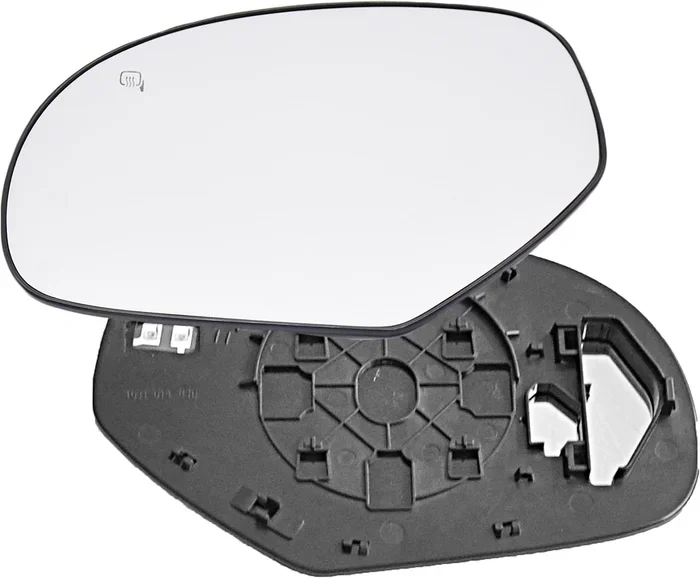
Heated Side Mirror Glass
Heated side mirror glass has a built-in heating element. This element melts frost, ice, and condensation quickly. If you live in a cold climate, heated mirror glass is a game changer. It saves you from scraping ice off your mirror every morning before heading to work.
Heated mirror glass is available in both OEM and aftermarket versions. The cost is slightly higher than standard glass. But the convenience and safety benefits are well worth it. Many modern cars come with heated mirrors from the factory. If your car does not have them, you can upgrade with an aftermarket heated glass piece.
Manual vs Power Side Mirror Glass
Manual mirror glass is adjusted by hand. You push the glass from the outside to change its angle. Power mirror glass is adjusted using an electric motor inside the mirror housing. Most new cars use power mirrors. They are easier to adjust and more convenient while driving.
If you are replacing power mirror glass, make sure the new piece is compatible with your car’s power adjustment system. The wiring and motor must match. Manual mirror glass is simpler to install and replace. But power mirror glass offers a smoother driving experience. Always double-check your vehicle specifications before ordering.
Quick Tips for Choosing Side Mirror Glass
- Always verify compatibility with your car model before purchasing any replacement glass.
- Buy from reputable sellers with good customer reviews and return policies.
- Check if the glass includes adhesive backing for easy and clean installation.
- Compare OEM and aftermarket prices to find the best value for your budget.
- Look for heated glass options if you live in a cold or rainy climate.
- Confirm the mirror coating type matches your existing mirror housing.
How to Choose the Right Side Mirror Glass for Your Car
Buying the wrong mirror glass is a common mistake. It leads to wasted money and frustrating installs. Here is how to make sure you pick the right one every time.
Check Your Vehicle Make and Model
Every car has a specific mirror glass size and shape. A glass piece made for a Honda Civic will not fit a Toyota Camry. Always check your vehicle make, model, and year before buying. You can find this information on your car’s manual or by searching online with your VIN number.
Some cars have different mirror glass on the driver side and passenger side. The driver side mirror is usually flat. The passenger side mirror is usually convex. Make sure you order the correct side. Installing the wrong piece can distort your view and create unsafe driving conditions.
Measure the Old Mirror Glass
If you are replacing broken glass, measure the old piece before you buy a new one. Use a ruler or measuring tape. Write down the length, width, and thickness. Also note the shape. Is it round, rectangular, or trapezoid?
Taking these measurements with you when you shop helps a lot. It prevents returns and saves time. Many online stores also list exact dimensions for each mirror glass piece. Compare your measurements to the listed specs to confirm the fit.
Consider the Mirror Coating and Tint
Side mirror glass often comes with a special coating. This coating reduces glare from headlights at night. It also adds a tinted look that matches your car’s style. Some mirror glass has a built-in turn signal indicator built into the glass surface.
When buying replacement glass, check if the new piece has the same coating. A non-tinted glass on a tinted mirror housing looks off. It also does not reduce glare as well. Match the coating and tint for the best result. If you are unsure, contact the seller and ask for specifications.
Common Mistakes When Buying Side Mirror Glass
- Guessing the size instead of measuring leads to returns and delays.
- Ignoring the mirror coating type results in a mismatched look and poor glare reduction.
- Choosing the cheapest option without checking reviews often leads to low-quality glass that does not fit well.
- Forgetting to check for heated or power compatibility can leave you with a non-functional mirror.
- Buying only one side when both need replacement means you will be back shopping again soon.
Step-by-Step Guide to Replacing Car Side Mirror Glass
Replacing side mirror glass is easier than most people think. You do not need to be a mechanic. With the right tools and a little patience, you can do it yourself. Here is a step-by-step walkthrough that anyone can follow.
What You Will Need
Before you start, gather these items:
- Replacement side mirror glass
- Adhesive backing or mirror glass adhesive kit
- Rubbing alcohol or glass cleaner
- Lint-free cloth or microfiber towel
- Masking tape
- Protective gloves
- Owner’s manual for your vehicle
- Small screwdriver or trim removal tool
Step 1: Remove the Old Mirror Glass
Start by cleaning the area around the broken glass. Use rubbing alcohol and a lint-free cloth. This removes grease and dirt that could affect the new adhesive bond.
Next, place masking tape over the broken glass pieces. This prevents shards from flying when you remove the glass. Gently lift the old glass out of the mirror housing. Use caution and dispose of the broken pieces safely in a sturdy container. Wear protective gloves throughout this process.
Step 2: Clean the Mirror Housing
Once the old glass is out, clean the inside of the mirror housing thoroughly. Use rubbing alcohol and a clean cloth. Remove any old adhesive residue. The surface must be dry and clean before you apply the new glass.
This step is often skipped, but it is very important. Dirty or greasy surfaces cause the new glass to fall off prematurely. Take your time with this step. A clean surface ensures a strong and lasting bond between the new glass and the housing.
Step 3: Apply Adhesive and Install the New Glass
If your replacement glass does not come with adhesive backing, apply mirror glass adhesive to the housing. Follow the product instructions carefully. Usually, you apply a thin, even layer of adhesive to the back of the glass or the housing surface.
Place the new side mirror glass into the housing. Press it firmly into place. Hold it for about 30 seconds to set the initial bond. Use masking tape to hold the glass in position while the adhesive cures. This prevents any shifting during the drying process.
Step 4: Let the Adhesive Cure
Do not touch or adjust the new glass for at least one hour. Most mirror glass adhesives need 24 hours to fully cure. During this time, keep your car parked and avoid washing it. Resist the urge to test the mirror adjustment right away.
After the adhesive has fully set, test the mirror. Adjust the angle if needed. Make sure the glass is secure and does not wobble. A properly installed mirror glass should feel solid and stable. If it moves or rattles, remove it and reapply adhesive more carefully.
Expert Tip: Mirror Glass Adhesive Options
There are two main types of adhesive for side mirror glass. Pre-cut adhesive backing comes on the replacement glass and peels off for easy application. Liquid adhesive requires you to apply it manually but offers more control. Both work well. Pre-cut backing is faster and cleaner, while liquid adhesive gives you a stronger bond for larger glass pieces.
Common Side Mirror Glass Problems and How to Fix Them
Side mirror glass problems are common. Most of them are easy to fix if you catch them early. Here are the most frequent issues and their solutions.
Cracks and Chips in Mirror Glass
Small cracks and chips happen all the time. Rocks from passing trucks are the biggest culprit. A small chip might not affect your view right away. But it can spread over time. Temperature changes make cracks worse. Cold weather contracts the glass. Heat expands it. This cycle widens the crack steadily.
For small cracks, you can use a mirror glass repair kit. These kits fill the crack with a clear resin. They prevent the crack from spreading further. However, if the crack is large or in the center of the glass, replacement is the safer choice. A cracked glass piece can shatter without warning, leaving you with no side mirror at all.
Discolored or Foggy Mirror Glass
Over time, side mirror glass can become discolored. Sun exposure and weather wear break down the coating. A foggy or yellowed mirror glass reduces visibility significantly. It makes night driving harder because of increased glare from oncoming headlights.
Unfortunately, discolored mirror glass cannot be cleaned back to clear. The damage is in the coating itself. The only fix is to replace the glass. This is a simple and affordable repair. A new piece restores clear visibility and improves your safety on the road.
Mirror Glass Coming Loose
A loose mirror glass is more than an annoyance. It affects your view and can fall off while driving. This usually happens when the adhesive weakens over time. Vibration from driving also loosens the bond gradually.
If the glass is still in one piece, you can reattach it with fresh adhesive. Clean the housing thoroughly. Apply new mirror glass adhesive. Press the glass back in place firmly. Let it cure fully before driving. If the housing itself is damaged, you may need to replace the entire mirror assembly instead.
Condensation Inside the Mirror Glass
Moisture getting inside the mirror glass is a sign of a broken seal. The mirror housing is supposed to keep water out. When the seal fails, condensation forms between the glass layers. This creates a foggy patch that blocks your view and distorts your reflection.
You cannot fix a broken seal from the outside. The mirror glass needs to be replaced. Look for a replacement piece that includes a new gasket or seal. This prevents the moisture problem from coming back. Check the seal regularly, especially after car washes or in rainy weather.
How Much Does It Cost to Replace Car Side Mirror Glass?
Cost is one of the biggest concerns for car owners. The price of replacing side mirror glass varies based on several factors. Let us break down what you can expect to pay.
Factors That Affect the Cost
Several things influence the final price you will pay:
- Type of glass: OEM glass costs more than aftermarket glass. The quality difference is often small, but the price gap can be large.
- Heated or power mirror: These features add to the price because of the built-in electronics.
- Car make and model: Luxury and rare cars have pricier mirror parts and may require specialized installation.
- DIY vs professional install: Doing it yourself saves labor costs entirely.
- Location: Repair costs vary by region and shop. Urban areas tend to have higher labor rates.
Cost Comparison Table
| Type of Replacement | Average Cost Range | Time to Complete |
|---|---|---|
| DIY Aftermarket Glass Replacement | $15 – $50 | 30 – 60 minutes |
| OEM Glass with Professional Install | $100 – $300 | 1 – 2 hours |
| Heated or Power Mirror Glass Replacement | $80 – $250 | 1 – 3 hours |
| Full Mirror Assembly Replacement | $150 – $500 | 2 – 4 hours |
As you can see, DIY replacement is the most affordable option. Aftermarket side mirror glass pieces are very budget-friendly. Professional installation costs more, but it gives you peace of mind. If your mirror has power adjustment or heating features, the cost goes up because of the electronics involved. Always get a quote before committing to a professional repair.
Does Insurance Cover Mirror Glass Replacement?
Many car insurance policies cover mirror glass replacement. Comprehensive coverage usually includes damage from accidents, vandalism, and weather events. Check your policy details or call your insurance provider directly. Some policies have no deductible for glass repairs. This can make the replacement essentially free for you. It is always worth checking before you pay out of pocket.
Expert Tips for Maintaining Your Car Side Mirror Glass
Prevention is always better than repair. Taking care of your side mirror glass can extend its life and keep you safe on the road. Here are some expert-backed tips that every car owner should follow.
Clean Your Mirrors Regularly
Dirt and grime build up on mirror glass over time. This reduces visibility, especially at night when light reflects off the glass. Clean your side mirrors at least once a week. Use a glass cleaner and a microfiber cloth. Avoid harsh chemicals that can damage the mirror coating or the adhesive backing.
Adjust Mirrors Properly
Many drivers set their side mirrors wrong. This creates large blind spots that are dangerous when changing lanes. The correct position is to angle the mirror so you see the side of your car in the mirror’s inner edge. This gives you the widest view of the road beside you. Adjust your mirrors every time someone else drives your car.
Protect Mirrors from Damage
Parking in tight spaces increases the risk of mirror damage. Try to park in open areas when possible. In cold weather, use a car cover to protect mirrors from ice and frost. Avoid using your mirror to lean on when getting in or out of the car. One strong push can crack the glass or loosen the housing.
Replace Worn Seals Promptly
The rubber seal around your side mirror keeps water and debris out. When this seal cracks or wears out, moisture enters the housing. This leads to foggy glass and electrical issues in heated mirrors. Inspect the seals regularly and replace them when needed. A new seal is inexpensive and prevents costly interior damage.
Key Takeaways for Mirror Glass Maintenance
- Clean your mirrors weekly with a gentle glass cleaner.
- Adjust mirror angles properly to minimize blind spots.
- Park in open areas to reduce mirror damage risk.
- Inspect seals regularly and replace them when worn.
- Address small cracks immediately before they spread.
Conclusion
Your car side mirror glass is a small part that plays a big role in your safety. A cracked, foggy, or loose mirror glass can seriously affect your driving experience and put you at risk. The good news is that replacing or repairing it is simpler and cheaper than most people think.
Whether you choose OEM or aftermarket glass, do it yourself or hire a professional, the key is to act quickly. Do not wait until a small crack becomes a full break. Keep your mirrors clean, adjust them properly, and protect them from damage. With the right care, your side mirror glass will keep you safe for years to come.
Now that you have all the information you need, you are ready to tackle any mirror glass issue. Pick the right glass, follow the steps, and enjoy a clearer view of the road. Safe driving starts with clear mirrors. Take care of your side mirror glass, and it will take care of you.
Frequently Asked Questions
Can I drive with a cracked side mirror glass?
It depends on where the crack is and how severe it is. A small crack on the edge might not block your view much. But even a small crack can distort your vision and hide objects in your blind spot. In many states, driving with a cracked mirror glass is illegal. It is safer to replace it as soon as possible rather than risk a ticket or an accident.
How long does it take to replace side mirror glass?
A DIY replacement takes about 30 to 60 minutes if you have the right tools and glass. Professional installation usually takes one to two hours. The time depends on your car model and the type of mirror glass you are replacing. Simple aftermarket pieces go faster, while power or heated mirrors take a bit longer.
Can I use super glue to fix a broken side mirror glass?
No. Super glue is not designed for mirror glass. It does not hold up against weather, vibration, or road conditions. Always use a proper mirror glass adhesive kit. These are made to bond glass securely and withstand driving conditions. Super glue can also damage the mirror coating and make the problem worse.
Is aftermarket side mirror glass as good as OEM?
In most cases, yes. High-quality aftermarket glass fits well and works just as effectively as OEM parts. The main difference is the brand and price. Aftermarket glass can save you a lot of money without sacrificing quality. Just buy from a trusted seller with good reviews and a solid return policy.
Why does my side mirror glass have a curved shape?
The curved shape is called a convex mirror. It gives you a wider view of the road beside your car. This helps reduce blind spots significantly. However, curved glass makes objects look farther away than they actually are. Always use your turn signals and check your mirrors carefully when changing lanes to account for this distortion.
Can I replace just the glass and not the whole mirror?
Yes. In most cases, you only need to replace the glass, not the entire mirror assembly. This is much cheaper and easier. You can buy replacement glass pieces that fit into your existing mirror housing. This is a great option for cracks, chips, or discoloration. Full assembly replacement is only needed when the motor or housing itself is damaged.