Do Mitsubishi Mini Splits Come Pre-Charged Get the Facts
Do Mitsubishi Mini Splits Come Pre-Charged? The answer depends on the model and line set length. Many Mitsubishi Electric ductless systems arrive from the factory with a partial or full refrigerant charge, but longer line sets often require field charging. Understanding how factory pre-charged systems work helps you save time, money, and avoid installation headaches.
Have you been shopping for a new ductless mini split system and keep seeing the phrase “pre-charged”? If so, you are not alone. Many homeowners and contractors ask the same question: Do Mitsubishi Mini Splits Come Pre-Charged? The short answer is: it depends on the model, the line set length, and the specific configuration you choose.
Mitsubishi Electric is one of the most trusted names in the HVAC system world. Their ductless cooling and heating units are known for reliability, energy efficiency, and quiet operation. But when it comes to refrigerant charging, the details can get confusing. This guide breaks everything down in plain language so you know exactly what to expect before your next purchase or installation.
Whether you are a seasoned contractor or a curious homeowner planning a DIY installation, understanding how refrigerant charging works for Mitsubishi mini splits is essential. It affects your installation timeline, your budget, and the long-term performance of your system. Let us dive into the facts.
Key Takeaways
- Not all Mitsubishi mini splits come pre-charged: Some models ship factory-charged, while others need field charging based on line set length.
- Line set length matters a lot: Short line sets under 15 feet often come pre-charged, but longer runs require additional refrigerant.
- Check your specific model: Always verify the charging requirements in the product manual or spec sheet before purchasing.
- Factory pre-charged systems save time: They simplify the installation process, especially for DIYers and quick replacements.
- Improper charging voids warranties: An incorrect refrigerant charge can damage your system and void your Mitsubishi Electric warranty.
- Professional installation is recommended: A certified HVAC technician can properly charge your system and ensure peak performance.
📑 Table of Contents
- What Does Pre-Charged Mean for Mitsubishi Mini Splits?
- How Are Mitsubishi Mini Splits Charged at the Factory?
- Pre-Charged vs Non-Pre-Charged Systems: What’s the Difference?
- Benefits of Factory Pre-Charged Mitsubishi Mini Splits
- Common Installation Mistakes to Avoid
- How to Know If Your Mitsubishi Mini Split Is Properly Charged
- Final Thoughts on Do Mitsubishi Mini Splits Come Pre-Charged
What Does Pre-Charged Mean for Mitsubishi Mini Splits?
When we say a system is factory pre-charged, it means the manufacturer has already added the correct amount of refrigerant before the unit leaves the factory. The refrigerant charge is the lifeblood of any split system. It is the chemical compound that absorbs and releases heat to cool or warm your home.
Think of it like filling a car with oil before you drive it off the lot. A pre-charged system is ready to go right out of the box. But here is the catch. Not every Mitsubishi mini split comes this way. The charging method depends on several factors, and assuming every unit is pre-charged can lead to costly mistakes.
Mitsubishi Electric produces a wide range of ductless mini split models. Some are designed for short installations where the indoor and outdoor units are close together. Others are built for longer line set runs across larger properties. Each scenario has different charging requirements. This is why the question “Do Mitsubishi Mini Splits Come Pre-Charged?” does not have a one-size-fits-all answer.
Why Refrigerant Charge Matters
The refrigerant charge is critical to how your air conditioner or heat pump performs. Too little refrigerant, and the system struggles to cool or heat your space. It runs longer, uses more energy, and wears out faster. Too much refrigerant, and you risk damaging the compressor and other internal components.
Mitsubishi Electric specifies the exact amount of refrigerant for each model. The factory engineers calculate this based on the line set length and the system capacity. When you buy a factory pre-charged unit, that charge is matched to a specific line set length, usually 15 feet or less. If your installation requires a longer run, you will need to add refrigerant in the field.
How Are Mitsubishi Mini Splits Charged at the Factory?
Mitsubishi Electric takes precision seriously. During the manufacturing process, each split system is tested and charged according to strict specifications. The factory uses calibrated equipment to measure the exact amount of R-410A refrigerant (or the appropriate refrigerant type) needed for that particular unit.
Here is how the process typically works:
- The outdoor unit and indoor unit are connected with a factory-installed refrigerant lines set.
- Technicians add the precise amount of refrigerant based on the standard line set length.
- The system undergoes leak testing and performance verification before shipping.
- A charging tag or label is attached to the unit indicating the refrigerant charge details.
This factory process ensures consistency and quality. However, it also means the charge is optimized for a specific setup. If your installation deviates from that setup, the charge may not be sufficient.
Understanding R-410A Refrigerant
Most modern Mitsubishi mini splits use R-410A refrigerant. This is a hydrofluorocarbon (HFC) refrigerant that replaced older, ozone-depleting options like R-22. R-410A operates at higher pressures and offers better energy efficiency. It is also more environmentally friendly.
If your system uses R-410A, you must use the correct type during any field charging. Mixing refrigerant types can cause serious problems. Always check your unit’s specifications and consult a professional if you are unsure about the refrigerant type for your specific model.
Pre-Charged vs Non-Pre-Charged Systems: What’s the Difference?
This is where things get really important for anyone asking, Do Mitsubishi Mini Splits Come Pre-Charged? The difference between a pre-charged and a non-pre-charged system affects your installation timeline, cost, and complexity. Let us break it down.
| Feature | Factory Pre-Charged | Non-Pre-Charged (Field Charged) |
|---|---|---|
| Refrigerant Added | At the factory | During installation on-site |
| Standard Line Set Length | Up to 15 feet | Any length |
| Installation Speed | Faster | Slower |
| Field Equipment Needed | Minimal | Charging scale, gauges, vacuum pump |
| DIY-Friendly | More accessible | Requires professional skills |
| Cost | Slightly higher upfront | Lower upfront, but adds labor cost |
| Risk of Error | Low | Higher if not done correctly |
A factory pre-charged system is ideal for straightforward installations. You connect the indoor and outdoor units, attach the lineset, and power it up. There is no need for a refrigerant charge scale or specialized charging equipment. This makes the installation process much simpler and faster.
On the other hand, a non-pre-charged system gives you more flexibility. You can use any line set length, which is essential for larger homes or commercial applications. But it also means someone needs to properly charge the system on-site. This requires technical skill, the right tools, and a solid understanding of refrigerant charge calculations.
When to Choose Pre-Charged
Choose a factory pre-charged Mitsubishi mini split if your installation meets these conditions:
- The distance between the indoor and outdoor units is 15 feet or less.
- You are doing a straightforward replacement of an existing unit.
- You want a faster, simpler installation process.
- You are a DIYer with basic HVAC knowledge but limited professional tools.
- You are installing a single-zone system in a small to medium room.
When to Choose Non-Pre-Charged
Opt for a non-pre-charged system when:
- Your line set run exceeds 15 feet.
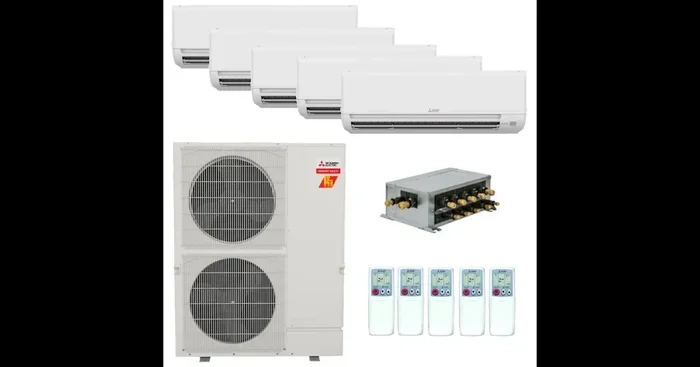
- You are installing a multi-zone system with multiple indoor units.
- You have a large property with significant distance between units.
- A professional HVAC technician will handle the refrigerant charge on-site.
- You need maximum flexibility for your refrigerant lines routing.
Benefits of Factory Pre-Charged Mitsubishi Mini Splits
Factory pre-charged Mitsubishi mini splits offer several advantages that make them popular among homeowners and installers alike. Let us look at why they are worth considering.
Faster Installation
Time is money, especially in HVAC installation. A factory pre-charged system eliminates the need for on-site charging. This can cut your installation time significantly. For contractors juggling multiple jobs, this efficiency is a real advantage. For DIYers, it removes one of the most technical steps from the process.
Reduced Risk of Charging Errors
One of the most common mistakes in mini split installation is an incorrect refrigerant charge. Too much or too little refrigerant leads to poor performance, higher energy bills, and potential system damage. A factory pre-charged unit takes this variable out of the equation. The charge is already dialed in by the manufacturer’s engineers.
Better Warranty Protection
Mitsubishi Electric warranties are tied to proper installation and maintenance. An incorrect refrigerant charge can void your warranty. By choosing a factory pre-charged system, you reduce the risk of warranty issues related to charging errors. This peace of mind is invaluable, especially for a significant investment like a ductless mini split system.
Improved Energy Efficiency
A properly charged split system runs more efficiently. It cools or heats your space faster, uses less electricity, and maintains more consistent temperatures. When your Mitsubishi Electric unit has the correct refrigerant charge from the factory, you get the energy efficiency ratings the manufacturer promises.
Common Installation Mistakes to Avoid
Even with a factory pre-charged unit, mistakes can happen during installation. Here are the most common errors and how to avoid them.
Assuming All Units Are Pre-Charged
This is the biggest mistake. Not every Mitsubishi mini split model is factory pre-charged. Always check the product specifications before you assume. Look for the charging details in the manual or on the unit’s nameplate. If you are unsure, contact the manufacturer or your dealer directly.
Ignoring Line Set Length Requirements
The factory charge is calculated for a specific line set length. If your installation uses a longer line set than the factory charge supports, the system will be undercharged. This leads to poor performance and potential compressor damage. Always measure your line set route carefully before finalizing your purchase.
Skipping the Vacuum Step
Before connecting refrigerant lines, you must evacuate air and moisture from the lines using a vacuum pump. Skipping this step introduces air and moisture into the system. This contaminates the refrigerant, reduces efficiency, and can cause ice buildup and corrosion inside the outdoor unit and indoor unit.
Using the Wrong Refrigerant Type
Never mix refrigerant types. If your system uses R-410A, do not add R-22 or any other refrigerant type. Using the wrong refrigerant type can destroy your compressor and other components. It also violates environmental regulations in many areas.
Overlooking the Charging Scale
If your system requires field charging, use a proper charging scale to measure the refrigerant. Guessing the amount or relying on pressure readings alone is not accurate enough. A charging scale gives you the precise weight of refrigerant added, which is the most reliable method.
Forgetting to Check for Leaks
After charging, always check the refrigerant lines and connections for leaks. Even a small leak can slowly drain your system of refrigerant over time. Use a leak detector or soap bubble solution on all joints and connections. A small leak today becomes a big problem tomorrow.
How to Know If Your Mitsubishi Mini Split Is Properly Charged
After installation, how can you tell if your refrigerant charge is correct? There are several signs to watch for. A properly charged Mitsubishi mini split will exhibit these characteristics:
- Consistent cooling or heating: The system maintains the set temperature without short cycling.
- Normal suction line temperature: The larger refrigerant line coming back to the outdoor unit should feel cool and slightly sweaty.
- Stable operating pressures: A technician can check the high and low side pressures with gauges to verify the charge.
- Reasonable energy bills: An undercharged system runs longer and uses more electricity.
- No ice buildup: Ice on the indoor unit evaporator coils is a strong sign of low refrigerant.
- Quiet operation: A properly charged system runs smoothly without unusual sounds from the compressor.
If you notice any of these warning signs, turn off your system and contact a qualified HVAC technician. Running an undercharged or overcharged split system for an extended period can cause permanent damage.
When to Call a Professional
Even if you are handy and comfortable with a DIY installation, refrigerant charging is best left to professionals. Handling refrigerant requires EPA certification in the United States. A certified technician has the tools, training, and experience to charge your system correctly the first time. They can also perform a full system check, including electrical connections, airflow, and drainage.
Many Mitsubishi Electric dealers and authorized installers offer post-installation commissioning services. This includes verifying the refrigerant charge, checking system performance, and making any necessary adjustments. It is a worthwhile investment that protects your system and your warranty.
Final Thoughts on Do Mitsubishi Mini Splits Come Pre-Charged
So, do Mitsubishi mini splits come pre-charged? The answer is: some do, some do not, and it all comes down to your specific model and installation needs. Factory pre-charged units offer convenience, speed, and reduced risk of charging errors. They are perfect for short line set installations and straightforward replacements. Non-pre-charged systems offer flexibility for longer runs and complex setups but require professional charging on-site.
Before you buy, always check the specifications for your chosen model. Look for the refrigerant charge details, the recommended line set length, and whether the unit is factory pre-charged. When in doubt, reach out to a Mitsubishi Electric dealer or a licensed HVAC professional. They can guide you to the right product and ensure your cooling and heating system performs at its best for years to come.
Your comfort is worth getting right. Take the time to understand how refrigerant charging works for your Mitsubishi mini split. It is one of the most important steps in getting the most out of your ductless mini split system. With the right knowledge and the right setup, you will enjoy reliable, efficient cooling and heating for a long time.
Frequently Asked Questions
Do all Mitsubishi Mini Splits come pre-charged from the factory?
No, not all models are factory pre-charged. Whether a unit comes pre-charged depends on the specific model and the standard line set length it is designed for. Always check the product specifications or manual to confirm the charging method before purchasing.
What happens if my Mitsubishi mini split is undercharged?
An undercharged system will struggle to cool or heat your space effectively. It runs longer cycles, uses more energy, and can cause ice buildup on the evaporator coils. Over time, low refrigerant levels can damage the compressor and void your warranty.
Can I add refrigerant to my Mitsubishi mini split myself?
In the United States, handling refrigerant requires EPA Section 608 certification. It is both a legal requirement and a safety best practice to have a licensed professional handle refrigerant charging. Improper charging can damage your system and release harmful chemicals into the environment.
How long does it take to charge a Mitsubishi mini split on-site?
A professional field charging typically takes 30 minutes to a few hours, depending on the complexity of the installation. This includes evacuating the lines, connecting gauges, adding the correct amount of refrigerant, and checking for leaks.
What is the standard line set length for a factory pre-charged Mitsubishi mini split?
Most factory pre-charged Mitsubishi mini splits are charged for line set lengths of up to 15 feet. If your installation requires a longer line set, you will need to add refrigerant during the field installation process.
Does a pre-charged Mitsubishi mini split still need a vacuum before installation?
Yes, absolutely. Even with a factory pre-charged system, you must evacuate air and moisture from the refrigerant lines before connecting them. Skipping the vacuum step introduces contaminants that can reduce efficiency and cause long-term damage to your system.