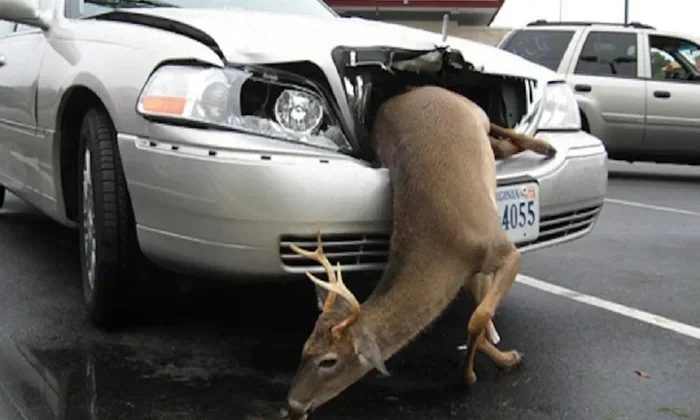
Does Car Insurance Cover Animal Damage On Your Car
Does car insurance cover animal damage? The answer depends on your policy type. Comprehensive coverage typically pays for animal collisions, while basic liability plans usually do not. Understanding your auto insurance policy can save you from unexpected repair bills.
You are driving home after a long day. Suddenly, a deer leaps out of the woods. Before you can react, your car collides with the animal. Your heart races. Your car is damaged. Now the real question hits you: does car insurance cover animal damage?
This is a situation thousands of drivers face every year. Animal collisions cause billions of dollars in vehicle damage annually. Whether it is a deer, a raccoon, or even a moose, the impact can be severe. But here is the good news. Most drivers are covered for this type of damage. The key is understanding how your policy works.
In this guide, we will break down everything you need to know about car insurance cover animal damage. We will look at what types of coverage apply, how to file a claim, and what to expect. By the end, you will feel confident about your protection. Let us get into it.
Key Takeaways
- Comprehensive coverage is essential: It is the main type of car insurance that covers animal damage.
- Liability insurance won’t help here: It only covers damage you cause to others, not your own vehicle.
- Deductibles apply: You will pay your comprehensive deductible before insurance kicks in.
- Deer strikes are common: They are one of the most frequent animal-related claims drivers file.
- File quickly: Reporting the incident promptly strengthens your claim and improves your chances of approval.
- Prevention helps: Simple driving habits can reduce your risk of animal collisions significantly.
📑 Table of Contents
- What Does Car Insurance Cover Animal Damage?
- How Common Are Animal Collisions?
- How to File an Insurance Claim for Animal Damage
- Will Filing an Animal Damage Claim Raise Your Rates?
- How to Prevent Animal Collisions
- What to Do If You Do Not Have Comprehensive Coverage
- Quick Tips for Handling Animal Damage Claims
- Expert Insights on Animal Damage and Insurance
- Key Takeaways
- Conclusion
What Does Car Insurance Cover Animal Damage?
The short answer is yes, but it depends on your coverage type. Not all insurance policies treat animal damage the same way. Let us look at the two main types of coverage and how they relate to animal collisions.
Comprehensive Coverage: Your Best Friend Here
Comprehensive coverage is the type of auto insurance that pays for animal damage. This coverage handles non-collision events. It covers things like theft, vandalism, weather damage, and yes, animal strikes. If a deer jumps in front of your car, comprehensive coverage steps in to pay for the repairs.
Here is how it works in simple terms. You pay a deductible first. That is the amount you agree to cover out of pocket. Then your insurance company pays the rest, up to your policy limits. For example, if your deductible is $500 and the repair bill is $3,000, your insurer pays $2,500.
Comprehensive coverage is optional in most states. However, if you have a car loan or lease, your lender will likely require it. Even if it is not required, it is a smart choice. Animal collisions are unpredictable. Having this protection can save you thousands of dollars.
Collision Coverage: What It Does and Does Not Cover
Collision coverage pays for damage from accidents with other vehicles or objects. It covers things like hitting a guardrail, a fence, or another car. But what about animals? Here is the tricky part.
In most cases, collision coverage does not cover animal damage. Insurance companies classify animal strikes as non-collision events. They fall under comprehensive coverage instead. So if you only carry collision and liability coverage, animal damage may not be covered at all.
There are some rare exceptions. A few policies might treat certain animal collisions differently. But this is not the norm. Always check with your insurance company to be sure. Reading your policy documents carefully is never a waste of time.
Liability Coverage: Why It Does Not Apply
Liability coverage is the most basic type of auto insurance. It pays for damage you cause to other people or their property. If you hit another car, liability coverage handles their repairs and medical bills.
But liability coverage does not pay for your own vehicle damage. It also does not cover animal damage. If you swerve to avoid a dog and hit a tree, liability will not pay for your car. You need comprehensive or collision coverage for that.
This is why many experts recommend bundling coverage types. A full policy with comprehensive, collision, and liability gives you the most protection. It covers a wide range of situations on the road.
How Common Are Animal Collisions?
Animal collisions are far more common than most people think. They happen every single day across the country. Understanding the scope of the problem helps explain why coverage matters.
Deer Strikes: The Most Frequent Animal Claim
Deer are the number one animal involved in vehicle collisions. The Insurance Institute for Highway Safety reports over 1.5 million deer-related crashes each year. These incidents cause an estimated $1 billion in vehicle damage annually.
Deer strikes peak during fall and early winter. This is mating season, and deer are more active during dawn and dusk. If you live in a rural area or near wooded roads, your risk is even higher. States like Pennsylvania, Michigan, and West Virginia see some of the highest rates of deer collisions.
Other Animals That Cause Vehicle Damage
Deer are not the only animals that damage cars. Many other creatures can cause significant problems. Here are some common ones:
- Raccoons and opossums: Smaller but still capable of damaging bumpers and hoods.
- Dogs and cats: Loose pets in neighborhoods can run into the road unexpectedly.
- Cattle and horses: Livestock on rural roads pose a serious collision risk.
- Moose and elk: These large animals can cause catastrophic damage to vehicles.
- Bears and wild boars: Common in certain regions, especially at night.
No matter the animal, the result is often the same. Your car sustains damage, and you need to pay for repairs. This is exactly why understanding your insurance coverage is so important.
How to File an Insurance Claim for Animal Damage
If you have been in an animal collision, filing a claim is the next step. The process is straightforward, but timing matters. Here is a step-by-step guide to help you navigate it.
Step 1: Ensure Your Safety First
After an animal collision, pull over safely. Turn on your hazard lights. Check yourself and any passengers for injuries. Do not approach a wounded animal. It may be scared and dangerous. Call animal control or local authorities if the animal is still nearby.
Step 2: Document the Scene
Take photos of the damage to your vehicle. Capture multiple angles. Photograph the road conditions and any skid marks. If there were witnesses, get their contact information. The more evidence you have, the smoother your claim will go.
Step 3: Contact Your Insurance Company
Call your insurance company as soon as possible. Report the incident and provide all the details. Be honest and clear about what happened. Most companies have 24/7 claim hotlines for exactly these situations.
Your insurer will assign you a claim number. They may also send an adjuster to assess the damage. Keep all documentation organized. This includes the police report if one was filed, photos, and any medical records if injuries occurred.
Step 4: Get Repair Estimates
Take your vehicle to a trusted repair shop. Get a written estimate for the damage. Share this with your insurance company. They will review the estimate and determine the payout amount. Remember, your comprehensive deductible will be subtracted from the total.
Step 5: Complete the Repairs
Once your claim is approved, you can proceed with repairs. Pay your deductible directly to the repair shop. Your insurance company pays the remaining amount. Some insurers have direct repair programs with specific shops. Ask your agent if this is an option.
Will Filing an Animal Damage Claim Raise Your Rates?
This is one of the most common questions drivers ask. The answer is not always straightforward. It depends on several factors.
In most cases, a comprehensive claim for animal damage does not raise your rates significantly. Insurance companies view comprehensive claims differently than at-fault collisions. Animal strikes are considered unavoidable events. They are not your fault.
However, there are exceptions. If you file multiple claims in a short period, your insurer may notice. This could lead to a rate increase. Some companies also consider your overall claim history when setting premiums.
Here are a few factors that influence whether your rates go up:
- Your claim history: A single comprehensive claim is usually fine.
- Your insurance company: Some providers are more forgiving than others.
- Your state regulations: Some states limit how much insurers can raise rates.
- The size of the claim: A large claim may have more impact than a small one.
If you are worried about rate increases, talk to your agent. They can explain how a claim will affect your specific policy. In many cases, the repair costs far outweigh any potential premium increase.
How to Prevent Animal Collisions
Prevention is always better than dealing with damage and claims. While you cannot control when an animal appears on the road, you can reduce your risk with smart driving habits.
Drive Defensively in High-Risk Areas
If you are driving through wooded areas or near farmland, slow down. Scan the road ahead constantly. Use your high beams when there is no oncoming traffic. This gives you more time to spot animals in the road.
Pay extra attention during dawn and dusk. These are the times when many animals are most active. Reduce your speed and stay alert. A few extra seconds of attention can prevent a costly collision.
Use Horn and Braking Techniques
If you see an animal on the road, honk your horn in short bursts. This often scares animals away. Do not swerve suddenly. Swerving can cause you to lose control or hit another vehicle.
Brake firmly but stay in your lane. The goal is to slow down as much as possible before impact. This reduces the force of the collision and lowers the chances of severe vehicle damage.
Install Animal Deterrents
Some drivers use deer whistles or similar devices on their vehicles. These emit ultrasonic sounds designed to warn animals of approaching cars. The effectiveness of these devices is debated. But they are inexpensive and easy to install.
Another option is using reflective tape or bright lights. These can make your vehicle more visible to animals at night. While not foolproof, every little bit of prevention helps.
What to Do If You Do Not Have Comprehensive Coverage
If your policy does not include comprehensive coverage, animal damage can be a financial burden. Here is what you should know if you find yourself in this situation.
First, check if your lender allows you to add comprehensive coverage. If you have a car loan, they may let you add it even after purchase. Contact your insurance company and ask about your options.
Second, consider your financial situation. If the damage is minor, paying out of pocket might make sense. But if the repair costs are high, going without coverage can be risky. One major animal collision could cost thousands of dollars.
Third, think about adding comprehensive coverage for future protection. The premium is usually affordable. Many drivers pay between $100 and $300 per year for comprehensive coverage. Compare that to a single animal collision repair bill. The value is clear.
Quick Tips for Handling Animal Damage Claims
Here are some practical tips to keep in mind if you ever need to file a claim for animal damage:
- Always call the police: A police report adds credibility to your claim.
- Do not delay: Report the incident to your insurer as soon as possible.
- Keep all receipts: Save receipts for any towing or temporary repairs.
- Know your deductible: Understand what you will need to pay before filing.
- Ask about rental coverage: Your policy may cover a rental car while yours is being repaired.
- Review your policy annually: Make sure your coverage still meets your needs.
Expert Insights on Animal Damage and Insurance
Insurance professionals agree that comprehensive coverage is the best defense against animal damage. According to industry experts, animal collisions account for a significant portion of comprehensive claims each year. The frequency peaks in certain regions and seasons, making it a consistent concern for drivers.
Experts also emphasize the importance of understanding your policy details. Many drivers assume they are covered for everything. But without comprehensive coverage, animal damage is often excluded. Taking the time to review your policy can prevent unpleasant surprises after an accident.
Another expert tip is to maintain a safe following distance. This gives you more reaction time if an animal darts into the road. It also reduces the severity of any collision that does occur.
Insurance agents also recommend keeping an emergency kit in your car. Include items like a flashlight, first aid supplies, and a phone charger. If you are ever stranded after an animal collision, these items can make a big difference.
Key Takeaways
- Comprehensive coverage is essential: It is the main type of car insurance that covers animal damage.
- Liability coverage does not apply: It only covers damage you cause to others, not your own vehicle.
- Deductibles apply: You will pay your comprehensive deductible before insurance kicks in.
- Deer strikes are the most common: They are the leading cause of animal-related insurance claims.
- File your claim promptly: Reporting the incident quickly strengthens your case and speeds up the process.
- Rates may or may not increase: A single comprehensive claim for animal damage usually has minimal rate impact.
- Prevention is powerful: Defensive driving habits can significantly reduce your risk of animal collisions.
Conclusion
So, does car insurance cover animal damage? In most cases, yes. Comprehensive coverage is the key. It protects you from the financial impact of animal collisions. Without it, you may be left paying for repairs entirely on your own.
Understanding your auto insurance policy is one of the smartest things you can do as a driver. Take the time to review your coverage. Know what is included and what is not. If you do not have comprehensive coverage, consider adding it. The peace of mind it provides is well worth the cost.
Animal collisions are unpredictable. You cannot control when a deer appears on the road or when a raccoon darts across your path. But you can control your level of preparation. The right insurance coverage ensures that when the unexpected happens, you are protected.
Drive safely. Stay alert. And make sure your car insurance cover animal damage needs are met. Your wallet will thank you when it matters most.
Does Car Insurance Cover Animal Damage FAQ
Will my car insurance cover animal damage if I only have liability coverage?
No, liability coverage alone will not cover animal damage to your vehicle. Liability insurance only pays for damage you cause to other people or their property. To have protection for animal collisions, you need comprehensive coverage. This is a separate coverage type that must be added to your policy.
What is the average cost of repairing animal damage to a car?
The cost varies widely depending on the animal and the severity of the collision. Minor damage from a small animal might cost $200 to $500. A deer collision can easily range from $1,000 to $5,000 or more. Large animals like moose can cause damage exceeding $10,000. Your comprehensive deductible will also affect your out-of-pocket cost.
Does filing an animal damage claim affect my car insurance rates?
In most cases, a single comprehensive claim for animal damage does not significantly raise your rates. Insurers view animal strikes as unavoidable events. However, multiple claims in a short period could lead to higher premiums. Check with your specific insurance company to understand how a claim might affect your rates.
What should I do immediately after hitting an animal on the road?
First, pull over safely and turn on your hazard lights. Check for injuries to yourself and passengers. Do not approach a wounded animal, as it may be dangerous. Call the police to file a report, and contact your insurance company to start the claims process. Document the scene with photos if it is safe to do so.
Does comprehensive coverage cover damage from hitting a pet?
Yes, comprehensive coverage typically covers damage from hitting a pet. Dogs, cats, and other domestic animals fall under the same category as wildlife for insurance purposes. However, the pet owner may be held liable for any damage their pet caused to your vehicle or property. Your comprehensive coverage handles your vehicle repairs, while liability coverage handles the pet owner’s responsibility.
Is there a waiting period before comprehensive coverage applies to animal damage?
No, there is generally no waiting period for comprehensive coverage to apply to animal damage. Once your policy is active and you have comprehensive coverage included, it applies immediately. However, some insurance companies may have specific rules about new policies. Always confirm the details with your insurance provider when you first purchase your policy.