Does Toyota Touch-Up Paint Need Primer Heres the Answer
Toyota touch-up paint often does not need primer if the damage is shallow and the clear coat is intact. However, for deeper scratches that expose bare metal, using a primer is essential to prevent rust and ensure the paint adheres properly. This guide breaks down exactly when primer is needed, when to skip it, and how to get professional-level scratch repair at home.
Have you ever noticed a small scratch on your Toyota and wondered if you need primer before applying touch-up paint? It is a question many car owners ask, and the answer is not always straightforward. Toyota touch-up paint can work wonders for minor chips and scratches, but whether you need primer depends on how deep the damage goes. In this guide, we will walk you through everything you need to know about using primer with Toyota touch-up paint. You will learn when to use it, when to skip it, and exactly how to get a flawless repair that lasts for years.
Car scratches happen to everyone. Whether it is a parking lot mishap, a stone chip on the highway, or just everyday wear and tear, your Toyota deserves proper care. Automotive touch-up paint is an affordable and easy way to fix these issues yourself. But the real question is whether primer is a necessary step in the process. Let us dive in and find out.
Key Takeaways
- Shallow scratches do not need primer: If the clear coat is intact, Toyota touch-up paint can be applied directly without primer.
- Deep scratches exposing bare metal need primer: A primer creates a protective barrier against rust and improves paint adhesion.
- Using the wrong primer can cause problems: Always choose a primer compatible with Toyota automotive paint and your specific paint type.
- Proper surface prep matters more than primer: Cleaning, sanding, and degreasing the area is the most important step for a flawless finish.
- Toyota paint codes are essential: Finding your exact Toyota paint code ensures the touch-up paint matches perfectly.
- Skipping primer on deep damage leads to rust: Leaving bare metal exposed without primer will eventually cause corrosion and costly bodywork.
[FEATURED_IMAGE_PLACEHOLDER]
📑 Table of Contents
- What Is Toyota Touch-Up Paint and How Does It Work?
- So, Does Toyota Touch-Up Paint Need Primer?
- Why Primer Matters for Paint Adhesion and Protection
- Types of Primer for Toyota Touch-Up Paint
- How to Apply Primer and Toyota Touch-Up Paint Like a Pro
- Common Mistakes to Avoid When Using Primer and Touch-Up Paint
- Expert Tips for a Flawless Toyota Touch-Up Paint Repair
- How Long Does a Toyota Touch-Up Paint Repair Last?
- Final Thoughts on Toyota Touch-Up Paint and Primer
What Is Toyota Touch-Up Paint and How Does It Work?
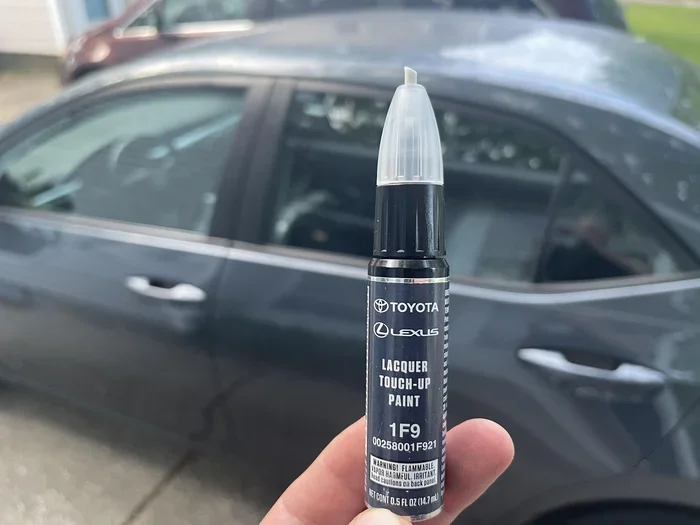
Toyota touch-up paint is a small bottle or pen filled with paint that matches your specific Toyota model and color. Each Toyota vehicle has a unique paint code that tells you the exact color formula used on the factory line. When you find your paint code, you can buy touch-up paint that blends seamlessly with your car’s existing finish.
The touch-up process is simple. You clean the damaged area, apply the paint carefully into the scratch or chip, and let it dry. Most Toyota touch-up kits also include a clear coat that goes over the paint to protect it and add shine. The goal is to make the repair invisible to the naked eye.
Understanding Toyota Paint Codes
Every Toyota has a paint code located on a sticker inside the driver’s door jamb or in the owner’s manual. This code is your key to finding the right touch-up paint. Without the correct code, your repair might stand out more than the scratch itself. You can also look up your paint code online or call a Toyota dealer with your vehicle identification number. Once you have the code, finding matching touch-up paint is easy and affordable.
Types of Toyota Touch-Up Paint Products
Toyota touch-up paint comes in several forms. Here are the most common options you will find:
- Touch-up pens: These are the most popular option. They are easy to hold and apply directly to small scratches and chips.
- Touch-up bottles with brushes: These offer more precision for larger areas and allow you to control the amount of paint applied.
- Touch-up sticks or wax pens: These are great for very small chips and work like a crayon to fill in damage quickly.
- Complete repair kits: These include primer, paint, and clear coat in one package. They are ideal for deeper damage that needs multiple steps.
So, Does Toyota Touch-Up Paint Need Primer?
The short answer is: it depends on the depth of the damage. Toyota touch-up paint does not always need primer, but in many cases, using one makes a big difference. Let us break this down so you can decide what is right for your situation.
When You Do NOT Need Primer
If the scratch only affects the clear coat or the top layer of color paint, you do not need primer. This is the case for most surface-level scratches that you can feel with your fingernail but do not see bare metal. In these situations, the automotive paint bonds directly to the existing paint layers beneath.
Here are some signs that you can skip primer:
- The scratch is only in the clear coat and does not reach the color layer.
- The damage is a light surface scratch that does not expose bare metal.
- The area around the scratch shows no signs of rust or corrosion.
- The scratch is small and shallow, like a minor stone chip.
In these cases, applying Toyota touch-up paint directly over the cleaned and prepped surface will give you excellent results. The clear coat that comes with your touch-up kit will seal and protect the repair.
When You DO Need Primer
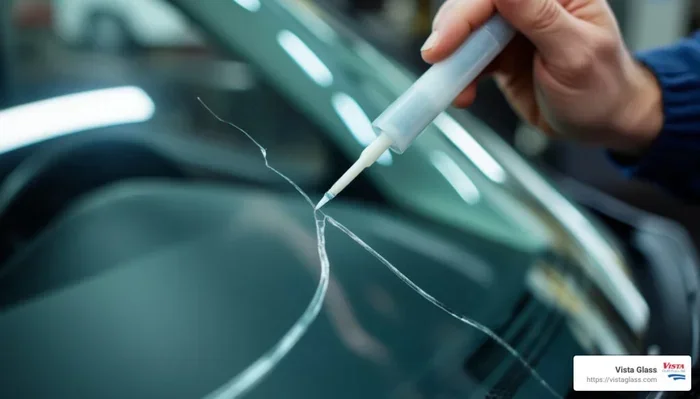
Now, here is where primer becomes essential. If the scratch or chip has gone through all the paint layers and exposed the bare metal underneath, you absolutely need primer. Skipping primer in this situation is one of the biggest mistakes car owners make during car scratch repair.
Bare metal exposed to moisture and air will start to rust within days or weeks. Rust spreads quickly and can turn a small repair into a major bodywork job. Paint primer acts as a protective barrier between the bare metal and the touch-up paint. It also creates a surface that the paint can bond to properly, which means your repair will last much longer.
You need primer when:
- The scratch reveals bare metal or gray-colored material underneath.
- The damage is a deep chip from a rock or road debris.
- You notice any signs of rust forming at the damage site.
- The scratch goes through both the color coat and the clear coat.
Why Primer Matters for Paint Adhesion and Protection
Primer is not just an extra step. It serves two critical purposes in any paint repair job. First, it improves paint adhesion, meaning the touch-up paint grips the surface better and is less likely to peel or chip off. Second, it protects against moisture, which is the number one cause of rust on Toyota vehicles.
The Science Behind Paint Adhesion
Think of primer as the foundation of a house. Without a solid foundation, the house will not last. Similarly, without primer, the touch-up paint has nothing to grip onto when the damage reaches bare metal. The primer creates a textured, chemically compatible surface that allows the automotive touch-up paint to bond strongly.
Toyota vehicles use multiple layers of paint on the factory line. These layers include an electrocoat, primer, base color coat, and clear coat. When damage penetrates through all of these layers, the touch-up paint needs help bonding to what remains. That is where a good rust inhibitor primer comes in.
Rust Prevention with Primer
Toyota vehicles are built to last, but they are not immune to rust. When bare metal is exposed, moisture from rain, snow, and even humidity can start the oxidation process. Rust eats away at the metal and weakens the body panels over time. Using a primer with rust-inhibiting properties is one of the best ways to prevent this from happening.
Some Toyota owners live in areas with harsh winters where road salt is used. In these climates, rust prevention becomes even more critical. A good primer adds a layer of defense that keeps moisture away from the metal and stops corrosion before it starts.
Types of Primer for Toyota Touch-Up Paint
Not all primers are the same. Choosing the right primer for your Toyota touch-up paint project is important for getting the best results. Here is a look at the most common primer types used in automotive scratch repair.
Etching Primer
Etching primer is a popular choice for automotive paint repair. It contains acid that creates a microscopic rough surface on the metal, which helps the paint grip on tightly. This type of primer is excellent for bare metal surfaces and provides a strong foundation for touch-up paint. It dries quickly and is easy to apply with a small brush or pen applicator.
Rust Converter Primer
If you already have some surface rust on your Toyota, a rust converter primer is your best friend. This type of primer chemically transforms rust into a stable, paintable surface. It stops the rust from spreading and creates a clean base for your Toyota touch-up paint. Rust converter primers are especially useful for older Toyota models or vehicles that have been exposed to harsh weather conditions.
High-Build Primer
High-build primer is thicker than other types and is designed to fill in deeper scratches and imperfections. If your Toyota has a deep gouge or a large chip, high-build primer can help level the surface before you apply color paint. This type of primer is ideal for more significant car scratch repair jobs where the damage goes deep into the body panel.
Primer vs. No Primer: A Quick Comparison
| Factor | With Primer | Without Primer |
|---|---|---|
| Best for | Deep scratches exposing bare metal | Surface scratches and clear coat damage |
| Rust protection | Excellent – prevents corrosion | Limited – only works on intact paint |
| Paint adhesion | Strong and long-lasting | Good on existing paint layers |
| Application steps | More steps required | Fewer steps, quicker process |
| Durability | Very durable, lasts for years | Good for minor repairs |
| Cost | Slightly higher | Lower cost |
How to Apply Primer and Toyota Touch-Up Paint Like a Pro
Applying primer and touch-up paint correctly is what separates a good repair from a great one. Follow these steps to get the best results with your Toyota touch-up paint kit.
Step 1: Clean the Damaged Area
Start by washing the area around the scratch or chip with soap and water. Use a microfiber cloth to dry it completely. Then, wipe the damaged area with rubbing alcohol or a dedicated automotive degreaser. This removes any dirt, oils, and wax that could interfere with the paint bonding.
Step 2: Sand the Area (If Needed)
For deeper damage, use fine-grit sandpaper (around 600 to 800 grit) to gently smooth the edges of the scratch. This helps the primer and paint adhere better. Be careful not to sand too aggressively. You only want to create a slightly rough surface, not remove more paint than necessary.
Step 3: Apply the Primer
If you determined that primer is needed, apply a thin, even coat over the bare metal area. Use the applicator brush that comes with your touch-up kit or a small precision brush. Let the primer dry completely according to the manufacturer’s instructions, which is usually about 15 to 30 minutes.
Step 4: Apply the Touch-Up Paint
Once the primer is dry, apply the Toyota touch-up paint in thin layers. It is better to apply multiple thin coats than one thick coat. Use a toothpick or the included brush to carefully fill in the scratch or chip. Let each coat dry for about 10 to 15 minutes before applying the next one.
Step 5: Apply the Clear Coat
After the paint has fully dried, apply the clear coat that comes with your touch-up kit. The clear coat protects the paint from UV rays, road debris, and weather damage. It also gives your repair a glossy finish that matches the rest of the Toyota’s paintwork.
Step 6: Let It Cure and Buff
Allow the repair to cure for at least 24 to 48 hours before washing your car. Once fully cured, you can gently buff the area with a polishing compound to blend the repair with the surrounding paint. This final step makes the repair nearly invisible.
Common Mistakes to Avoid When Using Primer and Touch-Up Paint
Even with the best intentions, mistakes can happen during paint repair. Here are some common errors to watch out for.
Skipping Surface Prep
The most common mistake is not properly cleaning and preparing the surface. If there is any dirt, wax, or grease on the area, the primer and paint will not adhere correctly. Always take the time to clean and degrease the damaged area thoroughly.
Using Too Much Primer
Thick layers of primer can crack, peel, and look unnatural. Apply primer in thin, even coats and let each layer dry before adding the next. A little primer goes a long way in achieving a smooth, professional-looking finish.
Choosing the Wrong Primer Type
Not every primer works with every paint system. Some primers are designed for specific types of automotive paint. Make sure the primer you choose is compatible with Toyota automotive paint and your vehicle’s paint type. Using the wrong primer can lead to peeling, bubbling, or discoloration over time.
Applying Touch-Up Paint in Direct Sunlight
Heat causes touch-up paint to dry too quickly, which can lead to uneven application and poor adhesion. Always work in a shaded area or indoors when applying primer and paint to your Toyota.
Rushing the Drying Process
Patience is key when it comes to scratch fix and paint repair. Applying the next layer before the previous one is fully dry will result in a messy, uneven finish. Follow the drying times recommended by the product manufacturer and give each layer enough time to cure properly.
Expert Tips for a Flawless Toyota Touch-Up Paint Repair
Here are some insider tips from automotive paint professionals that will help you get the best possible results with your Toyota touch-up paint project.
- Test the paint color first: Apply a small amount of touch-up paint in an inconspicuous area to make sure the color matches before working on the visible scratch.
- Use a paint pen for precision: Touch-up pens give you more control than bottles with brushes, especially for narrow scratches and small chips.
- Keep your Toyota paint code handy: Save your paint code in your phone or wallet so you can easily reorder touch-up paint whenever you need it.
- Invest in a quality touch-up kit: Cheap kits often have poor color matching and low-quality paint. Spending a little more on a reputable kit pays off in the long run.
- Work in a temperature-controlled environment: Ideal application temperatures are between 60 and 75 degrees Fahrenheit for the best paint adhesion and drying results.
- Apply multiple thin layers: Thin layers dry more evenly and create a smoother finish than one thick layer ever could.
- Use a clear coat every time: The clear coat is what gives your repair the same glossy look as the factory finish. Never skip this step.
How Long Does a Toyota Touch-Up Paint Repair Last?
A properly done touch-up paint repair can last for many years, especially when primer is used for deeper damage. The longevity of the repair depends on several factors, including the quality of the paint, the preparation work, and the level of protection your Toyota is exposed to. A repair done with primer and proper clear coat protection can easily last 5 to 10 years or more.
On the other hand, a repair done without primer on deep damage may only last a few months before the paint starts to chip or rust appears. This is why understanding when primer is needed is so important. Taking the extra few minutes to apply primer can save you from a much bigger repair bill down the road.
Regular car maintenance also plays a role in how long your touch-up repair lasts. Washing your car regularly, applying wax to protect the paint, and addressing new damage quickly all help extend the life of your repair. Think of touch-up paint as part of an ongoing car scratch repair routine that keeps your Toyota looking its best.
Final Thoughts on Toyota Touch-Up Paint and Primer
So, does Toyota touch-up paint need primer? The answer comes down to the depth of the damage. For shallow scratches that do not reach bare metal, you can skip primer and apply Toyota touch-up paint directly. For deeper chips and scratches that expose bare metal, primer is not optional, it is essential. Primer protects against rust, improves paint adhesion, and ensures your repair lasts for years.
Taking the time to properly prep the surface, choose the right primer, and apply the paint in thin, even layers will give you results that look professional and feel durable. Whether you are fixing a small stone chip or a deeper scratch from a parking lot incident, the right approach makes all the difference. Your Toyota deserves the best care, and with the right knowledge and tools, you can keep it looking great for miles to come.
Remember, paint repair is not just about aesthetics. It is about protecting your vehicle from rust and corrosion that can lead to expensive repairs. A few minutes spent on a proper touch-up today can save you hundreds of dollars in bodywork tomorrow. So grab your Toyota touch-up paint kit, find your paint code, and give your car the care it deserves.
Frequently Asked Questions
Can I use touch-up paint without primer on a deep scratch?
It is not recommended. Deep scratches that expose bare metal should always use primer. Without primer, the touch-up paint will not adhere properly, and moisture can reach the metal, causing rust to form underneath the paint within weeks or months.
What happens if I skip primer when it is needed?
Skipping primer on bare metal leads to poor paint adhesion and eventual rust formation. The touch-up paint may peel or chip off quickly, and the exposed metal will corrode, turning a simple repair into a much more serious and expensive bodywork issue.
How do I know if my Toyota scratch needs primer?
Run your fingernail over the scratch. If you feel it deeply and can see bare metal or a grayish color underneath, primer is needed. If the scratch only affects the clear coat or color layer and no bare metal is visible, you can skip primer.
Can I use any primer with Toyota touch-up paint?
Not all primers are compatible. Use a primer specifically designed for automotive paint repair and make sure it is compatible with Toyota factory paint systems. Etching primers and rust converter primers are the most commonly recommended options for Toyota vehicles.
How long should I wait between primer and touch-up paint layers?
Wait until the primer is fully dry before applying touch-up paint. Most automotive primers dry in 15 to 30 minutes, but always check the manufacturer’s instructions. Applying paint too soon can cause bubbling, peeling, and poor adhesion.
Is primer necessary for stone chips on a Toyota?
Yes, if the stone chip has gone through the paint layers and exposed bare metal, primer is necessary. Stone chips are particularly vulnerable to rust because they are often located on areas of the car that are exposed to road moisture and salt. Using primer with your Toyota touch-up paint prevents rust and ensures a long-lasting repair.
=== CONCLUSION ===
Toyota touch-up paint is one of the simplest and most effective ways to keep your car looking great and protected from rust. The question of whether primer is needed comes down to the depth of the damage. Shallow scratches without exposed metal can be repaired without primer, while deeper damage that reaches bare metal absolutely requires it. By understanding when to use primer and when to skip it, you can save time, money, and protect your Toyota from long-term damage. Follow the steps outlined in this guide, take your time with the process, and you will achieve professional-quality results right in your own garage. Your Toyota will thank you for it.