Does VW Own Ferrari The Truth About Their Relationship
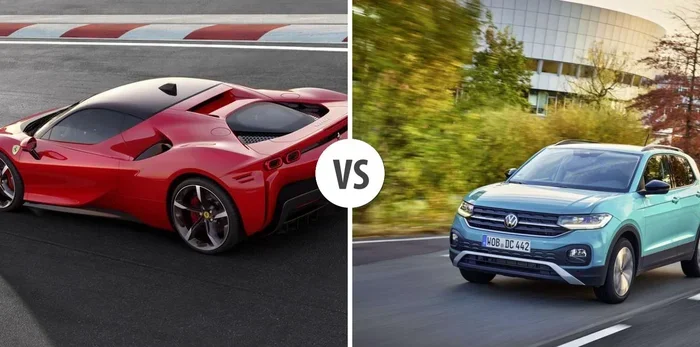
So, does VW own Ferrari? The short answer is no. Volkswagen does not own Ferrari, and the two companies have entirely separate ownership structures. Ferrari remains an independent company with its own shareholders, while Volkswagen operates its own portfolio of luxury and sports car brands like Porsche and Lamborghini. Understanding this distinction is important for any car enthusiast who wants to know how the automotive world really works.
You have probably seen the headlines, the forum posts, and the heated debates on car enthusiast forums. The question keeps popping up: Does VW Own Ferrari? It is a fair question. After all, Volkswagen is one of the biggest car companies on the planet, and Ferrari is one of the most famous names in automotive history. So it makes sense that people would wonder if there is a connection.
The truth, however, might surprise you. Volkswagen does not own Ferrari. Not even close. Ferrari is an independent company with its own shareholders, its own leadership, and its own distinct identity in the luxury sports car world. Volkswagen, on the other hand, has built its own impressive empire of car brands. But Ferrari is not part of that empire.
In this article, we are going to break down everything you need to know about the relationship between these two iconic car companies. We will look at the history, the ownership structures, the brands that Volkswagen does own, and why so many people get confused about this topic in the first place. Whether you are a car enthusiast, a potential buyer, or just curious about how the automotive industry works, this guide has you covered.
Key Takeaways
- Volkswagen does not own Ferrari. Ferrari is an independent publicly traded company with its own ownership structure.
- Ferrari has never been part of the Volkswagen Group. The two companies have separate histories and corporate structures.
- VW owns other luxury brands. Volkswagen Group owns Porsche, Lamborghini, Audi, Bentley, and several other well-known car makers.
- Ferrari’s ownership includes public investors. The company trades on the stock exchange, and its shares are held by various institutional and individual investors.
- The confusion is understandable. Both VW and Ferrari operate in the premium and luxury car segments, which leads many people to assume a connection.
- Ferrari maintains full independence. Despite being a smaller player in the global auto market, Ferrari has managed to stay fully autonomous and profitable.
- Understanding brand relationships matters. Knowing who owns what in the car industry helps you make smarter buying and investing decisions.
📑 Table of Contents
- The Short Answer: Does VW Own Ferrari?
- A Look Back at Ferrari’s Ownership History
- What Does Volkswagen Actually Own?
- How Ferrari Fits Into the Bigger Picture
- Why People Think VW Owns Ferrari
- What This Means for Car Fans and Buyers
- Quick Tips for Understanding Car Brand Ownership
- Common Mistakes People Make When Researching Car Ownership
- Expert Insights: What Industry Analysts Say
- Key Takeaways
- Conclusion
The Short Answer: Does VW Own Ferrari?
Let us get the big question out of the way right up front. Does VW Own Ferrari? No, it does not. Volkswagen AG, the German car manufacturer headquartered in Wolfsburg, Germany, has no ownership stake in Ferrari N.V., the Italian sports car manufacturer based in Maranello, Italy.
Ferrari operates as an independent public company. It is listed on the New York Stock Exchange under the ticker symbol RACE. The company was spun off from its previous parent company, Fiat Chrysler Automobiles, in 2015. Since then, Ferrari has been fully self-governing and financially independent.
Volkswagen Group, sometimes called VW Group or VAG, is a completely separate entity. It is one of the largest automotive conglomerates in the world. But its portfolio of brands does not include Ferrari. That is a hard fact that no amount of speculation can change.
So why do so many people ask this question? We will get to that in a moment. First, let us take a closer look at where Ferrari has been and how it ended up where it is today.
A Look Back at Ferrari’s Ownership History
The Early Days: Enzo Ferrari and the Birth of a Legend
Ferrari was founded by Enzo Ferrari in 1939, originally as Auto Avio Costruzioni. The company was based in Modena, Italy. Enzo had a deep passion for racing cars and building high-performance machines. Over the decades, Ferrari grew into one of the most recognizable names in all of motorsport and luxury automotive.
For much of its early history, Ferrari remained a family-run business. Enzo Ferrari controlled the company until his death in 1988. After that, the ownership began to shift. The Ferrari family did not have the resources or the desire to run a global luxury car brand on their own.
The Fiat Era and Beyond
In 1969, Fiat, the Italian car manufacturer, acquired a 50% stake in Ferrari. Over the years, Fiat increased its ownership share. By the time Fiat merged with Chrysler to form Fiat Chrysler Automobiles (FCA) in 2014, Fiat held a controlling interest in Ferrari.
Then came the big change. In 2015, FCA spun Ferrari off as a separate publicly traded company. This was a massive moment in car company history. Ferrari became independent, and its shares began trading on the NYSE. The Ferrari family, through Piero Ferrari (Enzo’s son), retained a significant ownership stake. But the company was now open to public investors as well.
Today, Ferrari’s ownership is spread among several groups. The Piero Ferrari family holds a notable stake. Institutional investors and individual shareholders from around the world also own shares. None of these stakeholders are connected to Volkswagen in any way.
What Does Volkswagen Actually Own?
Now that we have clarified the Ferrari situation, let us talk about what Volkswagen does own. The VW Group is one of the most powerful automotive empires in the world. It owns a wide range of car brands across different price points and market segments.
The Volkswagen Group Brand Portfolio
Volkswagen Group owns a staggering number of car brands. Here is a look at some of the most prominent ones:
- Volkswagen – The core brand, known for reliable and affordable cars.
- Audi – A premium brand focused on luxury sedans, SUVs, and performance vehicles.
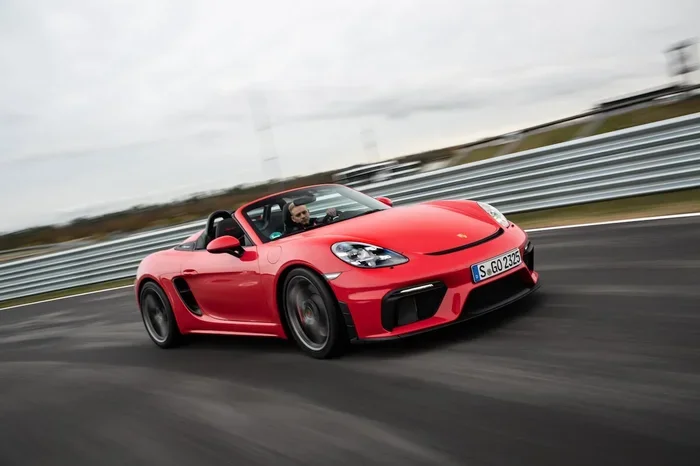
- Porsche – A high-end sports car manufacturer known for the iconic 911 and Cayenne.
- Lamborghini – The ultimate luxury sports car brand, known for supercars like the Aventador and Huracán.
- Bentley – A British luxury brand specializing in opulent sedans and SUVs.
- Bugatti – The ultra-luxury hypercar maker behind models like the Chiron.
- SEAT – A Spanish brand focused on sporty, affordable vehicles.
- Škoda – A Czech brand known for practical and well-engineered cars.
- Ducati – A famous motorcycle brand, not a car maker, but part of the VW Group portfolio.
As you can see, Volkswagen has a very impressive lineup. It owns brands that compete in nearly every segment of the car market. From economy cars to hypercars, VW Group has it all. But Ferrari is conspicuously absent from this list.
Why Porsche and Lamborghini Are Often Confused with Ferrari
Here is where the confusion often starts. Volkswagen owns both Porsche and Lamborghini. Both of these brands make luxury sports cars that compete in the same space as Ferrari. When people see a Porsche 911 or a Lamborghini Huracán on the road, they naturally think of Ferrari.
Porsche and Ferrari have a long history of competition on the racetrack. Lamborghini was actually founded by someone who had a dispute with Ferrari. These connections in the luxury car market make it easy for people to assume that all three brands are related. But they are not. Porsche and Lamborghini belong to Volkswagen. Ferrari does not.
How Ferrari Fits Into the Bigger Picture
Ferrari’s Unique Position in the Market
Ferrari occupies a very special niche in the automotive industry. It is not just a car company. Ferrari is a lifestyle brand, a racing heritage, and a symbol of Italian passion and excellence. The Ferrari brand carries a mystique that very few other car companies can match.
Unlike Volkswagen, which sells millions of cars each year across many segments, Ferrari focuses on a very narrow market. It produces around 10,000 to 13,000 cars per year. Each one is hand-built in Maranello, Italy. The exclusivity and craftsmanship of Ferrari vehicles command premium prices, often exceeding $200,000 or even $1 million for special editions.
Ferrari also has a powerful racing division called Scuderia Ferrari. It is the oldest and most successful team in Formula 1 racing history. This racing heritage adds enormous value to the brand and sets it apart from any other sports car manufacturer.
Ferrari’s Financial Independence
One of the most impressive things about Ferrari is its financial independence. The company generates billions of dollars in revenue each year. It is consistently profitable. Its Ferrari stock price has been strong on the NYSE, reflecting investor confidence in the brand.
Ferrari does not need Volkswagen or any other parent company to survive. It stands on its own as one of the most valuable and iconic brands in the world. This independence is a source of pride for the company and its fans.
Why People Think VW Owns Ferrari
So why does this question keep coming up? There are several reasons why people mistakenly believe that Volkswagen owns Ferrari.
The Luxury Car Overlap
Both Volkswagen and Ferrari operate in the premium and luxury segments of the car market. Volkswagen Group owns several brands that compete directly with Ferrari in terms of price and prestige. Porsche, for example, makes cars that cost as much as base Ferrari models. Lamborghini competes with Ferrari’s supercar lineup.
When you see all these brands at auto shows or in car magazines, it is easy to assume they are all part of the same company. The luxury car brands ecosystem is complex, and not everyone keeps track of who owns what.
The Volkswagen Group’s Massive Size
Volkswagen Group is enormous. It is the largest carmaker in Europe and one of the biggest in the world. When a company is this large, people tend to assume it owns everything. The sheer scale of VW Group can create the impression that it has its fingers in every pie, including Ferrari.
But the reality is different. Ferrari has deliberately stayed independent. The company values its autonomy and its unique brand identity. Being part of a massive conglomerate like Volkswagen would mean compromises that Ferrari is not willing to make.
Misinformation and Online Rumors
The internet is full of rumors and misinformation about car companies. Social media posts, forum threads, and even some websites spread false claims about car company mergers and ownership. Once a rumor like “VW owns Ferrari” starts circulating, it can be very hard to correct.
This is why it is so important to rely on credible sources when researching car companies. Official company statements, financial filings, and reputable automotive journalism are your best friends when trying to separate fact from fiction.
What This Means for Car Fans and Buyers
If You Are a Car Enthusiast
Understanding who owns what in the car world is fascinating. It gives you a deeper appreciation for the brands you love. When you know the car company history behind Ferrari, you understand why the brand is so fiercely independent and why it values its racing heritage so deeply.
On the other hand, knowing that Volkswagen owns Porsche and Lamborghini gives you insight into the engineering and quality standards behind those brands. VW Group has a reputation for excellent build quality and engineering, and that reputation flows down to its subsidiary brands.
If You Are a Potential Buyer
If you are thinking about buying a luxury or sports car, ownership matters more than you might think. A brand’s parent company can affect things like long-term parts availability, service network, resale value, and even insurance costs.
Ferrari’s independence means that its service network is highly specialized. Ferrari owners typically take their cars to certified Ferrari service centers. These centers are staffed with technicians who are specifically trained on Ferrari vehicles.
With a Volkswagen Group brand like Porsche or Lamborghini, the service network is different. These brands benefit from VW Group’s global infrastructure. Parts may be more accessible, and service costs might be lower in some markets compared to Ferrari.
If You Are an Investor
For investors, the distinction between Ferrari and Volkswagen Group is important. Ferrari trades independently on the NYSE. Volkswagen Group trades on the Frankfurt Stock Exchange under the symbol VOW3. These are two separate investments with different risk profiles and growth potential.
Ferrari’s Ferrari stock price has historically been strong, driven by the brand’s exclusivity and growing demand, especially in emerging markets like China and the Middle East. Volkswagen Group, meanwhile, is a massive diversified company with a much broader revenue base.
Quick Tips for Understanding Car Brand Ownership
- Do your research. Always check official company websites and financial reports for accurate ownership information.
- Follow the parent company. If you want to know what brands a company owns, look up its official portfolio on its investor relations page.
- Do not trust every rumor. The internet is full of false claims. Cross-check information with multiple reliable sources.
- Understand the difference between brands and subsidiaries. A brand can be a subsidiary of a larger group without being fully absorbed or losing its identity.
- Stay curious. The automotive industry is always evolving. New mergers, acquisitions, and partnerships happen regularly. Stay informed.
Common Mistakes People Make When Researching Car Ownership
It is easy to make mistakes when researching car brand ownership. Here are some common errors to avoid:
- Assuming all luxury brands are related. Just because two brands make expensive cars does not mean they share a parent company. Ferrari and Volkswagen are a perfect example of this.
- Confusing partnerships with ownership. Some car companies collaborate on projects without sharing ownership. A partnership does not mean one company owns the other.
- Relying on outdated information. Ownership structures change over time. Ferrari was part of Fiat Chrysler until 2015. Make sure your information is current.
- Overlooking regional differences. Ownership structures can vary by market. A brand might be owned by one company in Europe and have a different arrangement in another region.
Expert Insights: What Industry Analysts Say
Industry analysts consistently point out that Ferrari’s independence is one of its greatest strengths. Being a standalone company allows Ferrari to make decisions based on brand value rather than corporate strategy. This independence has helped Ferrari maintain its premium positioning and strong margins.
At the same time, analysts note that Volkswagen Group’s diversified portfolio gives it stability. If one brand underperforms, others can compensate. Both approaches have merit, and both have proven successful in the competitive luxury car market.
According to automotive experts, the relationship between Ferrari and Volkswagen is best described as parallel rather than connected. They operate in the same broad industry, they compete for the attention of wealthy car buyers, and they both produce exceptional vehicles. But their corporate structures are entirely separate.
Key Takeaways
- Volkswagen does not own Ferrari. Ferrari is an independent, publicly traded company with its own ownership structure.
- Ferrari has never been part of Volkswagen Group. The company was spun off from Fiat Chrysler Automobiles in 2015 and has been independent ever since.
- VW Group owns many luxury brands. Porsche, Lamborghini, Audi, Bentley, and Bugatti are all part of the Volkswagen family. Ferrari is not.
- Ferrari’s ownership is publicly traded. The company trades on the NYSE under the ticker RACE, and its shares are held by institutional and individual investors worldwide.
- The confusion is common but unfounded. The overlap in luxury and sports car segments leads many people to assume a connection that does not exist.
- Both companies are highly successful on their own terms. Ferrari thrives on its independence, while Volkswagen Group dominates through its diversified portfolio of brands.
Conclusion
So, to answer the question once and for all: Does VW Own Ferrari? The answer is a clear and definitive no. Volkswagen does not own Ferrari. Ferrari does not belong to Volkswagen Group. These are two separate, independent companies that happen to operate in the same exciting world of luxury and performance vehicles.
Ferrari’s journey from a family-owned racing dream to an independent public company is a remarkable story. The brand has maintained its identity, its values, and its independence through decades of change in the automotive industry. Volkswagen Group, meanwhile, has built its own impressive collection of brands that spans the entire car market.
Understanding these distinctions matters. It helps car enthusiasts appreciate each brand for what it truly is. It helps buyers make informed decisions. And it helps investors understand the companies they are putting their money behind.
The next time you see a Ferrari on the road or read about the latest Ferrari model, remember this: Ferrari stands on its own. It is not a subsidiary, not a branch, and not a part of Volkswagen. It is its own legendary brand, and that independence is part of what makes it so special.
Whether you love Ferrari, Volkswagen, Porsche, or any other brand, the world of cars is richer because of the diversity of ownership and vision that exists. Keep exploring, keep learning, and keep enjoying the incredible machines that these companies create.
Frequently Asked Questions
Who actually owns Ferrari today?
Ferrari is an independent publicly traded company. The Piero Ferrari family holds a significant ownership stake, and the remaining shares are held by public investors who buy and sell Ferrari stock on the New York Stock Exchange under the ticker symbol RACE. No single entity controls the company entirely.
Which car companies does Volkswagen own?
Volkswagen Group owns a large portfolio of brands including Audi, Porsche, Lamborghini, Bentley, Bugatti, SEAT, Škoda, and Ducati. Each of these brands operates with a degree of independence but falls under the VW Group corporate umbrella. Ferrari is not part of this group.
Has Volkswagen ever tried to buy Ferrari?
There is no public record of Volkswagen ever attempting to acquire Ferrari. Ferrari has consistently maintained its independence and has been valued at billions of dollars. The company’s exclusivity and brand power make it a unique asset that its current owners have chosen to keep independent.
Why is Ferrari so expensive compared to Volkswagen Group brands?
Ferrari’s high prices reflect its exclusivity, hand-built craftsmanship, racing heritage, and limited production numbers. Unlike mass-market brands under Volkswagen Group, Ferrari produces only around 10,000 to 13,000 cars per year. This scarcity, combined with the brand’s prestige, drives up the price of every Ferrari vehicle.
Can I invest in Ferrari stock?
Yes, you can. Ferrari trades on the New York Stock Exchange under the ticker symbol RACE. You can buy shares through any standard brokerage account. Keep in mind that investing in individual stocks carries risks, so it is wise to do your research and consider your financial goals before investing.
Are Porsche and Ferrari owned by the same company?
No, they are not. Porsche is owned by Volkswagen Group through Porsche AG. Ferrari is an independent company with its own shareholders. While both brands produce high-performance luxury cars, they have entirely different corporate parents and ownership structures.